Get in touch with NEXO Beauty Labs Company
OEM Cosmetic Manufacturing for Scalable Beauty Brands
OEM cosmetic manufacturing at NEXO Beauty Labs covers beauty products across skincare, hair care and body care for brand owners who need a production partner rather than a catalogue. This page sets out the development routes, the inputs a quotation depends on, and the responsibilities that stay with the brand.
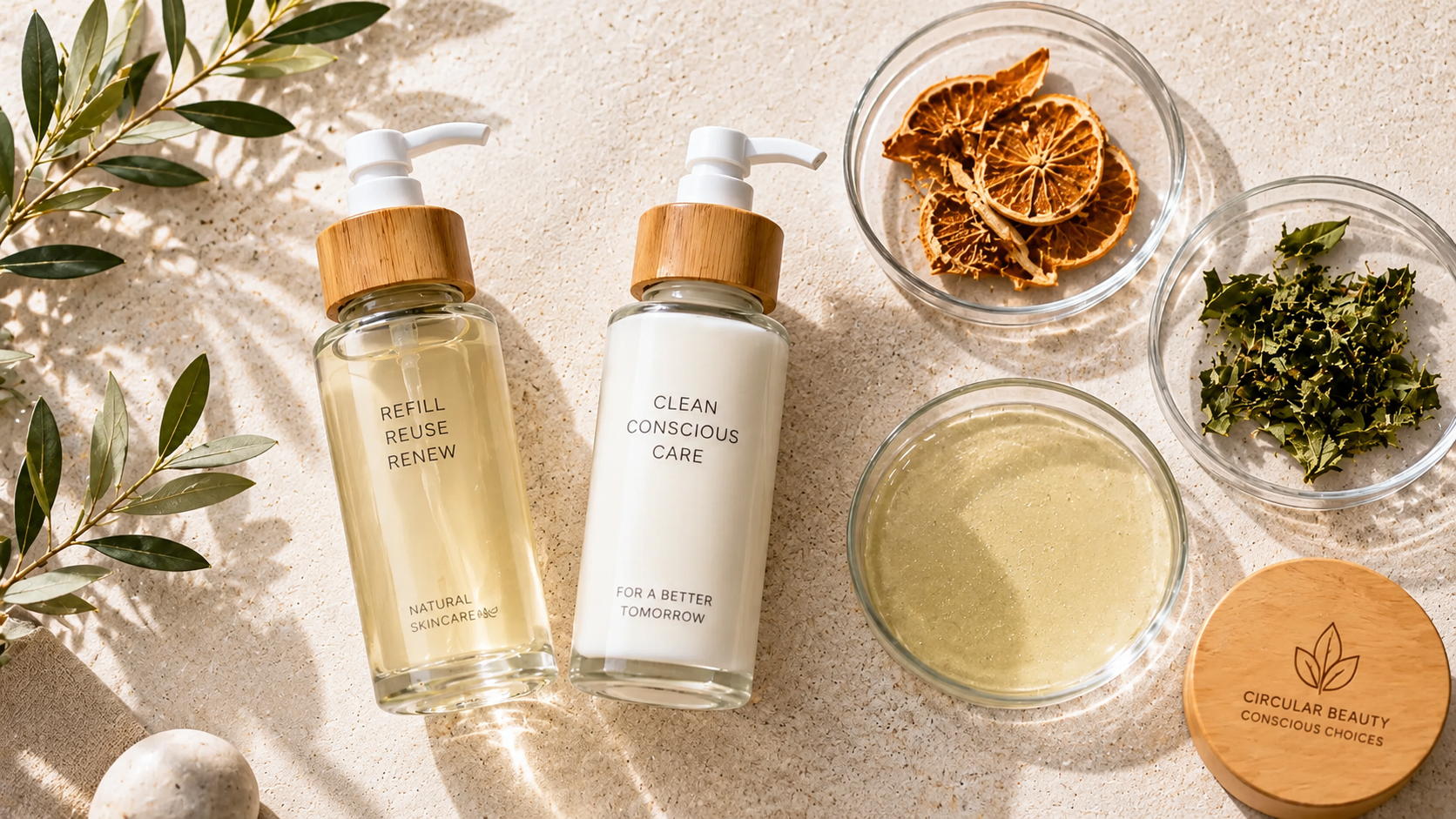
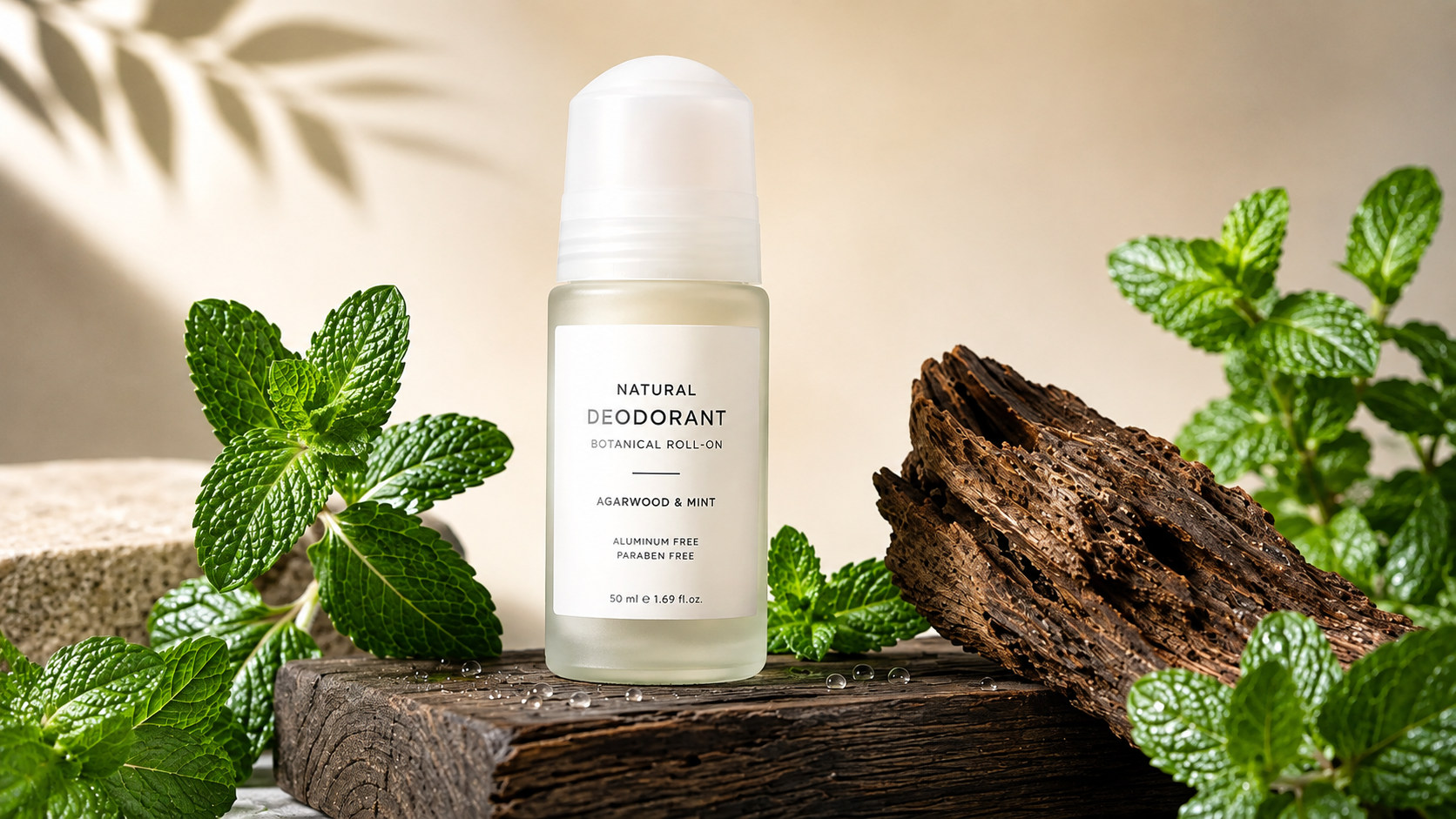
Three routes.
Your formula, our development, or a full-service turnkey project.
Two decisions first.
Who owns the formula, and who carries the market-facing legal role.
One brief.
Everything a usable quotation request contains is in the readiness matrix below.
Manufacturing Experience Behind This Line
NEXO Beauty Labs is a global cosmetic OEM and ODM partner working across skincare, hair care, and body care. This line is built on more than 25 years of cosmetic manufacturing expertise. Our manufacturing foundation dates back to 1999.
Manufacturing Background in Brief
Specifications
Manufacturing foundation
Dates back to 1999
Category experience
More than 25 years of cosmetic manufacturing expertise
Export-facing team
Operating since 2020
Categories in scope
Skincare, hair care, body care
Partner model
Cosmetic OEM and ODM
Project span
Concept to commercial production
R&D and Production
That foundation carries extensive experience in formulation development, production management, and quality control. NEXO combines professional research and development capabilities with manufacturing systems and market insight from the beauty market we supply. We specialize in skin care, hair care and body care rather than every cosmetic format.
Partners and Compliance
Who this line is built for. Our international business team has worked with global beauty brands since 2020. Those partners include brands, e-commerce companies, distributors, and private label partners in different regions. NEXO connects them with cosmetic development and manufacturing solutions from concept through commercial production.
Experience does not transfer market-facing duties: for United States sales, FDA assigns facility registration and product listing to defined actors.1
Development Routes: OEM, ODM and Turnkey
Quoting delay most often derives from an unstated route. Buyers arriving with a completed formula are posing a different question than buyers arriving with a positioning statement, and those two projects price and schedule differently from day one.
Route comparison: what changes between OEM, ODM and full-service turnkey projects
| Decision input | OEM route | ODM route | Turnkey route |
|---|---|---|---|
| Formula origin | Supplied by the brand or its own chemist | Developed against your brief by our research and development team | Selected from a development direction agreed at kickoff, then adjusted |
| Development starting point | Written formula, batch record or benchmark sample | Target texture, claim direction and cost position | Category, market and launch window |
| Packaging responsibility | Brand nominates the supplier and component set | Shared: brand approves, we confirm fill and compatibility | Handled as one scope with the formula, including custom packaging |
| Sample stage focus | Reproducing your reference on our equipment | Converging on texture, scent and stability targets | Confirming the whole product line at once, not one unit |
| Change control | Changes come from your side and are re-costed | Iterations are planned into the development stage | Changes ripple across formula, component and artwork at once |
| Documentation ownership | Brand holds the formulation record it supplied | Written before development starts, never assumed | Written before development starts, never assumed |
| Strongest fit | Established brands moving a proven formula to new capacity | New brand that knows its buyer but not its formula | Distributors and retail partners who need turnkey solutions and speed to market |
| Main risk to manage | Raw material and equipment differences between sites | Scope creep during iteration rounds | One late decision holds the whole product line |
- Formula Ownership & Regulatory
- Project Route Assessment
Formula ownership must be defined before development fees are paid, because it is not automatic in any of these routes. It is a contract term, settled in writing before development work starts, and the one that most often surprises first-time brand owners. Every route carries a trade-off: OEM gives the brand more formula control but requires a more complete technical package, while turnkey shifts more development work to the manufacturing partner.
The route label does not decide United States regulatory roles; facility registration and responsible-person product listing remain separate FDA duties.1
Not sure which column describes your project? Route questions run in the browser and nothing is sent anywhere.
Open the Route Fit QuestionsProduct Families in Scope
NEXO operates within three cosmetic product families, with each family exhibiting its own development flow. Each family has its unique bottleneck, and understanding which one applies influences how we should judge the first sample.
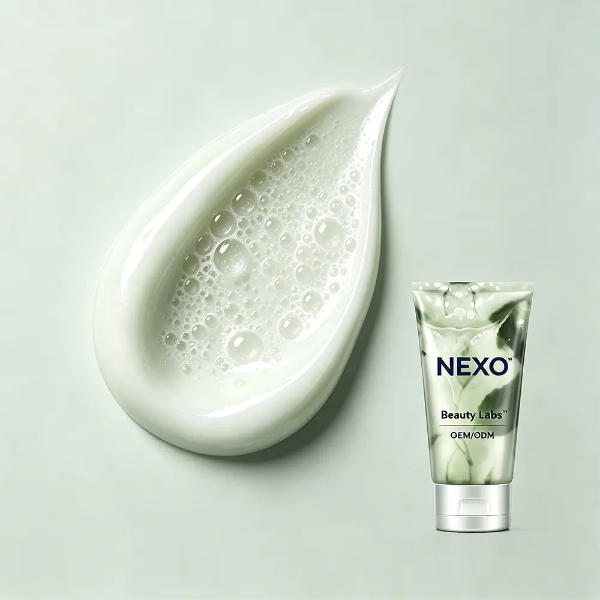
Skincare
- Emulsions, gels, serums, cleansers and masks within a skincare line.
- Stability behaviour under temperature cycling drives the schedule
- Active ingredient handling and order of addition are formula-critical
- Shelf presentation is influenced equally by the formula and packaging compatibility
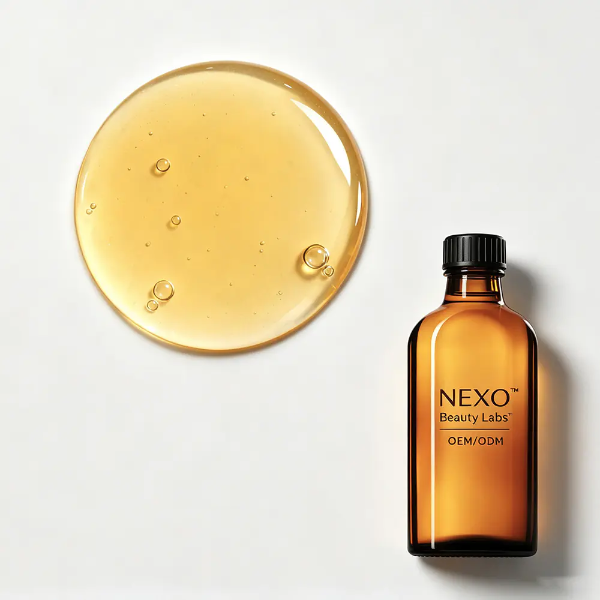
Hair Care
- Hair care formats including shampoo, conditioner, treatment and styling products.
- Viscosity and rinse feel are assessed subjectively, and benchmarks are important
- Surfactant system choice sets both cost and claim direction
- Fill behaviour differs sharply between bottle and tube components
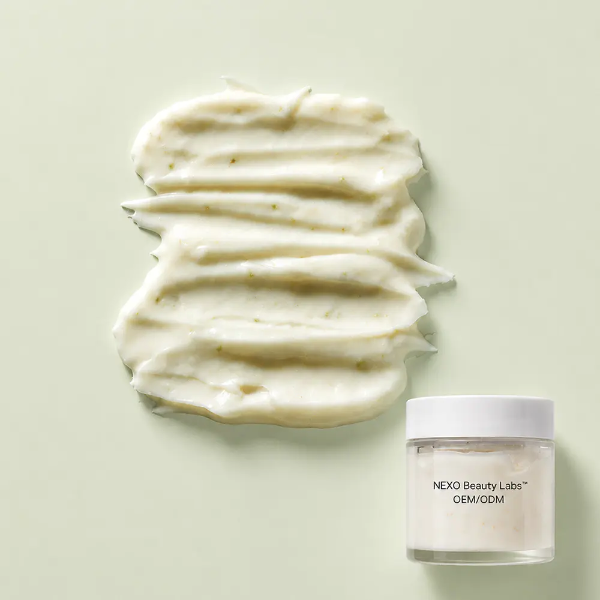
Body Care
- Body care and broader personal care products including lotions, butters, washes and scrubs.
- Larger fill volumes alter the unit economics of every raw material choice
- Texture expectations shift by target region and season
- Scent load interacts with both the base and the component material
In practice, a buyer launching a skincare line alongside a body wash is running two development clocks, not one. One partner covering all three families removes the coordination cost of parallel projects, which is the reason brands consolidate them with NEXO Beauty Labs. It does not remove the technical work, and cross-category scope is not a shortcut through development.
For United States launch planning, each marketed cosmetic product is listed by the responsible person even when several product families share one manufacturing partner.1
Development and Manufacturing Capabilities
At NEXO Beauty Labs, our capability set spans the work between a written brief and a released production batch. This scope is backed by more than 25 years of cosmetic manufacturing expertise. Everything below describes what the work covers without promising a fit for a project we have not yet quoted.
Discuss Your Product Idea
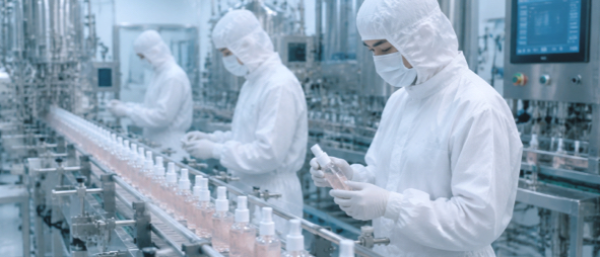
- Brief interpretation: transforming a positioning statement into a technical target for the formula
- Custom formulation and benchmark matching work, or work to customize a product you already sell
- Raw material selection and substitution when a nominated ingredient is unavailable regionally
- Iteration cycles with written change notes, so texture decisions can be traced directly to the person who requested them
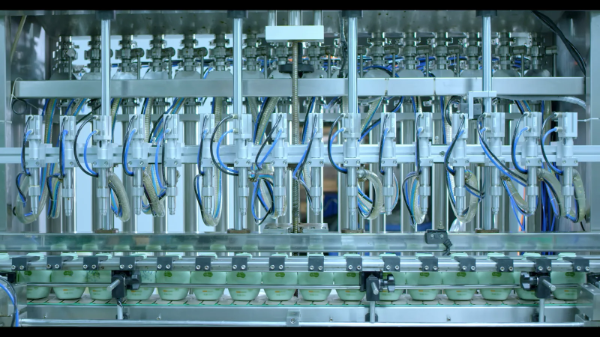
- Packaging options considered in relation to fill method, viscosity and component material
- Custom packaging coordination when a brand nominates its own supplier
- Artwork and decoration managed in relation to files provided by your design team
- Compatibility assessments scheduled before locking a component set, rather than after the initial production run
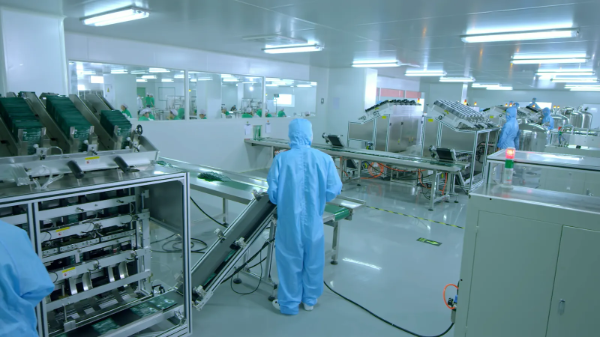
- Scale-up from bench batch to production batch, with variation documented
- Order quantities and batch sizes verified per formula and per component, not as a single overall amount
- Production management and release controls compared to the specifications agreed for the batch
- Repeat-order procedures so a second run replicates the approved batch, not a new interpretation
OEM Manufacturing Readiness Matrix
The majority of quotation delays within cosmetic contract manufacturing originate from missing inputs rather than complex technical queries. Six factors influence whether a brief can be priced, and we evaluate these same six factors prior to issuing a quotation.
Six readiness dimensions, the inputs you prepare, and the items confirmed before quotation
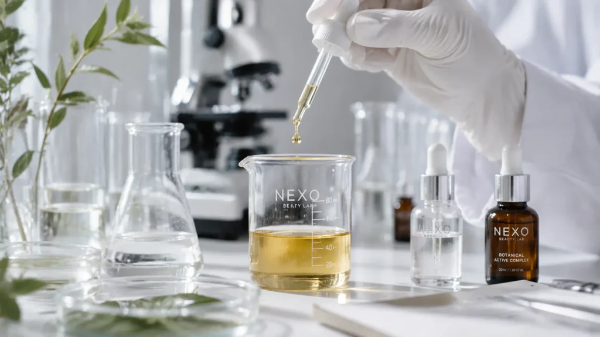
| Readiness dimension | Prepared by you | Confirmed by us before quotation |
|---|---|---|
| Product category | Category, format and the closest benchmark product you can name | Whether the format sits inside our skincare, hair care and body care scope |
| Development ownership | Whether you bring a formula, a brief, or only a market position | The route, the iteration model and where your chemist sits in the loop |
| Formula status | Formulation record, ingredient restrictions and any banned-list constraints | Raw material availability and whether a substitution changes the claim |
| Packaging status | Component decision, nominated supplier and artwork readiness | Fill compatibility, decoration feasibility and component lead dependencies |
| Market and claims | Target markets, intended use, claim wording and label language | Which legal role each side carries in that market, in writing1 |
| Commercial expectations | Volume band, budget position and the launch date you are working back from | Minimum order quantities per formula and per component, and the schedule they imply |
Cost Drivers and Schedule Drivers
We do not publish unit prices or turnaround figures here, because both are set by the specification rather than by the category. Order-quantity fit cannot be compared without route-specific information, so this section shows which decisions move the number.
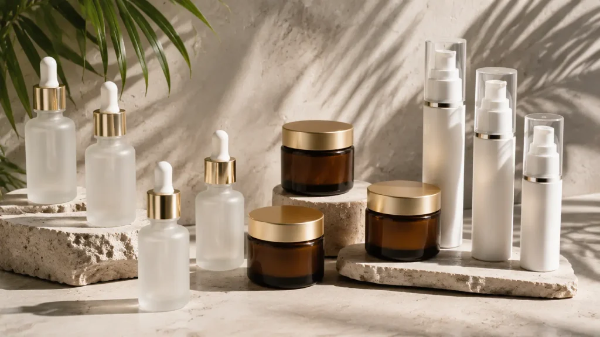
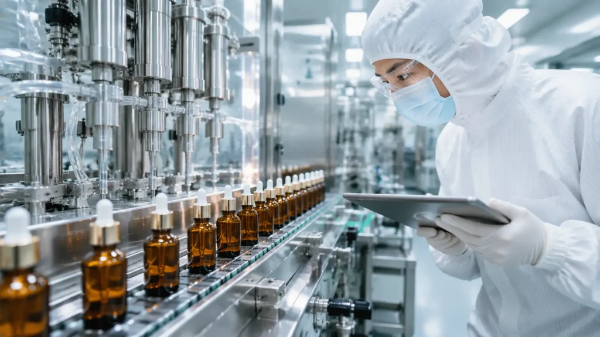
Cost drivers that move the number
- Raw material variation: active concentration and grade change are more costly than fill volume in most skincare formats.
- Component set: a custom component, decoration step, or secondary carton each adds cost regardless of the formula.
- Batch size in relation to order quantities: one formula costs more at a trial batch than at a repeat production batch.
- Claim support work: testing and paperwork requested for a claim are project costs, not overheads absorbed into the unit price.
Schedule drivers that move the date
- Iteration cycles: each approval of a sample delays project completion by calendar time, and it is this figure that buyers most underestimate.
- Component availability: a specified component on its own manufacturing timetable sets the earliest feasible date for the entire project.
- Stability and compatibility work: this runs on its own clock and cannot be accelerated by adding more people.
- Artwork and label sign-off: regulatory label content for a target market is often the final deliverable to close.
Quality Control and Market Responsibilities
Quality control inside a factory and legal responsibility in a target market are two separate systems. Target-market paperwork cannot be reduced to a manufacturer badge, and brand owners are frequently told the first system covers the second when it does not. Registration is a record that an actor exists, and it is not interchangeable with product approval on a customs form.
Our release position on the floor is deliberately unromantic: a batch ships against written acceptance criteria for that product, never against anyone’s memory of how the approved sample looked. Where a criterion was never written down, we say so before the batch is filled rather than after.
Which side carries each of those roles is a contract question for your target markets, settled in writing per jurisdiction. Because a manufacturing contract is not a substitute for a statutory duty, NEXO Beauty Labs keeps production release evidence and market responsibility in separate records, which is what closes the documentation gap before a border check finds it.
Work out which market and legal-role inputs your brief is still missing.

Production-side controls
- Incoming raw material and component checks against the agreed specification
- In-process checks during compounding and filling, recorded per batch
- Release checks before a batch ships, against the acceptance criteria approved for that product
- Retained documentation so a repeat order can be traced to the batch it reproduces
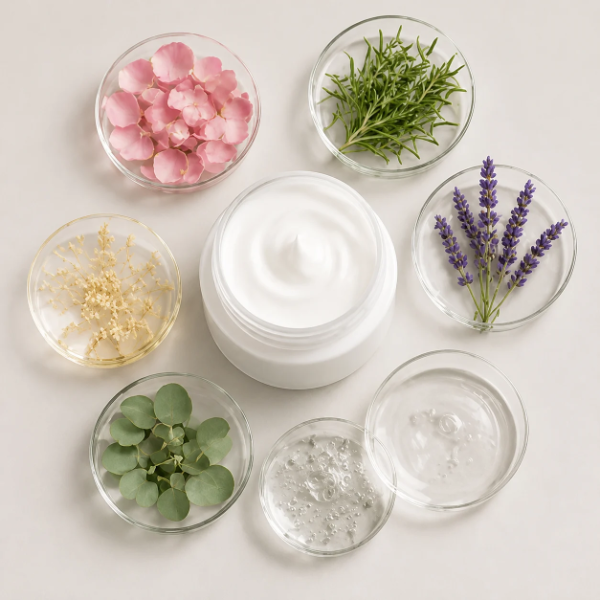
Market-side responsibilities that stay with the brand
Three points from primary regulatory sources are worth stating plainly, because they shape who signs what.
- Registration is not approval. In the United States, facility registration and cosmetic product listing attach to different defined actors, and neither is a statement that a product has been approved.1
- Premarket approval has exceptions. Most cosmetics do not require FDA premarket approval, but color additives are an exception, and intended use or claim wording can change how a product is classified.2
- The European Union requires a named person. A cosmetic product placed on the European Union market requires a responsible person under Regulation 1223/2009.3
Which side carries each of those roles is a contract question for your target markets, settled in writing per jurisdiction.
From Brief to Commercial Production
This sequence is the working shape of a cosmetic contract manufacturing project. Stage names differ between suppliers; the decision points do not.

-
01
Brief and route
Category, benchmark, volume band and target markets are captured, and the OEM, ODM or turnkey route is fixed.
-
02
Terms before development
Formula ownership, confidentiality and documentation handling are agreed in writing before development work begins.
-
03
Formulation and sampling
Development runs against the technical target, with iteration rounds and written change notes at each pass.
-
04
Component and artwork lock
Packaging options are confirmed for fill compatibility, then artwork is closed against label content for each market.
-
05
Scale-up and pilot batch
The approved bench formula is reproduced at production scale and the differences are documented.
-
06
Production and repeat orders
Release checks run against the approved specification, and the record becomes the reference for the next run.
Manufacturing Partner Evaluation Checklist
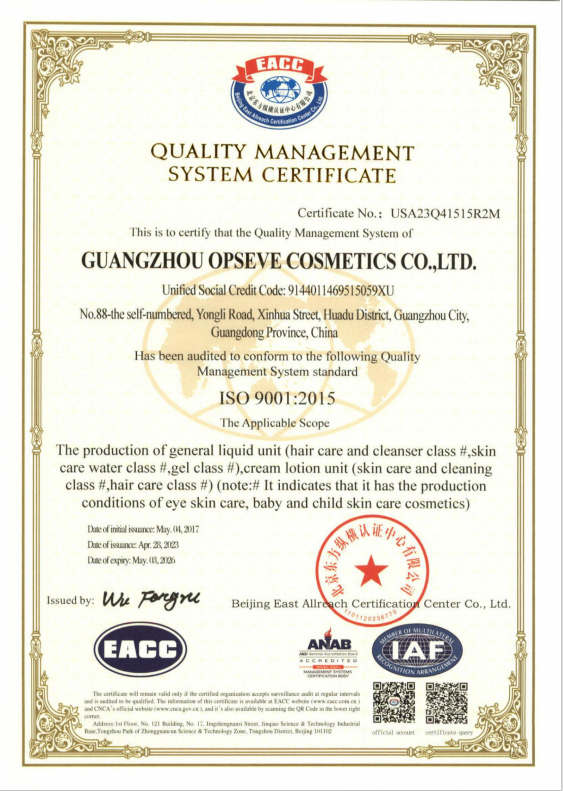
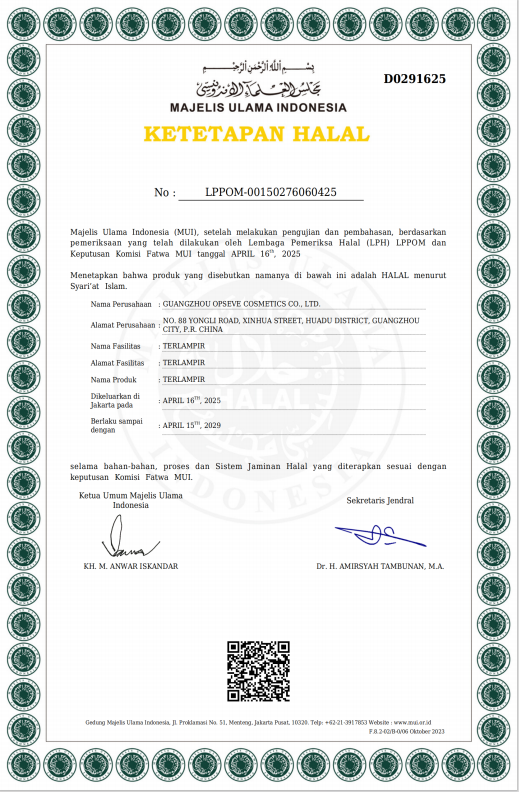
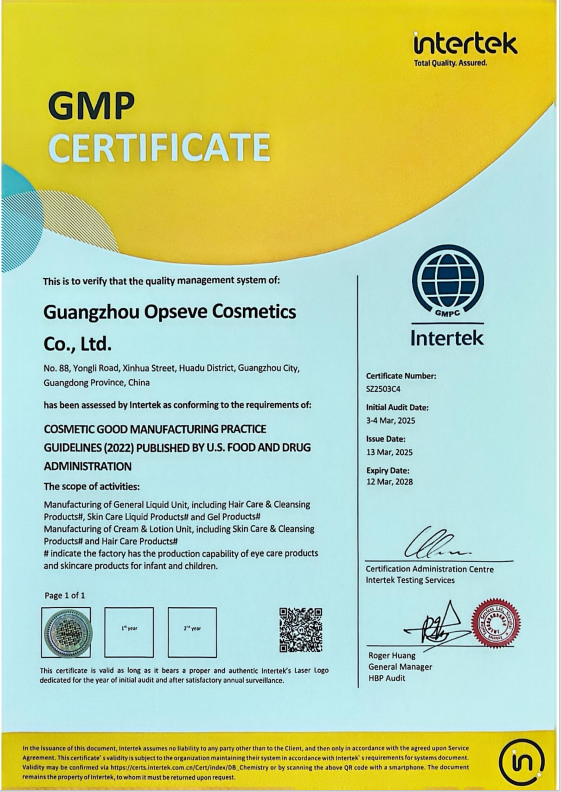
Use this section on us as well as on any other cosmetic contract manufacturer you are speaking to. Credibility must be checkable before a brief is shared, and the mistake buyers make is comparing adjectives instead of clauses. The tell is whether a number arrives with a document behind it.
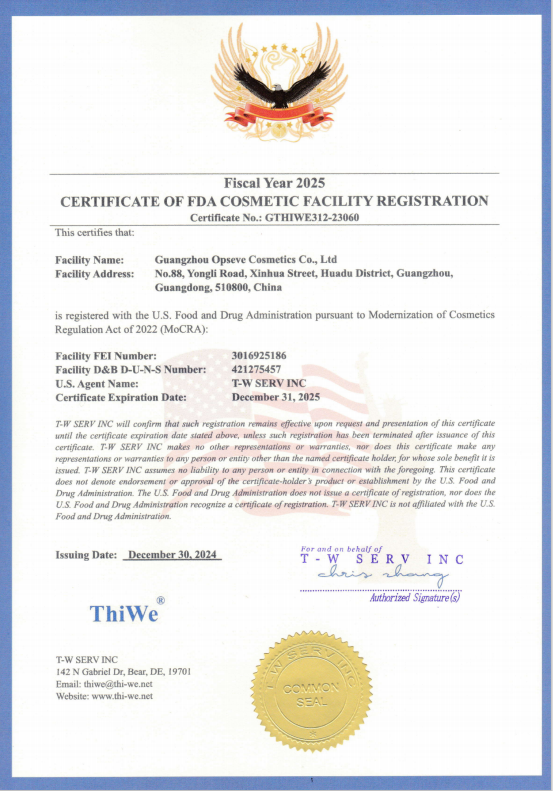
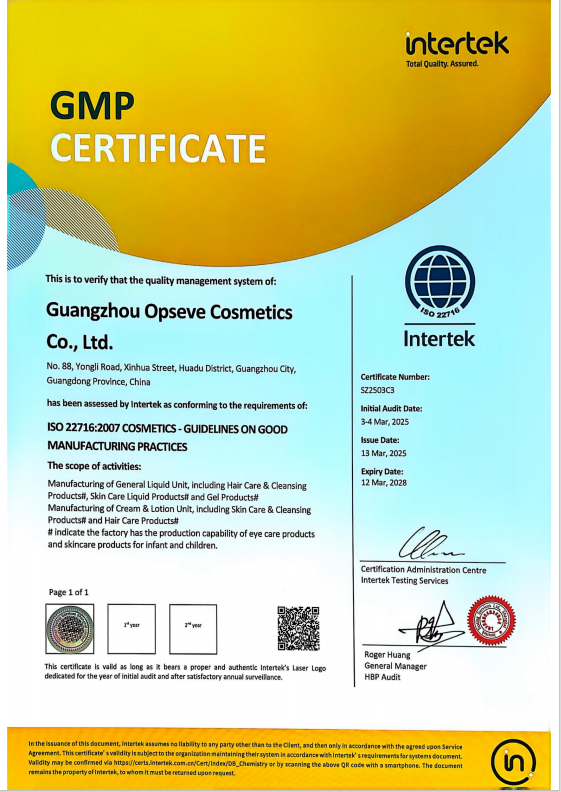
Claims that carry no information
- Any world-class label with no test method, audit body or document behind it
- Highest quality claims that are not tied to a written specification you can hold
- Large round numbers for formulas developed or brands served, with no way to verify either
- One certification badge presented as coverage for every product family and every market, which is the clearest red flag on this list
Questions that separate suppliers
- Where in your process is formula ownership put in writing, and what happens to it if we stop working together?
- Is your minimum order quantity set per formula, per component, or both?
- Who holds the market-facing legal role in each country we plan to sell in?1
- Can a lab-scale approval be reproduced at production scale, and what changed between them?
- What documentation travels with a batch, and what stays with you?
Where This Line Is Not the Right Fit
Scope boundaries are worth stating early. If your project sits in one of the areas below, we are the wrong answer, and a different partner will serve you better than a sampling round that ends in a refusal.
Request a ConsultationPigment dispersion and pressed formats sit outside the skincare, hair care and body care scope of this line.
Fine fragrance development is a separate discipline from adding a scent to a cosmetic base.
OTC products carry a different regulatory route from cosmetics, and the classification is driven by intended use and claims.
Projects with no production intent are not what a manufacturing partner is built for.
FDA defines that role by the name appearing on the cosmetic label; manufacturing scope alone does not make NEXO that actor.1
OEM Cosmetic Manufacturing Tools
OEM Cosmetic Manufacturing Readiness Self-Assessment
Evaluate your brand’s preparedness for cosmetic manufacturing. Identify operational gaps and align requirements before initiating mass production.
Access ToolRoute Fit Questions: OEM, ODM or Turnkey
Determine the most suitable manufacturing model for your project. Analyze whether OEM, ODM, or Turnkey solutions best support your business goals.
Access ToolQuotation Brief Builder for Cosmetic Contract Manufacturing
Generate a comprehensive quotation brief for your cosmetic product. Streamline communication with manufacturing partners for precise pricing.
Access ToolFrequently Asked Questions
Discuss Your Product IdeaOEM cosmetic manufacturing is production carried out by a manufacturer for a brand that owns the product identity. In the strict sense, the brand supplies the formula and the manufacturer reproduces it at scale, making the manufacturer a capacity and process partner rather than a development partner. In practice, the term is also used loosely for private label services and projects where the manufacturer performs the formulation work, so confirm the supplier’s meaning before comparing quotations and again in the contract.
Compare the routes by who originates the formula, who carries the iteration risk, and where packaging responsibility sits. The table above puts those inputs side by side. Naming the route in the first message also makes the quotation process faster.
Include the category, benchmark product, route, volume band, target markets, packaging status, and launch date.
Yes. NEXO works across all three families, and the benefit is coordination rather than a technical shortcut. Each family has its own stability, viscosity, and fill behaviour, so treat a multi-category partner as one point of contact rather than one development cycle.
No. A brand can arrive with a finished formulation, a detailed brief, or only a desired market position. Stating what you already have sets the correct development route and sampling plan.
The brief is checked against the six readiness dimensions, gaps are raised as questions, and the route is confirmed. Ownership and confidentiality terms are settled before development begins. Sampling starts only after those points are clear.
Confirm the terms in writing before development, including what happens to the formulation record if the relationship ends. Ownership does not transfer automatically because a brand paid for development. Ask for the clause rather than verbal reassurance.
Both are confirmed in the quotation against your specification. Order quantities are set per formula and per component, so a project can clear the formula threshold and still be held by a packaging component. The section above lists the other cost drivers.
The schedule is confirmed with the quotation once the specification is fixed. Any date given earlier is an estimate.
Name the countries you will sell in, the intended use, the claims you want to make, and the required label languages. In the United States, registration and listing attach to defined actors and are not product approval. In the European Union, a responsible person is required for a product placed on the market.
An internal approval confirms that a batch meets the specification agreed for it. It is a production control and does not substitute for a statutory obligation in the target market. The two records are kept separately for that reason.
Compare written terms rather than adjectives: ownership clauses, order-quantity structure, documentation handling, scale-up evidence, and who carries the legal role in each market. The evaluation section above lists the questions that produce comparable answers.