Get in touch with NEXO Beauty Labs Company
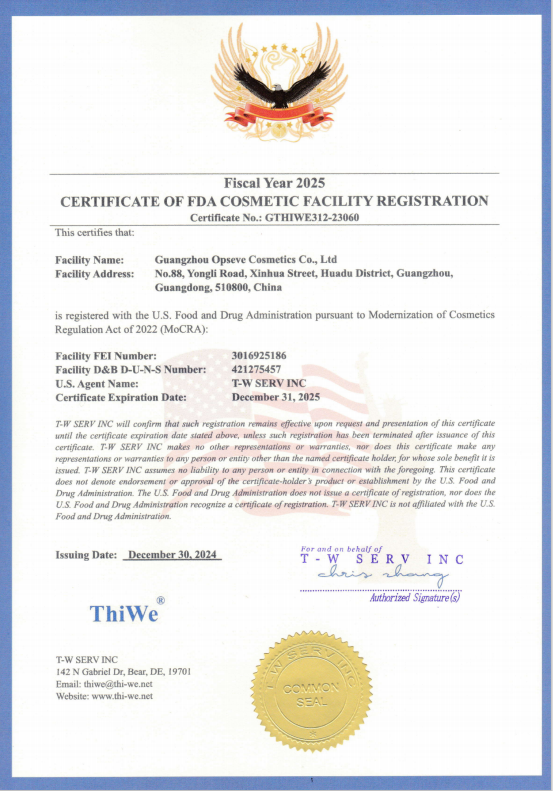
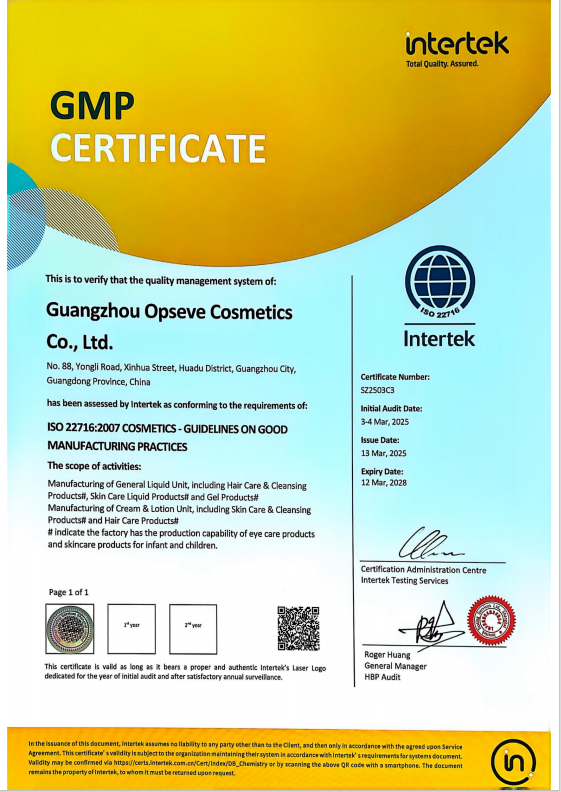
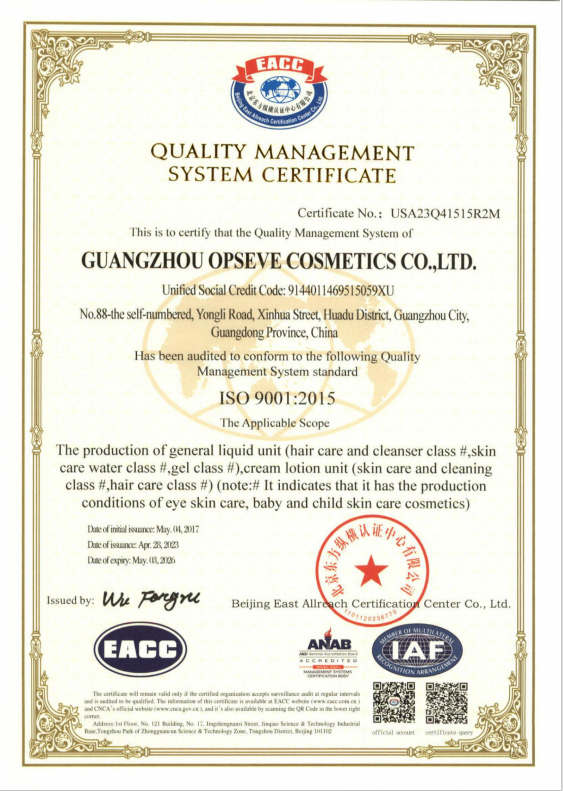
ISO Certified Facility
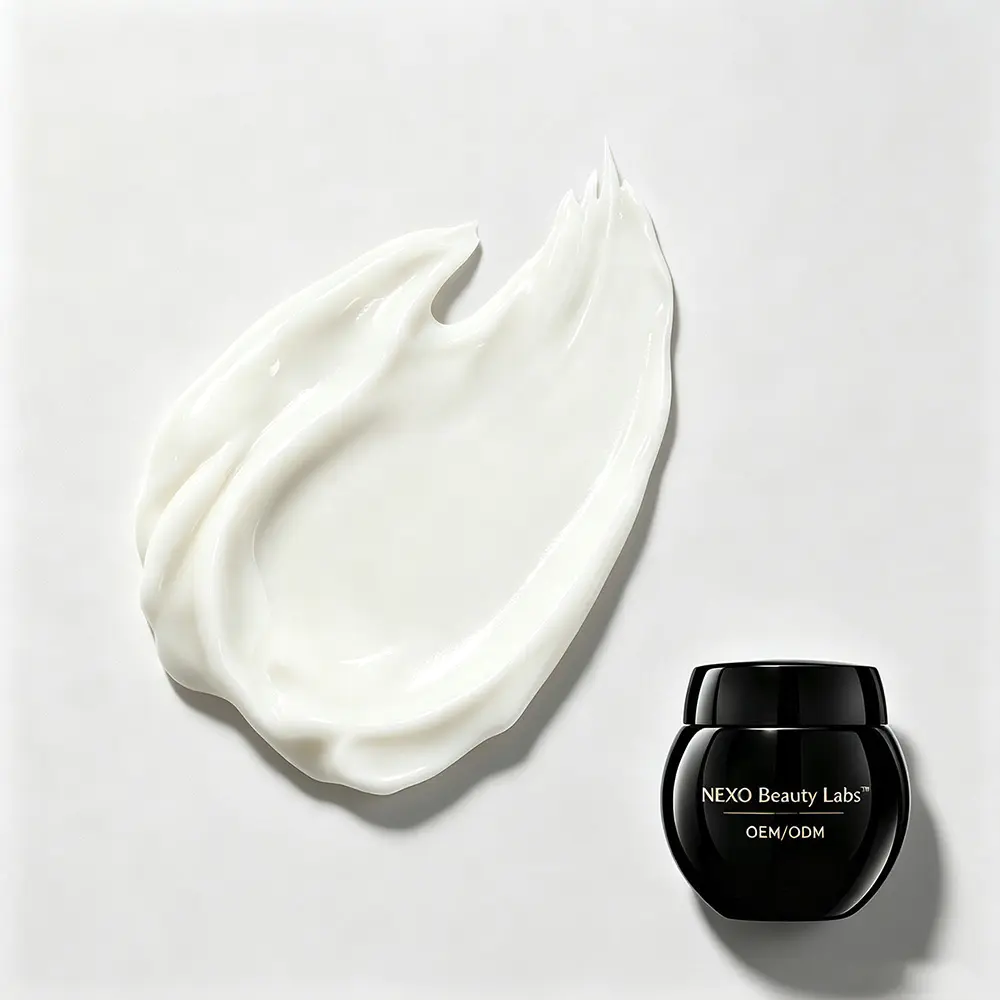
Ceramide Cream Manufacturing
Ceramide Cream Manufacturing for Brand-Led Development
Ceramide Cream Manufacturing at NEXO Beauty Labs is built for brands that need a cream programme to move from a defined brief through formula, texture, packaging and release decisions. Choose a route that fits your starting point, then turn the resulting decisions into a reviewable product brief.
- Custom formulation routes
- Texture and pack planning
- Qualified production handoff
- Texture direction: lightweight hydration to rich barrier-care textures
- Sample route: formula and texture samples are available after a product brief
Route snapshot
- Custom formulation: Build from a product brief and target direction.
- Formula matching: Use a reference product as a discussion starting point.
- Co-development: Align development decisions across the brand and NEXO team.
Project information is treated as confidential, and an NDA is available before formula details are shared. We return an R&D-reviewed response within 24 business hours on business days.
■ FORMULA MATCH ■
Prototype Dev.
around 3 business days after the product brief is agreed
Intl. Samples
approximately 5–7 days after dispatch
Comm. Production
within 15 days after formula approval and packaging qualification
Manufacturing MOQ
from 10,000 units
Ceramide
Ceramide Cream Manufacturing Capabilities
We develop ceramide cream programmes through custom formulation, formula matching and co-development. The route is selected from the quality of the starting brief, the role of a reference product and the decisions the brand wants to retain before production.
Whichever route is selected, finished-product review remains the shared release basis. Our manufacturing foundation dating to 1999 supports more than 25 years of cosmetic manufacturing expertise, ensuring reliable quality scaling from pilot to full production.
Custom Formulation
We translate a product concept into formulation and sensory priorities, including a cream’s intended feel, supporting ingredients and the packaging direction to qualify alongside it.
Formula Matching
We use a reference cream to frame texture, application and positioning discussions while defining the new programme’s own development decisions.
Co-Development
We work with the brand’s product and quality stakeholders to keep formula choices, acceptance notes and packaging questions visible through review.
Route Control and Formula Ownership
Starting Point
Decision That Matters
Record To Request
A brand concept and claim direction
Which formula, texture and packaging variables NEXO will develop
Agreed brief and formula-version history
A reference moisturizer or cream
Which sensory cues are targets and which elements must remain distinct
Written match scope and acceptance notes
An existing formula or ingredient list
Whether the programme is a transfer, revision or new co-development route
Formula status, change decisions and confidentiality terms
Buyer Check Before Route Selection
- Name who owns the starting formula and who may authorize changes.
- Differentiate a reference product from a promise to replicate it verbatim.
- State the destination market before claims and label work begin.
- Decide whether sample acceptance covers feel alone or formula and pack together.
Ceramide Systems, Textures and Product Directions
Finished-Formula Release Basis
System-Level Formulation
Sensory Direction
Ingredient Language Translated Into Release Questions
Formula-to-Fill Hidden Bottleneck Map
Packaging Options and Formula Compatibility
Packaging is part of the product system, not a final decoration choice. We evaluate packaging compatibility as a qualification route because formula, closure, application pattern and storage context can interact.
Pack Direction
Bring the preferred format, component constraints or a reference package into the brief. This lets the formula and packaging discussions progress together instead of creating a late-stage handoff.
Compatibility Review
We include packaging compatibility among the checks completed before formula approval. The review supports a product-specific decision; it does not rank one package material as universally superior.
Example Brief Comparison
If a buyer and procurement team are comparing a 30 mL jar with a 50 mL pump, write both example routes into the brief. The risk is a formula–pack mismatch because fill size, closure path and component supply can change together; sample acceptance and packaging qualification are not interchangeable.
Formula and Pack Decisions Kept Together
| Buyer input | Qualification question | Change that can reopen review |
|---|---|---|
| Jar, tube, pump or another preferred format | Does the selected cream dispense and remain acceptable in that component? | Closure, pump path or contact material change |
| Decoration and label area | Can the intended wording and required market information fit the pack? | Artwork, language or destination-market change |
| First-order quantity by SKU | Does the component order align with the manufacturing MOQ from 10,000 units? | Splitting one run across more packs, shades or decorations |
| Approved sample format | Does sample acceptance cover the same formula and pack route intended for bulk? | Switching component after sensory approval |
Packaging Buyer Advisory
Do not treat a good laboratory sample as proof that an unqualified bulk component will behave the same way. Record the approved formula version, package version and acceptance notes before production is released.
SPECIFICATIONS
Ceramide Cream Programme Specifications and Lead Time Triggers
A complete brief makes it easier to distinguish creative direction from a release condition. These programme specifications keep commercial clocks, order exposure and technical review in one buyer-facing view.
| Programme field | Committed value | Trigger or scope |
|---|---|---|
| Development routes | 3 routes | Custom formulation, formula matching or co-development |
| R&D-reviewed response | within 24 business hours | on business days |
| Prototype development | around 3 business days | after the product brief is agreed |
| International sample delivery | approximately 5–7 days | after dispatch; customs and destination delays are outside that clock |
| Commercial production | within 15 days | after formula approval and packaging qualification |
| Manufacturing MOQ | from 10,000 units | per approved SKU configuration |
| Pre-approval review | 6 check categories | stability, high and low temperature, freeze-thaw, centrifuge, packaging compatibility and microbiological testing |
×
![Enlarged Image]()
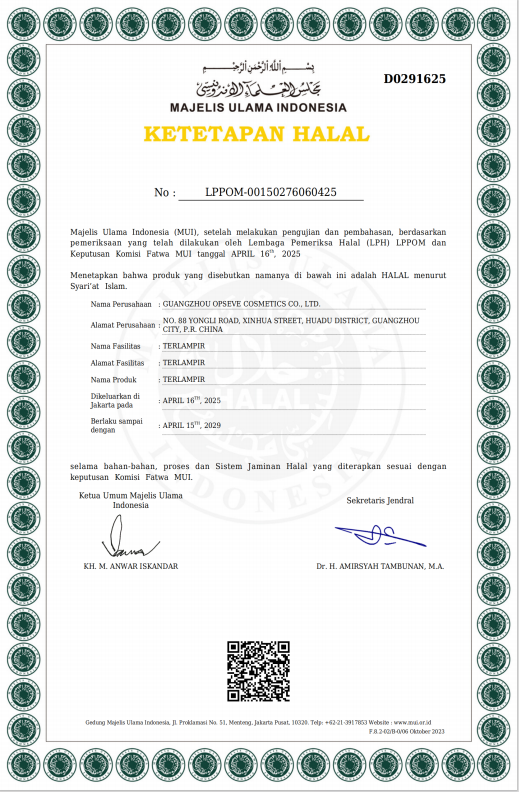
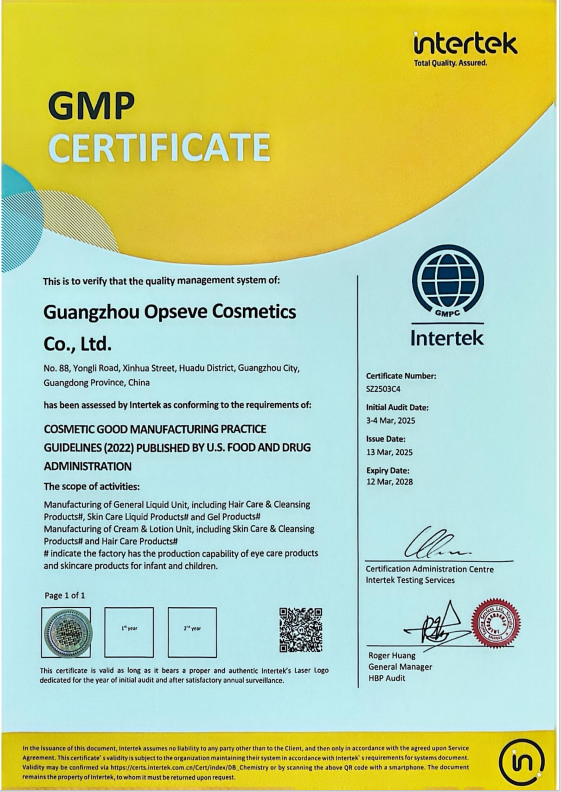
Formula Validation, Traceability and Quality Control
We build a pre-approval review around the product brief, formula and packaging route. Finished-product evidence connects the specific cream to its safety, stability, package and market-readiness decisions.
Market Responsibility Handoff
Sample-to-Bulk Evidence Pack
Before bulk approval, define the formula version, packaging version, approved sample notes and release record that should travel together. This keeps the brand, development, quality and procurement teams aligned on what has been accepted.
The Ceramide Cream Release Control Board
The control board is a buyer-facing way to identify the inputs still needed for a release decision. Each row is independent: a packaging question can be resolved alongside texture review, while market responsibility can be assigned before artwork is final.
Control variable
Buyer input
NEXO decision
Verification
Owner
Release record
Blocker
Route
Starting point
Select programme route
Brief review
Brand + NEXO
Route note
Unclear brief
Texture
Feel and routine
Set sensory direction
Sample review
Product lead
Acceptance notes
Open sensory target
Ceramide system
Ingredient direction
Define formulation variables
Formula review
R&D
Formula version
Unresolved scope
Packaging
Format and component
Set qualification route
Compatibility check
Procurement
Pack version
Component change
Stability
Storage context
Plan checks
Stability review
Quality
Review record
Open result
Microbiological
Product context
Set applicable review
Microbiological check
Quality
Test record
Open assessment
Claims
Intended use
Align product language
Claims review
Brand
Approved wording
Unapproved claim
Market role
Destination market
Identify handoff
Role confirmation
Brand
Responsibility map
Unnamed entity
Bulk release
Approved package
Confirm production start
Formula + pack approval
Brand + NEXO
Release instruction
Missing approval
Ceramide Cream Trade-Offs and Alternative Routes
Richness and Climate
A rich skin barrier texture can seem too heavy in a humid-climate or oilier positioning. A lighter lotion or gel-cream message can help the product concept stay aligned.
Active Stack and Positioning
An active complex that is too crowded might make sensitive-skin positioning harder to talk about. Simplify the ingredient message to give a clearer product role to the brief.
Pack Lock and Rework
Locking the pack before compatibility work can create rework. Qualify the formula and package together when the component is important to the product experience.
Selection Discipline
The trade-off is not “more actives versus fewer actives” but a clearer product role versus a more difficult formula, claims and compatibility brief. The mistake is to keep a rich cream route when the buyer’s routine, climate or pack points to a lighter format.
Product-Family Boundary
A serum may work as a layering step, while a lotion may work as a lighter daily moisturizer position. Keep the cream route when cushion, occlusion and a richer application profile are most relevant to the product brief.
Commercial naming
Whether your buying team calls the project private label ceramide, private label ceramide cream, a ceramide moisturizer manufacturer programme or a ceramide moisturizer OEM manufacturer brief, the commercial decision remains the same: define the route, formula ownership, package and release evidence before bulk approval.
+
+
Ceramide Cream Formulation Tools
Ceramide Programme Route Selector
Choose the starting point for your cream programme. This selector organises a development conversation; it does not make a formula, performance or regulatory decision.
Formula–Pack Readiness Check
Mark the decisions already available for review. The score is an interface model for briefing discipline, not a NEXO performance result, test result or regulatory decision.
Ceramide Cream Brief Builder
Turn a few working choices into a copyable enquiry outline. It records your selected inputs and does not prescribe a formula, production schedule or market approval outcome.
FAQs: Ceramide Cream Manufacturing
Yes. A reference cream provides context for texture, application and positioning discussions within a formula-matching route. The written brief separates those targets from formula ownership, composition and finished-product evidence.
Custom formulation fits a brand-led concept, formula matching fits a reference-led discussion and co-development fits a shared decision process.
Texture development ranges from lightweight hydration to rich barrier-care textures. Climate, routine position, layering behaviour and pack format help narrow the sample direction.
Yes. Ceramide direction, supporting lipids, humectant and emollient choices are discussed against the target texture and product role. We do not treat one ceramide ratio as a universal formula.
Bring the preferred format, closure and component constraints into the brief. Packaging compatibility then becomes part of the programme rather than a late change after sample approval.
We support stability, high and low temperature, freeze-thaw, centrifuge, packaging compatibility and microbiological testing before formula approval. The applicable review follows the finished formula and pack, not the ingredient headline alone.
Prototype development takes around 3 business days after the product brief is agreed.
International sample delivery takes approximately 5–7 days after dispatch. Customs and destination delays are outside that clock.
The manufacturing MOQ starts from 10,000 units per approved SKU configuration. Formula, component and decoration choices can raise the per-SKU requirement, which is why a total launch quantity should be split by actual configuration before quotation.
Commercial production is within 15 days after formula approval and packaging qualification.
Project information is treated as confidential. An NDA is available before formula details are shared, and the agreed brief should identify who may authorize formula changes.