Get in touch with NEXO Beauty Labs Company
Low MOQ Skincare Manufacturing with NEXO Beauty Labs
Low MOQ skincare manufacturing works best when the starting quantity follows a defined formula route, packaging direction, target market, and launch plan. NEXO Beauty Labs works as a manufacturing partner to help brands move beauty products from project definition through formulation work, samples, manufacturing review, and commercial production.
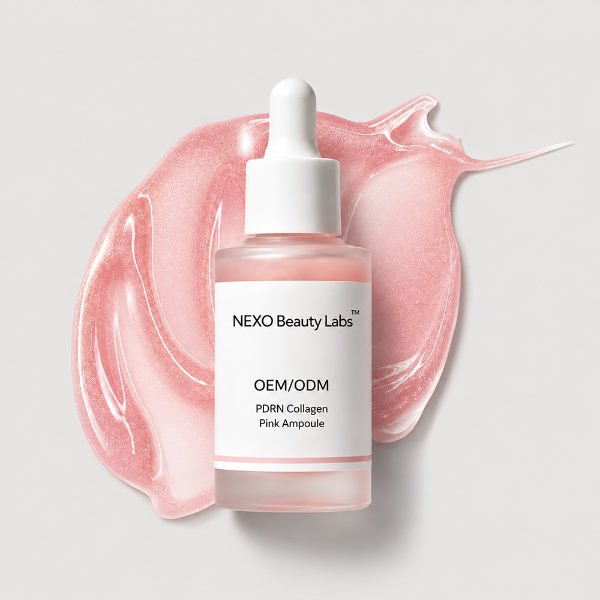
Share the product type, preferred manufacturing route, formula starting point, packaging direction, target market, timing, and quantity requirement. That gives a skincare manufacturer enough context to focus the first reply on project fit instead of a generic minimum order.
Manufacturing Capabilities & Standards
Supported Routes
- Private label, custom ODM, reference-sample, and contract routes
Product Categories
- Skincare, hair care, and body care scope
Evaluation Phase
- Project inputs reviewed before a quantity is discussed
Global Experience
- International business support since 2020
Low-MOQ Feasibility Inputs at a Glance
A low minimum order is not necessarily the only number that controls a launch. Formula batch requirements, ingredient sourcing, primary packaging, decoration, testing scope, and the target market can create different constraints, so provide the project inputs that sit behind the requested number of units.
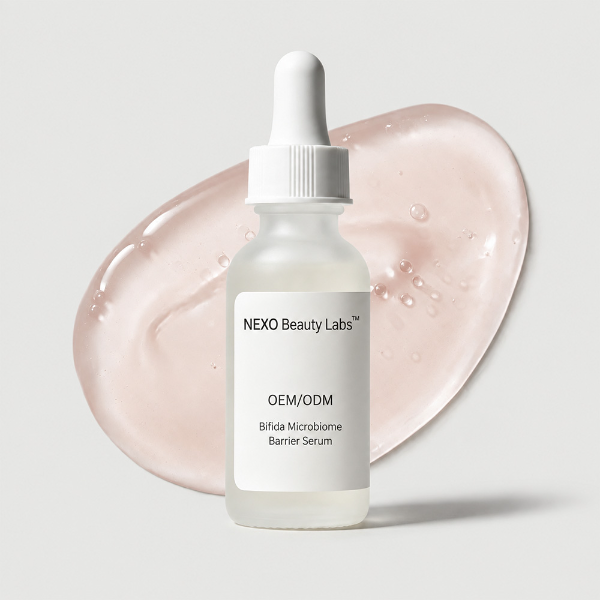
01 Product Type
Name the format first: serum, cream, cleanser, mask, face care, body care, hair care, or another personal care product. Product type changes the formulation and filling discussion.
02 Manufacturing Route
Choose a private label, custom ODM, reference-sample, or contract manufacturer starting point. Route selection changes how much product development is required before a batch can be reviewed.
03 Formula Starting Point
State whether you are selecting an existing formula, requesting a custom formulation, matching a reference sample, or bringing your own formula. These paths are not interchangeable.
04 Quantity Requirement
Give the quantity by stock-keeping unit and the launch stage it serves. A pilot order, initial market test, and reorder can need different planning even when the skincare product is the same.
05 Packaging Direction
List the container type, fill size, closure, label design, carton, decoration, and any sourced components. Packaging minimums can defeat an otherwise workable small formulation batch.
06 Market and Timing
Name the sales market and required milestone. Target-market roles and documentation inputs belong in the brief; the United States Food and Drug Administration outlines distinct MoCRA responsibilities for cosmetic products sold in the United States.1
How We Work Across Four Low-MOQ Manufacturing Routes
NEXO supports four cooperation routes from the supplied business process. Route fit depends on what already exists, what must be created, and what the beauty brand expects to control before commercial production.
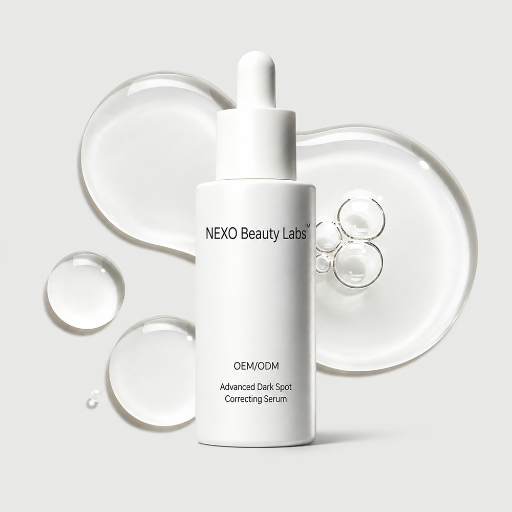
Private Label Skincare
Start from an existing product direction and customize the brand presentation, packaging selection, and agreed details. This route suits buyers who want private label products without beginning every formulation decision from a blank page.
Custom ODM Development
Begin with a product brief and ask NEXO to develop the product direction and formula. Custom ODM fits brands that need more differentiation than white label or ready private label cosmetics can provide.
Reference-Sample Development
Provide a physical reference and define what should be matched or changed in texture, appearance, scent, skin feel, or positioning. A reference guides development, but it does not automatically settle ingredients, claims, packaging, or target-market requirements.
Contract Manufacturing
Bring a buyer-owned or otherwise production-ready formula and a manufacturing brief for review. This route separates formula ownership from manufacturing execution and requires the usable production information to be clear before transfer.
| Starting point | What the buyer brings | What must be defined next | Best use |
|---|---|---|---|
| Private label | Brand, market, product category, packaging preference | Formula selection, customization boundary, label and package scope | A focused skincare line using an existing product direction |
| Custom ODM | Product concept, target user, desired features, market | Formulation brief, sample criteria, packaging, evaluation plan | Custom skincare with a new development path |
| Reference sample | Physical sample and change priorities | Match criteria, acceptable differences, ingredient and claim boundary | A defined sensory or performance direction |
| Contract manufacturing | Formula, process information, specifications, quantity need | Transfer review, sourcing, package, quality control, release scope | Production after the formula path is already established |
Skincare Product, Formula, and Packaging Scope
NEXO Beauty Labs specializes in skincare, hair care, and body care product development and manufacturing. Within a low MOQ private label skincare project, the useful scope is a connected system: the formula must suit the product concept, the package must suit the formula, and the label must suit the market and brand plan.
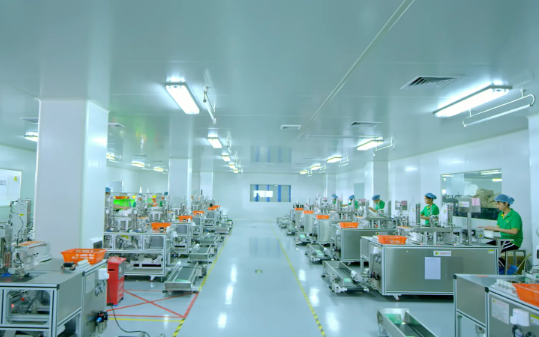
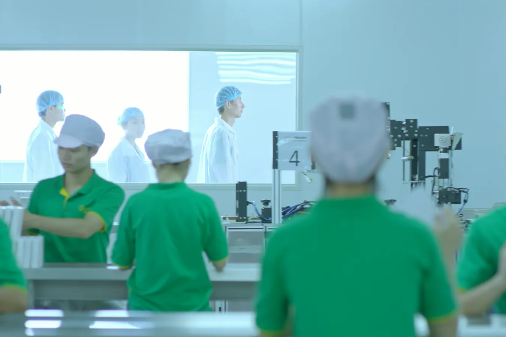
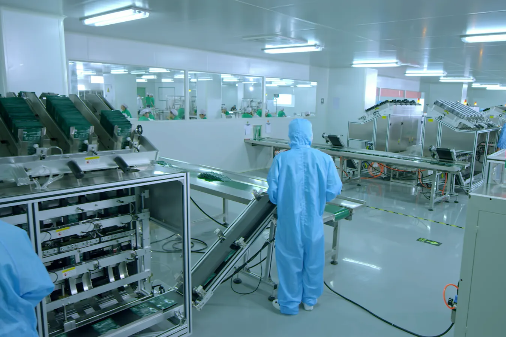
Formula and package belong in the same review
| Decision area | Input to provide | Risk if it stays vague |
|---|---|---|
| Formulation | Existing, custom, reference-led, or buyer-supplied formula | Repeated samples or the wrong development route |
| Ingredients | Required, excluded, preferred, and market-sensitive inputs | Sourcing delays or a formula that misses the brief |
| Primary package | Jar, bottle, tube, pump, dropper, closure, and fill size | Compatibility, filling, leakage, or presentation problems |
| Decoration | Label, print, color, finish, carton, and artwork status | A packaging minimum that exceeds the planned product batch |
| Claims and market | Target country, channel, intended claims, and label language | Late artwork or documentation rework |
Stability is formula-specific
A published cosmetic patent illustrates that stability can depend on a defined formulation system rather than a generic product category.2 That supports a practical boundary: “low MOQ” does not replace formula evaluation, package review, or agreed release criteria.
Start Your Cosmetic ProjectFrom Project Brief to Commercial Production
NEXO combines product development, formulation work, manufacturing coordination, and quality control in a six-stage process. Each stage closes a different information gap, which is why a precise brief can reduce delay more effectively than asking for a minimum order alone.
-
Share the beauty brand, product concept, market, preferred route, formula status, package direction, quantity requirement, and target timing.
-
Align the product type, development boundary, sample target, packaging scope, and information still needed for review.
-
Work from the agreed private label, custom formulation, reference-sample, or transferred-formula route.
-
Review the initial sample against the agreed sensory, appearance, use, and product-brief criteria.
-
Lock the accepted formula direction and packaging inputs that are needed before bulk production planning.
-
Move the confirmed project into manufacturing, quality control, packing, and the agreed handoff path.
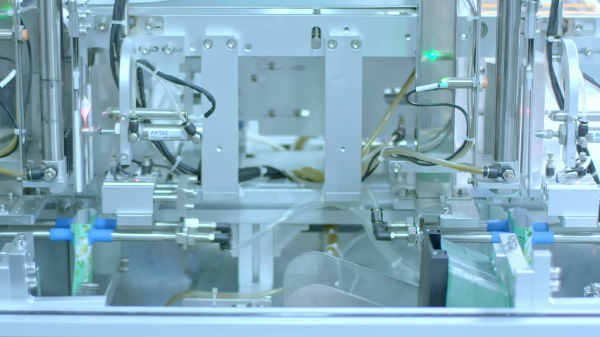
For Product Development
Keep one decision record for the formula route, sample changes, package, and target market. It prevents a new request from being treated as if it were already included in the approved sample.
Start Your Cosmetic ProjectComparable Quotation Scope
A quote is hard to compare when formula, packaging, testing, and market scope are bundled into one unexplained figure. Ask for the quotation scope to show which inputs are confirmed, which remain open, and which delivery boundary applies.
Start Your Cosmetic ProjectDevelopment & Scaling Partnership
Sample optimization and confirmation precede product testing and bulk-production preparation. Trade-press coverage describes beauty contract manufacturing as a development and scaling partnership rather than a fill-only transaction.
Start Your Cosmetic ProjectQuote Inputs and Lead-Time Dependencies
A skincare manufacturing quote follows the work that the project actually needs. Formula route, ingredients, sample revisions, package components, decoration, quantity by item, target market, documentation, and timing establish the project-specific starting quantity, cost, and schedule.
For example, a buyer planning a 30 mL serum and a 50 mL cream should list the formula route, package, artwork, quantity, and evaluation scope for each product. Two quotations are comparable only when they solve the same brief.

Quote input
Why it changes the scope
What to send
Manufacturing route
Private label manufacturing and new formulation work do not begin from the same development state.
Preferred route and what already exists
Stock-keeping units
Every product adds formula, package, artwork, and release decisions.
Product list and quantity for each item
Formula complexity
Custom formulas, special ingredients, sensory targets, and exclusions change development and sourcing.
Ingredient and performance brief
Packaging
Stock versus custom components and decoration can carry separate minimum order quantities.
Container, closure, fill size, label, carton, artwork
Evaluation scope
Sample rounds, compatibility questions, documentation, and acceptance criteria affect the work before release.
Required checks and decision owners
Target market
Actor roles, label content, and documentation needs differ by jurisdiction and channel.
Country, sales channel, label language, intended claims
Quality Assurance Inputs Before Bulk Production
Low MOQs do not remove the need for quality control. A useful question is whether the sample, formula direction, package, specifications, and release expectations have been defined well enough for the next stage.
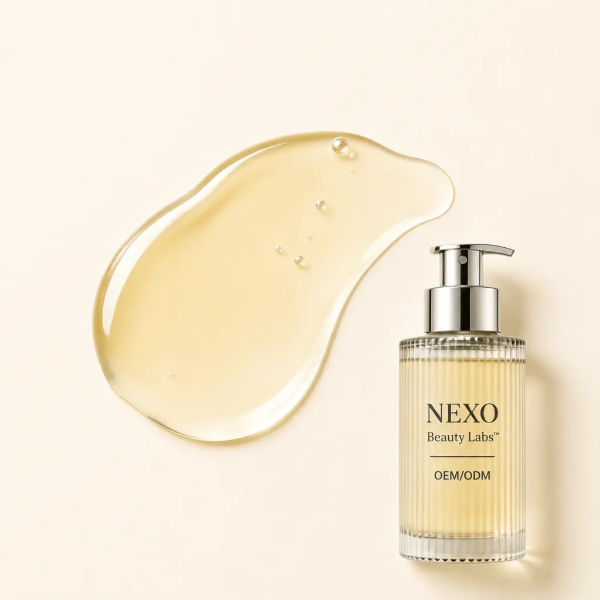
01 Sample Criteria
Record what the sample is being judged on: appearance, odor, texture, application, absorption, skin feel, fill, and any product-specific characteristic in the agreed brief.
02 Formula Confirmation
Confirm which sample or formulation becomes the production reference. A new preference after confirmation is a change request, not necessarily part of the approved batch.
03 Packaging Review
Check container, closure, dispensing, fill, label area, carton, and decoration inputs against the formula and filling route. Packaging is not only a brand-design decision.
04 Target-Market Inputs
Identify the responsible parties and evidence required for the intended market. Manufacturer selection is not a substitute for assigning the buyer’s own label, claims, listing, and market-access responsibilities.
Release questions for a small-batch project
Review Your Sample and Release Scope- Which sample or formula version is the agreed production reference?
- Which packaging components are confirmed, and which are still being sourced?
- What will be checked before the batch moves to packing or shipment?
- Which documents or label inputs are required for the target market?
- Who can approve a change, and how will the revised scope affect timing?
Get a Closer Look at NEXO Beauty Labs’ Manufacturing Experience
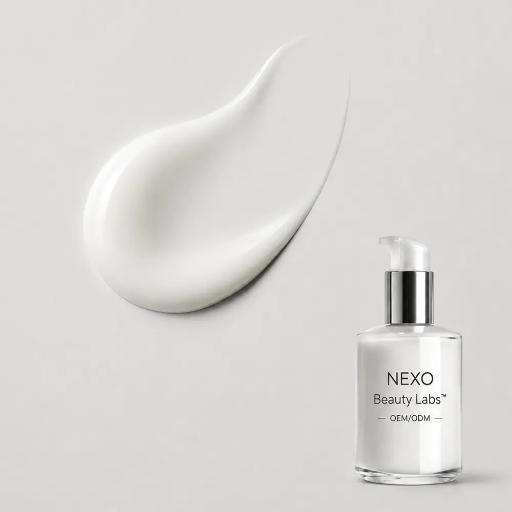
NEXO Beauty Labs is a global cosmetic OEM and ODM partner built on a manufacturing foundation dating back to 1999. More than 25 years of cosmetic manufacturing expertise supports its work across formulation development, production management, quality control, skincare solutions, hair care, and body care. This matters because the risk in a small project is losing the approved formula, packaging, or timing boundary between development and production.

| NEXO company profile | NEXO statement | Buyer relevance |
|---|---|---|
| Manufacturing foundation | Dates to 1999 | Long-term cosmetic production context |
| Manufacturing experience | More than 25 years | Product development, production management, and quality-control perspective |
| International team | Dedicated since 2020 | Support for global beauty brands, ecommerce companies, distributors, and private-label partners |
| Mature-formula sample node | About 3 working days | Applies to the mature-formula route |
| New ODM first-round sample node | About 7 working days | Starts after requirements confirmation |
| Bulk-production node | About 10 days | Starts after formula and packaging confirmation |
R&D Connection
NEXO connects product development, formulation innovation, and scalable manufacturing, supporting beauty brands from product concepts to commercial production.
Scalable Planning
Low-order projects and established brands both need a route that can be reviewed again when demand changes. Each subsequent batch should start from a clear record of what was approved.
Global Project Context
NEXO Beauty Labs’ international business team has supported global beauty brands, ecommerce companies, distributors, and private label partners since 2020. Market-specific requirements still belong in every project brief.
Get Ready Before Requesting Low-MOQ Manufacturing
Low-order manufacturing is the wrong answer when the project is still missing the inputs that make a safe and comparable decision possible. More definition does not necessarily mean a larger order; it means the manufacturer and buyer are solving the same problem.
| Incomplete situation | Why it creates risk | Next action |
|---|---|---|
| No formula route selected | Private label, custom ODM, reference development, and contract manufacturing require different work. | Choose the closest route and list what is already available. |
| Quantity is given without product count | A total number hides how many formulas, packages, labels, and batches are involved. | Break the requirement down by stock-keeping unit. |
| Custom packaging is assumed | The component or decoration minimum may be higher than the planned product batch. | Compare stock and custom package directions before locking artwork. |
| The sample target is subjective | “Premium,” “clean,” or “luxury” can mean different things to each reviewer. | Define sensory, visual, functional, and market criteria. |
| Claims are not tied to a market | A label statement can create different review needs by jurisdiction and channel. | Name the market, audience, label language, and intended claims. |
A smaller product batch can still leave excess cartons, pumps, labels, or special ingredients if those inputs are ordered on different terms. The better comparison is the complete confirmed scope and what can be reused in the next batch.
A low-MOQ project is ready to review when its formula route, package, market, quantity by item, and decision milestone describe one consistent launch plan.
For the wider service scope, explore Cosmetic Contract Manufacturing.
Low-MOQ Skincare Manufacturing Tools
Sample Timing Condition Checker
Evaluate development timelines and conditions for custom skincare samples to precisely align with your brand’s launch schedule.
Open ToolLow-MOQ Feasibility Input Grid
Input your specific project parameters to assess manufacturing feasibility and calculate preliminary MOQ requirements.
Open ToolLow-MOQ Scope Canvas
Map out your custom skincare formulations, packaging specifications, and overall production scope in a single interactive canvas.
Open ToolProvide the product type, manufacturing route, formula starting point, quantity by item, packaging direction, target market, and timing so NEXO can confirm project feasibility and any applicable starting quantity in writing. Each input can change feasibility. Send those inputs by stock-keeping unit so the discussion starts from the real formula and package scope.
Private label skin care begins from an existing product direction. A custom formulation starts with a new product brief and development path.
Buyers often use the terms loosely, so ask exactly what can be customized and who controls the formula, package, artwork, and production information. NEXO uses four routes to make the starting point explicit: private label, custom ODM, reference-sample development, and contract manufacturing.
Reference-sample development is one of the four supplied cooperation routes. Your brief should explain which characteristics should be matched, which may change, and what market or ingredient boundaries must be considered.
Mature-formula sample development is about 3 working days. New ODM first-round samples are about 7 working days after requirements are confirmed. These are separate development nodes; sourcing, evaluation, testing, regulatory work, revision rounds, packaging, transit, and market launch require their own project schedule.
Bulk production is about 10 days after formula and packaging confirmation. Other project stages are scoped separately.
Yes. Component and decoration constraints may set the starting quantity.
Send the product type, route preference, formula status, package direction, target market, quantity by item, and required milestone. Indie founders and spa buyers can use the Low-MOQ Scope Canvas to organize those inputs before requesting a review. Add any fixed ingredient, claim, artwork, or launch-date boundary that could change development.
No. RainShadow Labs, Pravada, Vitelle Labs, and Trilogy Laboratories publish terms for their own operations, not NEXO.
A private label cosmetic starts closer to a selected product, while a custom formula requires a new formulation brief and sample path. Ask what customization is included, what remains fixed, and what the written quotation covers.