Get in touch with NEXO Beauty Labs Company
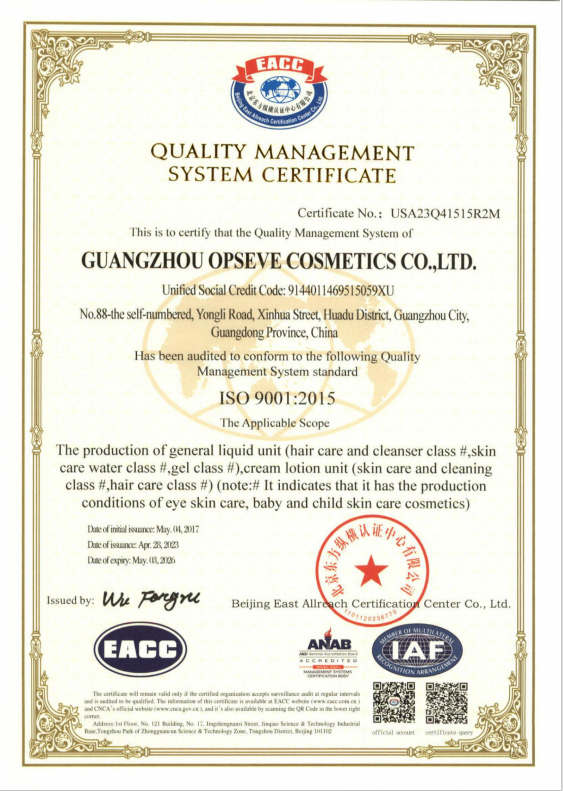
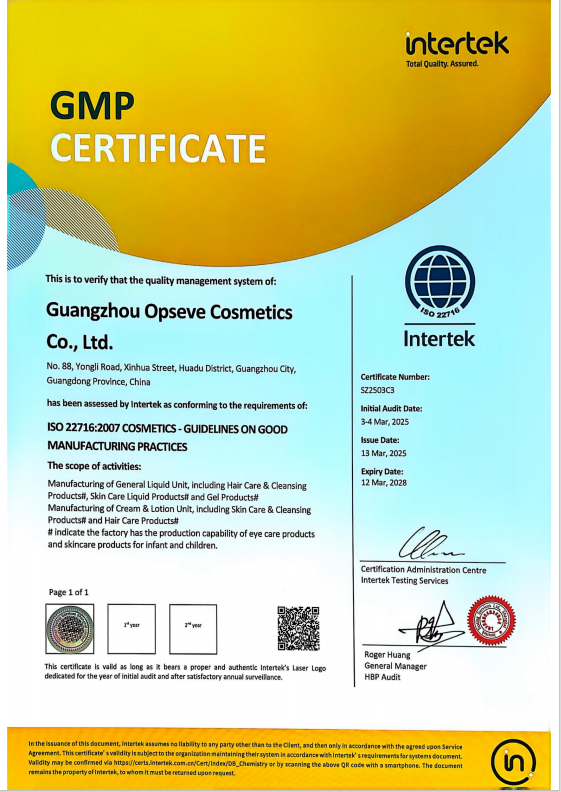
ISO Certified Manufacturer
Private Label Body Care Products
Private Label Body Care Products by NEXO Beauty Labs
Private label body care products work best as a coherent range, not a disconnected list of stock formulas. NEXO Beauty Labs supports private label body lotion, creams, body washes, scrubs, oils, and hand and foot care through formulation, sample evaluation, packaging qualification, production management, and scalable manufacturing.
Portfolio first
Start with one lead SKU, then define its shared sensory, pack, claims, and expansion logic. This gives founders, product teams, sourcing managers, e-commerce brands, and distributors a clearer commercial path.
Private Label Body Care at a Glance
This page is a category-level manufacturing guide for brands comparing body care manufacturers. It defines the formulas, decisions, handoffs, and commercial checkpoints in a body-care program.
Discuss Your Body-Care Project
3 days
Sample development
Sample development is completed in 3 days after the brief is confirmed.
5–7 days
International sample delivery
International sample delivery takes 5–7 days after sample development.
10,000 units
Starting MOQ
MOQ starts from 10,000 units. Final allocation follows the SKU, formula, fill, and packaging plan.
Within 15 days
Commercial production
Commercial production is completed within 15 days after formula approval and packaging qualification.
5,000+
Formula resources
NEXO’s development foundation includes 5,000+ formula resources across its cosmetic scope.
56
Production lines
NEXO’s manufacturing platform includes 56 production lines for scalable manufacturing across skincare, hair care, and body care.
Timeline boundary
Strategic Manufacturing Stages
These milestones describe separate manufacturing stages, not an all-in launch promise. Brief confirmation starts sample development; sample completion starts international sample delivery; formula approval and packaging qualification start the stated commercial-production window. Safety substantiation, claims review, market notification or listing, artwork approval, and transit can sit on separate paths.
Private Label Body Care Product Platforms
A broad SKU list does not tell a founder which item should lead the portfolio or when to add the next one. NEXO Beauty Labs uses these product families as starting points for body care product development and formulation innovation.
Leave-on anchor
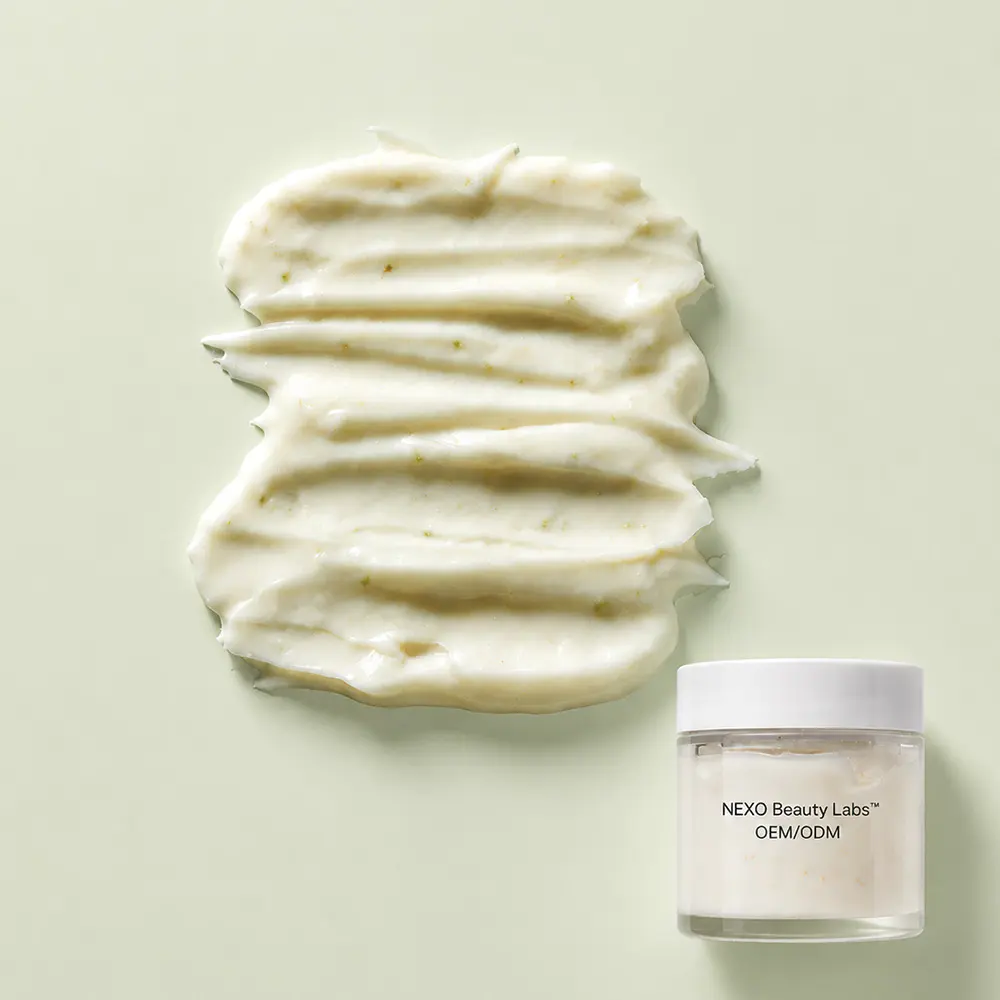
Private Label Body Lotion
A body lotion can serve as the daily-use moisturizer and lead SKU for a new range. Define spread, absorption speed, slip, tack, after-feel, fragrance direction, fill size, and dispensing format before sample evaluation. A lighter lotion and a richer cream should have different sensory targets even when they share a brand story.
Rich leave-on
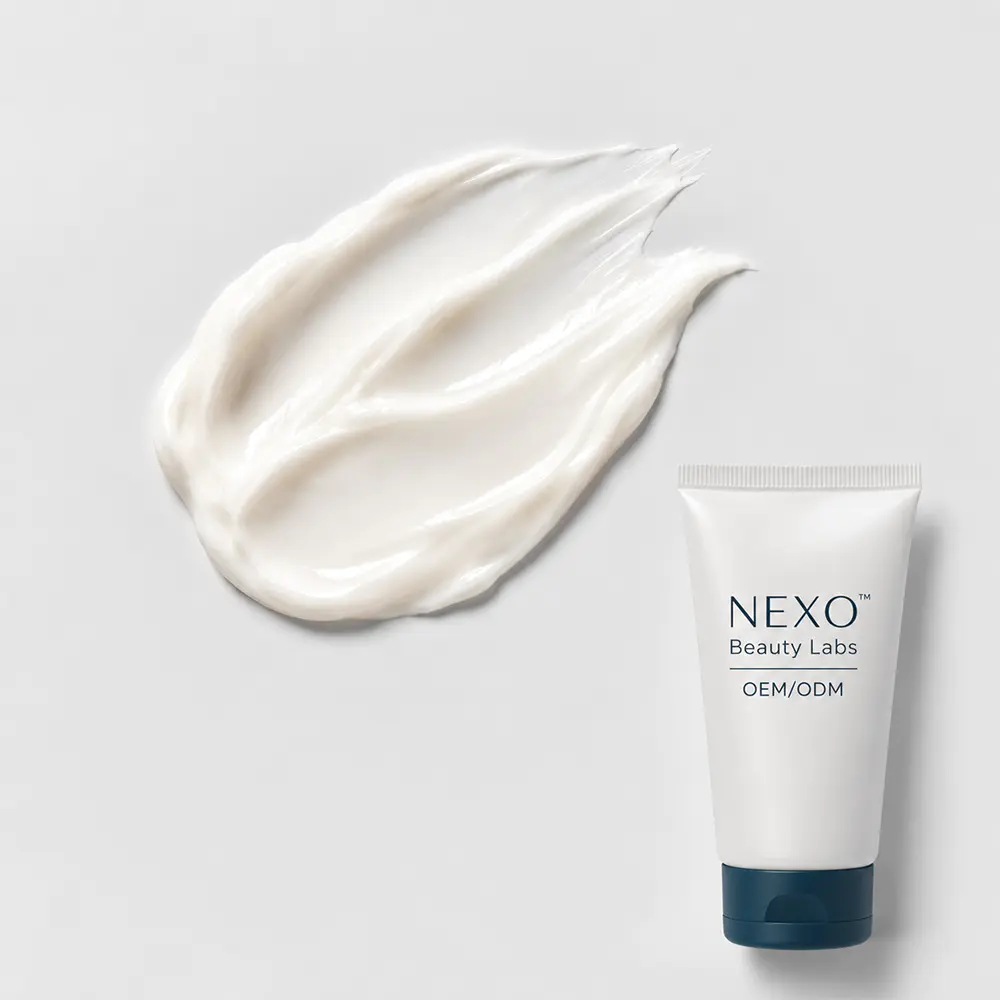
Private Label Body Cream and Body Butter
Cream and butter routes suit a more substantial application experience. Your brief should distinguish cushion, payoff, occlusiveness, rub-in time, residual feel, jar or pump preference, and temperature expectations. “Rich” is not an acceptance criterion until the team describes what it should feel like on skin.
Rinse-off anchor
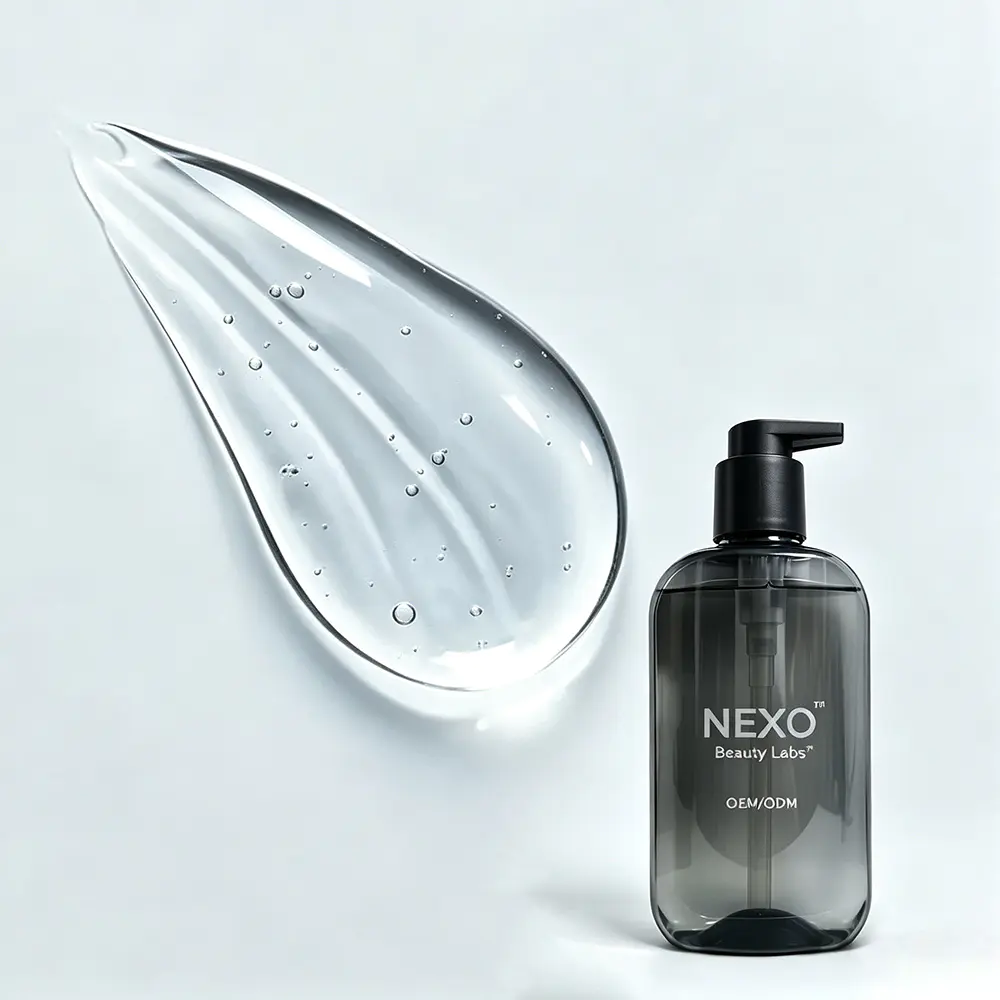
Private Label Body Wash
A body wash cleanser connects cleansing experience with viscosity, foam character, fragrance release, rinse feel, color, and closure choice. A family can use the wash as its first rinse-off entry, then extend the same scent and visual system into compatible leave-on products without assuming the formulas are interchangeable.
Rinse-off treatment
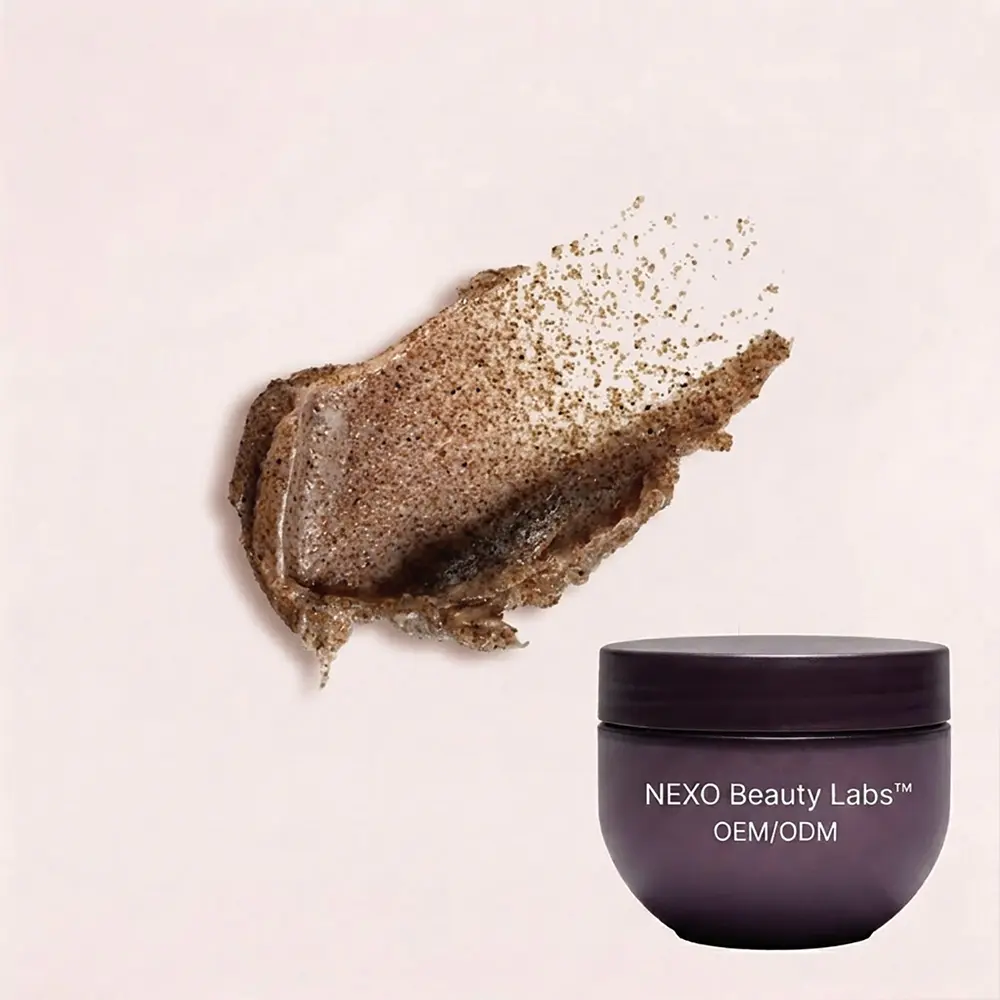
Private Label Body Scrub
A scrub brief needs exfoliant type, particle feel, distribution, suspension behavior, rinse profile, target use area, and pack access. Its package must allow the intended texture to dispense or be scooped consistently. Scrub claims and use directions also need to match the actual application pattern.
Anhydrous option
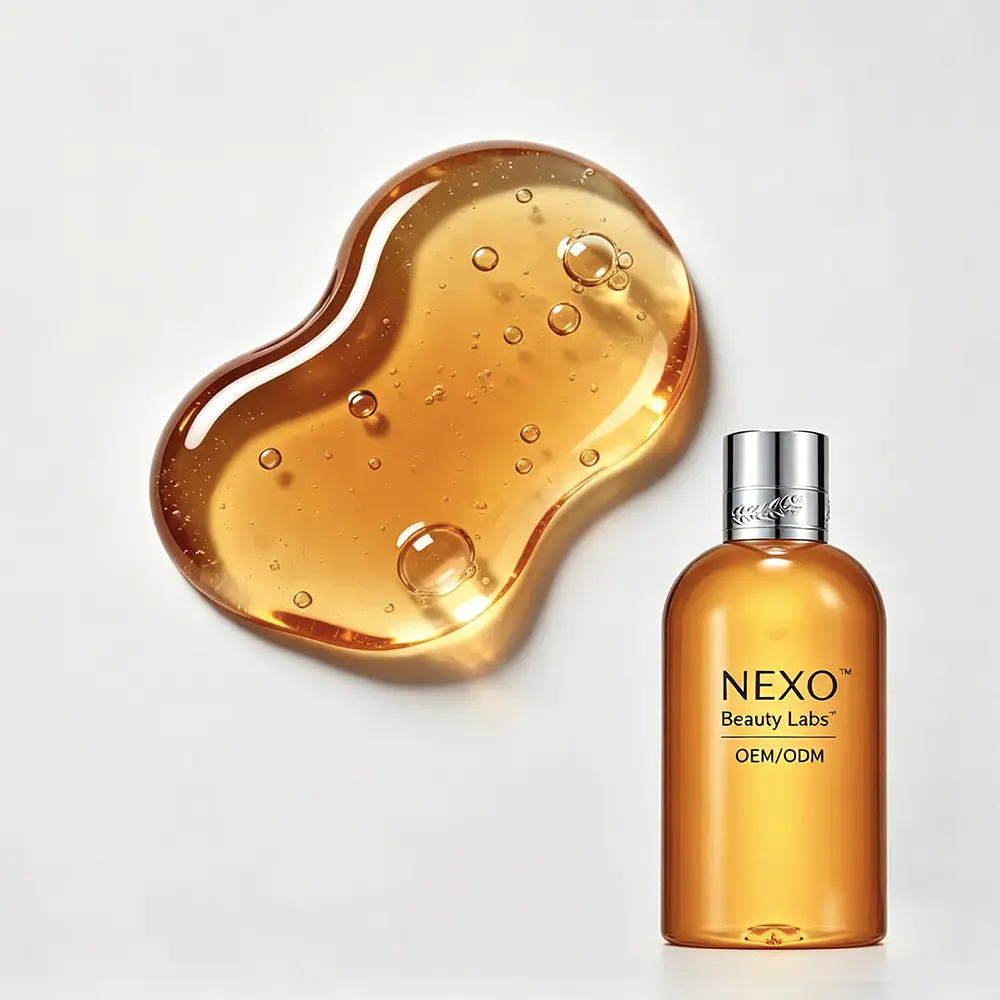
Body Oil
Body oil can create a distinct sensory and merchandising route. Define glide, absorption, residue, clarity, color, fragrance, applicator, leakage controls, and whether the product is used alone or layered. An oil may share a scent story with a lotion while requiring a different pack and evaluation plan.
Targeted care
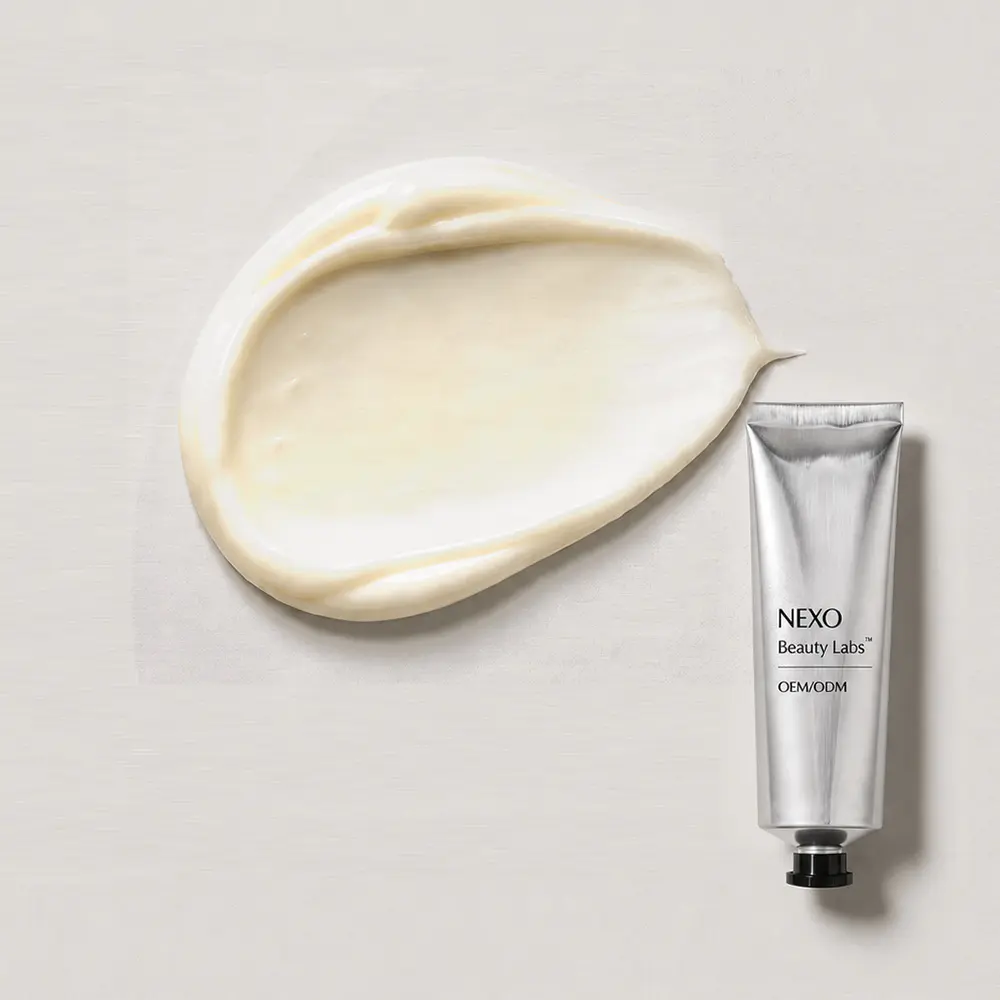
Hand and Foot Cream
Hand and foot care can extend the range around higher-frequency or targeted use occasions. Specify richness, rub-in, grip after application, fragrance level, pack portability, and the exact cosmetic benefit language. Avoid turning a concentrated texture into an unsupported therapeutic promise.
Use the Body-Care Portfolio Ladder
NEXO’s Body-Care Portfolio Ladder shows how one lead formula can grow into a managed assortment. It tracks the lead formula, portfolio role, rinse-off or leave-on format, sensory system, packaging family, claims and market scope, technical and regulatory support needs, adjacent formulas, and the trigger for entering broader markets. It keeps assortment growth tied to product logic rather than the other way around.
Formulation Routes and Texture Design
Private label can describe several levels of development. Route choice depends on how much differentiation the brand needs, what evidence and packaging inputs already exist, and how many variables the team can approve without delaying the project. Nexo supports body care product development and formulation innovation through a brief-led process rather than treating every request as the same type of customization.
| Route | Best Fit | Decisions the Brand Still Owns | Watch Point |
|---|---|---|---|
| Established formula route | A team prioritizing a clear starting point and a defined sensory adjustment list | Product role, target market, fragrance, color, pack, artwork, claim wording, quantity, and acceptance criteria | A faster starting formula does not remove finished-product, packaging, claims, or market work. |
| Formula matching route | A buyer with a reference product and a written comparison target | Which attributes must be close, which may differ, and how samples will be compared | A reference is not a specification. Ingredient, pack, and legal constraints can change the feasible result. |
| Custom formulation route | A beauty brand seeking a defined texture, use experience, ingredient direction, or portfolio position | Priority attributes, exclusions, proposed claims, evidence owner, target cost logic, and approval authority | More variables create more decision points; lock the brief before evaluating the sample. |
| Co-development route | A product team that will make iterative choices with Nexo’s R&D team | Decision rights, feedback format, change log, testing questions, pack availability, and version approval | Uncontrolled feedback can mix formula versions and reopen earlier work. |
Write a Sensory Target
Replace “premium lotion” with an observable direction: quick or extended rub-in, light or cushioned body, high or low slip, dry or emollient after-feel, visible or no residue, scented or fragrance-free direction, and the application context. This gives the chemist and buyer the same evaluation language.
Control the Version
Every sample round should carry a version, date, formula route, pack assumption, and written decision. If the fragrance, raw material, supplier, process, or packaging component changes, record which compatibility, evaluation, safety, claim, or market questions must reopen.
Fragrance, Skin Feel and Packaging Routes
Formula and primary package form one commercial configuration. Fragrance changes the use experience; viscosity and particle load affect dispensing; an oil, scrub, wash, and lotion place different demands on closures and filling. If packaging direction arrives late, formula-to-pack compatibility work can repeat.
| Decision | Inputs to define | What the team evaluates | Common downstream effect |
|---|---|---|---|
| Fragrance direction | Scent family, strength, fragrance-free direction, target market, and intended use | Odor profile in the formula, user experience, documentation needs, and claim wording | A late fragrance change can reopen formula and evaluation work. |
| Skin feel | Spread, glide, cushion, absorption, tack, residue, and after-feel | Whether the sample meets the written sensory profile under the planned use | Unclear adjectives produce conflicting sample feedback. |
| Viscosity and flow | Fluid, lotion, cream, butter, oil, gel, or particle-containing system | Dispensing, filling, appearance, and package interaction | An attractive pack may not suit the formula’s flow or access needs. |
| Primary pack | Bottle, pump, tube, jar, closure, applicator, material, and component sample | Formula-pack fit against the agreed qualification scope | Changing components after approval can invalidate the evaluated configuration. |
| Decoration and artwork | Print area, label format, color, finish, required information, and version owner | Fit with the component and the controlled label file | Artwork release before claim and role decisions can create rework. |
| Range cohesion | Shared scent, color, naming, use sequence, pack family, and channel role | Whether each SKU is recognizably related without becoming redundant | A flat range can duplicate demand instead of expanding it. |
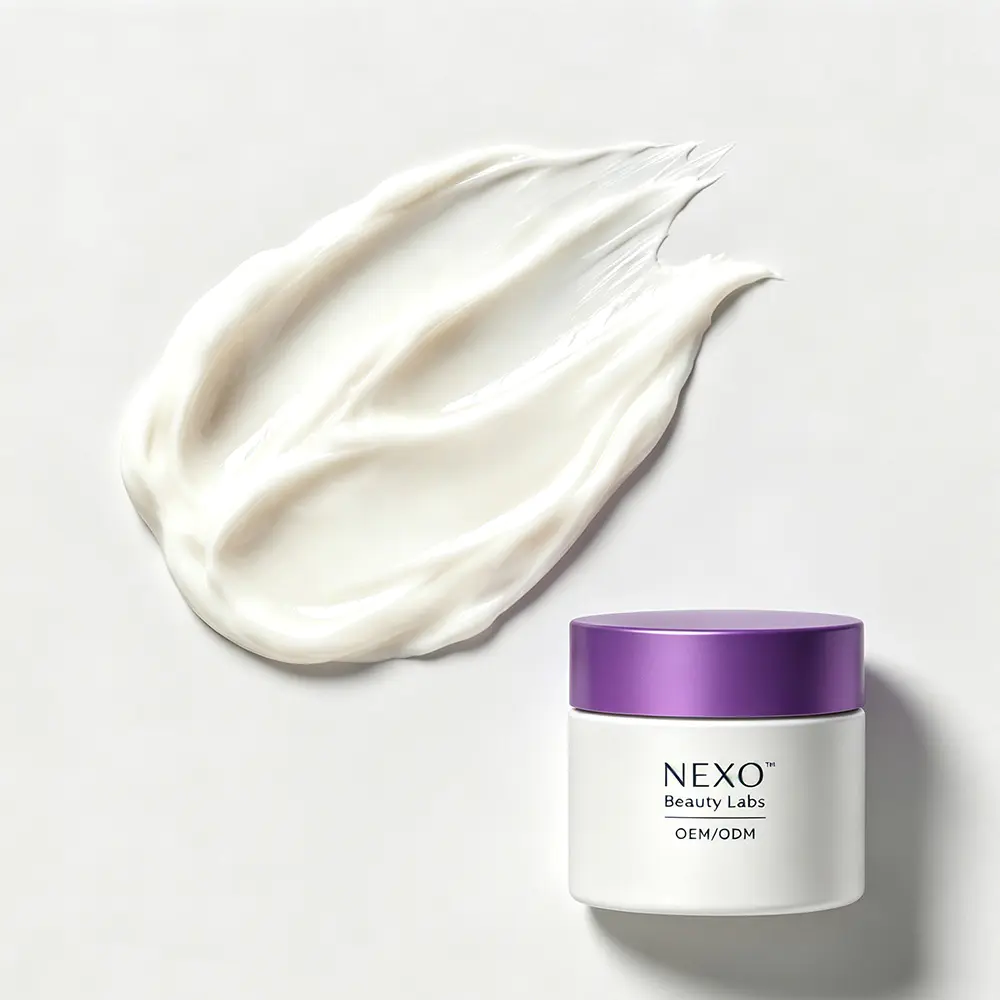
NEXO LABS
Project Specifications and Commercial Checkpoints
A usable project specification does more than describe the finished product. It states what starts each stage, what is being approved, which version the approval covers, and what remains outside that approval. This table separates NEXO’s confirmed manufacturing facts from the buyer inputs needed to apply them.
| Checkpoint | Confirmed scope | Input or boundary |
|---|---|---|
| Manufacturing foundation | Manufacturing foundation dates back to 1999. | This describes manufacturing experience, not a legal incorporation date. |
| International support | The international business team has supported global projects since 2020. | Define destination market, sales channel, and working language in the brief. |
| Formula resources | 5,000+ formula resources support NEXO’s wider cosmetic development scope. | A resource becomes a project route only after brief, fit, and customization review. |
| Production platform | 56 production lines support scalable manufacturing. | Line allocation is not promised until formula, pack, quantity, and schedule are confirmed. |
| Sample development | Sample development is completed in 3 days after the brief is confirmed. | That clock begins after the brief, route, and required inputs are confirmed. |
| International sample delivery | International sample delivery takes 5–7 days after sample development. | Delivery is a separate stage from development and does not equal sample approval. |
| Starting MOQ | MOQ starts from 10,000 units. | Confirm allocation by SKU, fill, formula, component, decoration, and project configuration. |
| Commercial production | Commercial production is completed within 15 days after formula approval and packaging qualification. | This window is not a total launch timeline and excludes unresolved market, artwork, or transit work. |
What moves the quotation
- Established, matching, custom, or co-development formula route
- Number of SKUs, fill sizes, and production allocation
- Ingredient, fragrance, color, and sensory requirements
- Testing and documentation scope requested for the configuration
- Primary packaging, decoration, component readiness, and sourcing inputs
- Target market, intended claims, and unresolved responsibility questions
What reduces rework
- One approved product brief with named decision owners
- A lead SKU selected before adjacent products are added
- Written sample criteria rather than informal preference notes
- Primary-pack samples available for the agreed qualification work
- One version-controlled record for formula, pack, artwork, and claims
- A change log that reopens affected decisions after any material change
Formula, Packaging, Safety and Market Readiness
A formula can look acceptable in a lab brief yet still need scale-up, preservation, packaging, and documentation decisions. Formula approval, packaging qualification, finished-product safety substantiation, claims support, and market action are connected but separate gates. Your project record should name the configuration, evidence, owner, and open questions at each gate.
Gate
What it answers
What it does not prove
Owner to name
Formula approval
A reviewed formula version meets the agreed sample criteria.
It does not automatically approve a different fragrance, supplier, process, pack, claim, or market.
Brand product lead and NEXO development contact
Packaging qualification
Its intended formula and pack have completed the agreed compatibility or qualification scope.
It does not establish every safety, label, transport, or legal requirement.
Packaging decision owner and relevant project specialists
Safety substantiation
A responsible party has adequate evidence supporting safety under labeled or customary use.
In the United States, ordinary cosmetics are not granted FDA premarket approval, and FDA does not prescribe one universal test list for every cosmetic.
The legally responsible party and qualified safety experts
Claims classification and support
Proposed wording matches the product’s intended cosmetic use and available substantiation.
A formulation ingredient or manufacturing milestone does not by itself support a consumer claim.
Brand claims owner with qualified regulatory or legal review
Market notification or listing
Required product information has been submitted through the applicable route before or during market placement as required.
A facility action and a product action are not the same obligation.
The designated market-side party
Commercial release
The approved formula, pack, specification, artwork, quantity, and release inputs point to the same version.
It cannot close a responsibility gap that remains unnamed.
Brand release owner and NEXO production contact
United States
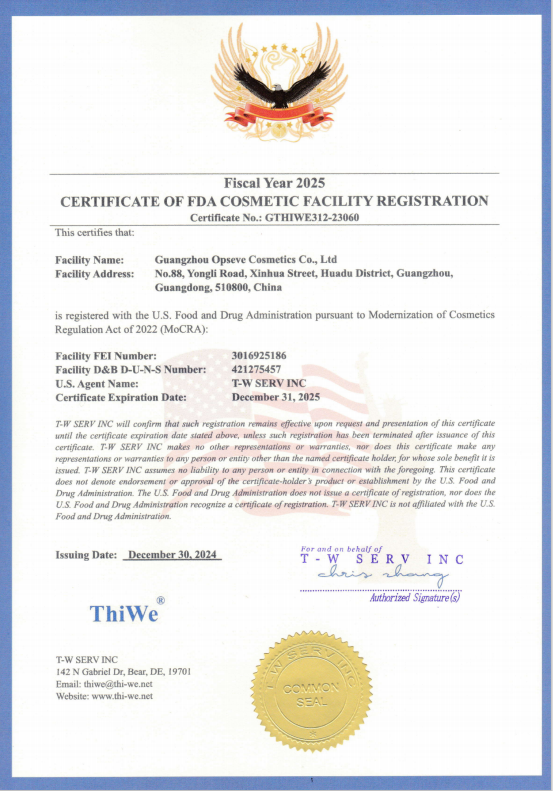
FDA states that the manufacturer or distributor is legally responsible for the safety of a marketed cosmetic. Under the current framework, facility registration, product listing, safety substantiation, labeling, adverse-event responsibilities, and records need to be assigned to the applicable parties. Intended use also matters because disease or structure/function claims can change product classification.
European Union
Regulation (EC) No 1223/2009 requires an EU Responsible Person and a safety assessment and Cosmetic Product Safety Report before market placement. Its Product Information File and CPNP notification are part of the market route. Formula composition, stability, microbiological quality, and relevant packaging characteristics are among the safety-report inputs.
Great Britain
Official guidance explains that a distributor using its own brand may become the Responsible Person, while another party can hold the role when the legal designation conditions are met. Practical project planning assigns that role from the actual market arrangement rather than assuming every brand buyer or manufacturer holds it automatically.
×
![Enlarged View]()
Nexo Body Care Manufacturing Foundation
NEXO Beauty Labs is a global cosmetic OEM and ODM partner specializing in skincare, hair care, and body care. NEXO supports body care product development and formulation innovation with professional R&D capabilities, production management, quality control, global market input, product scaling, and scalable manufacturing.
Manufacturing Experience
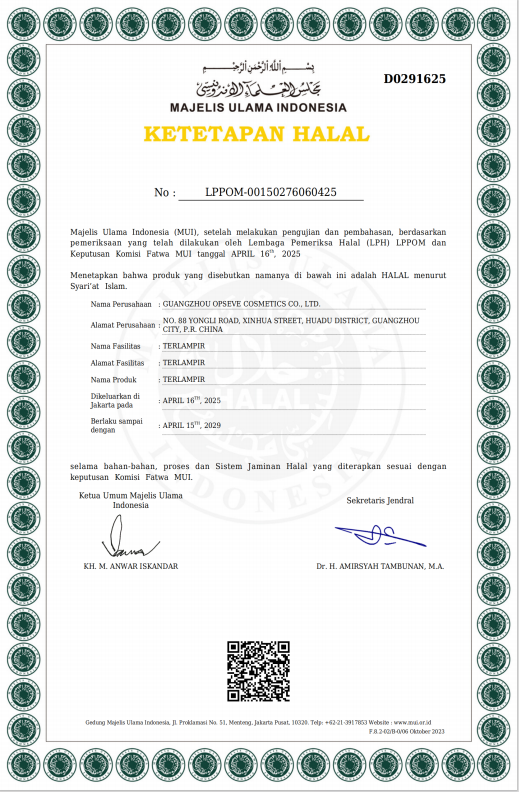
NEXO’s manufacturing foundation dates back to 1999, with more than 25 years of cosmetic manufacturing expertise. That history is presented as a manufacturing foundation, not as an unsupported incorporation-date or certification claim.
Development Resources
We draw on 5,000+ formula resources across the broader cosmetic scope. For this page, the relevant capability is applying that development base to lotions, creams and butters, washes, scrubs, oils, and hand and foot care under one controlled body-care brief.
Production Scale
We operate with a manufacturing platform that includes 56 production lines. Capacity becomes useful to a buyer only after formula, packaging, quantity, quality, and timing inputs are aligned, so allocation is confirmed through the project process.
International Project Support
Since 2020, our international business team has supported global beauty brands, e-commerce companies, distributors, and private-label partners across markets. Target-market roles and legal duties still need to be assigned for each launch.
R&D and Formulation
We support formulation route selection, texture and sensory direction, sample development, and structured evaluation. We keep the brief, sample feedback, and commercial configuration connected so an approved decision refers to the correct product version.
Production Management and Quality Control
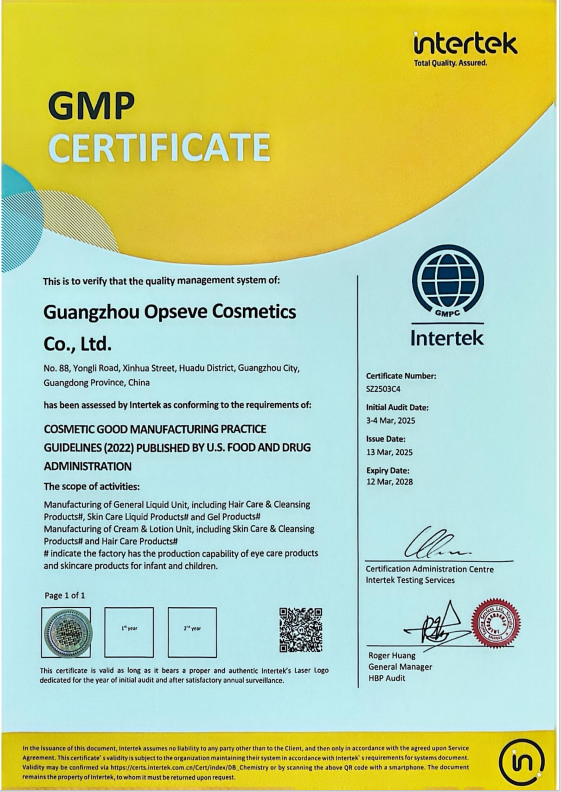
We connect approved development inputs to production management and quality control. Your project file should state acceptance criteria, formula and packaging versions, release inputs, and change decisions; no unverified certification or shipment-document promise is added to that scope. Manufacturing capability does not replace the market-side safety and responsibility duties described by the applicable authority.
Private Label Body Care Planning Tools
Body-Care Portfolio Ladder
Choose a lead product, the role of the next SKU, and the range’s shared sensory anchor. The tool produces a three-rung planning route; it does not approve a formula, package, MOQ allocation, or market claim.
Category Expansion Sequencer
Model how concentrated or fragmented a proposed launch could become against NEXO’s disclosed starting MOQ of 10,000 units. The unit split is an illustration for planning conversations, not confirmation that separate formulas, variants, or packaging components share one MOQ.
Body-Care Range Cohesion Audit
Compare two proposed SKUs across portfolio role, use route, fragrance system, packaging family, and claim territory. The score is a transparent planning heuristic: useful for exposing duplication and dependencies, not a formula, safety, sales, or regulatory prediction.
For a more detailed buyer checklist, read our private label body care guide.
Private Label Body Care FAQs
What should I look for when comparing body care manufacturers?
Compare the manufacturer’s real category scope, formulation routes, sample process, packaging handoff, MOQ, start conditions for lead times, change control, quality records, and ability to state what remains the brand’s or market-side party’s responsibility. Ask every candidate to answer the same brief. Do not let a long product list, a vague “turnkey” label, or unsupported certification badges replace a version-controlled development and production process.
What is the difference between private label and custom formulation?
Private label is the commercial model; it does not define one fixed amount of formulation work. A project may begin with an established formula, formula matching, custom formulation, or co-development. The right choice depends on differentiation, time, decision capacity, target market, packaging, claims, evidence needs, and the degree of change the brand can approve.
Which private label body care products can NEXO develop?
NEXO’s relevant body-care scope includes body lotion, body cream and body butter, body wash, body scrub, body oil, and hand and foot cream. The exact formula, fragrance, texture, pack, claims, and market configuration are confirmed through the brief rather than assumed from the category name.
Can NEXO make a private label body lotion for my brand?
Buyers also search for private label lotions, body lotion private label services, and private label body lotion manufacturers. NEXO supports that product route when the brief defines role, texture, absorption, slip, tack, after-feel, fragrance, fill, pack, market, claims, and sample criteria. MOQ starts from 10,000 units, subject to the final project configuration.
Can fragrance, texture, color, and packaging be customized?
These can be project inputs, but each change needs to be evaluated within the formula and commercial configuration. Fragrance, viscosity, particles, color, closure, and component material can affect development, filling, packaging qualification, documentation, or claims. Record the exact version and reopen affected checks when an input changes.
How fast can I receive a body-care sample?
Sample development is completed in 3 days after the brief is confirmed. International sample delivery then takes 5–7 days after sample development. These are two separate milestones; shipping time is not part of the 3-day laboratory development window, and receipt does not equal sample approval.
What is the minimum order quantity?
MOQ starts from 10,000 units. Final planning should state the quantity by SKU, formula, fragrance, fill, packaging component, and decoration route. A single lead product and a multi-SKU range can have very different inventory exposure even when the total unit count looks similar.
Can NEXO support a 500-unit custom body lotion launch?
The disclosed custom-project MOQ starts from 10,000 units, so a 500-unit launch does not fit that starting boundary. A better next step is to reduce SKU count, concentrate demand, stage the range, validate the concept through a different model, or use a manufacturer designed for that batch size. The page does not relabel 10,000 units as a low minimum.
How long does commercial production take?
Commercial production is completed within 15 days after formula approval and packaging qualification. That statement is a manufacturing-stage commitment, not a total launch timeline. Formula revisions, packaging sourcing, artwork, safety substantiation, claims review, market notification or listing, transit, and launch execution may require separate time.
Does an approved sample mean the product is ready for sale?
No. Sample approval confirms the agreed sample decision for a named version. It does not automatically establish finished-product safety substantiation, claim support, final packaging qualification, required labeling, product listing or notification, or market release. Assign those gates and owners before commercial sign-off.
Does FDA approve private label body care products before sale?
FDA states that ordinary cosmetics and their ingredients are not subject to FDA premarket approval, except applicable color additives. FDA also does not prescribe one universal test list for every cosmetic. The manufacturer or distributor remains responsible for ensuring the marketed product is safe under labeled or customary use, and applicable MoCRA duties still need to be addressed.[4]
Who is the Responsible Person for a private label cosmetic?
The answer depends on the market and commercial arrangement. The United States uses a defined label-side concept, the European Union requires an EU-established Responsible Person, and Great Britain has its own role rules. Do not assume the buyer or NEXO automatically holds every responsibility; name the correct party in writing.
What should I send before sample development starts?
Send the product family, lead SKU, intended user and use, target market and channel, formulation route, texture and sensory target, fragrance and color direction, ingredient inclusions or exclusions, primary-pack direction, fill, quantity, intended claims, reference product if relevant, sample acceptance criteria, and the people authorized to approve each decision.
How do I keep several body-care SKUs coherent?
Give every SKU a clear portfolio role and identify what it shares with the lead product: scent, texture language, color system, use sequence, pack family, claim territory, or channel purpose. Then record what must remain different. Use the Body-Care Portfolio Ladder and Range Cohesion Audit before adding another formula or package.