Get in touch with NEXO Beauty Labs Company
NEXO LABS
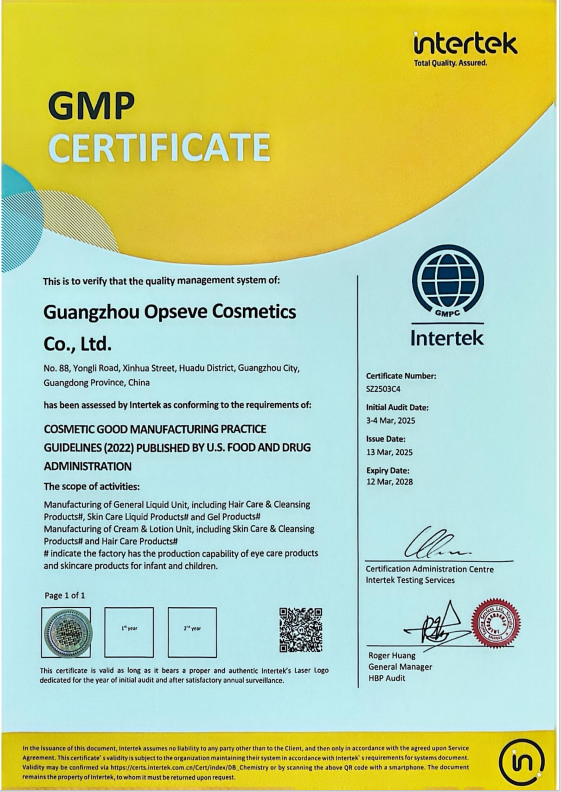
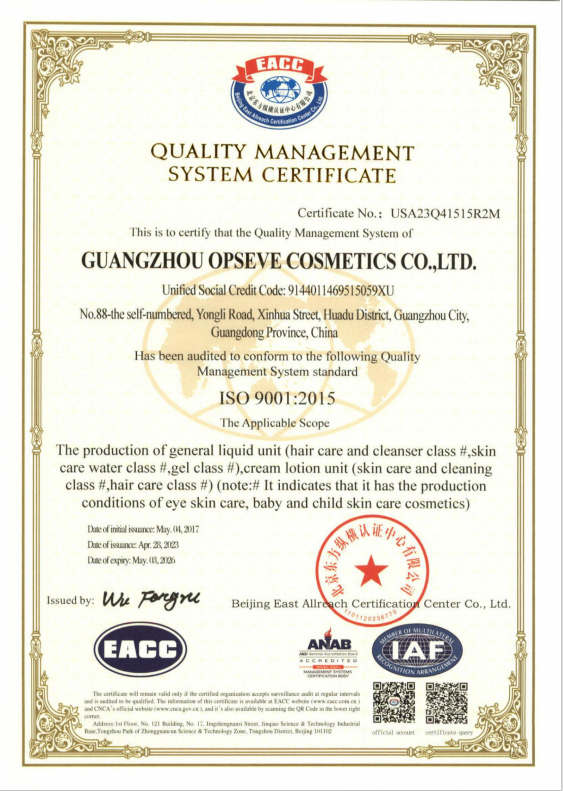
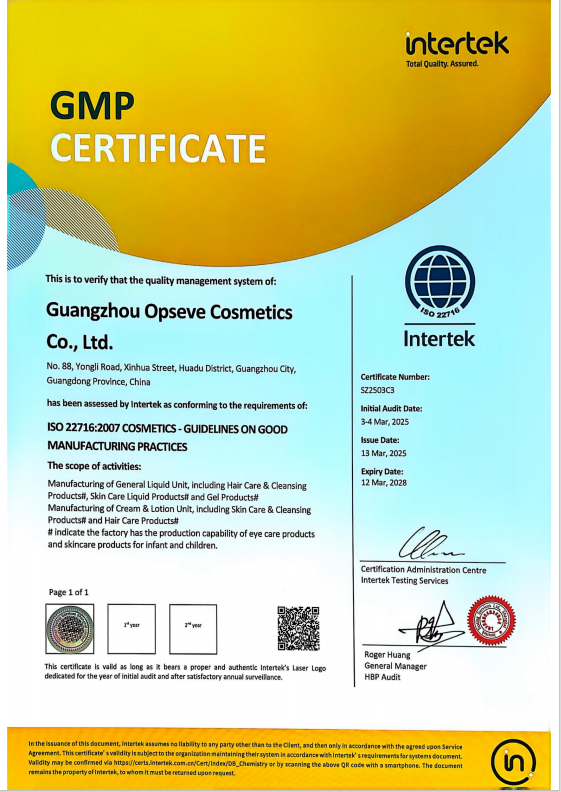
ISO Certified
Private Label Hand & Foot Care
Private Label Hand & Foot Care Manufacturing
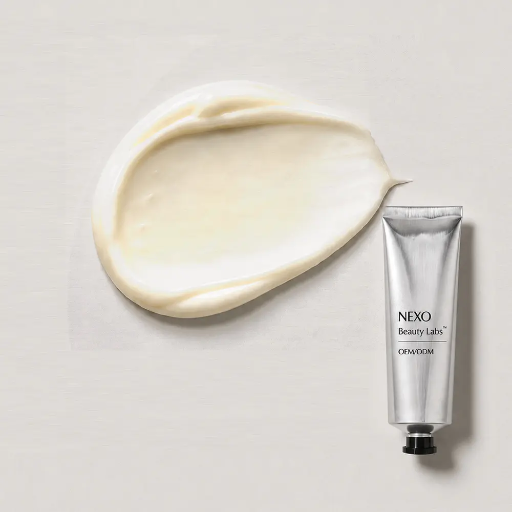
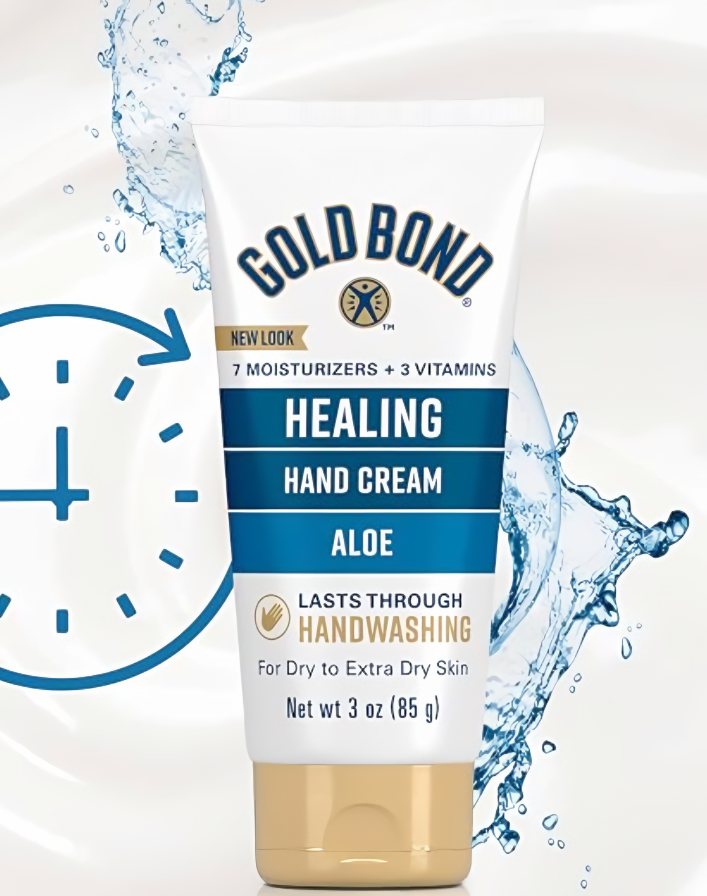
Private label hand and foot cream projects work better when the range, formula route, package and acceptance criteria are decided together. NEXO develops hand creams, foot creams, glove masks, sock masks and repair sticks for beauty brands, ecommerce teams, distributors and private label partners.
- Prototype development in 3 days after brief confirmation
- International sample delivery in 5–7 days after prototype development
- Commercial production within 15 days after formula approval and packaging qualification
- Starting MOQ: 10,000 units
FORMULA ACTIVE
3-day prototype development
The clock starts after the project brief is confirmed.
5–7-day international sample delivery
This is a separate delivery window after prototype development.
Within 15 days for commercial production
This clock starts only after formula approval and packaging qualification.
10,000-unit starting MOQ
SKU, formula and component allocation is confirmed in the quotation.
Hand and Foot Care Product Platforms
A private label hand cream does a different job in a range from a glove mask or repair stick. Our team helps buyers comparing a hand cream manufacturer or private label foot care partner define the lead SKU, supporting formats and shared range cues. We support hand masks, hand creams, foot masks, foot creams, and repair sticks so a product line for hands and feet can mix repeat-use, ritual and portable formats.
Private Label Hand Cream
Our team develops hand creams for daily-care, portable and ritual-led ranges. A useful brief defines spread, absorption, after-feel, fragrance direction and whether a tube or jar better fits the brand experience. Hand cream can anchor a range that leaves room for mask or stick extensions.
Private Label Foot Cream
Projects begin with the foot cream use setting, texture weight, residue target and pack direction stated up front. Cosmetic positioning stays separate from treatment or disease claims.4 Foot cream can pair with a sock mask when the range needs both repeat-use and focused ritual formats.
Hand Mask Manufacturing
As a private label hand mask manufacturer, we connect the essence direction with glove fit, loading, seal integrity and handling. Those decisions belong in one sample plan rather than separate supplier handoffs. Glove masks can add a higher-engagement format without forcing the entire line into a heavy cream texture.
Foot Mask Manufacturing
We develop sock-mask projects around essence load, fit, pack seal, handling and the intended cosmetic experience. A written brief also records the wear-time direction that the brand plans to communicate. Mask and foot cream can share fragrance, visual identity and a clear cosmetic claim boundary without using identical textures.
Repair Stick Formats
We support a repair stick or balm stick direction for portable cosmetic application. Glide, pay-off, twist mechanism, heat exposure and cosmetic claim direction need to be reviewed together. Repair sticks can become a targeted extension when portability matters more than a jar-led ritual.
Range Architecture
We can discuss all five formats within one hand-and-foot-care project or range refresh. Formulas, components and order quantities still need written review before a proposed split is feasible. That creates a range plan built around buyer use, not unrelated catalogue items.
Decision point: choose one lead format and no more than two extension formats for the first feasibility review. This keeps formula, component and inventory questions visible before artwork or launch dates are locked.
Unlike a loose product catalogue, this range architecture keeps one product experience at the center. Here, the differentiator is deliberate: fewer opening assumptions create a clearer feasibility review.
What The First Brief Resolves
Different manufacturers use different MOQ, lead-time and quality rules, so the brief separates each NEXO working point.
Brand owners worry that a private label range will look generic, so the range architect records one shared cue and a clear differentiation direction.
Packaging has its own component, artwork and order constraints, so the pack decision is reviewed alongside the formula.
Formula Development Routes
Route selection depends on how much differentiation the launch needs and which inputs are already fixed. Available options cover formula adaptation, ingredient optimization and custom formula development. Each custom formulation and customization request is recorded before prototype work starts.
Formula adaptation
Use this route when the product concept is clear and an existing formula direction is close to the desired sensory and positioning target. NEXO adapts approved inputs such as texture, fragrance and package direction within the project scope. This route still needs a defined sample standard because “close to the reference” is not precise enough for acceptance.
Ingredient optimization
Use this route when the brand wants to adjust an ingredient direction, sensory balance or market fit without rebuilding the concept from zero. Preferences and exclusions are translated into a formulation brief for review. Ingredient list, intended use and claim direction must remain aligned as changes are evaluated.
Custom formula development
Use this route when the product needs a distinct texture, format behavior or range story that an adaptation cannot deliver. Development follows a written target instead of treating “custom” as an open-ended promise. More unknowns mean more decisions must be settled before commercial timing can be confirmed.
Inputs that make a formula brief reviewable
| Input | Useful detail | Decision it supports |
|---|---|---|
| Target market | Country or region for the first launch | Label, claims and responsibility planning |
| Lead format | Cream, glove mask, sock mask or stick | Formula behavior and component route |
| Sensory target | Spread, cushion, absorption, residue and after-feel | Prototype acceptance |
| Ingredient direction | Preferences, exclusions and reason for each | Formula review without unsupported claims |
| Reference product | What to retain and what to change | Prevents blind copying |
| Claim direction | Cosmetic benefit language planned for the label and sales page | Intended-use boundary |
Summary NEXO maintains 5,000+ formula resources for product discussion. That foundation supports adaptation and custom-development work, while the approved project formula and its target claims remain specific to the buyer’s brief.
Texture, Fragrance and Packaging Configuration
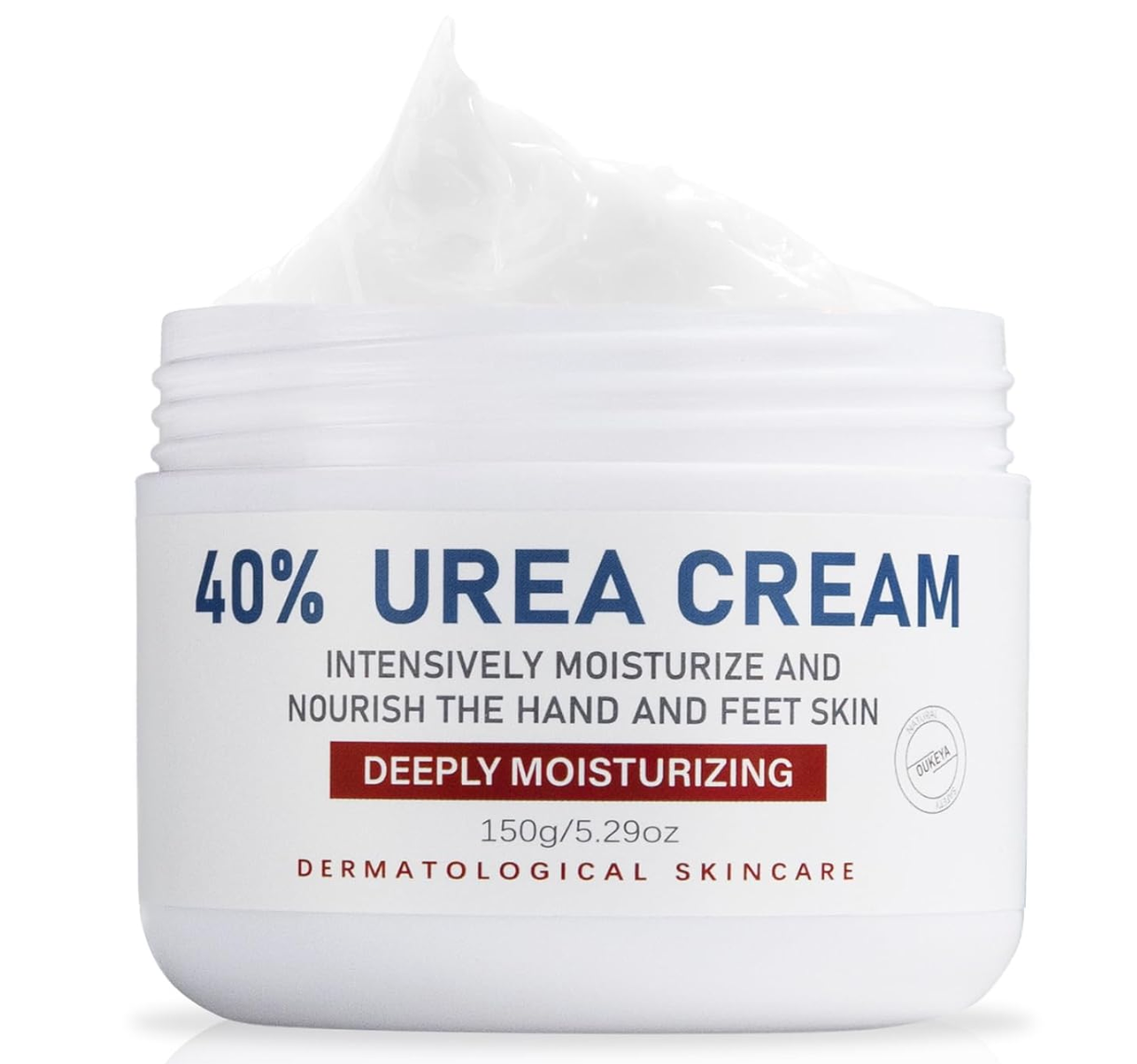
Formula and packaging cannot be qualified as two isolated purchases. A finished format must dispense, spread, seal, store and communicate the intended use through the chosen component. We support tubes, jars, glove masks, sock masks, and stick packaging, with formula-contact, handling and order review for the selected component.
| Format | Packaging direction | Configuration questions | Sample acceptance focus |
|---|---|---|---|
| Hand cream | Tube or jar | Portable dose or at-home ritual; label area; closure direction | Dispensing, spread, seal and formula-pack contact |
| Foot cream | Tube or jar | Texture weight; use setting; dose control; closure handling | Evacuation, residue target, stability and compatibility |
| Hand mask | Glove mask pack | Fit, essence load, seal design and handling instructions | Leak resistance, saturation and user handling |
| Foot mask | Sock mask pack | Fit, essence load, seal design and wear-time direction | Leak resistance, saturation and user handling |
| Repair stick | Twist-up stick | Diameter, glide, pay-off, direct application and portability | Mechanism, heat exposure, stability and formula contact |
Sensory system
Texture and fragrance can be customized within the approved project route. Define what the user should feel during spread and after application, not only broad words such as rich or light. For a multi-format range, decide which cue stays consistent and which changes by use case.
Pack system
Available project directions include tubes, jars, glove masks, sock masks and stick components. Component availability, decoration, artwork, formula contact and order allocation still require written confirmation. A package mockup alone is not evidence that the filled product is qualified.
Configuration trade-off: formula choice and package choice are not interchangeable. A package mockup is not a substitute for filled-product qualification, and the wrong component choice can force a formula or artwork change.
Commercial Specifications, Pricing and Development Timing
These are the confirmed working points for an initial NEXO hand-and-foot-care discussion. Timing lines are separate clocks, and the starting MOQ is not an approved SKU allocation.
| Specification | NEXO working point | Start condition or boundary |
|---|---|---|
| Supported product formats | 5 formats | Hand cream, foot cream, hand mask, foot mask and repair stick |
| Prototype development | 3 days | Starts after the project brief is confirmed |
| International sample delivery | 5–7 days | Starts after prototype development; destination and logistics details are reviewed |
| Commercial production | Within 15 days | Starts only after formula approval and packaging qualification |
| Starting MOQ | 10,000 units | Formula, format, component and SKU split must be confirmed in writing |
| Formula resources | 5,000+ | Reference foundation; the approved project formula remains brief-specific |
| Production lines | 56 lines | Manufacturing-foundation fact; project scheduling is still confirmed per order |
| Manufacturing foundation | Since 1999 | More than 25 years of cosmetic manufacturing expertise |
| International business support | Since 2020 | Separate from the 1999 manufacturing-foundation date |
NEXO PROTOCOL
Formula, Packaging and Market-Readiness Responsibilities
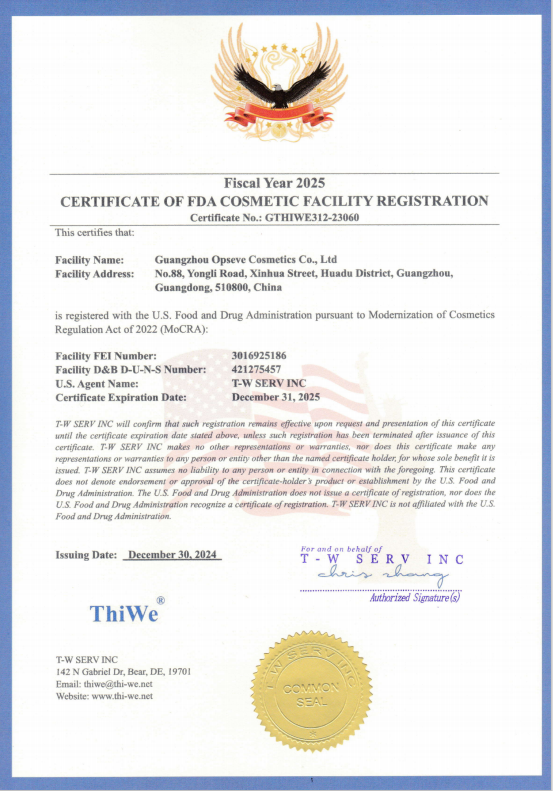
NEXO includes formula stability and packaging compatibility as development checkpoints. They help support a safe, workable product system, but they do not by themselves settle U.S. label, listing, safety-record, claims or post-market duties.
Sample acceptance matrix
Review area
Record before approval
What the decision prevents
Appearance and odor
Accepted reference, tolerance direction and review conditions
Vague visual or fragrance approval
Texture and use
Spread, absorption, after-feel, glide, pay-off or essence handling
Approval based on one-word descriptions
Fill and dispensing
Dose, evacuation, closure, stick mechanism or mask saturation
A formula that works outside the chosen pack but not inside it
Pack integrity
Seal, leakage, handling, contact surface and transport concerns
Late component changes after artwork
Stability plan
Product-specific protocol, conditions, observations and acceptance criteria
Treating one fixed test as suitable for every cosmetic
Claim and label inputs
Intended use, cosmetic benefit language, label-named party and target market
Formula decisions that conflict with public positioning
Responsibility fields for a U.S. project
Facility and label roles
Project scope should identify the manufacturing facility and operator, then separately identify the manufacturer, packer or distributor whose name appears on the label. Those facts determine which registration, listing and responsible-person questions need review.
Safety and post-market records
Project briefs should assign safety-substantiation records, complaint intake and serious-adverse-event escalation. For the label-named responsible person, FDA describes a 15-business-day reporting clock for serious cosmetic adverse events.
Label architecture
Record product identity, net quantity, ingredient declaration, marketer details, warnings or directions, and claim language before final artwork. Formula approval is not label approval.
Intended use
Cosmetic appearance and conditioning language follows a different route from claims to treat disease or affect body structure or function. This page keeps therapeutic repair and disease claims outside scope and requires a separate review for high-risk concepts. Stability planning also needs product-specific judgment. ISO/TR 18811:2018 does not prescribe one universal set of cosmetic stability conditions, and packaging studies show why container material, temperature and time need to be part of the protocol.
×
![Enlarged View]()
How We Work: From Range Direction to Commercial Production
Our development process connects formula development, sample evaluation, testing and packaging, manufacturing and delivery. It keeps product decisions, acceptance criteria and commercial conditions visible at the right point.
Define the range.
Select the lead format, extensions, target market, customer use and launch channel. State what makes the products one coherent line.
Choose the formula route.
Confirm adaptation, ingredient optimization or custom development. Add the sensory target, ingredient preferences, exclusions and cosmetic claim direction.
Connect formula and pack.
Select tube, jar, glove mask, sock mask or stick direction. Record contact, dispensing, seal, handling, artwork and decoration inputs.
Confirm the development brief.
NEXO reviews missing decisions and confirms the brief. That confirmation starts the 3-day prototype-development clock.
Review and deliver the sample.
Evaluate the prototype against written criteria. International sample delivery is 5–7 days after prototype development.
Approve formula and qualify packaging.
Close the agreed formula and component checks. Market responsibilities and artwork inputs remain separate named workstreams.
Confirm the commercial order.
Set the approved SKU allocation, component scope and production schedule. Commercial production is within 15 days after formula approval and packaging qualification.
Best handoff: send one preferred product configuration plus the decisions that are still open. This gives the NEXO team something concrete to review without turning early-stage assumptions into promises.
NEXO Manufacturing Foundation and Quality Control (QC)
NEXO Beauty Labs is a cosmetic OEM and ODM partner for skincare brands developing skin care products, hair care, body care and finished products through scalable manufacturing. Our manufacturing foundation dates to 1999 and brings more than 25 years of cosmetic manufacturing expertise to current projects. Our international business team has supported global partners since 2020, and our manufacturing system includes 56 production lines with project scheduling confirmed per commercial order.
1999
Manufacturing foundation
Our experience covers cosmetic formulation development, production management and quality control.
5,000+
Formula resources
This formulation foundation supports adaptation, optimization and custom-development discussions.
56
Production lines
Our manufacturing system supports commercial scale-up after formula approval and packaging qualification.
Since 2020
International business support
Our international team supports global beauty brands, ecommerce companies, distributors and private label partners.
NEXO Beauty Labs R&D connection
Our process connects product concepts with formulation, packaging and manufacturing decisions. A shared project brief becomes the reference for review.
NEXO Beauty Labs commercial connection
Our process connects concept work to finished products and separates sample acceptance from commercial conditions. Buyers can see what is approved, what is pending and what starts the production clock.
Project Fit Boundaries
This service is designed for beauty businesses building a commercially reviewed private label or OEM/ODM hand-and-foot-care range. A general body lotion or broad personal-care catalogue belongs in a wider portfolio discussion. A different route is also needed when the opening conditions conflict with the project model.
Opening quantity below 10,000 units
Our confirmed starting MOQ is 10,000 units. If the launch cannot support that quantity, validate demand or use a smaller-batch route before committing to this program.
Unapproved multi-SKU assumptions
A 10,000-unit starting order does not guarantee any split across five formats. Formula, format, component, artwork and SKU allocation must be reviewed in writing.
Therapeutic or disease positioning
Projects built around treatment, prevention, structure/function or other drug-style claims need a different regulatory and claims review. Cosmetic manufacturing discussion is not a substitute for that route.
Fixed launch date before qualification
Our within-15-day production commitment starts after formula approval and packaging qualification. Do not plan it as a total concept-to-market timeline.
Certification-dependent sourcing
If an internal policy requires a named certification, registration or license, request and verify the current document before supplier approval. This page does not replace that evidence review.
Unassigned U.S. responsibilities
Do not close final artwork while the label-named party, safety records, listing tasks or complaint pathway remain unclear. Assign them in the written project scope.
Private Label Hand & Foot Care Formulation & Strategy Tools
01
Hand & Foot Care Range Architect
Choose one lead format, add focused extensions and create a range direction for NEXO review. This tool organizes a concept; it does not confirm formula, component, MOQ allocation or production feasibility.
02
Format-to-Pack Brief Canvas
Put the formula, component, sample standard and market responsibilities in one brief. The output identifies open decisions; it does not make a legal determination or replace current target-market review.
03
10,000-Unit Launch Mix Simulator
NEXO’s starting MOQ is 10,000 units. Use this simulator to prepare a proposed mix, then submit it for formula, component and SKU feasibility review.
FAQ for Private Label Hand & Foot Care
What hand and foot care formats can NEXO develop?
NEXO supports hand creams, foot creams, glove hand masks, sock foot masks and repair sticks. Pack directions include tubes, jars, glove packs, sock packs and stick components.
What is the starting MOQ?
Our starting MOQ is 10,000 units. Any permitted split across formulas, formats, components, fragrances, artwork and SKUs must be confirmed in the written quotation.
How do the three timing milestones work?
Prototype development is 3 days after the brief is confirmed. International sample delivery is 5–7 days after prototype development, while commercial production is within 15 days only after formula approval and packaging qualification.
Can NEXO adapt an existing formula?
Yes. Available routes include formula adaptation, ingredient optimization and custom formula development, with texture, fragrance, packaging and claim-direction inputs recorded in the brief.
Does stability testing complete U.S. market readiness?
No. Formula stability and packaging compatibility are development checkpoints, not a substitute for market review. A U.S. brief still needs the label-named party, intended-use and claim direction, safety-substantiation record owner, registration or listing task owner, complaint pathway and serious-event escalation pathway. Each responsibility should be assigned in writing before final artwork.
What should be included in the first project brief?
Include the target market, lead format, formula route, sensory target, ingredient preferences and package direction. Add the proposed SKU allocation, label-named party, claim direction, artwork needs and sample-acceptance criteria. Mark every open decision instead of guessing, then use the three planning tools below to organize the handoff for NEXO review.