Get in touch with NEXO Beauty Labs Company


ISO Certified
Body Care Product Manufacturing
NEXO Beauty Labs is a cosmetic OEM and ODM partner for body care product manufacturing
covering leave-on lotion and cream, body wash and cleansing oil, scrub and polish, and hand and foot care. Four production lines run under one formulation and quality programme, so a brand can build a range instead of stitching four suppliers together. Send the formats, the target market and the volumes you have in mind, and a formulation engineer builds the quote around them.
A non-disclosure agreement is signed before formulas, artwork or project details are exchanged.
- Quotations are returned within 24 hours
- Sample development is completed in 3 days after the product brief is confirmed
- International sample delivery in 5-7 days after sample development
- Commercial production runs are completed within 15 days after formula approval and packaging qualification
Quote Turnaround
Within 24 hours
Sample Development
3 days after the product brief is confirmed
International Sample Delivery
5-7 days after sample development
Commercial Production
Within 15 days after formula approval and packaging qualification
Minimum Order Quantity
From 10,000 units per SKU
Formula Routes
Existing formula, formula adaptation and custom development
Product Formats
14 formats across four body care lines
With Every Shipment
A certificate of analysis, an MSDS/SDS and the packing documents
Body Care Manufacturing Capabilities Across Four Formulation Systems
Body care is not one technical problem. A leave-on moisturizer, a foaming wash, a suspended-particle scrub and a high-active foot cream fail in four different ways, and that is the real reason most brands end up with three or four separate suppliers. NEXO Beauty Labs keeps all four systems inside one plant so a range shares one formulation team, one quality programme and one production schedule.
Emulsion systems
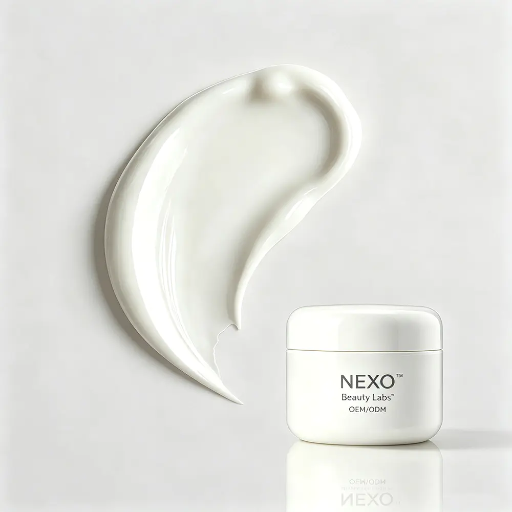
Body lotion, body cream, body essence and body balm sit here. The engineering question is phase stability over time and temperature, which is why every leave-on formula carries its own stability protocol, with preservation efficacy evaluated against ISO 11930, rather than a shared house recipe.
Surfactant systems
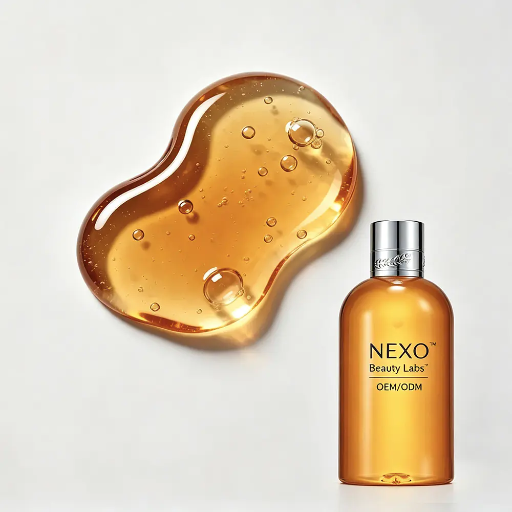
Body wash, shower gel, cleansing oil and body cleanser sit here. Foam profile, viscosity and after-wash skin feel are set by the surfactant blend, so a cleansing base and a leave-on base are not interchangeable.
Particulate systems
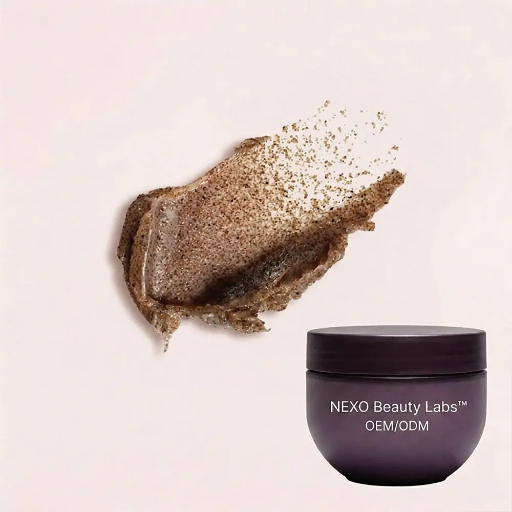
Body scrub and body polish carry a solid phase that has to stay suspended from filling through to the last use. Particle size, density and yield value drive both the texture and the filling equipment choice.
High-active systems
Hand and foot products carry the highest active loads in body care, and that raises the risk of instability and skin tolerance problems. These formulas get the tightest development loop because the margin for error is smallest.
Manufacturing foundation
Our manufacturing foundation dates back to 1999, with production management and quality control experience built over that period.
5,000+ formula resources available as starting points for formula adaptation.
56 production lines, which is what makes running four body care lines on one schedule possible.
Batch size flexibility and scale-up capacity are what a four-line range really tests, and line count is what decides the answer.
An international business team dedicated to global beauty brands since 2020.
Scalable manufacturing from product concept to commercial production, with scaling from a first wave into repeat production on the same lines.
Private label skincare and hair care manufacturing programmes run in the same plant, so adding a private label skin care line later does not mean changing supplier.
The category itself has moved. Trade coverage across Global Cosmetic Industry, Happi and Cosmetics Business through 2024 and 2025 describes the same shift: actives that used to belong to facial skincare products now appear in body formats, while texture, fragrance and after-use comfort still decide whether a consumer repurchases.
The mistake we see most often is a brand asking for one house base across a whole range. A wash and a leave-on cream are different chemistries, so the honest answer is a shared active story and four separate formula routes, not one formula stretched four ways.
Four Body Care Lines and the Formats Inside Them
Each line below has its own page with formats, formula routes and packaging in detail. Use this hub to decide which lines belong in your range, then go into the line that matches the brief you are working on.
Private Label Body Care Products
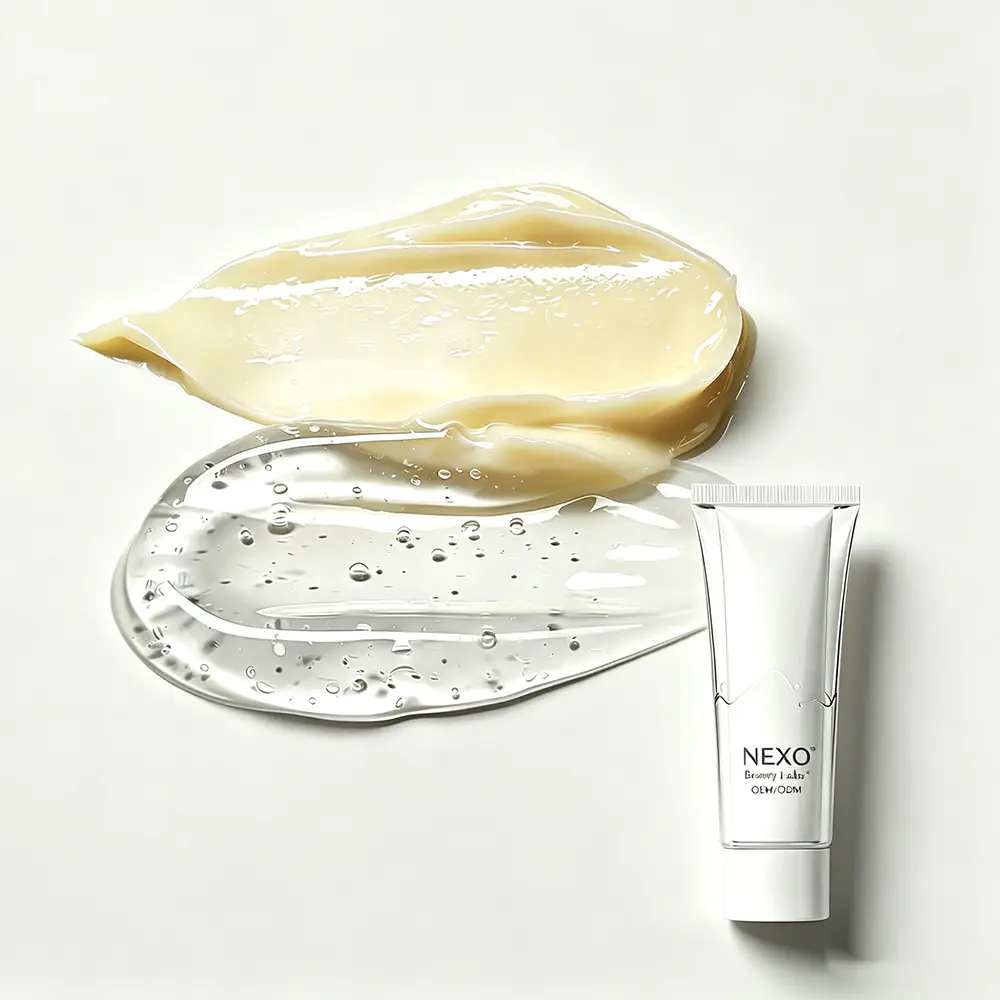
The portfolio view across every body format we run, for brands planning a range rather than a single launch. Start here when the question is which products belong together, on the private label body care products page.
Explore Products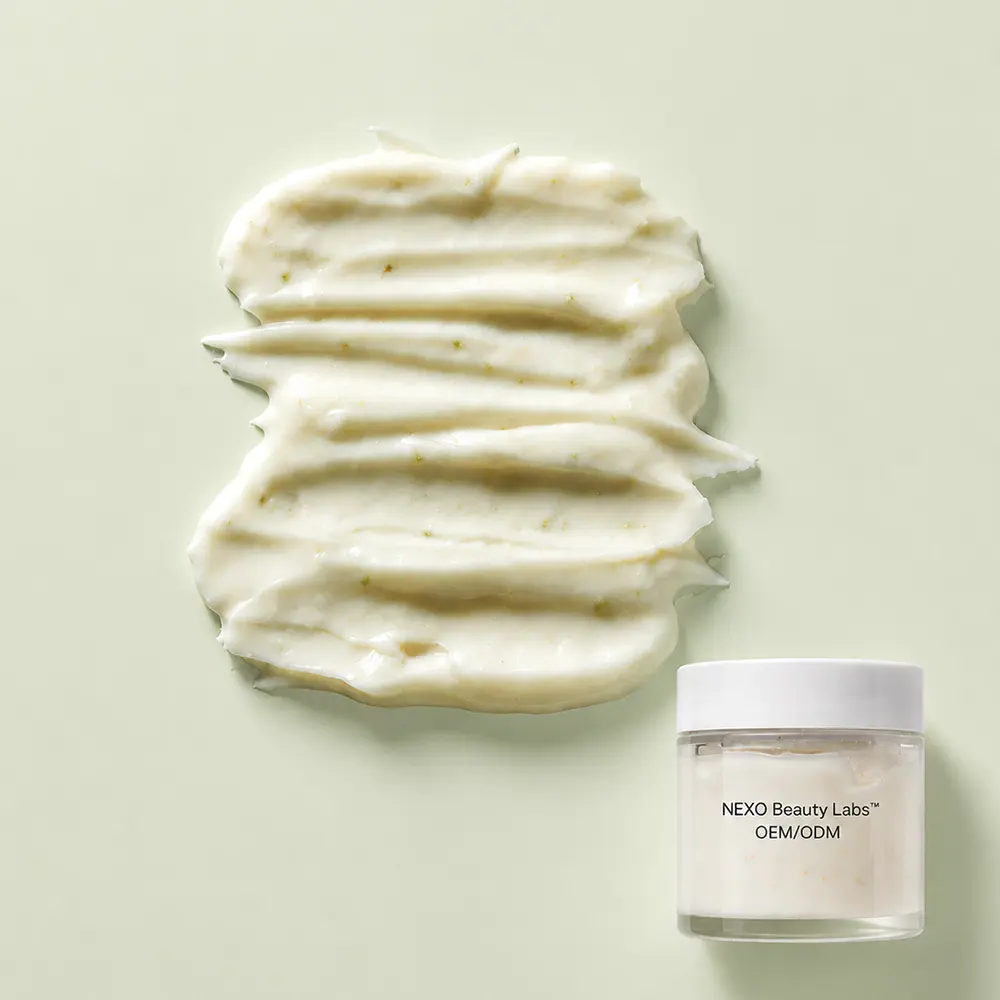
Private Label Body Lotion
Leave-on emulsions: lotion, cream, essence and balm, including dual-chamber and capsule concepts. Three formula routes and the texture and sensory choices that go with them sit on the private label body lotion page.
Explore Lotions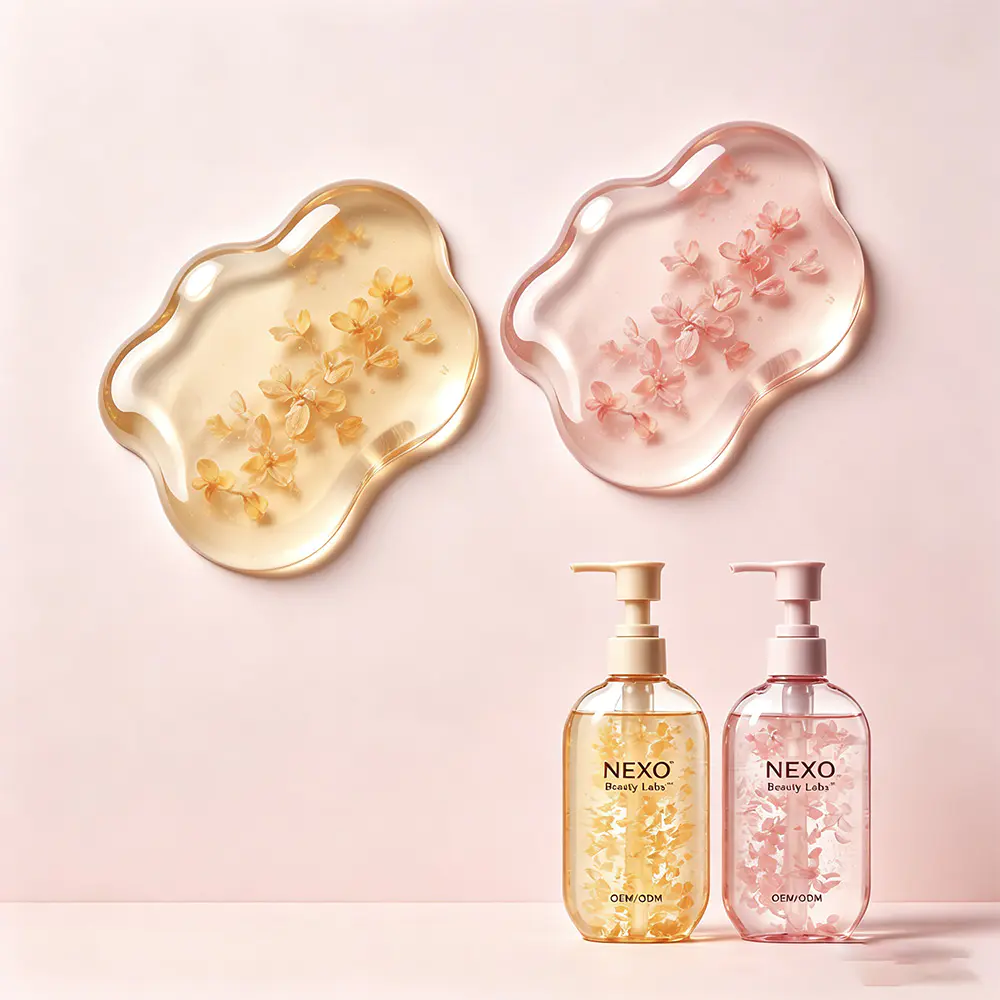
Private Label Body Wash
Surfactant systems and the exfoliation range that sits beside them: shower gel, cleansing oil, body cleanser, scrub and polish. Fragrance and foam are specified on the private label body wash page.
Explore Body Wash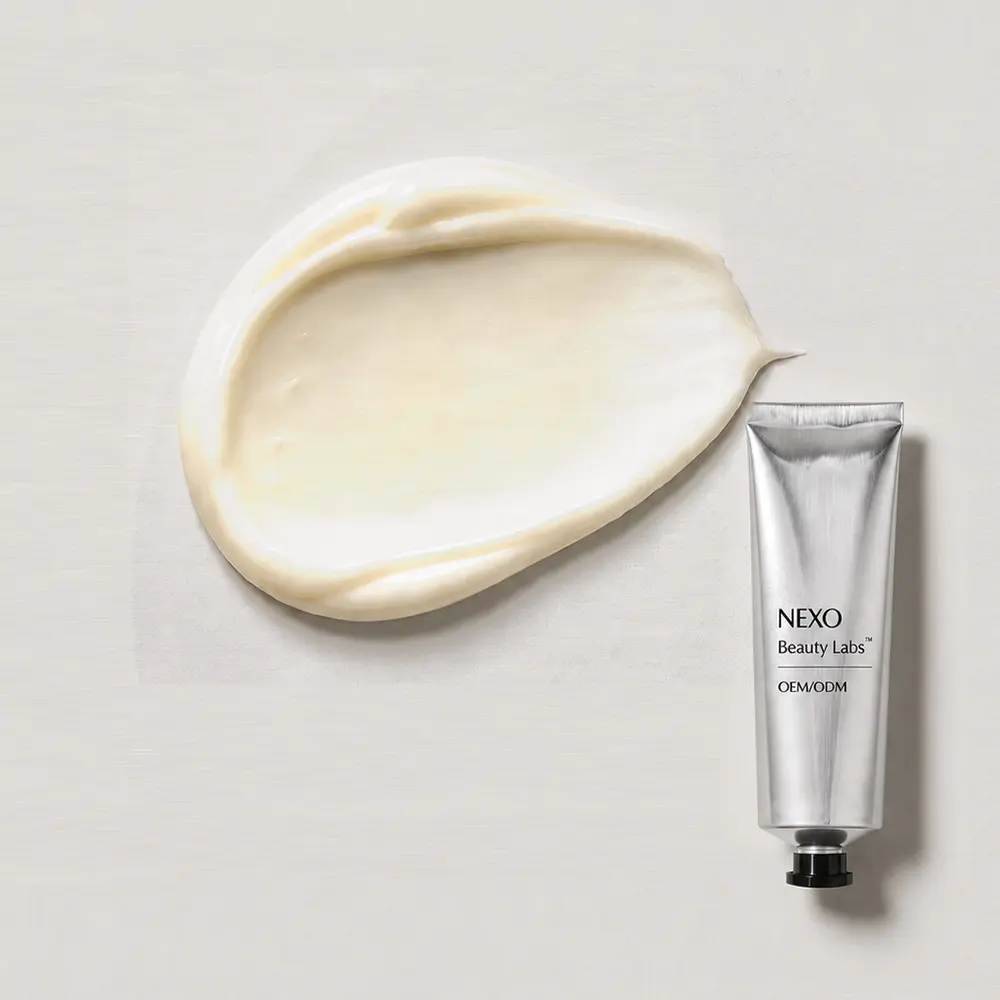
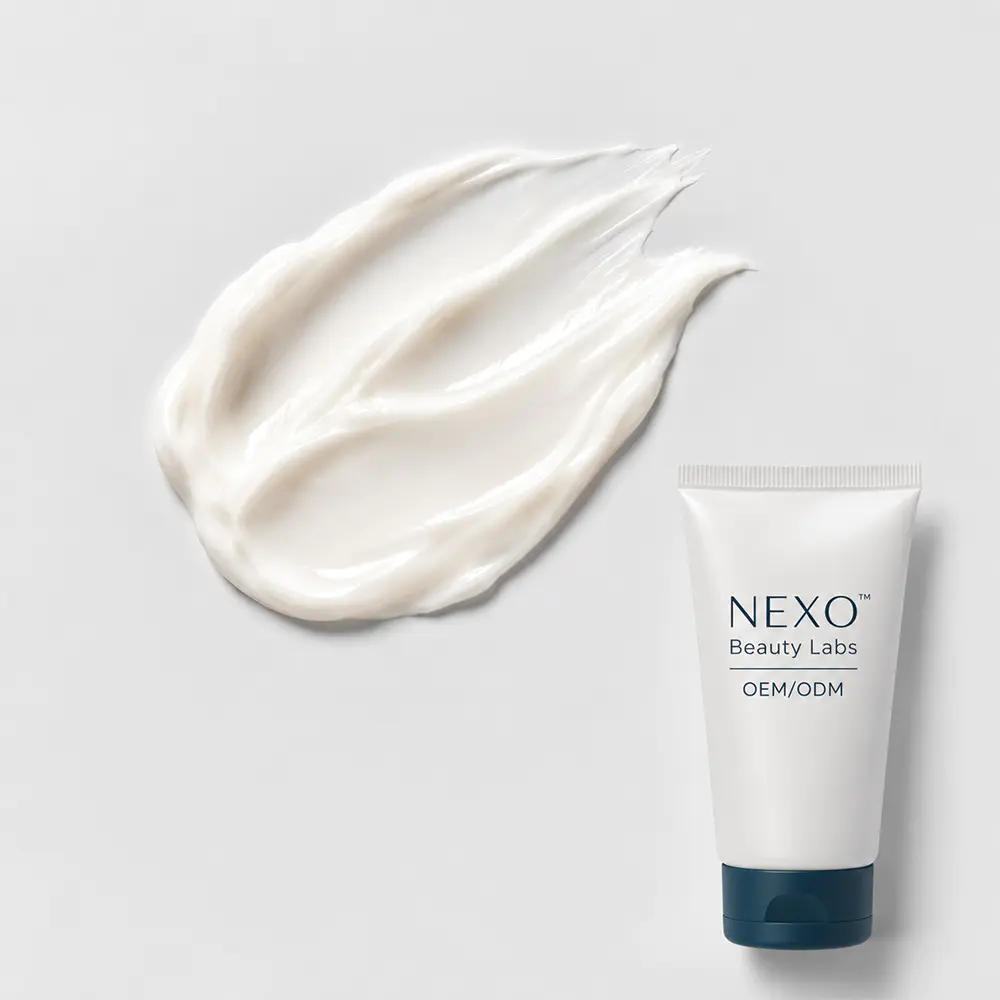
Private Label Hand & Foot Care
The highest-active corner of body care: hand cream, wearable hand and foot masks, foot cream and repair stick. Format and pack are chosen together on the private label hand and foot care page.
Explore Hand & Foot CareEvery Format We Run
| Line | Formats | Packaging Families |
|---|---|---|
| Leave-On Body | Body lotion, body cream, body essence, body balm | Bottle, tube, jar, pump, dual-chamber pack |
| Cleansing | Body wash, shower gel, cleansing oil, body cleanser | Bottle, pump, tube |
| Exfoliation | Body scrub, body polish | Jar, tube |
| Hand And Foot | Hand cream, hand mask, foot cream, foot mask, repair stick | Tube, jar, glove mask, sock mask, stick packaging |
Brands that arrive looking for a wholesale body care manufacturer usually want two of these lines at launch and the other two within a year. Planning that sequence at the brief stage is cheaper than adding it later, because component sourcing and fragrance work can be shared across the wave.
Formula Routes, Texture, Sensory and Packaging Choices
Three formula routes run across all four lines, and the route you pick sets both the development time and how much of the result is yours. Each route is a trade-off between speed and how distinct the finished product can be. Choosing the route before the first sample is the single decision that saves the most time later.
Formula route
What it means
Best when
Existing formula
You start from a formula already in our library and change fragrance, colour and pack.
Speed matters more than differentiation, or you are testing a new market with a first SKU.
Formula adaptation
An existing base is reworked against your brief: actives, texture, sensory profile and claim direction.
You need a recognisable product story without a full development cycle. This is the route most ranges use.
Custom development
Custom formulation from the brief up, with the ingredient list, texture and performance direction defined for your brand.
The formula itself is the product story, or the brief cannot be met by adapting an existing base.
Texture directions
- Light lotion, serum lotion and fast-absorbing finishes for daily wear
- Rich cream and melting balm for dry skin and premium positioning
- Oil texture and cleansing oil for skin-comfort claims
- Gel, creamy wash and foaming systems for shower ranges
- Scrub paste and polish textures with a suspended solid phase
Sensory customization
Texture, skin feel, fragrance and after-use comfort are specified as part of the brief, not left to the lab to guess. Brands that create unique body care ranges usually do it here rather than by adding more SKUs. Fragrance direction is usually the decision that takes the longest, because it is the one your customers notice first.
Packaging options
- Bottle, tube, jar and pump for the mainstream body formats
- Dual-chamber packs where two formulas are dispensed together
- Glove masks and sock masks for wearable hand and foot treatments
- Stick packaging for targeted repair formats
- Custom packaging where the pack itself carries the product concept
Packaging is not a decoration decision. The pack sets the fill process, the preservation load that ISO 11930 testing has to cover, and, more often than brands expect, the binding minimum on the whole SKU.
Format-by-Format Body Care Specifications, Minimum Order and Lead Times
The table below is the same information a quote is built from. Every format uses the same three formula routes and the same three clocks, so the differences that matter are packaging family and which line owns the format.
Body Care Formula Stability, Packaging Compatibility and the Documents That Ship
QA TESTING
ISO / TR 18811
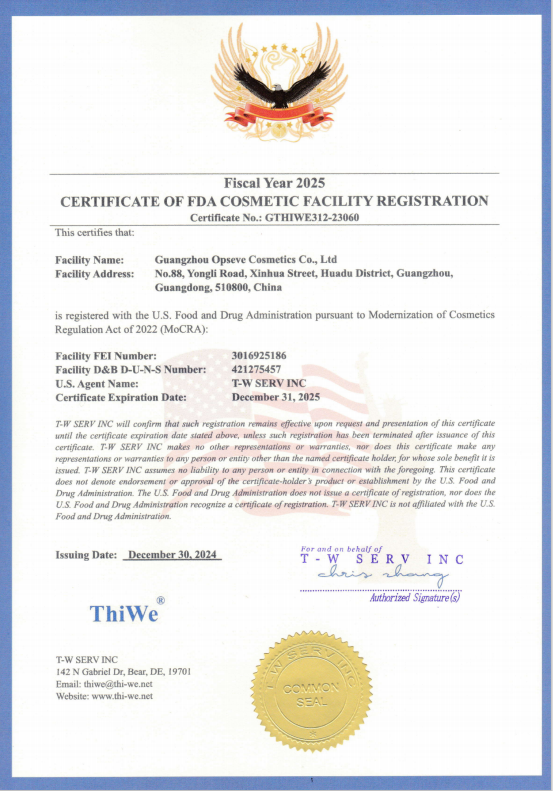
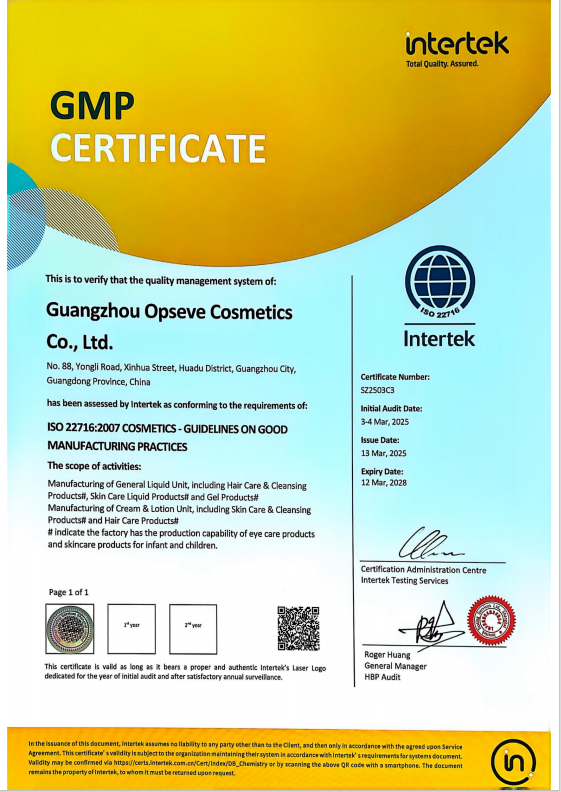
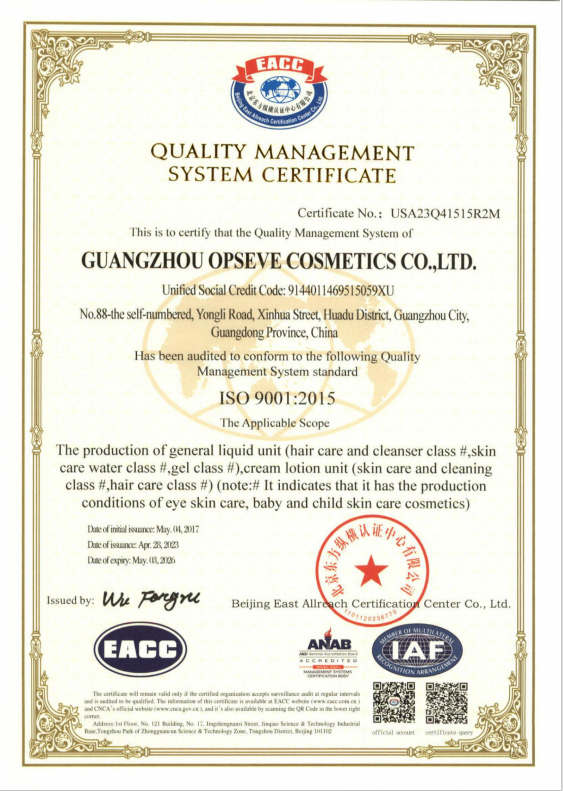
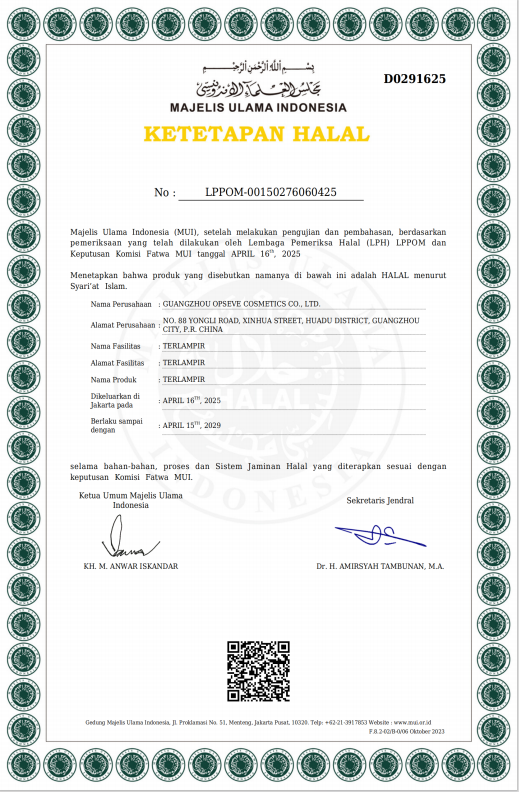
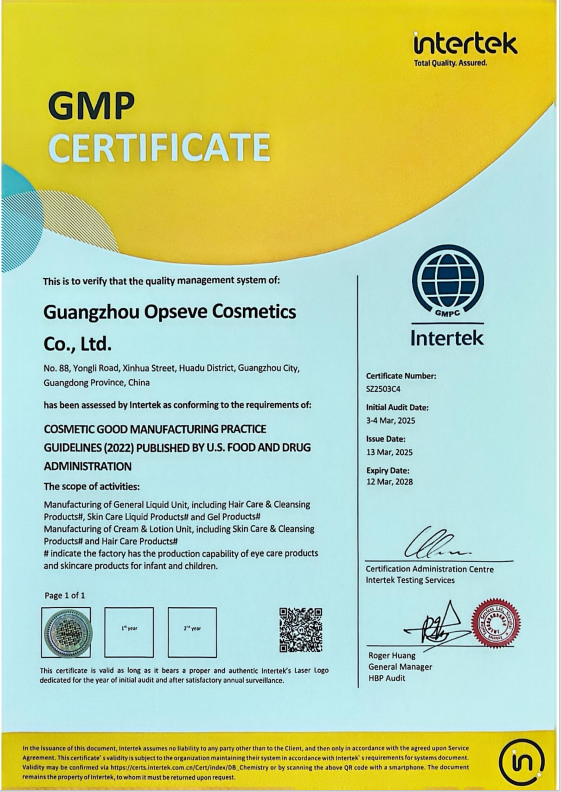
Two checks decide whether a body care formula is ready to scale: whether it holds together over time, and whether it holds together inside the pack you chose. Both sit in step four of the development sequence, before any production slot is booked.
How every project is checked
- Formula direction and specification are agreed against the brief, so the acceptance criteria exist before the first batch.
- Samples are evaluated for texture, fragrance and use experience, and adjusted until they match the agreed direction.
- Formula stability is assessed on a protocol written for that product rather than a single house condition set.
- Packaging compatibility is confirmed for the specific formula and component pairing before commercial production is scheduled.
Why the protocol changes product by product
ISO/TR 18811 gives guidance on stability testing of cosmetic products and deliberately does not fix one universal condition set; it puts the responsibility on the manufacturer to define and justify the protocol for that product. ISO 11930 and ISO 17516 take the same shape for preservation efficacy and microbiological quality, and both separate out products assessed as low microbiological risk. A rinse-off scrub and a leave-on cream therefore do not get the same test plan, and copying one across is a common assumption worth breaking early.
What you receive
- A certificate of analysis for the batch
- An MSDS/SDS for the supplied product
- The packing documents for the shipment
- The stability and packaging compatibility confirmation records for the approved formula and pack
- Retained samples held against the approved standard
That list is what we hand over, described as a deliverable rather than as a regulatory obligation. Under 29 CFR 1910.1200(b)(6)(viii), cosmetics packaged for retail sale to consumers are excluded from the United States hazard communication standard, so an MSDS/SDS travels with your order because it is useful to you, not because retail cosmetics are covered by that rule.
What these records are, and what they are not
Stability records and compatibility records are development evidence. They are not the same thing as the adequate substantiation of safety record that United States law places with the responsible person, and no body care manufacturer should imply otherwise. Where that record sits is set out in the next section.
×
Five-Step Body Care Development Sequence and Who Owns Each Handover
Product discussion
— brand positioning, product goals and market requirements are captured as the brief that every later step is measured against.
Formula development
— ingredients, texture and product direction are set on the formula route you chose.
Sample evaluation
— texture, fragrance and use experience are adjusted until the sample matches the brief.
Testing and packaging
— formula stability and packaging compatibility are confirmed for your specific formula and pack.
Manufacturing and delivery
— quality-controlled commercial production, then shipment with the documents listed above. Handover is turnkey from brief to shipment, and we are accountable for the batch matching the approved sample and the agreed specification.
Three different things, kept separate
There is what we do as your manufacturer, there is what the industry does as a matter of common practice, and there is what you must do yourself as the brand whose name is on the label. Body care manufacturing companies rarely draw that third line clearly, and that third line is where most of the unpleasant surprises live. That table is the United States version under MoCRA, taken from the statute rather than from anyone’s marketing page.
| Duty | Who carries it | Frequency |
|---|---|---|
| Facility registration | The owner or operator of the facility that manufactures or processes the product, which for your production is us | Renewed every two years |
| Cosmetic product listing | The responsible person, defined in statute as the manufacturer, packer or distributor whose name appears on the label, which for a private label range is your brand | Updated annually |
| Adequate substantiation of safety records | The responsible person | Maintained on an ongoing basis |
| Serious adverse event reporting | The responsible person | Within 15 business days of receiving the report |
Range Commitment Math: Minimum Order Exposure Across a Four-Line Launch
Minimum order quantity is committed per SKU, not per range, and that single fact decides how much cash a launch ties up. A brand comparing suppliers on the MOQ number alone is comparing the wrong thing; what matters is how many independent minimums your range design creates. Range Commitment Math is the arithmetic we walk buyers through before a brief is finalised.
One assumption worth breaking early
Most brands treat minimum order quantity as a single threshold. In practice there are two: the bulk batch minimum for the formula, and the purchase minimum on each component such as the bottle, the tube, the pump or the cap. The component minimum is frequently the binding one, which is why cutting your order quantity is not always the move that lowers your commitment.
Run the arithmetic on your own inputs
The table below is a worked example with figures you supply, not an order history. Put your own SKU counts in and the arithmetic holds.
| Line | SKUs you plan | MOQ per SKU | Units committed on this line |
|---|---|---|---|
| Leave-on body | Your input | 10,000 units | SKUs x 10,000 |
| Cleansing | Your input | 10,000 units | SKUs x 10,000 |
| Exfoliation | Your input | 10,000 units | SKUs x 10,000 |
| Hand and foot | Your input | 10,000 units | SKUs x 10,000 |
| Range total, wave one | Sum of wave-one SKUs | 10,000 units | Total units before a single sale |
| Range total, all waves | Sum of all SKUs | 10,000 units | Full committed volume across the plan |
What consolidation does and does not buy you
Sharing one bulk base, one fragrance or one component across several SKUs reduces the number of separate procurement and changeover events your range creates. It does not lower the per-SKU minimum, and any supplier telling you it does is selling you something. Selective sharing beats maximum sharing, because the components worth sharing are the ones your customer does not read as the difference between two products.
- Share the bottle or tube across a line, differentiate on label, colour and fragrance.
- Hold one fragrance direction across a wave rather than one per SKU.
- Keep the differentiating element visible: texture, active story and claim, not the closure.
- Sequence the range into waves so unsold inventory does not fund the next launch.
Unit cost falls as a run grows because the changeover work behind a run is broadly the same whether it produces a small batch or a large one. That is the structural reason minimums exist at all, and it is also why a lower minimum usually costs you more per unit rather than less.
Body Care Manufacturing Planning & Screening Tools
Body-Care Line Sequencing Planner
Put the SKUs you intend to launch into waves and see the units each wave commits, plus the earliest realistic on-shelf day once the three project clocks and your own approval time are counted.
Shared-Base Consolidation Finder
List the SKUs you are planning and see how many separate bulk bases, fragrances and components the range actually creates. Sharing does not lower the minimum on any single SKU; it lowers the number of separate procurement and changeover events behind the range.
Claim-to-Format Fit Screener
Paste the marketing lines you plan to put on pack and screen them against the statutory boundary between a cosmetic and a drug. Under 21 U.S.C. 321(i) a cosmetic is intended for cleansing, beautifying, promoting attractiveness or altering the appearance; under 21 U.S.C. 321(g)(1) an article intended to treat, cure, mitigate or prevent disease, or to affect the structure or any function of the body, is a drug.
FAQ
Body Care Manufacturing FAQ
Module System
STANDBY
FORMULA STABILITY98.2%
PACKAGING QUAL100%
What does a body care manufacturer actually do
A body care manufacturer takes a brand brief and turns it into a finished product: formula work, sample rounds, stability and compatibility confirmation, packaging qualification and commercial production. In-house or outsourced production is the difference that matters most, because it decides who is accountable when a batch slips, and personal care manufacturers vary widely on it. NEXO Beauty Labs runs all of it for the four body care lines on this page.
Why do body care formulas need different stability conditions from one product to the next
Because the failure modes are different. A suspended scrub, a foaming wash and a high-active foot cream destabilise in different ways, so ISO/TR 18811 leaves the protocol to the manufacturer to define and justify per product rather than fixing one condition set for all cosmetics.
Do leave-on and rinse-off body products need the same preservation testing
No. ISO 11930 and ISO 17516 both distinguish products assessed as low microbiological risk, so the preservation and microbiological plan follows the product rather than a single checklist. Applying the leave-on plan to a rinse-off product wastes development time without adding safety.
What is the difference between an existing formula, a formula adaptation and a custom development
An existing formula changes only fragrance, colour and pack. A formula adaptation reworks an existing base against your brief. Custom formulation builds the formula from the brief up, which takes the longest and gives you the most distinct product.
Can I request custom formulations
Yes, custom development is one of the three routes on every line. Bring the target texture, the active story and any reference products, and the first sample comes back through the same 3-day development clock as the other routes.
Do I own the formula
Formula ownership is agreed in writing before development starts, and it differs between the three routes. An existing library formula stays a library formula; a custom development is scoped in the agreement. A non-disclosure agreement is signed before formulas, artwork or project details are exchanged either way.
What packaging options do you offer
Bottle, tube, jar, pump, dual-chamber pack, glove mask, sock mask, stick packaging and custom packaging, depending on the format. The pack drives the fill process and the compatibility work, so it is confirmed as part of the formula, not after it.
Which of the four body care lines should launch first
Usually the line that carries the clearest product story, not the one with the most SKUs. Private label body care brands that lead with a hero format and add adjacent lines in a second wave commit less cash up front and learn more before the next order.
Can two SKUs share one bulk base to reduce the units I commit to
They can share a base, a fragrance or a component, which reduces the number of separate procurement and changeover events. It does not reduce the 10,000-unit minimum on each SKU. The Shared-Base Consolidation Finder shows which overlaps are worth taking.
What is the minimum order quantity for body care manufacturing
Minimum order quantity starts from 10,000 units per SKU. Across the industry minimums are typically quoted per SKU rather than per range, so compare suppliers on how many separate minimums your design creates, not on the headline number alone.
How long does it take to develop and manufacture body care products
Sample development is completed in 3 days after the product brief is confirmed, international sample delivery takes 5-7 days after that, and commercial production runs are completed within 15 days after formula approval and packaging qualification. Those are three clocks with three start conditions, not one total.
What ships with my order
A certificate of analysis, an MSDS/SDS and the packing documents, together with the stability and packaging compatibility confirmation records for the approved formula and pack. Retained samples are held against the approved standard.
Who is the best body care manufacturer for a new brand
There is no single best body care manufacturer, because the right partner depends on your formats, your volumes and how much of the formula you need to own. One useful test is whether a white label cosmetics manufacturer will tell you which duties stay with you as the responsible person, and where their programme is the wrong fit. Both are answered above.