Get in touch with NEXO Beauty Labs Company
NEXO Beauty Labs · Formulation & R&D
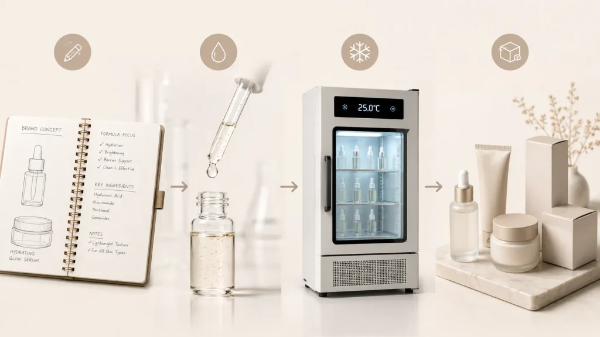
Custom Skincare Formulation for Brand-Led Beauty Products
Custom skincare formulation is the process of turning a usable brand brief into a defined formula direction, samples, evaluation criteria, and a controlled path toward production.
NEXO helps each skincare brand turn target users, sensory language, active priorities, packaging choices, and market responsibilities into a formula development route that can be sampled, evaluated, and prepared for commercial production.
Start Your Formulation Brief
Choose a Development Route
- 01 / Route Custom formulation, formula matching, or co-development
- 02 / Category Skincare, hair care, and body care product development
- 03 / Quality Sensory, stability, microbiological, and packaging checkpoints
- 04 / Scope Project-specific scope before price, MOQ, or timing commitments
What You Need to Decide Before a Skincare Chemist Starts
A strong custom formulation brief connects the desired market position to observable product behavior. Buyers want a technical partner who can explain decisions clearly, so NEXO uses the brief to reduce scope risk and separate brand choices from work assigned to the relevant parties.
-
01
Development route
Choose whether the project begins with a new concept, a reference product, or a shared technical direction.
-
02
User and intended use
State who will use the skincare product, where it will be sold, how it will be applied, and which claims are being considered.[3]
-
03
Sensory target
Define texture, spreadability, absorption, and after-feel in language a formulation team can compare during sample evaluation.
-
04
Formula priorities
Rank active ingredients, ingredient preferences, exclusions, product format, and desired performance rather than treating every request as equal.
-
05
Package system
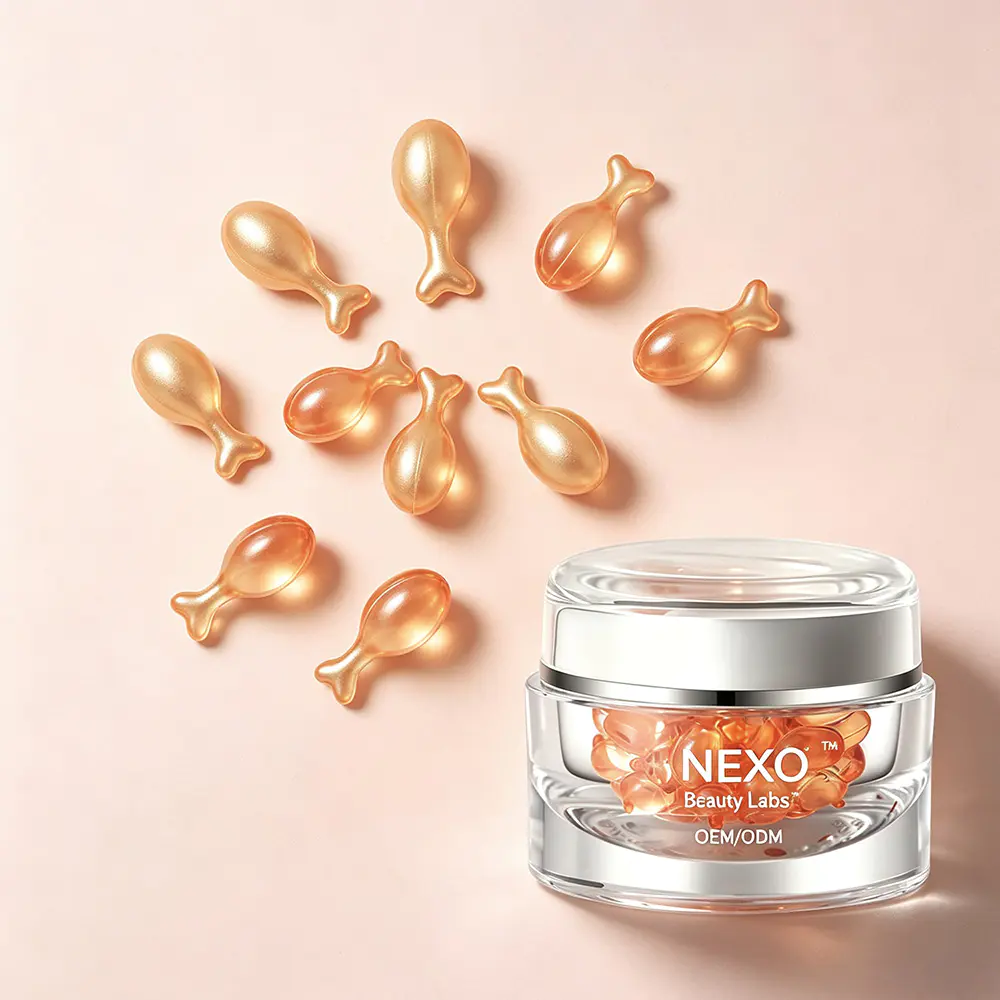
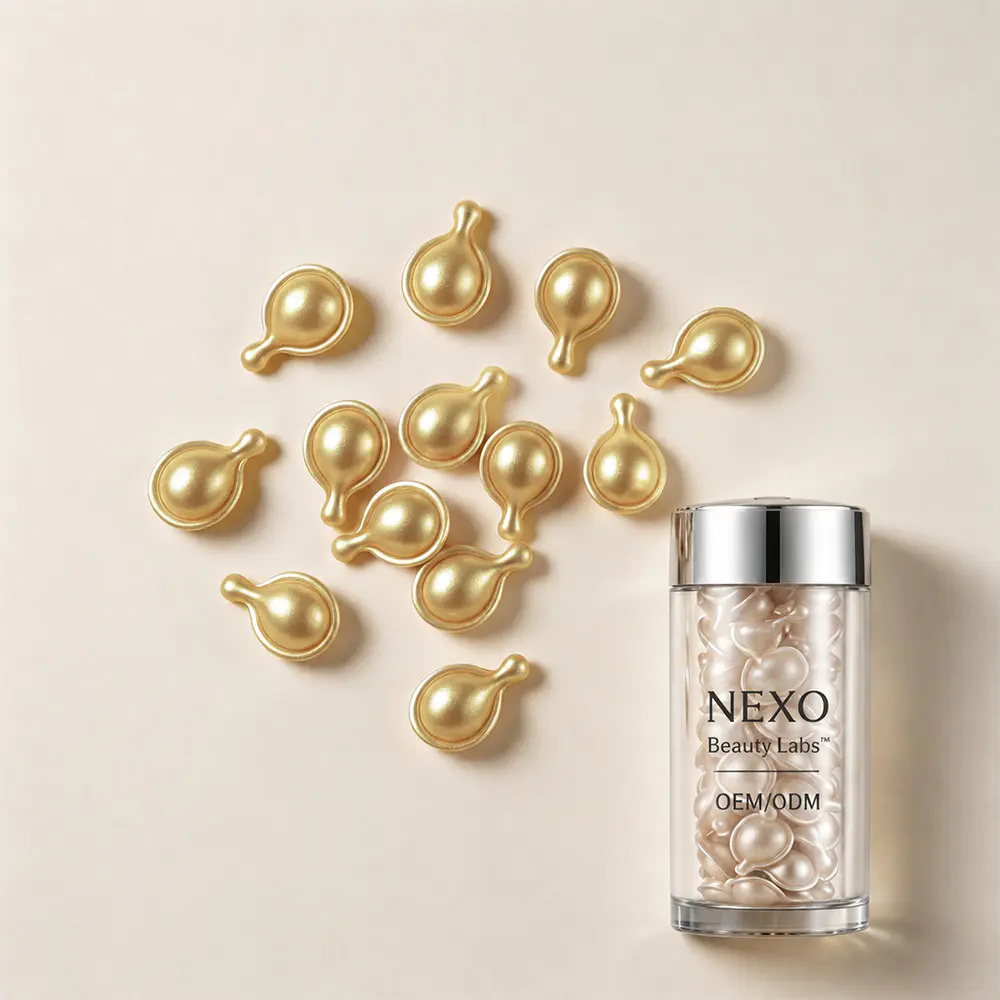
Identify the intended bottle, jar, tube, pump, capsule, or single-dose concept early enough to plan formula-packaging compatibility work.
-
06
Commercial inputs
Share forecast volume, launch market, target cost, artwork readiness, and approval owners so MOQ, price, and timing can be scoped rather than guessed.
Choose the Right Custom Skincare Formulation Route
We offer three routes because not every beauty brand arrives with the same evidence, decision speed, or appetite for technical exploration. Buyers need the difference between these routes made clear, so NEXO treats route selection as a scope-risk decision before sampling starts. Target-market and intended-use duties still apply whichever route is chosen.[3]


01 / ROUTE
Custom formulation
Development starts from a brand brief that describes the product concept, intended user, desired format, sensory target, ingredient direction, and commercial context.
- Best for a differentiated concept
- Requires ranked priorities
- Creates a formula direction from the brief

02 / ROUTE
Formula matching and optimization
A supplied reference product establishes a comparison point for evaluating which texture, sensory, or performance attributes should be retained or adjusted.
- Best when a physical benchmark exists
- Reference must be legally and practically usable
- Focuses feedback on observable differences

03 / ROUTE
Co-development
Shared technical decisions guide an evolving concept through ingredient, format, sensory, or packaging exploration.
- Best for evolving briefs
- Needs clear approval ownership
- Benefits from disciplined change records
| Route | Starting artifact | Primary decision owner | Sample feedback focus | Transfer record set |
|---|---|---|---|---|
| Custom formulation | 1 ranked product brief | Brand defines intended use and priorities | Fit against the approved brief | Formula history and approved reference |
| Matching and optimization | 1 supplied reference product | Brand defines what must match or change | Observable difference from the benchmark | Reference, revisions, and final target |
| Co-development | 1 shared technical direction | Brand and R&D divide decision rights | Learning from each controlled iteration | Decision log and formula history |
Turn Ingredient Ideas into a Coherent Cosmetic Formula
Ingredient selection is not a shopping-list exercise. For the buyer, NEXO evaluates how product format, active priorities, sensory target, intended package, and target market interact so compatibility risk is visible before a cosmetic formulation is treated as ready for evaluation.[7]
- Intended use and target user
- Serum, cream, lotion, cleanser, mask, or other format
- Active ingredients and ingredient preferences
- Exclusions and market constraints
- Texture, spread, absorption, and after-feel
- Packaging and dispensing concept
- Ingredient compatibility and formula architecture
- Practical level and sequence of addition
- Texture adjustment and refinement
- Sample observations and revision direction
- Testing plan inputs
- Records for the selected formulation route

A sample should answer a defined question. If every variable changes at once, the brand receives another product to react to but very little evidence for the next decision.
NEXO can discuss skincare, hair care, and body care products within the same brief-to-formula logic. Specialized delivery concepts, including plant-based single-dose capsules, sustained-release approaches, and liposomal encapsulation, are evaluated only in relation to the product brief and technical feasibility. Brands with a defined cream or cleansing format can also review our private label moisturizer manufacturing and facial cleanser manufacturing pages.
A serum, emulsion, balm, cleanser, mask, or single-dose product creates a different use pattern and technical question. We use the product format to frame ingredient evaluation, application behavior, dispensing, and the evidence needed before the direction can be called high-quality.
A useful brief distinguishes must-have requirements from preferences and exploratory ideas. When active ingredients, sensory goals, exclusions, cost expectations, and packaging conflict, the brand needs an agreed order of importance so formulators know which tradeoff requires approval.
Technology names are not benefit claims. A delivery concept is not a substitute for product-specific evaluation of the formula, ingredient, intended use, package, and market before marketing language is decided.
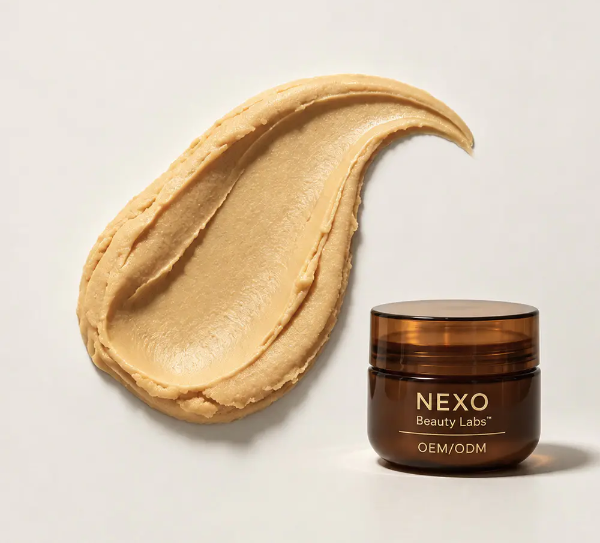
Define Texture and After-Feel Before the Sample Loop Drifts
Words such as “light,” “rich,” “silky,” or “fast absorbing” can mean different things to a founder, consumer, marketer, and chemist. NEXO converts buyer feedback into a comparison structure that reduces revision risk and keeps each application observation specific.
-
Describe the product at rest and during pickup: fluid, gelled, cushioned, dense, elastic, or otherwise.
-
Describe how readily the product travels across the intended application area and whether drag is desirable.
-
Define the expected working time and the point at which the product no longer feels actively wet or mobile.
-
Describe the finish after application, including tack, slip, residue, softness, film, or perceived weight.
-
Use a clearly identified reference when “more” or “less” would otherwise have no shared baseline.
-
Record what is acceptable, what must change, and which other attributes should remain stable during the revision.
Plan Validation Around the Formula, Package, Use, and Market
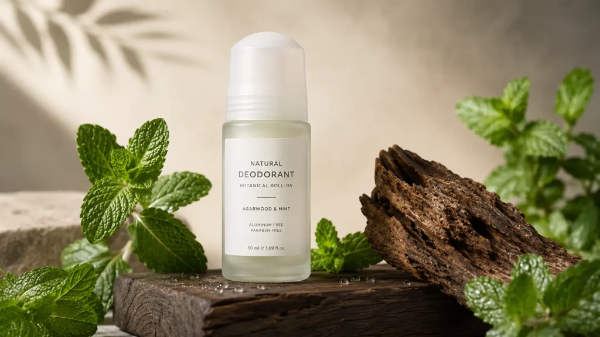
There is no single universal cosmetic stability protocol that fits every product. NEXO Beauty Labs treats validation as a buyer-risk decision because the formula, package, use, and market determine the protocol under ISO/TR 18811.[1]
Source-listed laboratory activities
- Stability testing
- High- and low-temperature assessment
- Freeze-thaw cycles
- Centrifuge assessment
- Packaging compatibility work
- Microbiological testing
Project inputs that change the plan
- Formula type and known sensitivities
- Primary package and dispensing system
- Expected transport and storage conditions
- Consumer handling after opening
- Target market and responsible-party requirements
- Claims and intended-use boundary
// Commercial Scope Definition
Commercial Inputs Behind Price, MOQ, and Development Lead Time
A responsible custom skincare manufacturer cannot confirm commercial terms from a product name alone. For a buyer, NEXO reduces quotation risk by scoping price, minimum order quantity, and timing after the route, formula, package, validation needs, forecast, and approval path are visible.

Formula factors
- New custom formulation or reference-led work
- Ingredient sourcing and active complexity
- Format and process requirements
- Number and nature of controlled revisions

Packaging factors
- Standard or custom packaging direction
- Component sourcing and decoration
- Compatibility and fill considerations
- Artwork and label design readiness

Program factors
- Forecast and launch-market priorities
- Validation and documentation scope
- Brand approval turnaround
- Production and delivery responsibilities
If low MOQs, cruelty-free positioning, eco-friendly materials, custom packaging, or a particular label design are requirements, state them as requested conditions rather than assuming they are standard NEXO commitments. We will evaluate their fit and document what is available for the specific project.
No fixed price or lead-time promise is published here. The first useful commercial output is a scoped response showing the assumptions, included work, exclusions, and inputs still needed.
A skincare line can start from private label or full custom product development, but neither label sets the quote. MOQ, packaging, labeling, testing, volume, market, and care manufacturing services define the actual scope.
A useful quotation identifies what the price covers, which package and volume assumptions apply, whether sampling or testing is included, and what would trigger a revision. This makes competing proposals easier to compare without mistaking an omitted activity for a lower-cost equivalent.
Development does not move only on laboratory time. Brand feedback, reference delivery, package decisions, artwork, market review, and payment or purchasing steps can control the schedule, so each dependency needs an owner before a target launch window can be evaluated.
Keep Formula History, Testing Records, and Market Duties Connected
We maintain retained samples, formula history, testing documentation, and project references as part of the NEXO development foundation. For a buyer, connected records reduce traceability risk by showing what changed, what was evaluated, and which version moved forward.

Regulatory Compliance Standards
In the United States, FDA generally does not grant premarket approval to cosmetics or their ingredients, except for color additives.[3] Responsible companies still must ensure their products are safe and properly labeled. In the EU, Regulation (EC) No 1223/2009 sets safety-assessment and product-information requirements.[4]
Target Market & Viability
Target market is a required brief input. A formula that is technically manufacturable is not automatically ready for every market, claim set, package, or intended use.
Commercial & Release Authority
Formulation and production processes at a CDMO should connect testing controls with written commercial responsibilities, including who authorizes final test release. A version-controlled formulation record, approved material standards, and an agreed decision sequence provide a stronger basis for release decisions.
Development & Compliance Framework
- NEXO development records
- Formula history and revision references
- Sample evaluation context
- Testing documentation generated in scope
- Retained sample references
- Approved development direction
- Technical support notes for transfer
- Responsibilities to allocate
- Target-market safety and compliance ownership
- Claims, label, and intended-use decisions
- Package specification and artwork approval
- Acceptance criteria and release authority
- Notification or product-file responsibilities
- Change control after approval
Change control protects the approved target
After sample approval, a proposed ingredient, process, supplier, package, artwork, claim, or market change should be assessed against the existing evidence. Your team should decide whether the change is administrative, needs technical review, or requires new evaluation before production proceeds.
Retained references support investigation
A retained sample and clear batch or project reference give later observations a comparison point. They do not prove the cause of a complaint by themselves, but they help the parties separate formula history, production context, storage, transport, package, and consumer-use questions.
R&D Experience Connected to Scalable Cosmetic Manufacturing
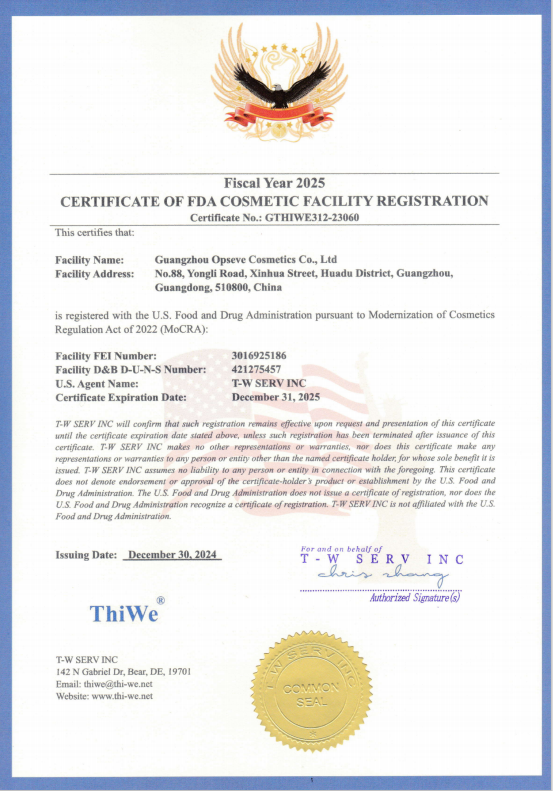
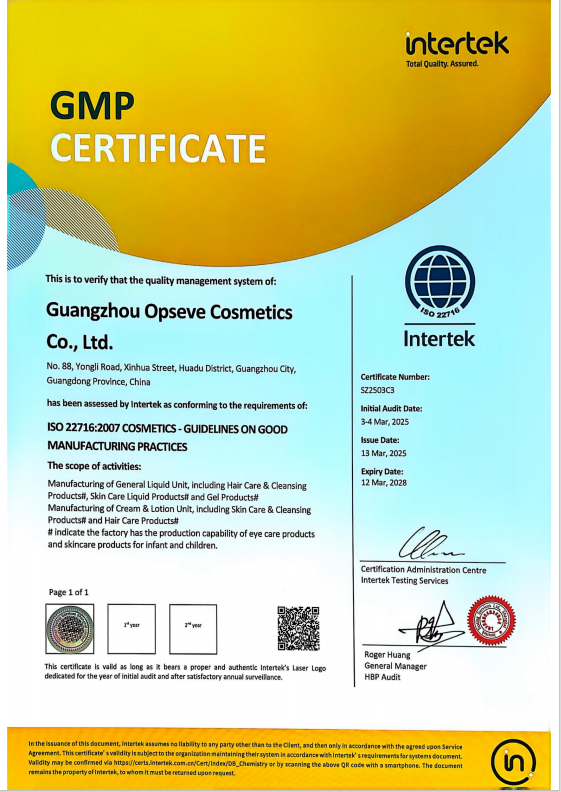
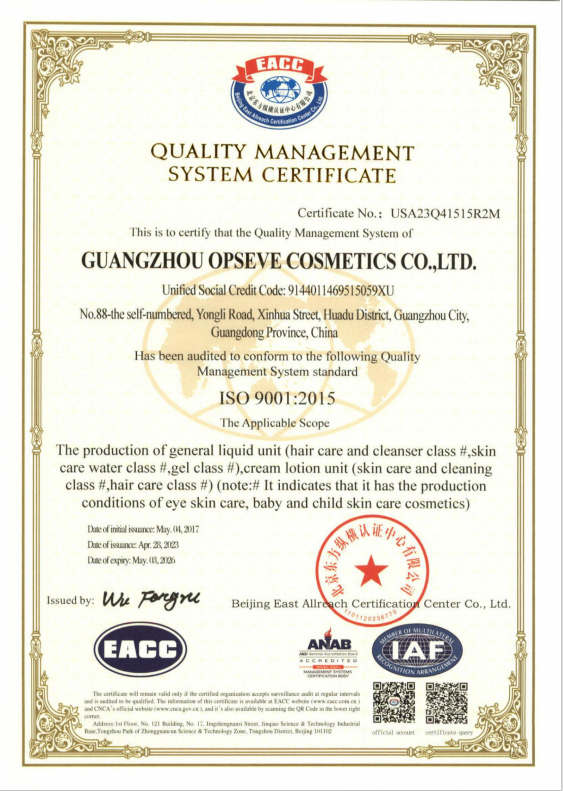
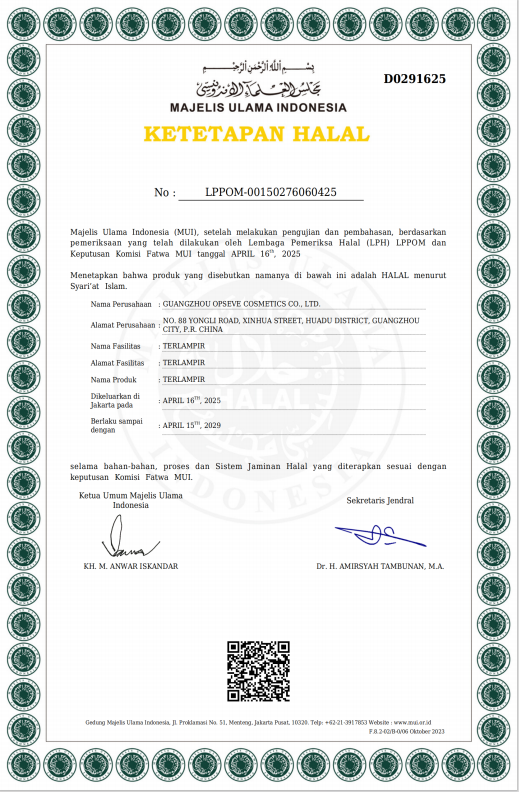
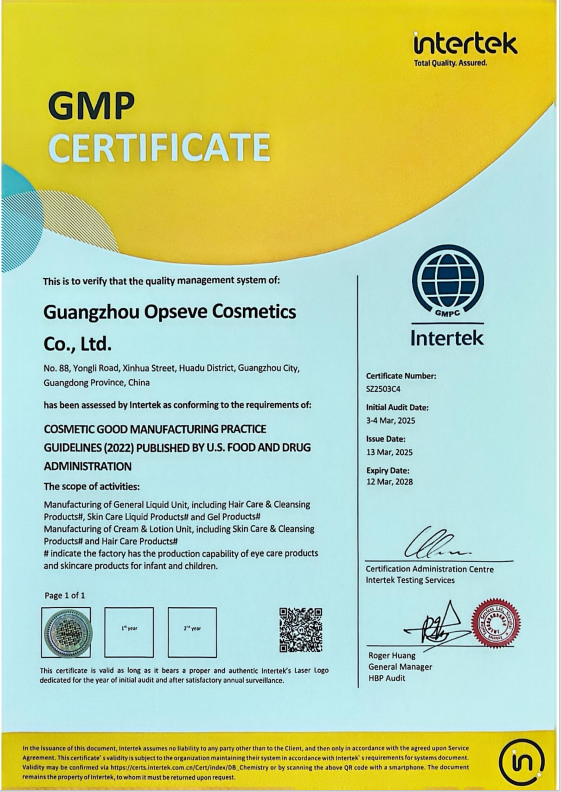
NEXO Beauty Labs is a global cosmetic OEM and ODM manufacturing partner for skincare, hair care, and body care development. Our manufacturing foundation dates to 1999, giving the company more than 25 years of experience across formulation development, production management, and quality control.
1999
Manufacturing foundation
NEXO Beauty Labs traces its operating history to cosmetic manufacturing, formula development, production management, and quality control experience.
2020
International support focus
Since 2020, the NEXO Beauty Labs international business team has supported global beauty brands, ecommerce companies, distributors, and private-label partners.
3
Connected care categories
We work across skincare, hair care, and body care, connecting product concepts to formulation, technical evaluation, and scalable manufacturing.
We connect R&D, manufacturing management, and global market insight to help brands move toward market-ready products. Neither generic third-party certifications nor the size of a formula or patent portfolio replaces product-specific testing, version control, and documentation.
Evidence boundary: public claims on this page are limited to the supplied company profile, the supplied R&D source document, and cited external guidance. Project-specific performance still requires an approved formula, package, test plan, and market review.[2]
When Each Development Route Is the Wrong Starting Point
A route works when its inputs reflect the buyer’s real starting point. The catch is simple: the wrong choice can add samples and decisions without producing a more distinctive or commercially workable skincare product. Unlike a route label, a complete brief shows why the decision fits.


Custom formulation
Good fit when
Brands with a defined user, intended use, sensory direction, priorities, and reason to create a distinct formula.
Not the best first choice when
An unfocused concept with equally important trends and no decision owner.
Better next move
Rank the brief and remove conflicting requirements before laboratory work.
Matching and optimization
Good fit when
A physical reference can anchor the desired experience and the brand can specify what to retain or change.
Not the best first choice when
Requests that assume exact copying, unclear ownership, or an unavailable reference.
Better next move
Convert the reference into lawful, observable target attributes.
Co-development
Good fit when
Co-development teams that accept iterative learning and can make timely joint technical and brand decisions.
Not the best first choice when
Approvals are fragmented or every sample is expected to be production-ready.
Better next move
Set decision rights, feedback format, and stage objectives first.
A stock private-label route may fit when speed and a proven base matter more than formula differentiation, although availability and terms require separate confirmation. Pause a new development project if the intended use may sit outside cosmetic boundaries or target-market responsibilities remain unclear.[3]
Pause if no one can approve the sensory target
Stop if the package choice is unrelated to the formulation.
Pause if claims are driving ingredients without intended-use review
Stop if volume and scope do not support the budget and timing assumptions
Custom Skincare Formulation Tools
Custom Skincare Development Route Selector
Evaluate manufacturing feasibility and define the optimal developmental pathway for your specific skincare line requirements.
Launch Tool
Custom Skincare Formulation Brief Builder
Draft precise technical specifications including active ingredients, textures, and packaging constraints directly for our R&D chemists.
Launch Tool
Skincare Formula Sample Feedback Checklist
Standardize your sample evaluation process with structured criteria to accelerate formulation revisions and ensure production readiness.
Launch Tool
Custom Skincare Formulation FAQ
These answers indicate the questions needed for an informed conversation with a product manufacturer. Specific terms for cost, timing, and compliance testing remain project-specific.
It is the process of turning a brand-specific product brief into a formula direction, samples, evaluation criteria, relevant testing, and a controlled path toward manufacturing. A complete brief should connect intended use, target user, sensory goals, ingredients, packaging, market, and commercial context.
Custom formulation begins with brand-specific requirements and formula development, while private label skincare often starts from an existing base or predefined product option. Actual differences depend on what may be changed, what evidence is available, and what commercial terms the manufacturer confirms.
Send the intended user and use, target market, product format, sensory target, ingredient priorities, exclusions, claims direction, package concept, forecast, target cost, and launch context. If some answers are unknown, label them as open decisions.
NEXO offers a formula matching and optimization route when a usable reference product is supplied. Brands should state which observable attributes matter and avoid assuming that a reference permits exact copying or establishes ownership rights.
No universal sample count is promised on this page. The number of samples and revision boundaries should be scoped from the selected route, brief quality, variables under review, and commercial agreement.
Evaluate it against defined criteria such as texture, spreadability, absorption, after-feel, appearance, odor, dispensing, and application context. Record one controlled change request at a time where practical and identify attributes that should remain unchanged.
No single test guarantees every real-world outcome. The manufacturer must define and justify a protocol suited to the formula, package, expected conditions, intended use, and decision criteria, then interpret results within that scope.[1]
The product and primary package interact during filling, storage, dispensing, transport, and consumer use. The selected package can therefore affect the validation plan and should not be introduced only after formula approval.
Active ingredients can be evaluated as part of the brief, but inclusion is not confirmed from a name alone. The formula architecture, compatibility, level, intended use, claims direction, package, and target market all matter.
MOQ can be affected by formula processing, ingredient sourcing, packaging, decoration, production setup, forecast, and commercial service scope. NEXO confirms project terms after those inputs are reviewed.
Timing depends on route, brief completeness, sourcing, sample feedback speed, number of controlled revisions, package readiness, validation scope, documentation, and production planning. A useful schedule identifies dependencies and approval owners instead of offering a universal number.
Responsibilities must be allocated in writing for the target market and supply arrangement. Brand, manufacturer, responsible person, safety assessor, or other parties may have different duties, and a website cannot replace project-specific regulatory review.
Yes. The supplied company profile covers skincare, hair care, and body care product development, formulation innovation, and scalable manufacturing.
When comparing a skin care manufacturer, ask whether the proposed contract manufacturing scope includes in-house R&D or depends on other parties. Also ask which route fits, what evidence is needed, how revisions are handled, which validation activities are proposed, who owns approvals, and which assumptions drive price, MOQ, and lead time.