Get in touch with NEXO Beauty Labs Company
ISO Certified Manufacturing
Discuss Your Sheet Mask Project
Sheet Mask Manufacturing
Sheet Mask Manufacturing for Private Label Beauty Brands
Sheet mask manufacturing with NEXO Beauty Labs connects formulation development, sheet-format decisions, packaging inputs and scalable manufacturing in one project brief. Its goal is a market-ready cosmetic mask with fewer unanswered handoffs between product, procurement and production teams.
Choose the route first: Separate existing-formula, formula-adaptation and custom-development needs.
Scope the complete system: Review the sheet, essence, sachet and claims together.
Prepare a comparable RFQ: Make quantity, market, artwork and evidence inputs visible.
Summary: Sheet Mask at a Glance
1999
Manufacturing foundation stated in the NEXO company history
25+ years
Cosmetic manufacturing expertise across development and production
Since 2020
International business team supporting global clients
5,000+
Company-wide formulation resources stated in the supplied facial-treatment brief
56 lines
Company-wide production lines, not a sheet-mask-only capacity claim
3 routes
Existing formula, formula adaptation and custom development
Confirmed company scope
Manufacturing foundation dating back to 1999. NEXO is a global cosmetic OEM and ODM partner with professional R&D capabilities, supporting work from product concepts to commercial production.
What these facts do—and do not—define
They establish NEXO’s company background and service direction. A written project review still needs to confirm the actual formula route, sheet option, packaging scope, quantity, evidence plan and commercial terms.
How We Work: Cosmetic Mask Manufacturing Capabilities
A facial sheet mask is not only a serum placed in a pouch. It is a product system in which formulation, sheet contact, facial fit, fill, folding, sealing, label information and the intended cosmetic claim need to work within the same brief.
Manufacturing context
As a sheet mask manufacturer within a broader skincare development and production system, Nexo connects the format to cosmetic R&d, production management and quality control. Each cosmetic face mask therefore starts with a joined product brief. That context matters to beauty industry teams planning related skincare products, while this page keeps its commercial focus on sheet formats.
Integrated project ownership
The differentiator is not a longer ingredient list. It is the ability to keep formulation, sheet, packaging, production management and quality control connected to the same approved brief.
Oem / Odm
Product Development
Nexo supports cosmetic product development from the initial concept toward commercial production. Development route is defined before a formula or packaging direction is treated as final.
R&d
Formulation Innovation
Nexo’s supplied facial-treatment brief states 5,000+ formulation resources and support from formula adaptation to complete custom development. Active ingredients, texture, fragrance and claim language remain subject to project feasibility and evidence review.
Operations
Production Management
Formula, sheet, sachet, artwork and quantity approvals create the handoff into mask production. Nexo states 56 production lines across its manufacturing operation; the figure is not presented as 56 sheet-mask lines or as a per-project capacity promise.
Control
Quality as a Project Thread
Quality control begins with requirements capture rather than a badge placed at the end. An approved brief, sample direction, production record and release evidence should describe the same product.
Sheet Materials and Formula Development Decisions
Published research comparing nonwoven and hydrogel facial-mask structures reinforces a practical point: material construction changes handling and product-development questions, so no sheet should be treated as universally superior.[8] Substrate decisions affect fit, handling, liquid interaction, folding and packing questions—not only surface feel.
Avoid a material-first mistake
The risk is choosing a fashionable sheet name before the formula, fit, fill, pack and target experience are defined. Start with the product brief, then confirm which construction can be developed and supported.
Sheet format
Buyer input: desired feel, fit, drape and product positioning.
Why it matters: handling and liquid interaction
Development output: a candidate direction for review
Essence direction
Buyer input: texture, skin feel, fragrance preference and usage occasion.
Why it matters: sensory performance and sheet interaction
Development output: a reviewable formula brief
Cosmetic benefit
Buyer input: the intended benefit and target user, stated without medical wording.
Why it matters: ingredient, claim and evidence choices
Development output: a claim boundary for review
Facial fit
Buyer input: target face coverage, cut pattern and application preferences.
Why it matters: user handling and contact
Development output: dimensional questions for sampling
Fill and use
Buyer input: intended application time, residue preference and single-use experience.
Why it matters: formula amount, folding and sachet review
Development output: a joined fill-and-pack discussion
Target market
Buyer input: countries, channels, label language and intended claims.
Why it matters: evidence and notification planning
Development output: a market-responsibility question list
Material names are starting points, not an available-stock claim
Bio-cellulose, hydrogel, cotton, bamboo, microfiber and other nonwoven options may appear in a buyer brief. Feasibility, construction, supply, fit and compatibility must be confirmed for the specific project.
Ingredient directions in the supplied NEXO brief
CICA, BHA, tranexamic acid, niacinamide and panthenol are listed as sheet-mask and treatment-pad development directions. Their concentration, combination, intended cosmetic benefit, destination-market status and finished-product claim support require project review.
Design the Sheet, Essence and Sachet as One System
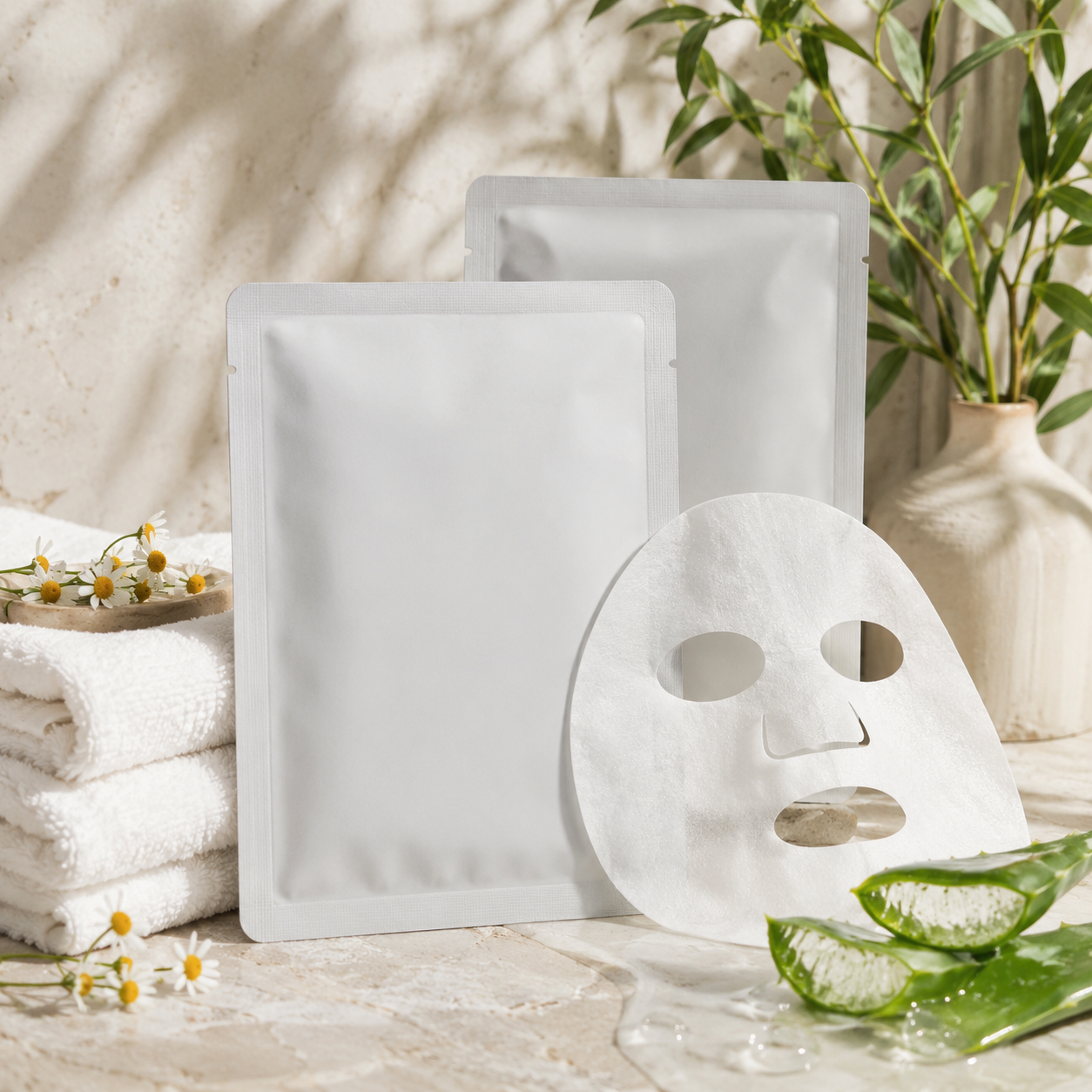
Sheet mask packaging cannot be scoped apart from the sheet and essence. EU cosmetic safety-report guidance treats manufacturing information, stability, microbiological quality, claimed-effect support and packaging interaction as product-specific evidence fields. It also makes clear that relevance depends on the product, which is why a universal test checklist is not a defensible substitute for risk-based review.
| Input | Why it changes development | What the buyer can send |
|---|---|---|
| Primary sachet concept | Barrier, dimensions, sealing and artwork area interact with fill and folded sheet | Reference pack, preferred construction, dimensions or target shelf presentation |
| Artwork status | Copy, ingredients, warnings, language and print area affect approval timing | Draft dieline, brand guide, required languages and approval owner |
| Secondary pack | Single units, multipacks and cartons change count, handling and shipping configuration | Units per pack, retail channel and outer-pack concept |
| Formula and fill | Viscosity, fragrance, actives and fill direction need review with the selected sheet and pouch | Benchmark, restricted ingredients, texture target and intended usage |
| Destination market | Market, claims and responsible-party choices affect label and dossier inputs | Country list, sales channels, responsible party and claim draft |
| Shipping configuration | Case count, route and handling expectations shape the commercial packing brief | Destination, requested delivery boundary and warehouse constraints |
Quote Inputs: Project Facts and Open Commercial Fields
This table separates confirmed company facts from items that must be confirmed in a project quotation. It avoids turning a competitor’s benchmark into a NEXO commitment.
Factory-scope reading rule
The supplied company brief establishes a factory-wide count of 56 production lines. It does not break the total into sheet-mask factory lines or assign a factory output rate to this page.
| Field | Current public wording | What closes the field |
|---|---|---|
| Manufacturing foundation | Dates back to 1999 | Client-supplied company history |
| Cosmetic manufacturing experience | More than 25 years | Client-supplied company profile |
| International business support | Dedicated team since 2020 | Client-supplied company profile |
| Formulation resources | 5,000+ company-wide | Project review identifies relevant directions; it is not an availability count for one SKU |
| Production lines | 56 company-wide | Written scope confirms the applicable manufacturing route and allocation |
| Development sample target | 3–7 business days | Written review confirms clock start, formula route and project applicability |
| International sample delivery target | 5–7 business days | Dispatch readiness, destination, carrier and customs conditions |
| Commercial production target | Within 15 days | Clock starts after formula approval and packaging qualification; quotation confirms remaining dependencies |
| MOQ | Confirmed in the written quotation | Formula route, quantity by SKU, sheet and packaging |
| Quality evidence | Defined per product and market | Risk, claims, test, dossier and responsible-party plan |
MANUFACTURING
Build a Product-Specific Quality Evidence Plan
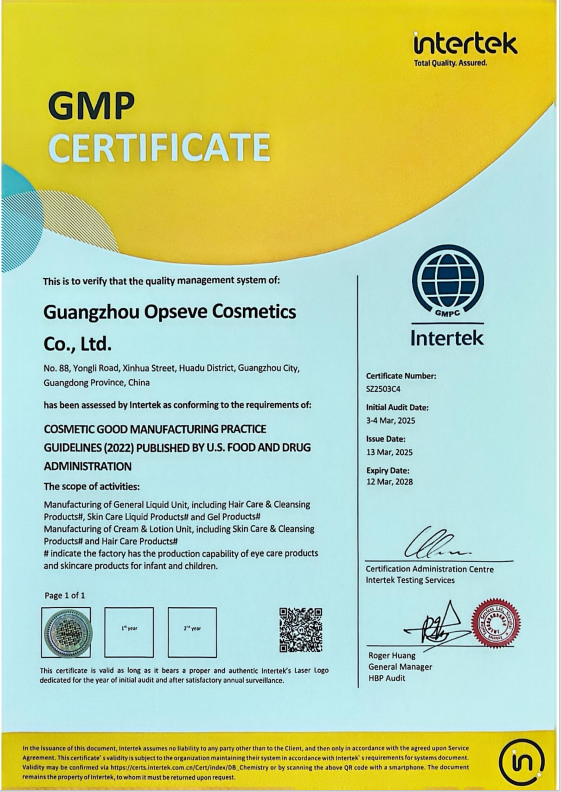
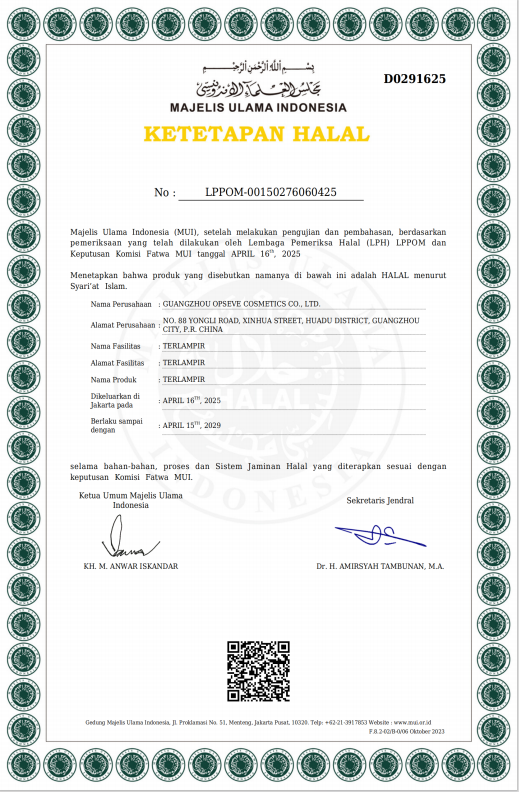
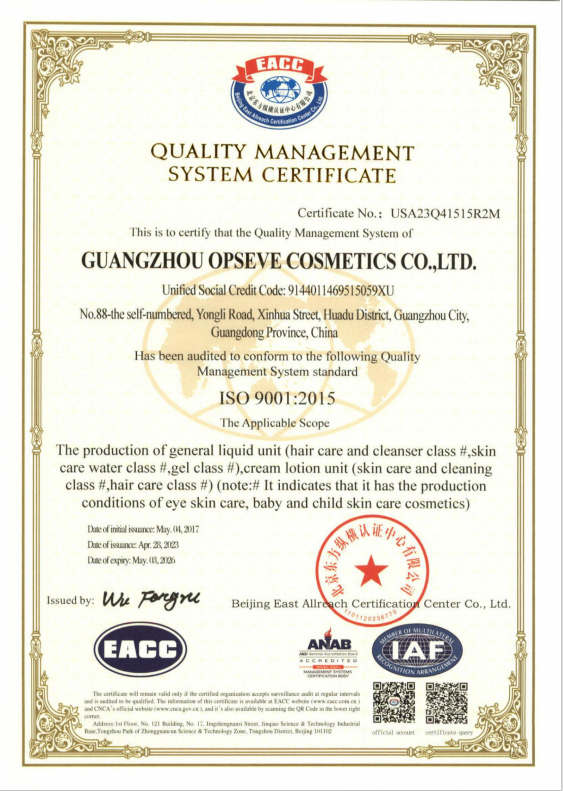
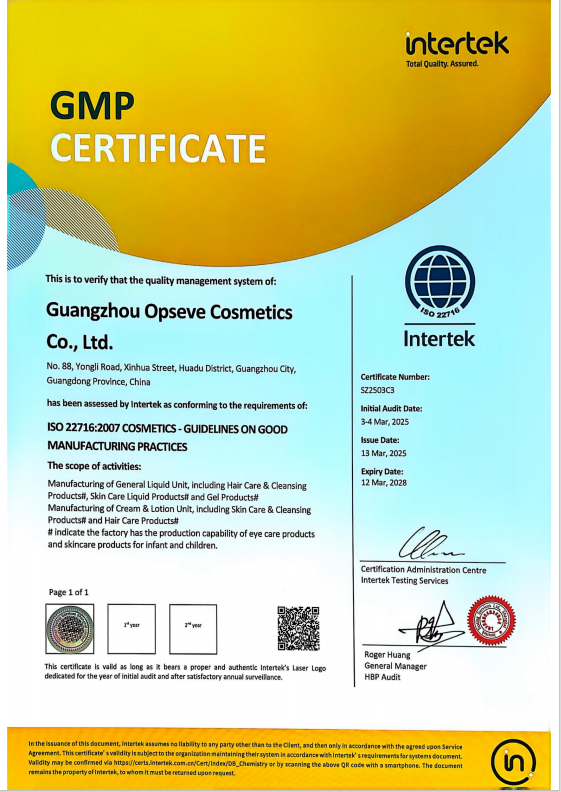
Evidence should expose the operating model
A supplier page can list many services while giving buyers no way to distinguish stock-formula relabeling from integrated OEM/ODM development. Useful proof is a product-specific evidence plan tied to the approved formula, sheet, pack and market.
ISO 21322:2020 addresses microbiological testing for cosmetics impregnated or coated onto substrates, including wipes and masks, because sampling can present format-specific challenges. ISO 11930:2019 covers preservation-efficacy and microbiological-risk information used to evaluate overall antimicrobial protection, with risk-based limitations.
- Capture requirements. Record the formula direction, sheet, packaging, use, market and claims before deciding which evidence is relevant.
- Define the test article. Identify whether evidence belongs to the bulk essence, impregnated mask, primary pack or finished commercial configuration.
- Align the approved direction. Keep the reviewed sample, specification, artwork and intended claims connected to one version.
- Control the production handoff. Translate approved inputs into production-management and quality-control checkpoints.
- Review release evidence. Confirm the agreed records, acceptance criteria and approval owner before commercial release.
Standards are references, not NEXO certificates
ISO 21322 and ISO 11930 show why sheet-mask microbiology and preservation need product-specific planning. Each project must separately confirm applicable tests, laboratories, results, registrations, certificates and acceptance requirements.
Support directions stated by NEXO
NEXO’s supplied brief lists ingredient-selection guidance, formula-review support, vegan formula options, cruelty-free concepts and U.S./EU documentation support. Each item needs a defined project scope; none should be read as automatic certification, legal approval or substantiation of a finished-product claim.
×
![Enlarged View]()
Keep Destination-Market Responsibility Visible
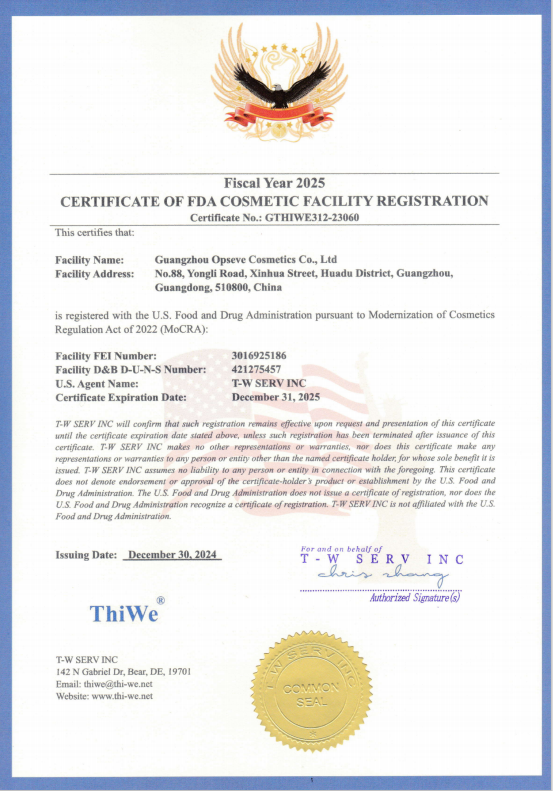
In the United States, FDA states that businesses manufacturing or marketing cosmetics carry legal responsibility for product safety and labeling, while MoCRA facility-registration and product-listing duties can apply subject to exemptions.
Responsible party
Name who owns market placement, safety records, notifications or listings and authority communication.
Safety substantiation
Define what information supports safe use for the final formula, sheet, pack and intended user.
Label and claims
Identify who reviews ingredients, warnings, languages, benefit wording and evidence before artwork approval.
Market submission
List facility, product, notification, dossier and local-representative inputs that may apply to the destination.
EU common criteria require cosmetic claims to be supported by adequate and verifiable evidence and assessed for legal compliance, truthfulness, honesty, fairness and informed decision-making.
Supplier comparison question
When evaluating a private label skincare supplier, ask who owns formulation decisions, sheet-format confirmation, packaging interaction, commercial production and destination-market responsibilities. Ownership should appear in the project record, not remain an assumption.
Sheet Mask Project Development Tools
Sheet Mask Project Brief Builder
Turn early product ideas into a structured first brief. Everything runs locally in your browser; this page does not submit or store the fields.
➜Quote Readiness Checklist
Check the inputs that are already defined. The score measures brief completeness, not supplier approval, product safety, regulatory compliance or production readiness.
➜Development Route Comparison
Use project priorities to identify a useful starting route. The result is a discussion prompt, not confirmation that a formula, material, pack, MOQ or timeline is available.
➜Sheet Mask Manufacturing FAQs
Vague answers at the enquiry stage create commercial risk because two suppliers may be pricing different formula, sheet, packaging or evidence scopes. Use these answers to identify what can be stated now and what still belongs in a written project review.
For a more detailed buyer checklist, read our sheet mask manufacturing guide.
What information should I send for a sheet mask manufacturing enquiry?
Send the target market, preferred development route, quantity by SKU, formula direction, sheet preference, packaging concept, artwork status, intended claims and requested launch window. References are helpful when they are labeled as direction rather than as specifications to copy.
Does NEXO offer private label sheet mask manufacturing?
NEXO’s supplied profile covers cosmetic OEM and ODM product development, formulation innovation, production management and scalable manufacturing. An exact existing-formula, formula-adaptation or custom route must be confirmed against the project brief.
Is a private label face mask the same as a medical mask?
No. Here, the scope is a cosmetic facial sheet mask impregnated with a skincare essence, not PPE, a medical device or a disease-treatment product.
Which sheet materials can I request?
You can state a preferred direction such as nonwoven, cotton, bamboo, bio-cellulose or hydrogel. NEXO must confirm feasibility, construction, supply and compatibility for the actual project before the option is treated as available.
Can I customize the essence and active ingredients?
Use the brief to define cosmetic benefit, texture, fragrance, ingredient restrictions and claim direction. Development review determines feasible formulation scope and the evidence questions attached to the intended claims.
What is the MOQ for a private label sheet mask?
There is no verified public NEXO number in the supplied materials. A written quotation should confirm the project MOQ after route, formula, sheet, packaging, quantity by SKU and component constraints are reviewed.
How long do samples and production take?
NEXO’s supplied brief lists 3–7 business days for sample development, 5–7 business days for international sample delivery and commercial production within 15 days after formula approval and packaging qualification. Ask the written quotation to confirm applicability, clock starts, revisions, artwork, component readiness, testing, order conditions and destination variables. A change to the approved formula or pack can reopen part of that schedule.
Does naming ISO 21322 or ISO 11930 mean NEXO is certified?
No. These standards provide relevant microbiology and preservation context; certification, laboratory scope, completed tests and product results require separate project evidence.
Who is responsible for cosmetic claims and market submissions?
Responsibility depends on the destination market and contractual role split. Record the responsible party, safety owner, label reviewer, claim-evidence owner and submission or notification owner before launch.
How do I compare two manufacturers fairly?
Compare the same development route, formula scope, sheet direction, packaging bill of materials, sample plan, evidence list, quantity, approval path and delivery boundary. A lower headline unit price is not comparable if those inputs differ. Ask both suppliers to list exclusions and clock-start conditions in writing, then compare the resulting scope rather than the promotional headline.