Get in touch with NEXO Beauty Labs Company
Clean Beauty Manufacturing for Skincare Brands
Clean beauty manufacturing at NEXO starts with your market rule, ingredient policy, claim plan and packaging direction—not with a supplier-defined blacklist. We turn those inputs into a formula route, sample plan, evaluation scope and production brief your brand can review before scale-up. When comparing a clean beauty contract manufacturer with a vegan private label skincare manufacturer, use the same written requirements to judge both routes.
Discuss Your Clean Beauty Project
- Standard MOQ starts from 10,000 units for most skincare products
- Final MOQ is confirmed against formula, format and packaging requirements.
Clean Beauty Formulation and R&D Capabilities
NEXO combines in-house R&D with cosmetic OEM and ODM manufacturing for brands that need more control than an off-the-shelf label change. We support custom formulation, formula matching and co-development across skincare project stages. A clean beauty manufacturer should connect the ingredient rule to a controlled formula, pack and production handoff.
Our team reviews the intended user, product format, ingredient inclusions, exclusions and claim direction before building the formula brief. Ingredient selection then connects to texture, sensory profile and the evidence your launch route needs.
We move from formula development into laboratory testing, sample evaluation and structured feedback. Each revision should answer a defined question instead of changing several variables without a decision record.
We connect approved formula, chosen packaging, written specifications and quantity inputs before commercial production. That handoff reduces the risk of treating sample approval as permission to change the pack, claim set or ingredient policy later.
Three development routes
- Custom formulation: build against a differentiated brief, target texture and evidence plan.
- Formula matching: define the reference profile, acceptable differences and comparison criteria before lab work.
- Co-development: divide decisions across your product team and NEXO R&D, with approval points recorded as the brief evolves.
Translate broad labels into specifications
Cosmetic manufacturing and contract manufacturing start with the same need for a controlled formula, pack and approval record.
For a personal care product or wider skin care program, identify every skincare line, cleanser and format that belongs in the project. Words such as “eco-friendly,” “compliant” and “high-quality” need a named rule, measurable acceptance criterion and evidence owner before they can guide a care product brief.
Ingredient and Claim Inputs for Clean and Vegan Skincare
A clean skincare manufacturer cannot choose what “clean” means for every brand, retailer and market. Your brief needs a named policy owner and a written rule set before ingredient screening begins. A scope gap creates risk because NEXO Beauty Labs can screen only against that written policy.
Input
What the brand defines
What NEXO uses it for
Target market
Launch countries, sales channels and label-side responsible party
Formula and record questions that must be settled before approval
Clean policy
Named retailer program, brand policy or explicit ingredient-exclusion list
Ingredient screening and replacement decisions
Natural-origin method
Whether ISO 16128 calculations or another method is requested
Ingredient-data requests and calculation inputs, without turning the method into a safety claim
Vegan scope
Animal-derived ingredients, processing aids, supplier declarations and third-party mark
Supplier questions and formula review boundaries
Cruelty-free scope
Finished formula, raw materials, contract labs, historical testing and current company policy
Evidence checklist kept separate from vegan ingredient status
Claim plan
Exact consumer-facing words and the party responsible for substantiation
Formula, test and record inputs tied to the intended claim
ISO 16128-1 supplies definitions for natural and organic cosmetic ingredients, but its scope does not cover claims, human safety, packaging or regulatory requirements. Use it as one input method, not as a blanket clean-beauty approval.
FDA says natural or organic sourcing is no guarantee of safety. A study of 1,470 clean-labelled products found 1,379 contained at least one potential allergen, which is why ingredient policy and safety review must remain separate decisions. More exclusions are not always a complete safety strategy; the trade-off belongs in a product-specific substantiation plan.
- For clean beauty private label, name the policy, market and claim owner before ingredient screening.
- For vegan formulation, define ingredient origin, processing aids, supplier evidence and cross-contact expectations.
- Private label vegan cosmetics still need separate vegan and cruelty-free evidence because the two are not interchangeable.
- Ask every vegan skincare manufacturer to answer the same evidence checklist.
Formula, Texture and Delivery-System Routes
Design around the user, not the trend: custom skincare formulation works best when the brief describes the intended experience and product behavior, not just fashionable ingredients. We translate that brief into a formula route that can be sampled, evaluated and prepared for scale-up. Every trade-off between texture, delivery system, preservation and packaging belongs in the sample record.
Texture
- Sensorial direction
- Light fluid, serum, gel, lotion, cream or balm format
- Absorption speed, cushion, slip, tack and after-feel
- Fragrance direction or fragrance-free requirement
- Color, opacity and visible-particle expectations
Delivery
- Ingredient-delivery concepts
- Conventional emulsions and aqueous systems
- Plant-based freshness-lock capsule concepts
- Sustained-release direction where the brief supports it
- Liposomal encapsulation as a formulation route, not an automatic efficacy claim
Performance
- Target attributes
- Hydration, barrier-support, soothing or brightening direction
- Texture stability across expected storage conditions
- Preservation and microbiological quality questions
- Compatibility with the intended primary pack
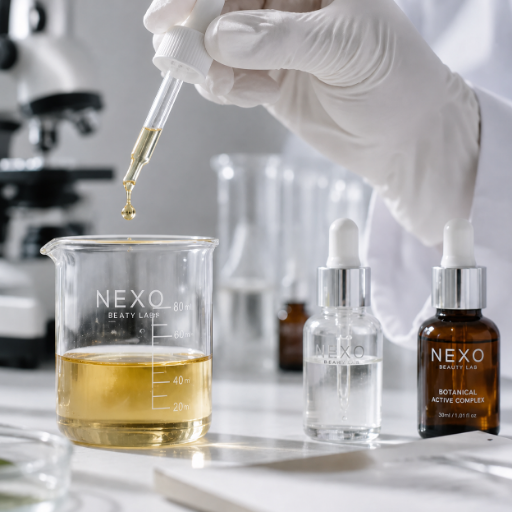
Evidence
- Claim-ready inputs
- Exact proposed claim wording
- Ingredient supplier data available to the project
- Additional testing requested by the brand or assessor
- Acceptance criteria recorded before results are interpreted
“A clean formula brief is useful only when the exclusions, texture target, packaging direction and evidence owner point to the same product.”
Clean Beauty Requirement Specification and Responsibility Plan
Six decision points make broad clean-beauty requirements reviewable. Our Clean-Beauty Requirement Intake Ledger gives brand, R&D, sourcing and market teams one place to see what is fixed, what remains open and who owns the next answer.
| Checkpoint | Required input | Approval output |
|---|---|---|
| 01 · Market rule | Launch market, channel, retailer policy and label-side role | Named market scope and responsibility owner |
| 02 · Ingredient policy | Inclusions, exclusions, allergens of concern and natural-origin method | Screening list ready for formulation |
| 03 · Vegan assurance | Ingredient, processing-aid, testing, cross-contact and certification expectations | Evidence request list with no vegan/cruelty-free conflation |
| 04 · Product experience | Format, texture, fragrance, color, user and use pattern | Sample evaluation sheet with decision criteria |
| 05 · Pack system | Primary pack, closure, decoration, fill format and materials | Formula-pack evaluation scope |
| 06 · Claims and records | Proposed wording, substantiation owner, requested reports and retained records | Evidence plan linked to approval and release decisions |
| 07 · Commercial release | Quantity, SKU count, pack readiness and approved master inputs | RFQ and production handoff package |
Use one change log
When an ingredient exclusion, fragrance choice or packaging component changes, record which formula, evaluation and claim decisions reopen. This prevents an approved sample from being treated as approval for a different commercial configuration.
MOQ, Quotation Inputs and Production Planning
Clean-beauty quotation is costed to your specific inputs. Price follows the chosen formulation route, ingredient and test scope, packaging configuration, number of SKUs and order quantity. We build the quotation from those inputs rather than presenting a fixed clean-beauty price list.
- Ready formula, formula matching or custom/co-development route
- Ingredient policy and supplier-evidence requests
- Texture and delivery-system complexity
- Testing, sample and packaging-compatibility scope
- Primary pack, decoration and component sourcing
- SKU count, fill size and total production quantity
- One approved ingredient and claim policy
- Named decision owners for formula, packaging and market
- Pack samples available before final compatibility work
- Written sample feedback against the same acceptance criteria
- Artwork and label text controlled as project inputs
- One commercial handoff record for the approved configuration
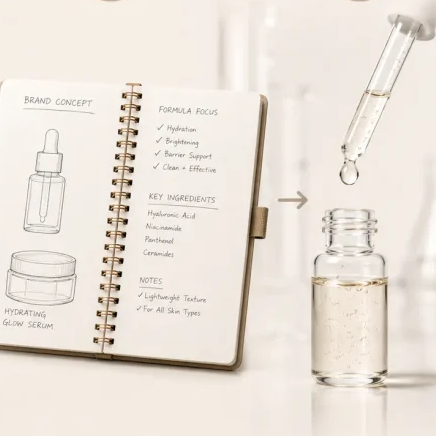
Inventory exposure belongs in the first conversation
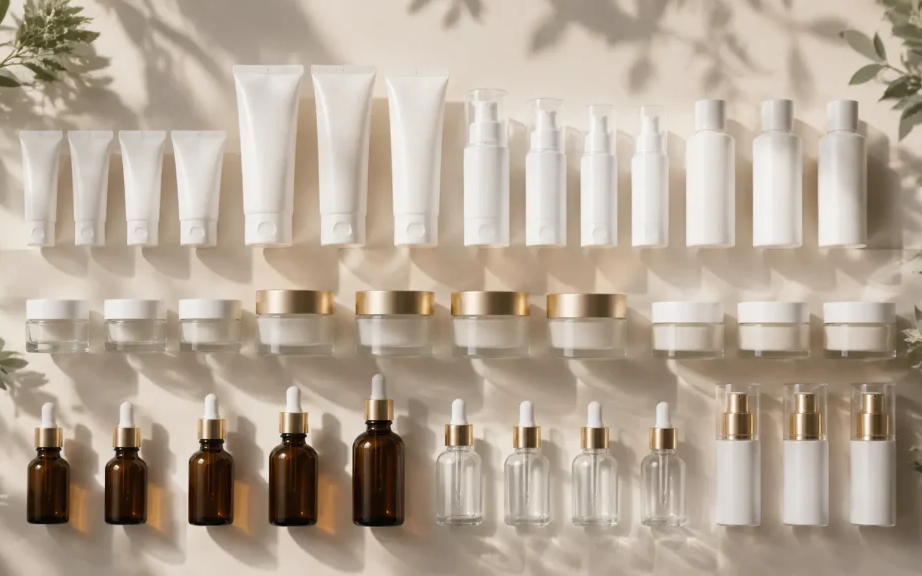
Standard minimum order quantity starts from 10,000 units for most skincare products; final MOQ is confirmed against formula, format and packaging requirements. Minimum order quantities can change by formula, format and pack, while large inventory commitments can arrive before demand is proven. Brands launching several SKUs should compare simultaneous production with a staged release before requesting a final quotation.
Testing, Packaging Compatibility and Quality Records
NEXO's documented development scope includes stability testing, high- and low-temperature review, freeze-thaw cycles, centrifuge evaluation, packaging compatibility and microbiological testing. Packaging that fits the concept may not fit the formula, and late pack selection costs you a controlled comparison point. Test availability is not the same as a completed result, safety substantiation or authorization to enter a market.
Workstream
Question it answers
Decision it should feed
Stability evaluation
Does the formula stay within the agreed physical and sensory criteria under the selected conditions?
Formula revision, acceptance criteria and shelf-life evidence plan
Temperature and freeze-thaw review
Which changes appear under defined thermal stress?
Formula, storage and transport follow-up
Centrifuge evaluation
Does the system show early separation under the chosen screening method?
Emulsion or suspension adjustment before later gates
Packaging compatibility
Does the intended formula interact with the pack, closure or dispensing format?
Pack choice, formula change or further observation
Microbiological work
Does the product meet the written microbiological criteria for the planned stage?
Preservation, batch or safety-review follow-up
Sample evaluation
Does the sample meet the agreed texture, appearance, odor and use criteria?
Approval, revision or a new controlled sample round
Target-Market Roles Before Formula Approval
Our roles don’t fill yours. A skincare contract manufacturer can supply development and production inputs without automatically becoming every legal or market-facing role. Assign those roles before formula approval so listing, safety, label and evidence work does not become a launch-day surprise.
| Decision area | United States input | European Union input |
|---|---|---|
| Named market role | The MoCRA Responsible Person is the manufacturer, packer or distributor whose name appears on the label. | Each product must be linked to an EU-established Responsible Person. |
| Facility and product action | Manufacturing or processing facilities register; the Responsible Person lists marketed products and updates listing data. | The Responsible Person coordinates the product's required market responsibilities and notification inputs. |
| Safety evidence | The Responsible Person maintains records supporting adequate safety substantiation. | The Product Information File includes the Cosmetic Product Safety Report documenting the safety assessment. |
| Brand decision | Name the label-side party, safety-record owner and submission owner before release. | Name the Responsible Person, safety assessor path, PIF owner and notification owner before market placement. |
This is a responsibility map, not legal advice
Use the table to identify the owner and required input for your launch route. Confirm the final allocation with qualified regulatory counsel or the appointed Responsible Person for the destination market.
From Clean-Beauty Brief to Commercial Production
Our product development path keeps each approval attached to the configuration that earned it. A formula, pack, claim or market change can reopen earlier checks, which is cheaper to recognize in the change log than after production planning.
Define the commercial brief.
Record user, market, channel, clean policy, vegan scope, claim direction, pack direction, quantity and SKU plan.
Select the formulation route.
Choose custom formulation, formula matching or co-development and identify which inputs are fixed.
Develop and review samples.
Evaluate texture, appearance, odor, application and other agreed criteria against one feedback sheet.
Connect formula and packaging.
Place the intended primary pack into the compatibility and evaluation scope before commercial approval.
Close evidence and responsibility gaps.
Confirm test requests, record outputs, target-market owners, artwork inputs and claim substantiation owner.
Approve the commercial configuration.
Freeze the formula, pack, specification and quantity inputs used for quotation and production planning.
Move into manufacturing.
Produce against the approved project file while keeping formula history, test records and retained-sample links traceable.
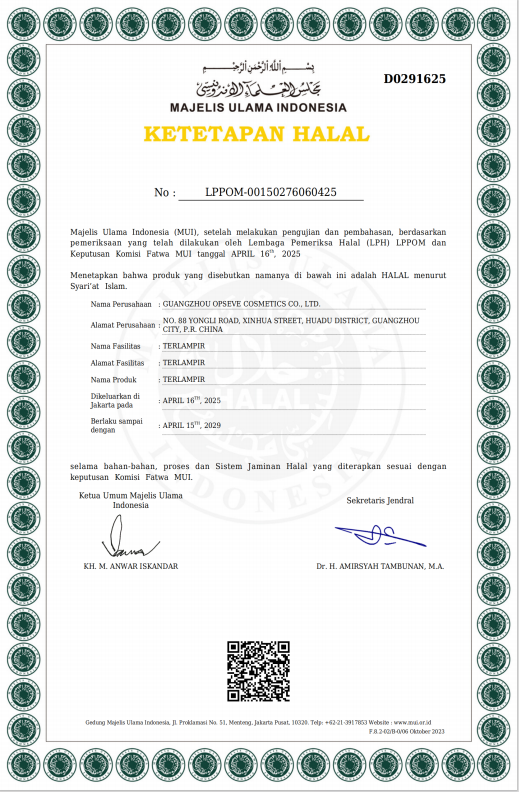
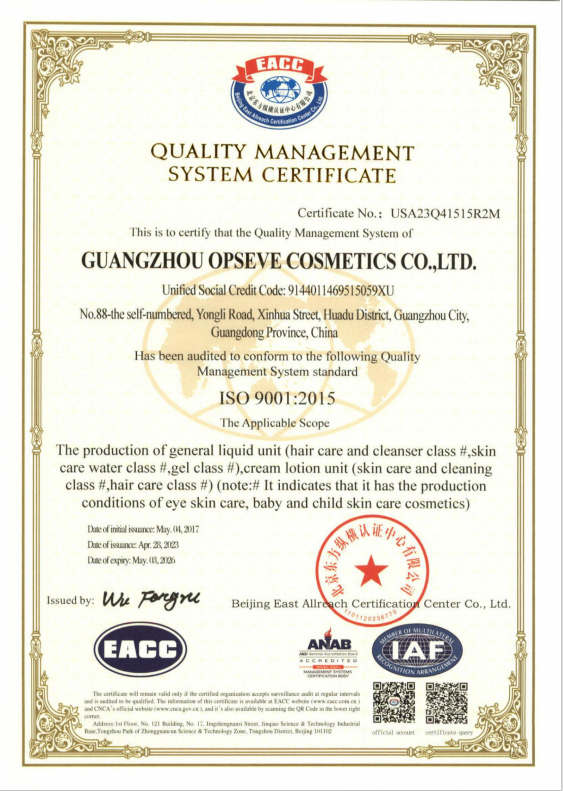
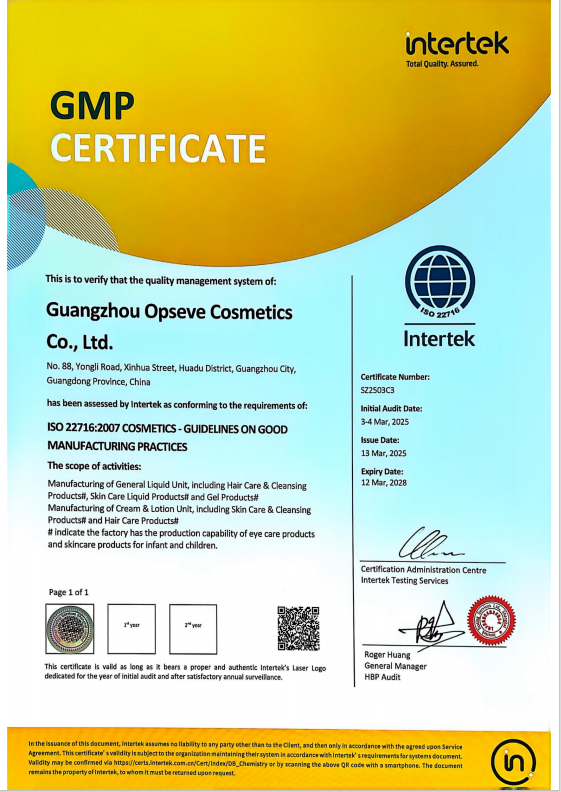
NEXO Beauty Labs R&D and Manufacturing Scope
NEXO Beauty Labs has a skincare manufacturing foundation dating to 1999, supported by experience in cosmetic formulation development, production management and quality control. Since 2020, our international business team has worked with beauty brands, e-commerce companies, distributors and private-label partners across markets.
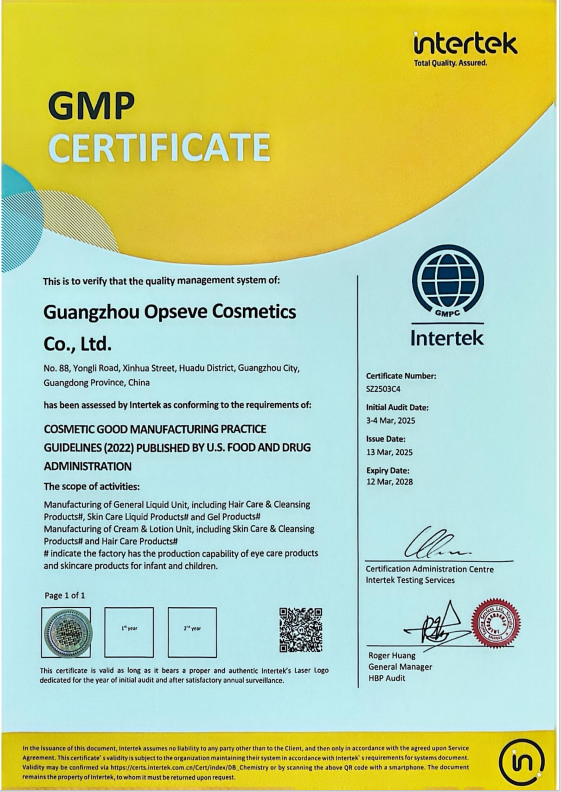
In-house R&D
NEXO Beauty Labs supports ingredient selection, formula development, texture and sensory work, laboratory evaluation and sample review. This scope gives product teams one development path from concept inputs to an approved manufacturing file.
Skincare, hair care and body care
Our OEM and ODM work spans skincare, hair care and body care. This page stays focused on clean and vegan-ready skincare so the buyer can evaluate the right formulation and production decisions without broad category noise.
Records and continuity
We maintain R&D records, retained samples, formula history, test records and project files. Those records help the team trace which version, pack and approval criteria belong to the commercial product.
Clean Beauty Manufacturing FAQs
What does NEXO need before starting a clean beauty formulation?
Provide the target market, retailer or brand policy, ingredient inclusions and exclusions, product format, texture direction, vegan scope, claim plan, pack direction, quantity and SKU count. The project brief should also name who approves formula, packaging, claims and market evidence.
Is clean beauty a single manufacturing standard?
No single clean-beauty definition governs every retailer, brand and market. NEXO formulates against the written policy supplied for the project, while ISO 16128 may be used only for the natural-origin definitions within its stated scope.
Does natural or organic automatically mean safer?
No. FDA states that natural or organic sourcing is no guarantee of safety, so ingredient choice still needs suitable safety data and any additional testing justified by the product, use, claim and user.
Is a vegan formula automatically cruelty-free?
No. Vegan ingredient origin and cruelty-free assurance cover different questions, including supplier testing, contract laboratories, historical testing and the company's current policy.
Can NEXO support a third-party vegan certification request?
State the named standard and evidence list in the brief so feasibility can be reviewed with the formula and supplier inputs. This page does not claim that NEXO or every NEXO formula holds a vegan certification.
What clean skincare formats can be developed?
Development can cover fluids, serums, gels, lotions, creams, balms and other skincare formats aligned with the brief. Final feasibility follows the formula, ingredient policy, texture target, packaging system and evaluation plan.
What testing can be included in development?
NEXO's documented scope includes stability, high- and low-temperature, freeze-thaw, centrifuge, packaging compatibility and microbiological testing. The exact test plan, acceptance criteria and outputs are defined for the project; availability alone is not a passed result or market authorization.
When should packaging be selected?
Select the intended primary pack early enough to include it in formula-pack evaluation before commercial approval. A pack change can reopen compatibility, dispensing, artwork and claim decisions.
Who owns the formula and development records?
Ownership, confidentiality, technology-transfer and record-access terms should be settled in the project agreement. NEXO keeps R&D records, retained samples, formula history, test records and project files, but this page does not invent ownership or NDA terms.
What is the MOQ for clean beauty skincare?
Standard MOQ starts from 10,000 units for most skincare products; final MOQ is confirmed against formula, format and packaging requirements. Share the SKU count, fill size and pack direction before treating that starting point as the final production quantity.
How long does clean beauty product development take?
The schedule follows the starting route, brief completeness, sample feedback, packaging readiness, test scope and number of controlled revisions. NEXO confirms the project schedule after those dependencies are reviewed rather than publishing one universal lead time.
What should be included in a quotation request?
Send the formula route, product format, ingredient policy, quantity, SKU count, pack choice, target market, claim direction, test requests and current artwork status. Use the RFQ Readiness Check to find missing inputs before opening the popup enquiry.
Definition context: ISO 16128-1 scope for natural and organic cosmetic ingredients.