Get in touch with NEXO Beauty Labs Company
Contact Form 使用中
OPTIONAL DETAILS Company Information
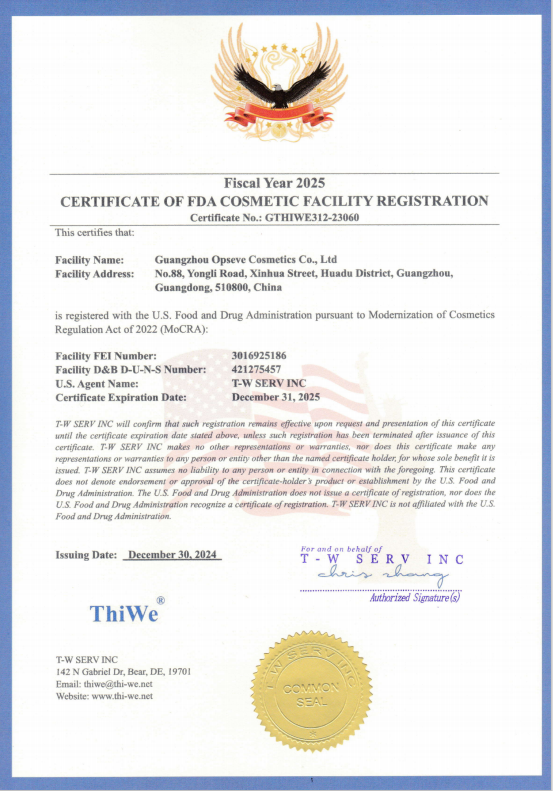
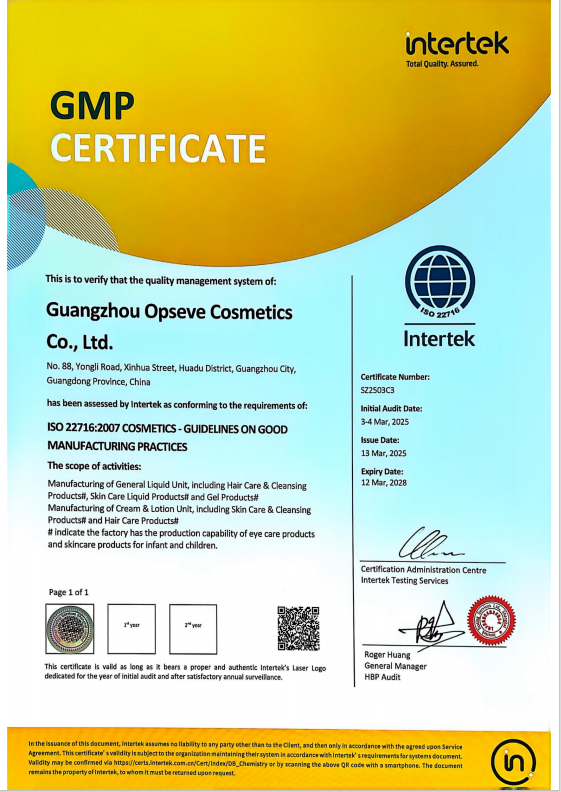
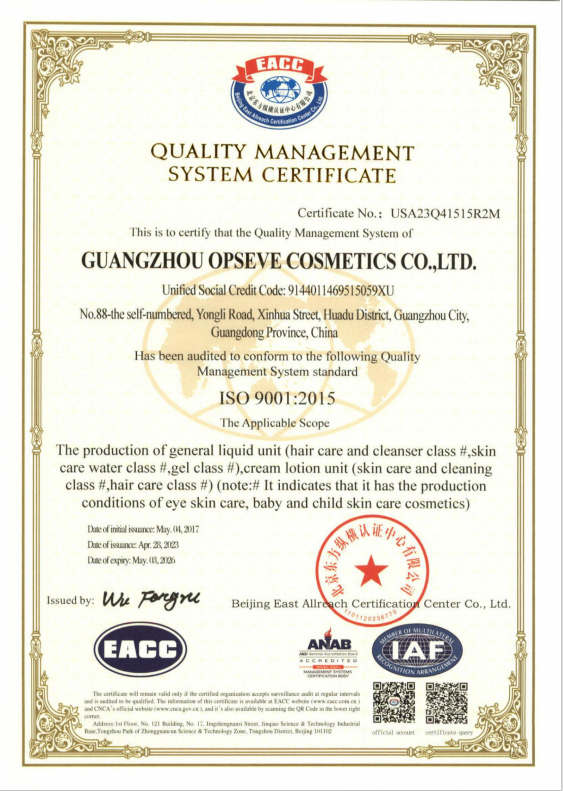
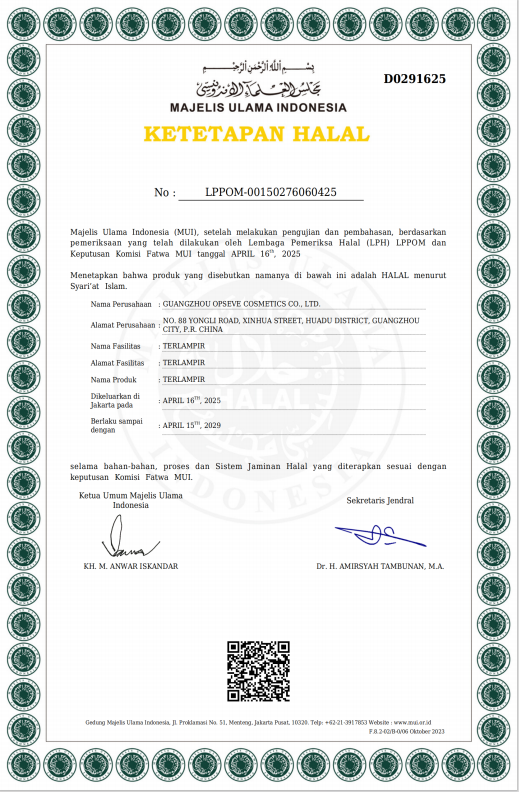
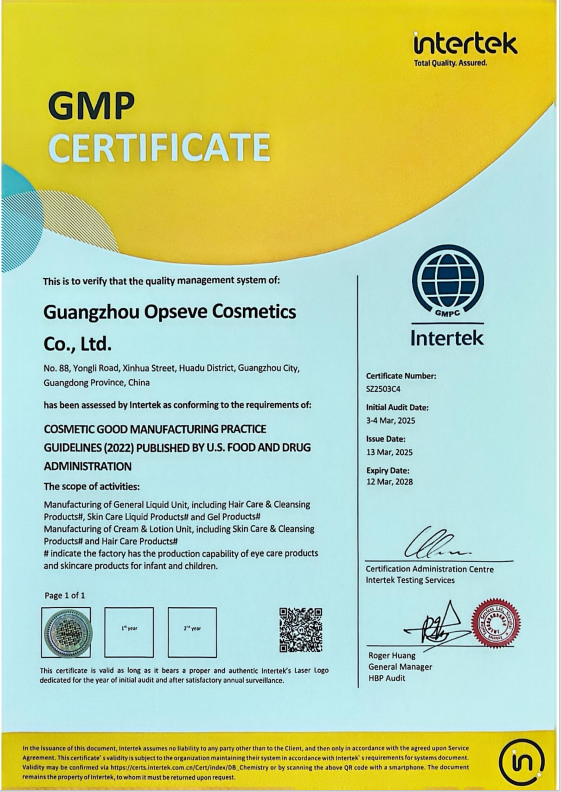
ISO Certified

Cosmetic Quality Management

Cosmetic Quality Management for OEM & ODM Production

NEXO Beauty Labs connects cosmetic quality management to the manufacturing evidence a beauty brand needs to review. Our client-supplied process covers skincare, hair care, body care and special-format production from incoming raw material status through in-process controls, finished product review and documented batch release.

Discuss Your Quality Requirements
Cosmetic Quality Management for OEM and ODM

Process checkpoints

We connect material receipt, production, bulk review, filling, packaging and final review to defined control points.

Batch records

We use batch identification, production, inspection, release and retained-sample references to support traceability.

Audit access

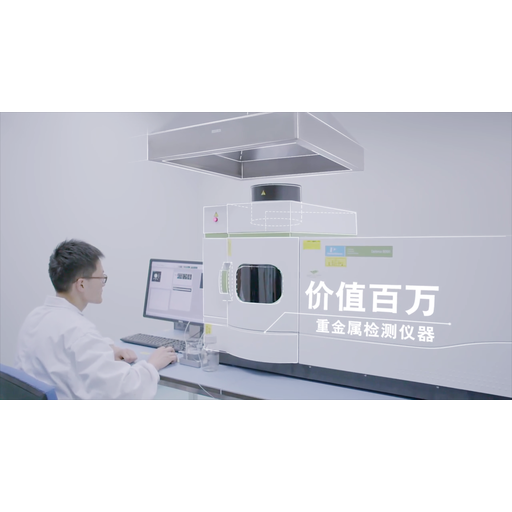
Factory visits, remote video tours and third-party audit support can be discussed for the project scope.

Quality Evidence Review Map

A quality management system becomes easier to assess when each stage identifies a control point, an evidence object and the status of that evidence. This map keeps a buyer review separate from certification, audit approval and product-safety conclusions.

Incoming Material Status

Control point: material receipt and incoming inspection. Evidence object: received-lot and incoming inspection record.

Client-Supplied Process Claim

In-Process Checks

Control point: approved production instructions and applicable process checks. Evidence object: in-process inspection record.

Client-Supplied Process Claim

Bulk-Product Review

Control point: bulk batch against the applicable specification. Evidence object: bulk inspection record.

Client-Supplied Process Claim

Filling and Packaging

Control point: approved pack and filling requirements. Evidence object: filling-weight and packaging inspection record.

Client-Supplied Process Claim

Finished-Product Review

Control point: finished batch and approved quality standards. Evidence object: finished-product inspection record.

Client-Supplied Process Claim

Batch Review and Release

Control point: complete production and inspection set. Evidence object: release record and retained-sample link.

Requires Project Confirmation
+

Raw-to-Release Manufacturing Evidence Chain

The chain below focuses on pre-release cosmetics manufacturing. It links each stage to a record and a release consequence without assigning legal duties, third-party inspection ownership or a universal nonconformance procedure. Release testing is not a substitute for upstream process control.

Raw-to-Release Manufacturing Evidence Chain
Stage Input Control activity Evidence object Release consequence
01 Incoming Material identity, supplier documents and received lot Incoming raw material inspection Incoming record and lot status Accepted, held or escalated before use under the agreed procedure
02 In process Approved formula and process instructions Applicable pH, viscosity, appearance, odour and process control In-process inspection record Continue, adjust under procedure or hold for review
03 Bulk Bulk batch and applicable specification Bulk-product review Bulk inspection record Eligible or not eligible to move to filling review
04 Fill and pack Approved packaging and fill requirements Filling-weight and packaging inspection Filling and packaging record Continue, segregate or investigate under project procedure
05 Finished product Finished batch and approved specification Finished-product and batch-consistency review Finished-product inspection record Ready or not ready for batch review
06 Release Complete production and inspection set Batch review against the approved scope Release record and retained-sample reference Release follows documented review, not an isolated assurance statement

Control

We map the approved product and process inputs to the point where an inspection or review occurs.

Record

We identify the production or quality control record that should preserve the decision trail for the batch.

Consequence

We define what must be reviewed before the batch moves to the next manufacturing stage.

“A useful control point answers three buyer questions: what was checked, which record preserves the result, and what decision follows.”

Nexo Quality Review Principle

Incoming Material and Production Controls

The client material lists quality control categories across raw material and finished product handling. These controls help minimize the risk of contamination, while microbial and microbiological methods, sampling, frequency, limits and record formats still need to be verified against the product, target market and approved specification.

Control area What is checked Project specification input Record and open point
Material receipt Material identity, received lot and supplier documentation Approved source, identity and release requirement Incoming record; supplier qualification depth requires confirmation
Appearance and odour Observable product attributes where applicable Approved reference and acceptance description Inspection record; evaluator, lighting and method require confirmation
pH Project-defined pH check where applicable Method, sample condition and acceptance criteria In-process or finished-product record; limits require confirmation
Viscosity Project-defined viscosity check where applicable Instrument, temperature, method and acceptance criteria Inspection record; instrument identity and limits require confirmation
Control area What is checked Project specification input Record and open point
Microbiological Microbiological check category named in the client material Method, sampling, frequency, product scope and acceptance criteria Microbiological record; organisms, limits and laboratory scope require confirmation
Filling weight Fill requirement against the approved packaging scope Nominal fill, sampling and acceptance rule Filling record; frequency and disposition procedure require confirmation
Packaging Applicable component, assembly and presentation checks Approved component, artwork and inspection criteria Packaging inspection record; compatibility is a separate scope
Batch consistency Finished batch against the agreed product quality specification Reference, checkpoints and acceptance owner Finished-product review; stability and shelf life are not inferred
  • Approved product specification
  • Sampling expectation
  • Acceptance criteria owner
  • Required record format
Incoming Material and Production Controls

Batch Records and Traceability

Cosmetic batch traceability depends on connected records, not only a batch code printed on a pack. Our client-supplied material identifies batch ID, production, inspection, release and retained-sample records as the core traceability view.

Batch Record Completeness Lens

Missing or disconnected batch records make investigation and release review harder. The lens checks whether batch identification, production, inspection, release and retained-sample references form one reviewable evidence chain.

Batch identification

Connects the finished batch to the production reference and applicable material-lot trail.

present in client process description

Production record

Shows which approved instructions and manufacturing stages were recorded for the batch.

project-defined detail

Inspection record

Shows which in-process and finished-product checks were documented for review.

project-defined detail

Release record

Links the completed review set to the decision that allowed the next shipment step.

requires project confirmation

Retained sample

Provides a reference point for later comparison or investigation within the agreed retention scope.

present in client process description

Buyer review view

Separates records that are present, project-defined or still awaiting confirmation before production.

buyer-requested evidence

Routine-versus-Specialist Test Boundary

Routine checks are sometimes confused with safety, efficacy, compatibility and claim-substantiation programmes. A routine manufacturing check is not automatically a complete specialist test programme. FDA states that it does not prescribe one fixed test list for every cosmetic product or ingredient, so the required evidence must be scoped to the actual formula, packaging, use and market.

Routine controls named in client material

Appearance and odour, pH, viscosity, microbiological, filling-weight, packaging and batch-consistency checks

Project-defined verification

Method, sampling, frequency, acceptance criteria, record format and product or pack scope

Specialist or external scope to confirm

Safety, efficacy, claim substantiation, stability testing, cosmetic packaging compatibility testing, market-specific work and accredited laboratory testing

Do not assume

  • A routine check is not shelf-life proof.
  • A batch record is not market approval.
  • A packaging inspection is not a universal compatibility result.
  • Registration or listing is not product certification.

Scope does not transfer responsibility

Testing can be defined separately or performed by a specialist laboratory, but product safety and market-facing duties do not disappear. The applicable manufacturer, brand owner, importer, distributor or responsible person must be identified under the target market before operational tasks are assigned.

Practical handoff: verify the evidence gap first, then decide whether available data, additional testing or an external laboratory workstream is needed. A specialist test scope is not a substitute for identifying statutory responsibility. The page does not claim that NEXO performs every cosmetic finished product testing method.

Cosmetic Quality Management Across Product Categories

The same control architecture can receive different formula, process, packaging and quality standards without pretending that every category uses the same test plan. NEXO's client material identifies skincare, hair care, body care and special formats within its cosmetics manufacturing scope.

Skincare

Align formula state, bulk controls, pack format and the approved cosmetic product specification.

Hair care

Align the process route, applicable in-process checks, filling requirements and finished products review.

Body care

Align product quality inputs, packaging inspection and the batch record set before release.

Special formats

Confirm the format-specific process, pack interface, inspection scope and specialist testing needs.

Formula state

Approved, transferred or still under development

Pack format

Components and filling interface

Target market

Applicable legal and evidence route

Acceptance specification

Method, limit and decision owner

×
Enlarged Cosmetic Image

Audit and Review Access

Factory access is most useful when the buyer arrives with defined review questions. NEXO's client material states that factory visits, remote video tours and third-party audit support are available, while timing, scope, evidence access, confidentiality and third-party terms require confirmation.

Factory visit

Prepare the process route, target records, traceability questions and areas your quality team needs to review.

client-supplied access claim

Remote video tour

Define the manufacturing stages, visible scenes and document discussions needed for the remote session.

requires project confirmation

Third-party audit support

Confirm the auditor, inspection scope, evidence request, schedule, cost ownership and report recipient in advance.

requires project confirmation
Audit and Review Access

Quality Evidence Perimeter

Buyer review topic Current NEXO evidence status What to confirm
Personnel competence and training Buyer-requested evidence Role, training record and review access
Hygiene, sanitation and cleanliness Buyer-requested evidence Procedure, area, frequency and record
Water-system controls Buyer-requested evidence Intended use, maintenance, monitoring and record
Equipment maintenance and calibration Buyer-requested evidence Equipment scope, service record and calibration status
Storage and material status Client-supplied process claim Status control, location, conditions and traceability
Deviation, rejected or returned product handling Requires project confirmation Procedure, decision authority and record trail
Distribution and complaint records Requires project confirmation Applicable legal role, evidence owner and handoff timing
Corrective action, withdrawal or recall interface Requires project confirmation Statutory duty, operational contact and written escalation route
Quality Specification Handoff Background

Quality Specification Handoff

A control point is only as clear as the input behind it. The handoff should connect product, packaging, market, quality control, record and role information before production begins.

01

Product and Process

  • Product category and formula status
  • Packaging format and approved components
  • Required manufacturing checkpoints
  • Approved quality specification

Verification and Records

  • Sampling expectation and method
  • Acceptance criteria and decision owner
  • Required production and inspection record format
  • Retained-sample and external-test responsibility
02

Market and Roles

  • Target market and branding arrangement
  • Manufacturing entity and importer or distributor
  • Responsible person or equivalent where applicable
  • Complaint, return, distribution and withdrawal interface

Legal Allocation Comes First: the target market may assign a role directly to a manufacturer, importer or label-linked party. A written mandate or project scope can document operational responsibility, but it cannot erase a statutory duty.

03

Quality Scope Boundaries

This page is designed for a beauty brand evaluating manufacturer-side controls, batch evidence and the project handoff. Because the cosmetic industry operates across markets, a cosmetic regulation in one jurisdiction may allocate roles differently from cosmetics regulation in another.

The page does not replace an independent laboratory, certification body, legal adviser, quality management software platform or consumer batch-code service.

Good Fit Confirm First Separate Workstream or Provider
OEM and ODM production controls, batch records, retained samples, inspection evidence and pre-release handoff Specific methods or limits, external laboratory scope, market documents, third-party audit terms, compatibility, stability, efficacy and claims Certification issuance, legal-role opinions, independent testing, consumer batch lookup, regulatory approval and QMS software
04

Release-to-Market Quality Handoff

Distribution Traceability: Identify the legally responsible party, distribution evidence, recipient and update timing for the target market.

Complaints and Adverse Events: Identify the statutory role, intake channel, escalation contact, record owner and notification interface.

Returned Goods and Corrective Action: Confirm who evaluates the product, who decides the action and how evidence returns to the manufacturing record.

Withdrawal or Recall Interface: Confirm the applicable authority, decision owner, distribution data, communication route and NEXO's project-specific role.

Market-release responsibilities are assumed instead of assigned when the statutory role is left blank. In the United States, facility registration and product listing are distinct duties, and FDA states that they are not product approval or certification. A contract handoff is not a substitute for duties assigned by law, so the exact supply chain handoff must be verified for each market.

Cosmetic Quality Management Tools

01

Batch Record Readiness Review

Use this checklist to identify which core batch-record references are ready for a manufacturer discussion. It does not verify record accuracy, regulatory compliance or batch release.

02

Quality Control-Point Mapper

Map the inputs needed to define manufacturing checkpoints for a cosmetic project. The result is a preparation aid, not a test plan, specification approval or compliance decision.

03

Quality Responsibility Handoff

Prepare a project discussion around evidence owners, decision contacts and escalation interfaces. This worksheet does not allocate a legal role or replace jurisdiction-specific advice.

For the wider service scope, explore Cosmetic Factory & Quality Capabilities.

For a more detailed buyer checklist, read our cosmetic manufacturing quality control guide.

Cosmetic Quality Management FAQ

What does cosmetic quality management cover during contract manufacturing?

It connects approved inputs, manufacturing controls, quality assurance records and release decisions across the batch. For this NEXO page, the scope runs from incoming materials through in-process, bulk, filling, packaging, finished-product and release review.

What records should a beauty brand review before batch release?

Start with batch identification, material-lot references, production records, inspection records, the release record and the retained-sample reference. The approved specification should define which records are required and who owns the acceptance decision.

How does NEXO support cosmetic batch traceability?

NEXO's client-supplied process links batch ID, production, inspection, release and retained-sample records. The exact fields, access rights, retention period and shipment document set require project confirmation.

Which quality checks are listed in NEXO's manufacturing materials?

The client material lists appearance and odour, pH, viscosity, microbiological, filling-weight, packaging and batch-consistency checks. It does not supply universal methods, limits, frequencies, test results or laboratory accreditation, so those details must be verified for the project.

What should brands verify in a GMP cosmetic manufacturer?

A good manufacturing practice guideline can identify review topics, but it does not replace operating records or certificate verification. Check the issuer, legal entity, site, scope, standard version, validity and audit status instead of treating “GMP cosmetic manufacturer” as a self-proving badge.

What evidence should an ISO 22716 cosmetic manufacturer provide?

ISO 22716 covers production, control, storage and shipment, while its public abstract excludes research and development and finished-product distribution.1 If a supplier claims certification, verify the certificate issuer, entity, site, scope and validity; this page does not state that NEXO holds that certification.

Are stability, compatibility, safety and efficacy tests all part of routine batch control?

No universal list applies to every formula or market. Routine controls may support manufacturing review, while stability, compatibility, safety, efficacy and claim substantiation can require separate methods, timing, expertise and evidence ownership.

Can a buyer arrange a factory visit, video tour or third-party audit?

NEXO's client material says those review paths are available. Schedule, confidentiality, areas shown, record access, auditor scope, cost and report ownership require confirmation before the activity.