Get in touch with NEXO Beauty Labs Company
Cosmetic Laboratory Services for Formulation & Product Development
NEXO Beauty Labs provides a cosmetic lab pathway for brands developing personal care products across skincare, hair care and body care. Our cosmetic laboratory services combine custom cosmetic formulation, sample review, development testing inputs and manufacturing handoff in one project pathway.
- Custom formulation, matching or co-development
- Texture and sensory optimization
- Stability and packaging-compatibility inputs
- Formula history and sample records

Product categories
Skin care, hair care and body care
Development routes
Custom formulation, formula matching and co-development
Optimization focus
Ingredients, formula behavior, texture and sensory profile
Evaluation inputs
Stability observations, packaging compatibility and microbiological scope
Review records
Sample retention, formula history and testing documents
Handoff pathway
Laboratory decisions connected to manufacturing review
Service fit in one sentence
A buyer can ask for “laboratory testing” when what they want is formulation R&D, an independent review or a qualified safety assessment. NEXO has an in-house formulation-development lab linked to OEM/ODM production, so those other scopes must be assigned separately.
How We Work Across Cosmetic Formula Development
We begin with the product result the brand needs, then translate it into a formula brief that can be sampled, reviewed and transferred. A cosmetic chemist can tailor the route, customize the sensory target and connect product innovation to NEXO’s OEM/ODM manufacturing pathway.
- Define product form, user experience and target market position.
- Build ingredient and formulation directions around the agreed brief.
- Review trade-offs between texture, sensory character, packaging and production.
- Record the chosen direction for follow-on evaluation and manufacturing review.
- Break the reference into observable attributes rather than targeting an exact imitation.
- Prioritize which aspect of feel, appearance, viscosity, application or after-feel is key.
- Document permitted differences, ingredient constraints and target claims.
- Screen the developed direction against the target packaging and manufacturing scale-up plan.
- Begin with an existing concept, ingredient choice or rough draft of the formula.
- Designate one clear feedback owner and one approved brief for each development project to prevent conflicting revisions.
- Translate qualitative comments like "thinner" or "more grab" into specific, reviewable sensory targets.
- Maintain a formulation-development history so that the validated direction is not lost.
- Take forward not just the completed formula but also the rationale for ingredient choices and formulation structure when process development begins.
- Examine the addition sequence, mixing conditions and manufacturing constraints before product release.
- Connect laboratory development to filling, primary packaging and production.
- Document changes during manufacturing ramp-up so the production version remains traceable.


Unlike an independent testing laboratory, NEXO keeps the formulation rationale connected to sample revision and manufacturing handoff. Whereas a stand-alone report ends at a result, this workflow asks which product decision the evidence should unlock next.
Practical formulation judgment
The primary reference is only helpful if the brand explains what makes it valuable and what it is willing to trade off. Each new sample can then be judged against that shared context.
Discuss Your Product Idea| Product family | Early questions | Why they belong in the brief |
|---|---|---|
| Skincare | Leave-on or rinse-off, application area, layer order, desired finish and primary-pack delivery | Exposure, sensory targets and dispensing expectations influence the formula direction and the later evidence plan. |
| Hair care | Hair and scalp use, wash stage, rinse profile, conditioning target, styling behavior and water conditions | A shampoo, treatment or styling product cannot share one generic performance and sensory brief. |
| Body care | Coverage area, massage or absorption behavior, climate, fragrance direction and pump or jar format | Spread, residue, viscosity and package delivery must be judged together rather than as isolated preferences. |
How We Work: Formulation Engagement Paths
The starting route depends on how much of the product decision has already been made. Each care product enters the engagement with different supporting evidence and unresolved questions.
| Starting point | Best-fit route | What you provide | First review output |
|---|---|---|---|
| Concept and target consumer | New custom formulation | Product form, target attributes, market and must-avoid constraints | Development direction and open-decision list |
| Physical reference product | Attribute-led matching | Reference sample, priority attributes and permitted differences | Match brief with observable comparison criteria |
| Existing formula or ingredient system | Co-development | Current formula status, known issues, supplier constraints and intended claims | Revision hypothesis and evidence needed to judge it |
| Approved laboratory sample | Manufacturing handoff | Approved version, formula history, packaging target and evaluation record | Scale-up questions and production-transfer record |
Inputs that speed a useful first review
- Product category, format and intended use.
- Target market and label-positioning direction.
- Reference product or sensory benchmark.
- Required, preferred and prohibited ingredients.
- Target primary packaging and dispensing method.
- Decision owner, feedback method and approval path.
Laboratory Brief Readiness Check
- Convert raw concepts into reviewable inputs before commissioning a custom cosmetic formulation.
- Highlights missing product, packaging and market decisions.
- Builds a copyable summary for your NEXO enquiry.
Ingredient, Texture and Sensory Optimization
Product quality decisions are intertwined—ingredients, physical behavior, sensory experience, package delivery and production behavior. Selecting packaging late can force formula or component changes after the sensory direction has already been approved. The FDA product-testing overview is one market reference for scoping safety-supporting evidence; the project still needs defined methods and owners.

Ingredient Direction
- Required actives or ingredient stories
- Must-avoid or market-restricted inputs
- Raw-material sourcing constraints
- Claim and positioning implications

Physical Formula Behavior
- Appearance and homogeneity
- Viscosity and flow behavior
- Dispensing and spread
- Response to temperature or cycling observations

Sensory Review
- Pick-up and application feel
- Absorption and residue
- After-feel and perceived richness
- Fragrance, odor and visual character
Sample Revision Decision Loop
Lock the product outcome and comparison criteria.
Receive a version tied to a formula-history record.
Review texture, sensory, package and evaluation findings.
Approve, reject or request one prioritized change set.
Carry the approved rationale into manufacturing review.
Feedback that a laboratory can act on
Instead of asking us to make it "better," rank the change: faster absorption, lower tack and the same cushion during application. One consolidated decision set keeps conflicting stakeholder comments from obscuring the signal.
Formula Evaluation Scope
Evaluation becomes useful when the finished formula, package, storage conditions, intended use and final decision owner are clear. Without those anchors, one stability observation cannot support an unconditional shelf-life conclusion. The FDA product-testing overview also makes clear that testing choices depend on the safety information and gaps for the specific product.
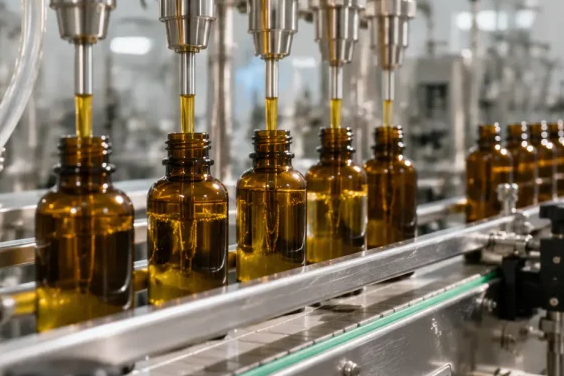
| Decision gate | Minimum reviewable input | Evidence or decision produced |
|---|---|---|
| 01 Formula identity | 1 named formula or sample version | Every observation stays tied to the material actually reviewed. |
| 02 Product brief | 1 approved brief with intended use and target attributes | The laboratory can judge direction against a stable target. |
| 03 Packaging configuration | 1 intended primary-pack system or a documented candidate set | Compatibility questions relate to the pack that will deliver the product. |
| 04 Observation plan | 1 agreed matrix of conditions, checkpoints and endpoints | Appearance, odor, pH, viscosity or other selected observations have context. |
| 05 Microbiological scope | 1 written method-and-report question before testing starts | Quality monitoring is not confused with preservative efficacy or challenge testing. |
| 06 Exit decision | 1 named owner for approve, revise, hold or refer externally | The result moves the project forward instead of becoming an unowned report. |
- High- and low-temperature observations
- Freeze-thaw observations
- Centrifuge screening
- Appearance, texture and sensory review
- Packaging compatibility
- Microbiological testing with method and ownership confirmed
- Preservative efficacy or challenge testing
- Independent accredited laboratory testing
- Qualified cosmetic safety assessment
- Claims-substantiation studies
- Finished-product shelf-life determination
- Market notification, listing or responsible-person duties
Interpreting Development Observations
Direction, not an isolated score
- A visible change only means something when it is tied to the formula version and the condition that produced it.
- A viscosity or pH checkpoint needs a named method, time point and decision rule.
- Every sensory observation needs a comparison target and one reviewer who owns the consolidated decision.
Package, use and exposure stay attached
- Bulk material is not to be considered equivalent evidence to that contained within finished goods or in the retail package.
- The pump, tube, jar or other delivery system can change contact, dose and consumer handling.
- Ultimately, your final interpretation requires an understanding of likely circumstances beyond anything that you might see if examining only the product inside the laboratory.
- Choose the evidence by the decision it must unlock: revise the formula, change the package, continue the programme, refer work externally or release the approved direction into manufacturing review.
Quotation Inputs, Cost Drivers and Timing Dependencies
A custom formulation project does not have a responsible fixed price or calendar until the development route, ingredient constraints, sample plan, packaging status and evidence scope are known. NEXO prepares project-specific commercial terms from the completed brief.
What changes the quotation
| Driver | Why it changes the work | Input that reduces uncertainty |
|---|---|---|
| Starting route | New formulation, matching and co-development begin with different amounts of usable information. | Choose one route and attach the current formula or reference where relevant. |
| Ingredient constraints | Required actives, exclusions and sourcing rules change the feasible formulation space. | Separate mandatory, preferred and prohibited inputs. |
| Sample decision process | Unranked feedback produces avoidable revision loops. | Name one decision owner and submit one consolidated change set per review. |
| Packaging status | The dispensing system and material contact can change compatibility questions and formula behavior. | Provide the intended primary pack or a short candidate list early. |
| Evaluation scope | Conditions, checkpoints, methods, external laboratory needs and report ownership affect the work programme. | Complete the evaluation-scope review before requesting timing. |
| Manufacturing handoff | Scale-up and filling introduce process variables not visible in a bench sample. | Define the commercial format, production route and approval evidence. |
Timing is a dependency chain
A product launch has a sequence: brief approval, ingredient availability, sample decisions, packaging readiness, selected observations and production transfer. Each step needs an owner and exit evidence before the schedule can be considered reliable.
Quality Assurance Records and Review Evidence
We use formula histories, retained samples and testing documents to keep development decisions traceable. The record stack should show what was reviewed, what changed, why it changed and which version moved forward.
Development record stack
- product format, intended use, target attributes, market and non-negotiable constraints.
- Formula history: version identity, material changes and the reason for each selected revision.
- Sample record: sample identifier, review date, consolidated feedback and decision owner.
- Evaluation record: selected conditions, observations, method owner, result and next decision.
- Packaging record: primary-pack configuration, contact materials, dispensing behavior and observed interaction.
- Transfer record: approved formula direction, process notes, open risks and manufacturing review status.
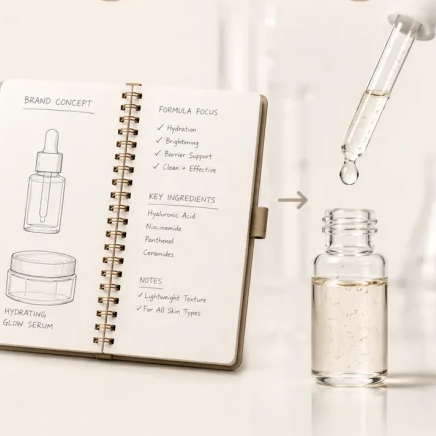
Evidence that supports the next decision
- A formula version linked to a specific sample
- Observations tied to named conditions and checkpoints
- Packaging details tied to the reviewed product
- A clear approve, revise, hold or refer-externally outcome
Evidence that still needs a separate owner
- Qualified safety assessment and finished-product safety report
- Independent laboratory certificates or accredited reports
- Market filing, listing or notification confirmation
- Claims approval and claim-specific substantiation
Evidence should answer a release question
A document list is not a quality system by itself. Each record should connect to a decision: whether to revise the formula, change the package, continue evaluation, send work to a specialist or release the approved direction into manufacturing review.
How We Work: Brief-to-Manufacturing Handoff
A successful bench sample is not interchangeable with a released production formula. We carry the development rationale forward so process changes are judged against the same product outcome.
Qualify the brief
confirm product format, intended use, market, target attributes, packaging status and decision owner.
Select the development route
new custom formulation, attribute-led matching or co-development.
Build and review samples
compare each version against the approved criteria and record one consolidated decision.
Define evaluation inputs
agree formula identity, primary pack, conditions, checkpoints, endpoints and external scopes.
Freeze the approved direction
identify the version, rationale, open limitations and evidence needed before transfer.
Review scale-up variables
carry addition order, mixing, heating/cooling, holding, filling and packaging considerations into manufacturing.
Capture the production version
document justified changes so the commercial formula does not become an untraceable new product.
| Variable | What can change | Handoff question |
|---|---|---|
| Addition order | Dispersion, hydration, emulsion formation or appearance | Which sequence is essential to the approved behavior? |
| Mixing and shear | Viscosity, droplet size, aeration or sensory profile | Which process condition must be transferred rather than inferred? |
| Heating and cooling | Solubilization, crystallization, texture or stability response | Which temperature-dependent step protects the formula direction? |
| Holding and filling | Flow, air inclusion, package fill or appearance | How long can the bulk wait, and what must be checked before filling? |
| Primary packaging | Dispensing, leakage, migration, discoloration or product delivery | Has the intended component set entered the review? |
Manufacturing Handoff Checklist
Formula context
- Approved version identity
- Reason for the selected direction
- Critical material and sequence notes
- Known sensitivities or open questions
Process context
- Addition order
- Mixing and shear conditions
- Heating and cooling sequence
- Hold and filling considerations
Release context
- Primary-pack configuration
- Selected evaluation evidence
- Change-approval owner
- Production-version record
Market Responsibility and Evidence Handoff
A formula file is an input to market readiness, not the whole compliance outcome. The Formula Evidence-to-Handoff Canvas shows which NEXO development outputs can support the next actor and which decisions remain with the brand or qualified market specialist.
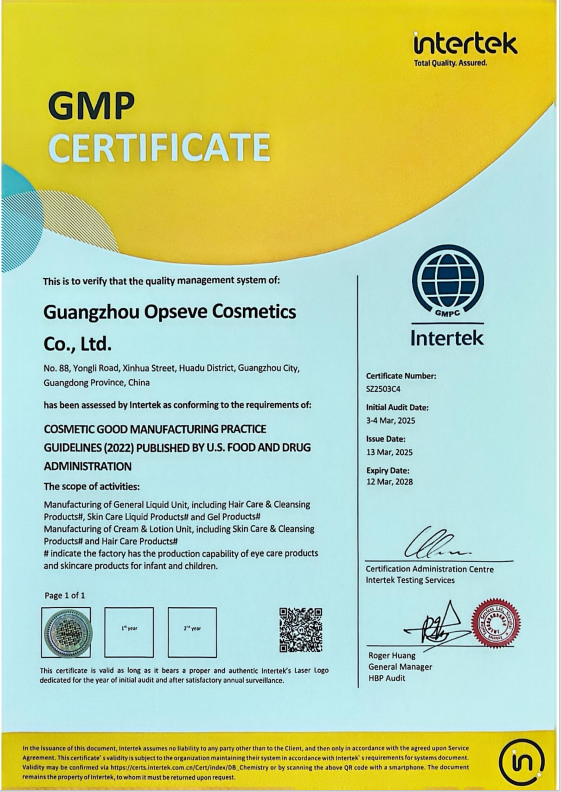
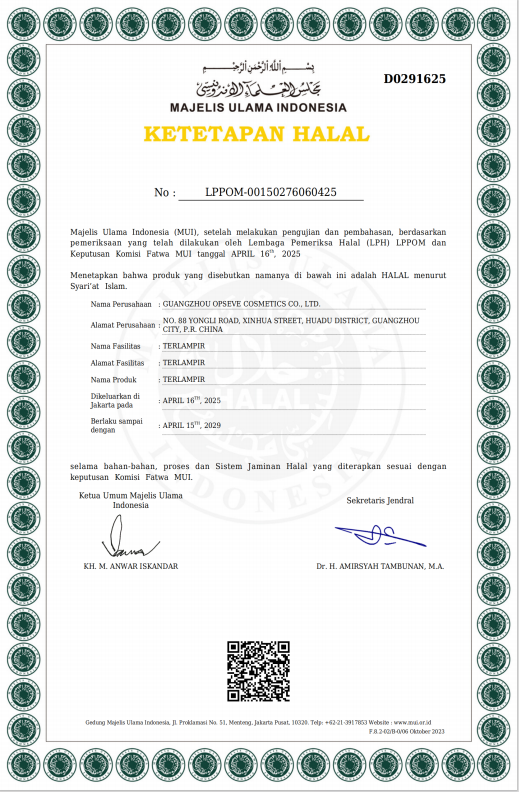
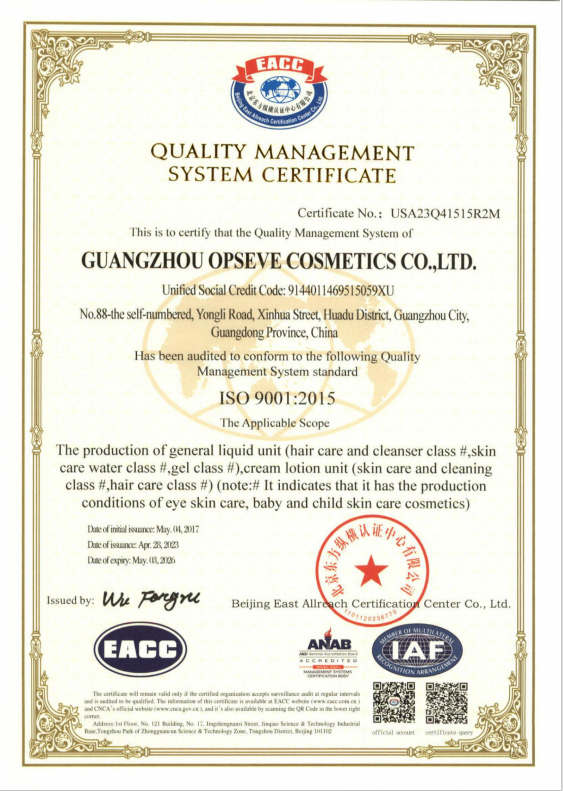
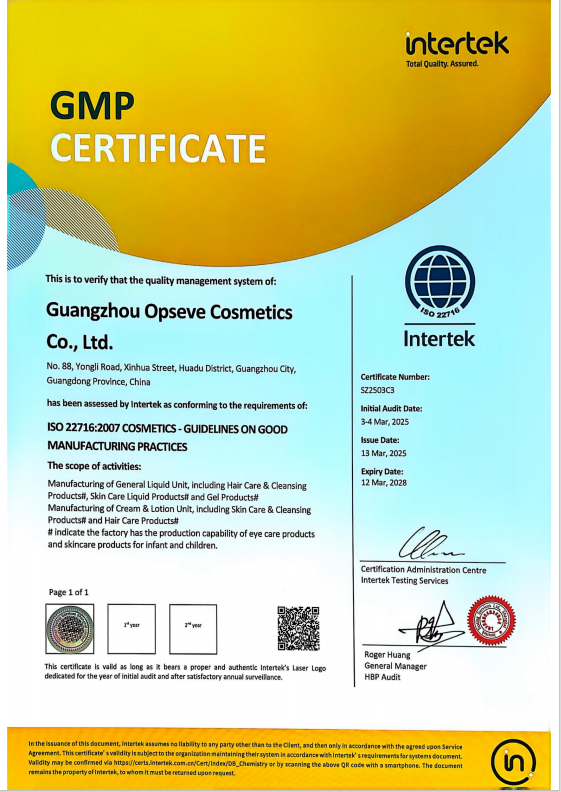
Formula Evidence-to-Handoff Canvas
| Evidence or decision | NEXO laboratory contribution | Next owner to confirm | Release question |
|---|---|---|---|
| Product brief and intended use | Translate product intent into a reviewable formulation brief. | Brand product owner | Is the target stable enough to judge samples? |
| Formula and sample history | Maintain development versions, samples and selected testing documents. | Brand and contractual document owner | Which records and access rights are included? |
| Stability and compatibility observations | Scope development observations against a named formula and package. | Brand, safety assessor and external laboratory where required | What further real-time or formal study is needed? |
| Microbiological evidence | Define the available microbiological testing scope and report owner. | Qualified specialist or external laboratory for separate methods | Does the project require preservative efficacy or challenge testing? |
| US safety substantiation and product listing | Provide agreed technical and manufacturing inputs. | Label responsible person and applicable manufacturer/processor | Who retains safety records, lists the product and handles facility duties? |
| EU CPSR, PIF and notification | Provide agreed formula, manufacturing and evaluation inputs. | EU responsible person and qualified safety assessor | Who completes the CPSR, maintains the PIF and submits notification? |
| Claims approval | Provide formula or test inputs that were explicitly included. | Brand and qualified claims specialists | Is the evidence adequate and verifiable for the exact claim? |
United States role check
Under MoCRA, product-listing and safety-substantiation duties sit with the responsible person, while facility-registration duties sit with manufacturers and processors; exemptions are conditional. Confirm which legal entity occupies each role for the finished product.
European Union role check
Before market placement, the project must assign an EU responsible person, qualified safety assessment and report, Product Information File and notification. NEXO's technical inputs can support that chain, but they do not automatically complete it.
FAQ: Cosmetic Laboratory Services
NEXO is an in-house formulation-development laboratory connected to cosmetic OEM/ODM manufacturing. If your release plan requires independent or accredited testing services, define the method, accreditation scope and report owner separately.
NEXO supports new formulation, formula matching and co-development across skincare, hair care and body care, together with ingredient, texture and sensory optimization. The exact sample plan, testing scope, documents and commercial terms belong in the project brief and quotation.
A useful matching brief identifies the observable attributes to preserve and the differences the brand will accept. Ingredient availability, intellectual-property boundaries, packaging and production conditions make an unconditional exact-copy promise inappropriate.
Send the product category, format, intended use, target market, reference or sensory target, ingredient constraints, packaging status and decision owner. The Laboratory Brief Readiness Check converts these inputs into a copyable summary.
No single development observation proves shelf life. The finished formula, final package, storage conditions, intended use, exposure, endpoints and acceptance criteria must enter a defined programme with qualified interpretation.
Do not assume that it does. NEXO states microbiological testing at a general scope level, so the method, sampling, report owner and any separate preservative efficacy or challenge-testing requirement must be confirmed in writing.
Introduce the intended primary pack before the evaluation scope is frozen. Contact materials, dispensing, leakage, migration, discoloration and delivery behavior can expose formula or package changes that a bulk sample cannot show.
Formula ownership, exclusivity, authorized use, access to development records and rights to later modifications are contract terms. An NDA protects defined confidential information, but it does not automatically transfer ownership or create exclusivity.
No revision count was supplied for this page. Ask the quotation to define the included sample rounds, what counts as a revision, who consolidates feedback and how a changed brief affects scope.
The schedule depends on brief readiness, formula complexity, ingredient sourcing, sample decisions, packaging availability, evaluation conditions, external testing and manufacturing handoff. Request a project schedule only after those dependencies and their owners are visible.
Pricing follows the starting route, ingredient constraints, sampling, packaging, evaluation scope, documentation and production pathway. NEXO can prepare a project-specific quotation from a qualified brief; no fixed public price or MOQ is asserted here.
Confirm the exact support scope. Under MoCRA, the responsible person handles product listing and safety substantiation while manufacturers and processors have facility-registration duties; exemptions and actor overlap depend on the specific entity and product.
The project must assign an EU responsible person, qualified safety assessment and report, Product Information File and pre-market notification. NEXO can supply agreed formulation and manufacturing inputs, while the responsible person and qualified specialists own the market decisions.