Get in touch with NEXO Beauty Labs Company
Cosmetics Export Manufacturing Support for Global Beauty Brands
Cosmetics export manufacturing support brings your product concept, target market and launch plan into one manufacturing route. NEXO Beauty Labs coordinates cosmetic product development, formulation, packaging and commercial production while keeping destination-market roles visible from the start.
- OEM & ODM coordination
- 10,000-unit standard MOQ
- Skincare, hair care and body care
- Manufacturing-document support
Development route
Existing formula, formula adaptation or custom formulation
Product families
Skincare, hair care and body care product development
Standard minimum
Starts from 10,000 units
Packaging route
Selection, sourcing, supplier coordination and integration
Quality-process scope
Project checkpoints aligned before production
Export handoff
Ingredient information, technical files and agreed manufacturing records
Check Your Project Inputs
Share your product category, target market, formula status, packaging status and expected quantity. NDA support is available for product concepts, formulation information and confidential business requirements.
A specific supplier role
For beauty industry buyers, the supplier’s role must be explicit. A private label cosmetic manufacturer should connect cosmetic contract manufacturing, personal care product requirements and every cosmetic industry handoff within one workable cosmetic solution.
Start with the decision inputs
A cosmetics contract should not start with a vague request for a “finished product.” Start with a NEXO factory brief that names the formula route, product format, intended claims, target country, label language, packaging status, quantity and launch window.
Development Capabilities for Export Projects
NEXO supports development and manufacturing from a defined concept through commercial production. The scope is set around the decisions your beauty brand has already made and the inputs still open for review.
We turn product positioning, texture, format, ingredient direction and intended use into a workable formulation brief. An existing formula can move to fit review, while a new concept enters custom product development.
Initial samples can be prepared within 3 working days after requirements are received. Your feedback then closes the formula, sensory and application decisions needed for approval.
Packaging options are coordinated against formula contact, fill format, component status, artwork and destination constraints. Packaging supplier terms and compatibility work remain separate from the formula minimum order quantities.
After formula approval, packaging confirmation and production preparation, the project moves into manufacturing and filling. The production plan carries the agreed quality control checkpoints and handoff records.
Why the brief comes first
A late change to the claim, package or destination can reopen formulation, label or testing work after sampling. Locking these inputs early keeps the approval sequence intact and the quotation useful.

Development Routes for Private Label and Contract Manufacturing
There is no single route for every private label cosmetic. The right route depends on what you already own, how much change is required and which approval point must be reached before production.
Use this route when the formula is already defined and the main task is manufacturing fit, packaging coordination and commercial transfer.
- You provide the formula status and specifications.
- NEXO reviews manufacturing and packaging inputs.
- Release follows sample and package approval.
Choose adaptation when a base direction exists but texture, ingredient profile, sensory feel, claims support or packaging fit must change.
- You identify the reference and requested changes.
- NEXO supports formulation adjustment and sampling.
- The revised formula becomes the approval point.
Custom formulation starts from a product brief rather than a finished formula. Product development and manufacturing are planned together so the brief, package and release path remain connected.
- You provide the target user, format and positioning.
- NEXO builds the formulation-to-manufacturing route.
- Commercial work begins after the agreed approvals.
Formula ownership is not always automatic when development or adaptation work is involved. Confirm the confidentiality, commercial and approval route before source-formula details are exchanged.
Product Categories and Packaging Coordination
NEXO's cosmetic manufacturing scope covers skincare, hair care and body care. Each care product brief still needs a format, formula and package route of its own.
Skincare
Skin care projects can move through existing-formula, adaptation or custom routes. Texture, intended use, ingredient information and container contact all shape the project specification.
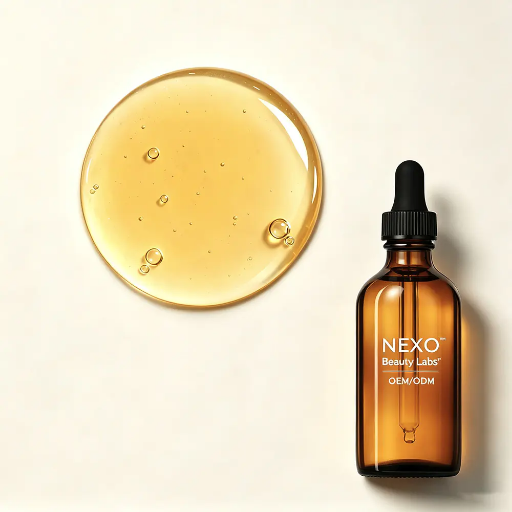
Hair care
Hair care products require the same early alignment between formula, use method, pack format and fill route. Pumps, bottles, jars and applicators are reviewed as part of the manufacturing and packaging handoff.
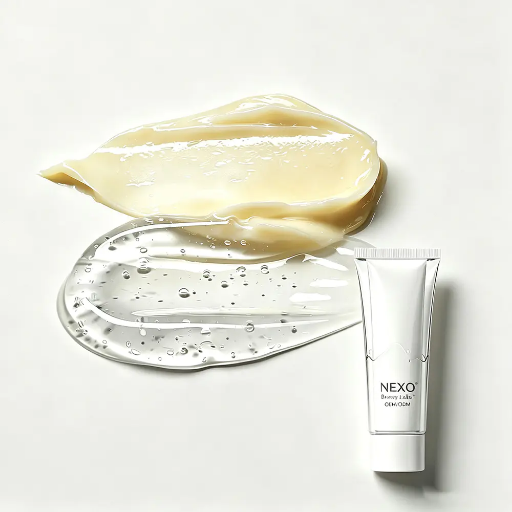
Body care
Body care projects are scoped by product format, sensory target, packaging option and planned quantity. The finished beauty product is quoted only after these inputs are clear.

Packaging handoff fields
Packaging that looks correct can still create compatibility, leakage or stability work. NEXO reviews this risk against the formula-contact route and component status before the production release.
- Pack format and component sourcing status
- Formula-contact and packaging compatibility needs
- Artwork, label language and print status
- Destination, channel and shipment constraints
Export Market Handoff Ledger
The handoff ledger turns an international cosmetic contract manufacturer enquiry into a scoped project. It identifies which inputs change development, quotation, release or destination-market work before production starts.
| Buyer input | Why it changes the project | Handoff owner |
|---|---|---|
| 1. Target country, sub-jurisdiction and label language | Sets the market, language and local-role checks. | Buyer / market-entry partner |
| 2. Sales channel | Adds retailer, platform, warehouse or distributor inputs. | Buyer |
| 3. Product category and format | Shapes development, testing and any transport-hazard route. | Shared |
| 4. Intended claims and classification | May change whether the item stays on a cosmetic route. | Buyer / qualified partner |
| 5. Formula status | Selects existing formula, adaptation or custom formulation. | Shared |
| 6. Packaging and artwork status | Defines sourcing, compatibility and review timing. | Shared |
| 7. Planned quantity | Drives minimum-order evaluation and production setup. | Buyer |
| 8. Expected launch timing | Sets the sample, approval, production and logistics sequence. | Shared |
| 9. Requested manufacturing documents | Defines the agreed technical and quality handoff scope. | Shared |
| 10. Post-market owner | Assigns updates, records, event reporting and recall coordination where applicable. | Buyer / responsible market party |
Minimum Order, Sample and Production Conditions
A minimum order can be too large for a first market test even when the unit quote looks attractive.
Our standard minimum order starts from 10,000 units; launches, market tests and special requirements can be evaluated by project, but a quantity below the standard is not promised.
One timeline, four clocks
Sample preparation, international delivery, buyer review and commercial production run in sequence, not as one lead-time number. Revisions, packaging readiness, destination documents and shipment conditions can move the launch date. The cheapest quote is not necessarily best when those handoffs remain open.
Stage
Working condition
What must be ready
Quotation
Project-specific
Formula route, quantity, packaging, test and document needs, and destination
Initial sample preparation
Within 3 days
Requirements received and sample route understood
International sample delivery
Approx 5–7 days
Destination and shipment route confirmed
Commercial production
10–15 days
Formula approved, packaging confirmed and production preparation complete
Manufacturing Documentation and Market-Role Boundaries
Product technical files, ingredient information, quality documentation and project-specific manufacturing documentation can be supported. Unlike a generic document list, the grid assigns the formula, package, destination and responsible market parties before the handoff is agreed.

Destination Dossier Coverage Grid
| Scope | NEXO support | Confirmation outside the handoff |
|---|---|---|
| Product information | Agreed technical files and available ingredient information | Destination sufficiency, acceptance and filing format |
| Quality records | Agreed manufacturing and quality records | Legal adequacy for a specific authority, importer or responsible person |
| Formula and package inputs | Available manufacturing and compatibility information | Safety assessment inputs, conclusions and market-specific claim support |
| Shipment handoff | Agreed records and product-format information | Import, notification, dangerous-goods classification and carrier acceptance |
| Direct manufacturing duties | Obligations that apply directly to NEXO's manufacturing activity or facility | Each other party retains duties attached to its own role |
Decision rule for export support
- A document list is not a substitute for named ownership.
- Manufacturing release and transport release are not interchangeable.
- The wrong answer is to hide every market role inside “export support.”
- The trade-off is more project input upfront and fewer handoff gaps later.
A clear responsibility boundary
Providing manufacturing documents does not automatically make NEXO the importer, responsible person, notification holder, legal representative or regulatory approver. Because FDA, Great Britain and European Union rules assign different duties to facilities and market roles, the final structure must be confirmed for the destination.
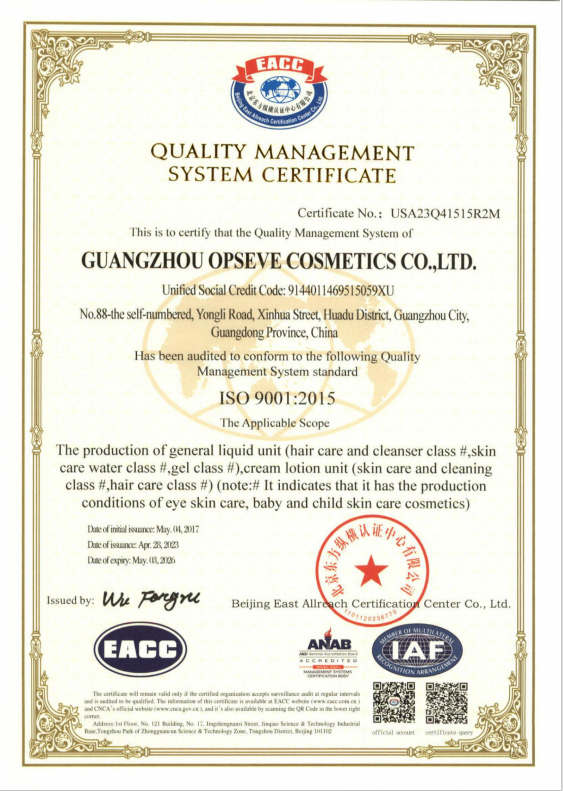
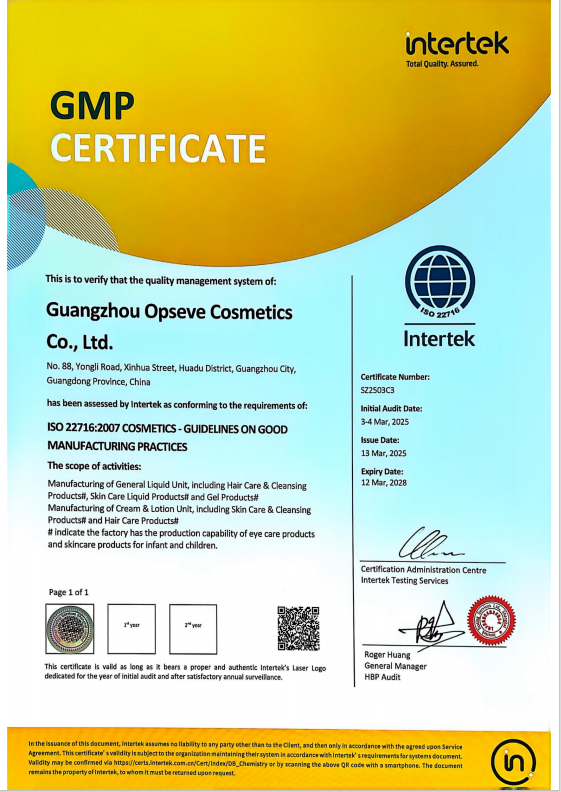
Quality Process Visibility
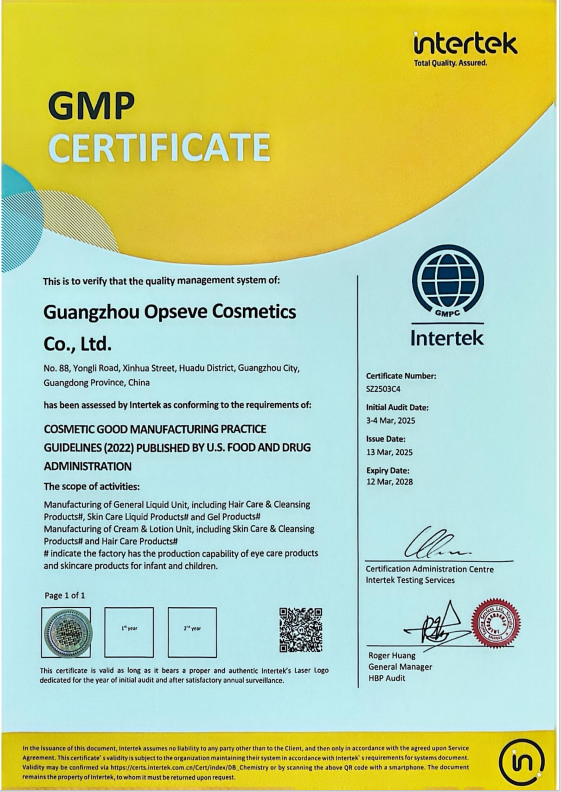
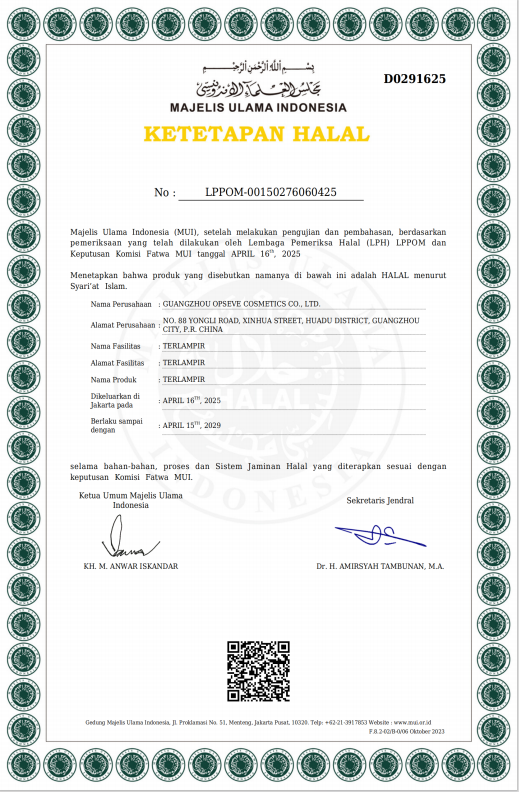
A project quality plan can cover incoming-material review, in-process checks, bulk inspection and finished-product inspection. Because product risk and release criteria differ, exact checkpoints, test scope, sampling and acceptance requirements are aligned to the cosmetic product before production.
Records and retained samples
Batch records and retained samples connect the approved specification to the manufacturing run. They support traceability without replacing destination-market files or post-market ownership.
Formula and package checks
Stability, packaging compatibility, sensory evaluation and microbiological testing can be scoped where the project requires them. Test method, duration, sample set and acceptance criteria must be named for the actual project.
Production controls
Production, control, storage and shipment are distinct parts of cosmetic manufacturing practice. ISO 22716 describes that process scope, but the standard reference is not presented as a NEXO certification.5
Preservation testing route
Microbiological protection is not proven by listing a generic test name. ISO 11930 describes preservation-efficacy evaluation, while the exact route still depends on product risk and the agreed development plan.6
For the wider service scope, explore Global Cosmetic Manufacturing Support.
Define the acceptance record
Before commercial work starts, define the sample set, checkpoint, acceptance criteria and release record. This prevents a broad testing request from becoming an undefined delay after the formula and packaging have already been approved.
Manufacturing & Export Support Tools
Cosmetics Export Manufacturing Support FAQs
What is included in cosmetics export manufacturing support?
It connects product development, formulation, packaging coordination, commercial manufacturing and agreed manufacturing-document handoff. Destination-market roles and approvals remain separate project decisions.
What is the difference between OEM, ODM and private label for an export project?
The labels matter less than the actual formula route. Confirm whether you bring an existing formula, need an adaptation or want custom development, then define who approves the formula and package.
How should product classification and intended claims be confirmed?
Provide the intended claims and destination before the route is locked. A qualified market-entry partner should confirm whether the planned product remains a cosmetic in that market.
What information should I provide before requesting a quote?
Send the product category, target market, formula status, packaging status, intended claims, quantity, timeline and expected document scope. The more complete the brief, the fewer quotation assumptions remain.
What is the standard minimum order quantity?
The standard minimum order starts from 10,000 units. Launches, market tests and special requirements can be evaluated by project, but a lower quantity is not guaranteed.
How long does initial sample preparation take?
Initial samples can be prepared within 3 working days after requirements are received. Formula complexity and later revision rounds are separate from that initial preparation point.
How long does international sample delivery take?
International sample delivery is approximately 5–7 working days depending on destination. Carrier routing, customs checks and destination conditions remain outside the preparation window.
What must be approved before commercial production starts?
The formula must be approved, the packaging confirmed and production preparation completed. Commercial production then takes 10–15 working days under those conditions.
Can NEXO coordinate packaging sourcing and integration?
Yes. Support can include packaging selection, sourcing, supplier coordination and integration, with compatibility and artwork status aligned to the product route.
Who owns post-market updates, records and event reporting after shipment?
The buyer and the appointed responsible market parties must assign those duties for the destination. Manufacturing-document support does not automatically transfer post-market ownership to NEXO.
What manufacturing documents can be discussed for the shipment?
The discussion can cover product technical files, ingredient information, quality documentation and project-specific manufacturing documentation. The final set is agreed for the formula, package, market and appointed roles.
Does document support mean NEXO becomes the importer or responsible person?
No. Those roles arise from the destination structure and applicable rules, while NEXO retains duties that apply directly to its own manufacturing activity or facility.
Is NDA support available before I share confidential requirements?
Yes. NDA support is available for product concepts, formulation information and confidential business requirements before sensitive details are shared.
Do aerosols, perfumes or alcohol-rich formats need a separate shipping review?
They can. Complete dangerous-goods classification and carrier review before dispatch instead of treating the manufacturing quality release as transport clearance.