Get in touch with NEXO Beauty Labs Company
Private Label Body Wash
Private Label Body Wash Manufacturing
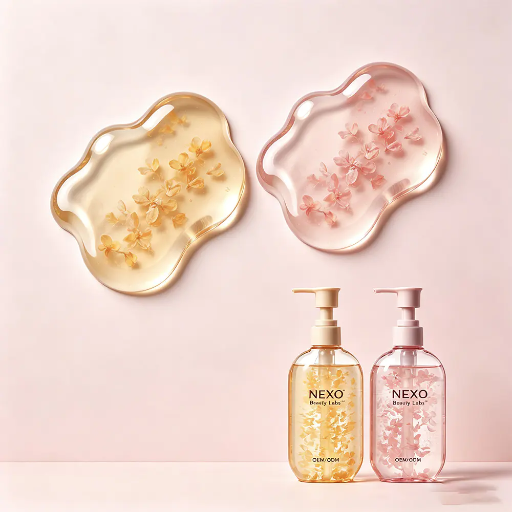
Develop a private label body wash around the formula route, fragrance, foam, texture, after-wash feel and packaging your brand actually needs. NEXO Beauty Labs connects a clear product brief with formulation development, sample evaluation, quality control, production management and scalable manufacturing.
-
Body wash and shower gel
-
Existing, adapted or custom formula
-
Formula–packaging alignment
-
Commercial-scale launches
For beauty brands,
e-commerce companies,
distributors and private label partners.
MOQ starts from 10,000 units.
Body Wash Manufacturing at a Glance
A useful supplier discussion starts with decisions that change the project, not a long catalog of possible ingredients. NEXO Beauty Labs supports commercial body care programs with separate formula, packaging, approval and production checkpoints.
| Decision fact | NEXO position | Planning use |
|---|---|---|
| Manufacturing foundation | Since 1999 | Company-history context for supplier review. |
| Manufacturing experience | More than 25 years | Supports long-term cosmetic development and production experience. |
| International business team | International business team since 2020 | Supports cross-border project communication. |
| Development routes | 3 routes: existing formula, formula adaptation and custom formulation | Select the route before comparing the sample and open decisions. |
| Sample development | 3 days after the brief is confirmed | This is the development clock, not delivery or launch time. |
| International sample delivery | 5-7 days after sample development | Keep transport separate from formula development. |
| Commercial production | Within 15 days after formula approval and packaging qualification | Both approval conditions must be complete first. |
| Minimum order | 10,000 units starting MOQ | Best suited to brands planning a commercial-scale run. |
Choose The Product Format And Development Route
Private labeling can mean selecting an existing formula, adapting a proven direction or building a custom body wash from a new brief. We keep those routes separate because they create different sample expectations, decision loads and approval criteria. As a body wash contract manufacturer, we plan bath and shower contract manufacturing for commercial body washes. Different body washes still need their own formula, pack and market brief.
Existing Formula
Start From a Defined Direction
We review an available formula direction against your audience, fragrance, packaging and target market. First, identify what is fixed and what may still change.
Formula Adaptation
Change Named Characteristics
We adapt agreed parts of the formula or sensory brief rather than treating “similar” as a complete specification. Your brief records the scent, lather, viscosity, color, after-wash feel and packaging decisions under review.
Custom Formulation
Build Around a Differentiated Concept
We develop custom formulas from product goals and constraints. Formula structure, fragrance, sensory behavior, packaging and claims direction are reviewed as one development system.
Rinse-Off Formats Within the Body Wash Brief
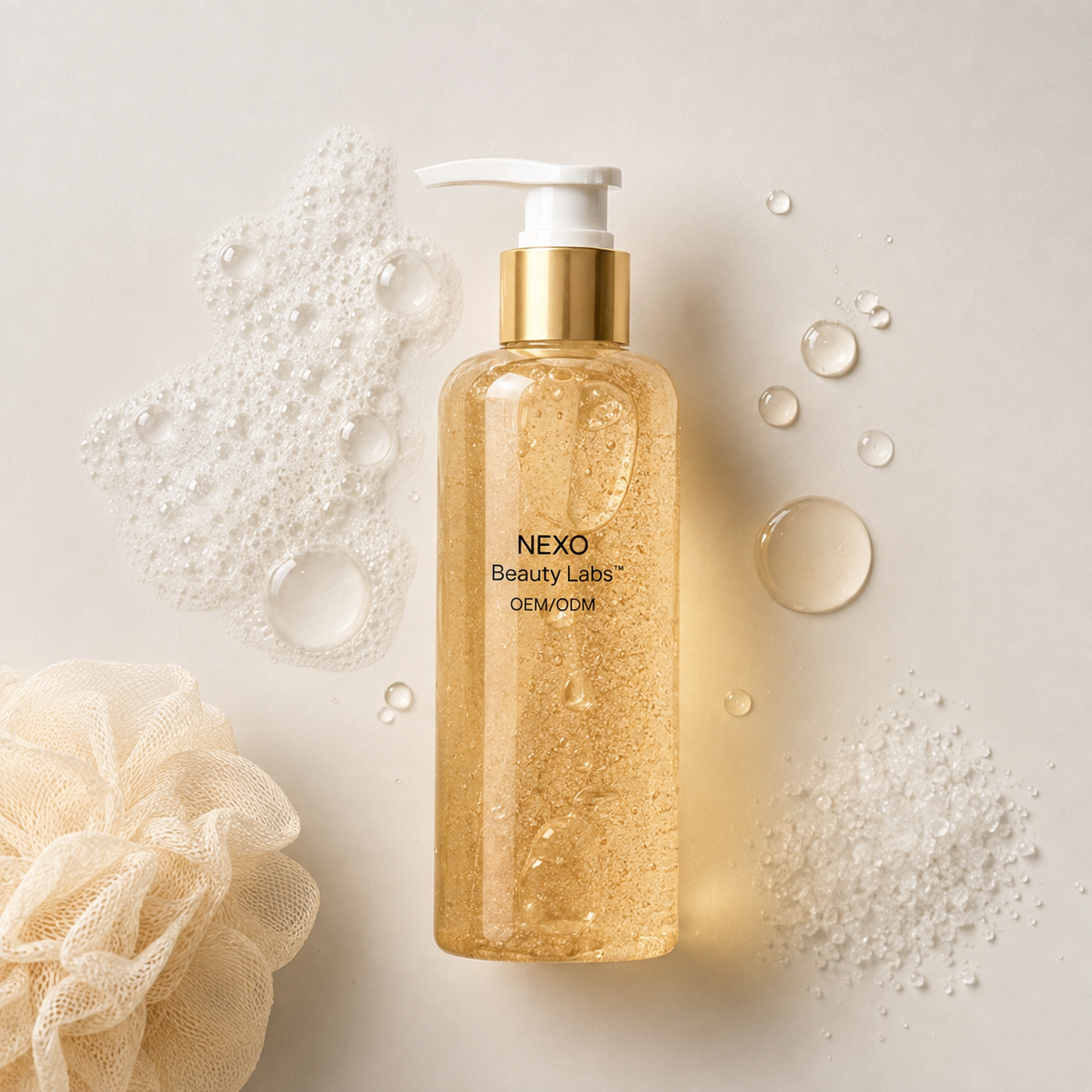
Body Wash and Shower Gel
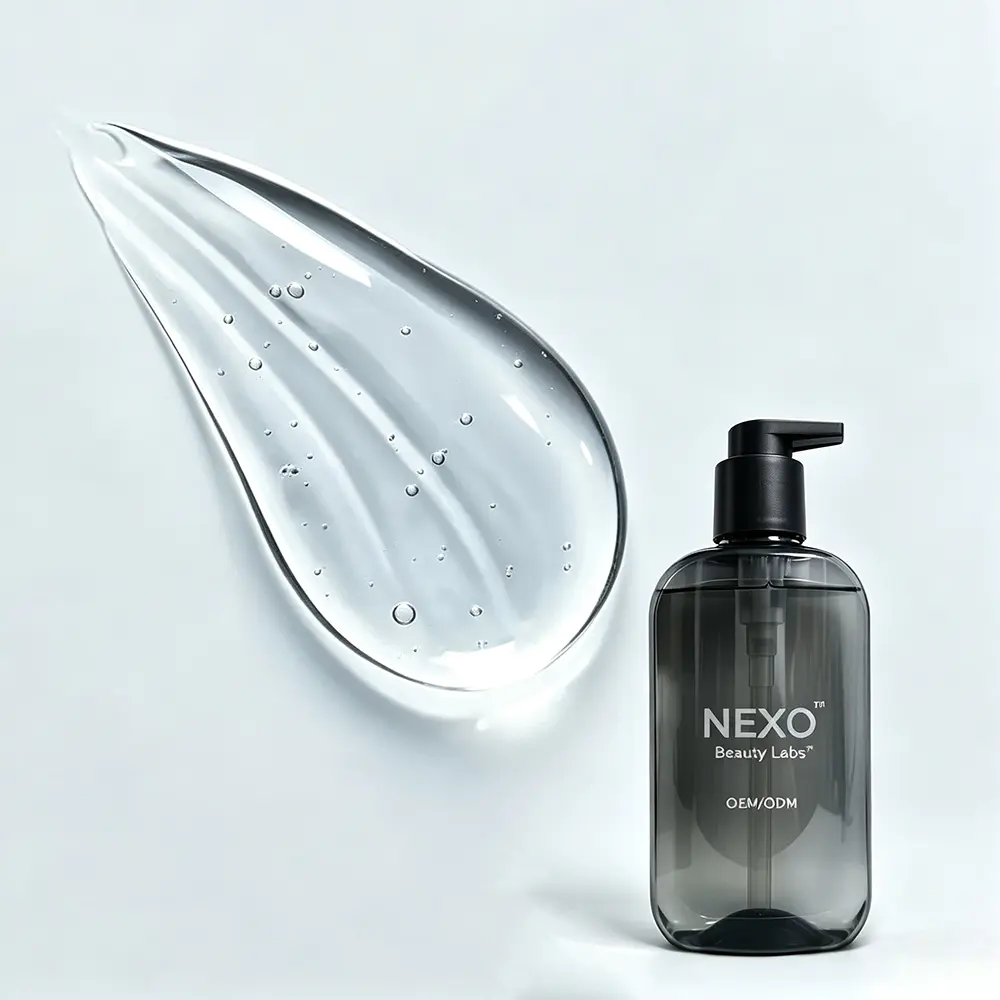
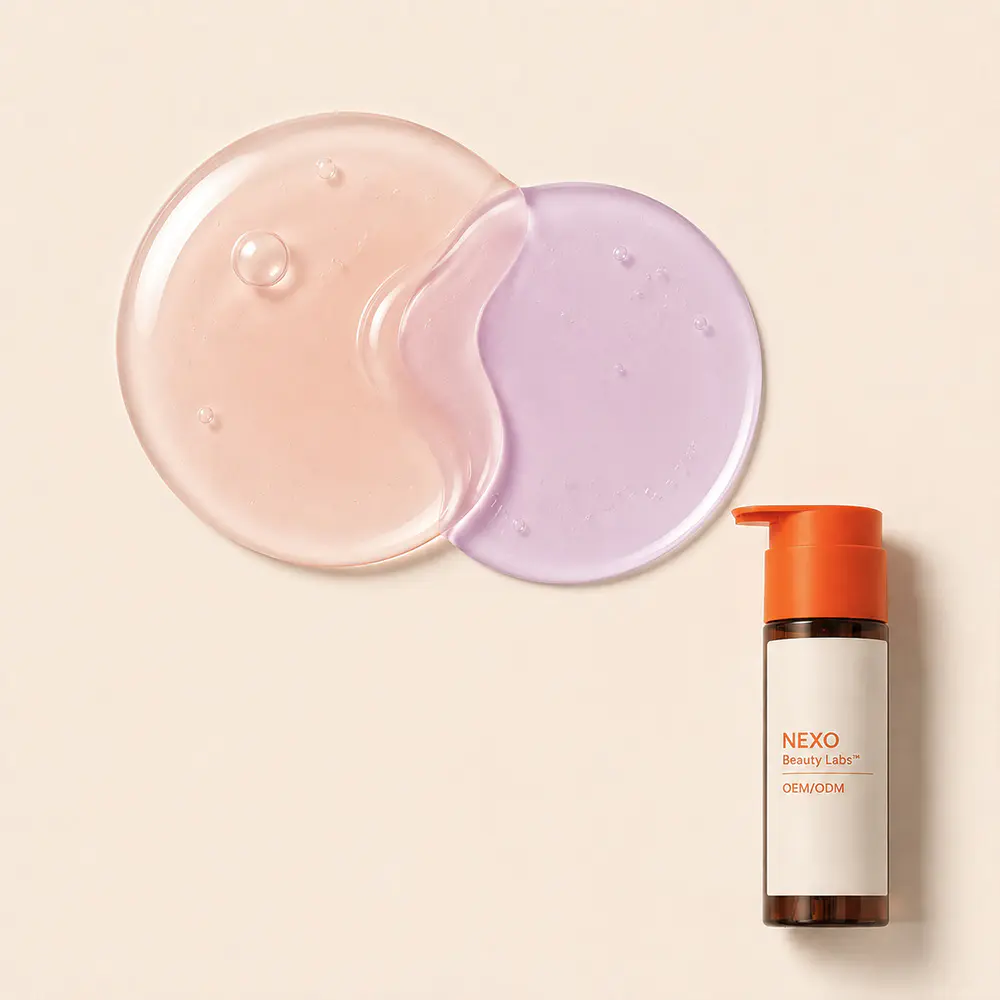
Use body wash for the broad skin-cleansing format. A private label shower gel fits when a lighter gel texture and lather-led experience are central to the concept.
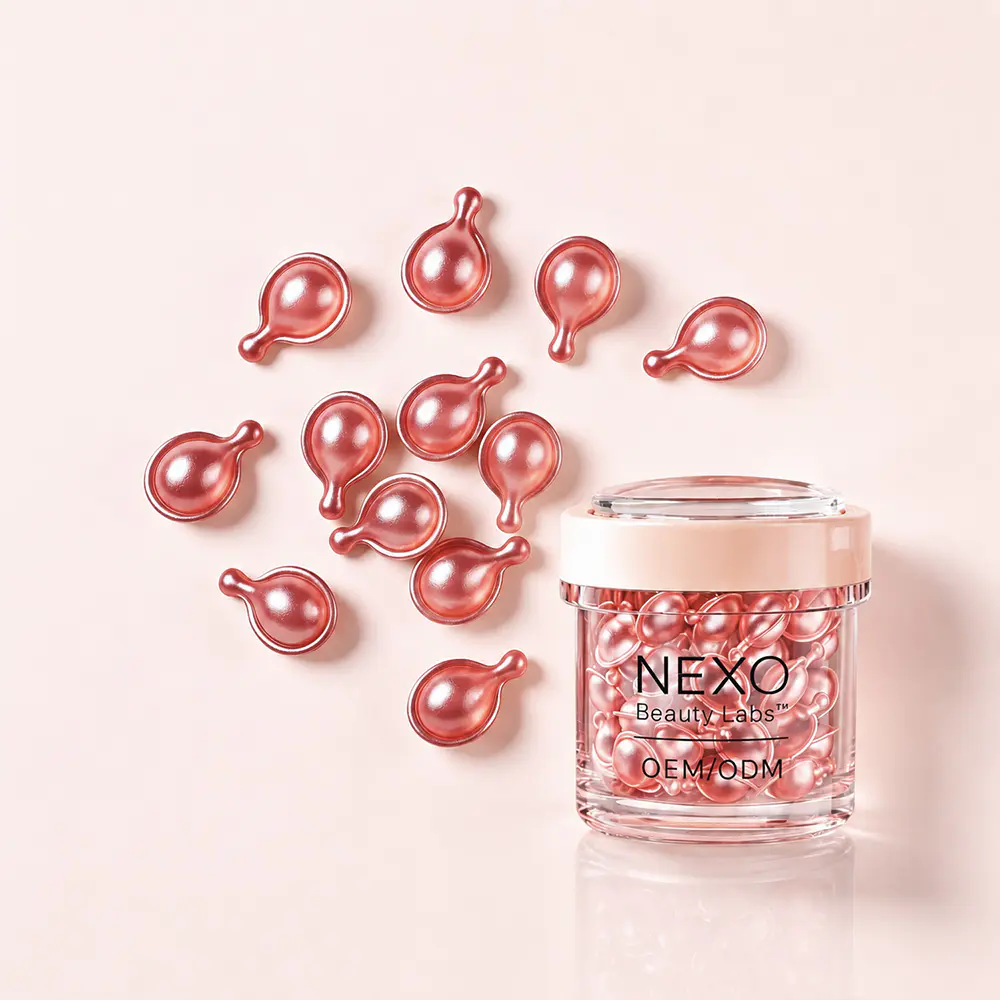
Cleansing Oil and Body Cleanser
A cleansing oil brief needs an oil texture and rinse behavior that differ from a standard liquid cleanser. Include the intended dispenser and consumer routine in the first brief.
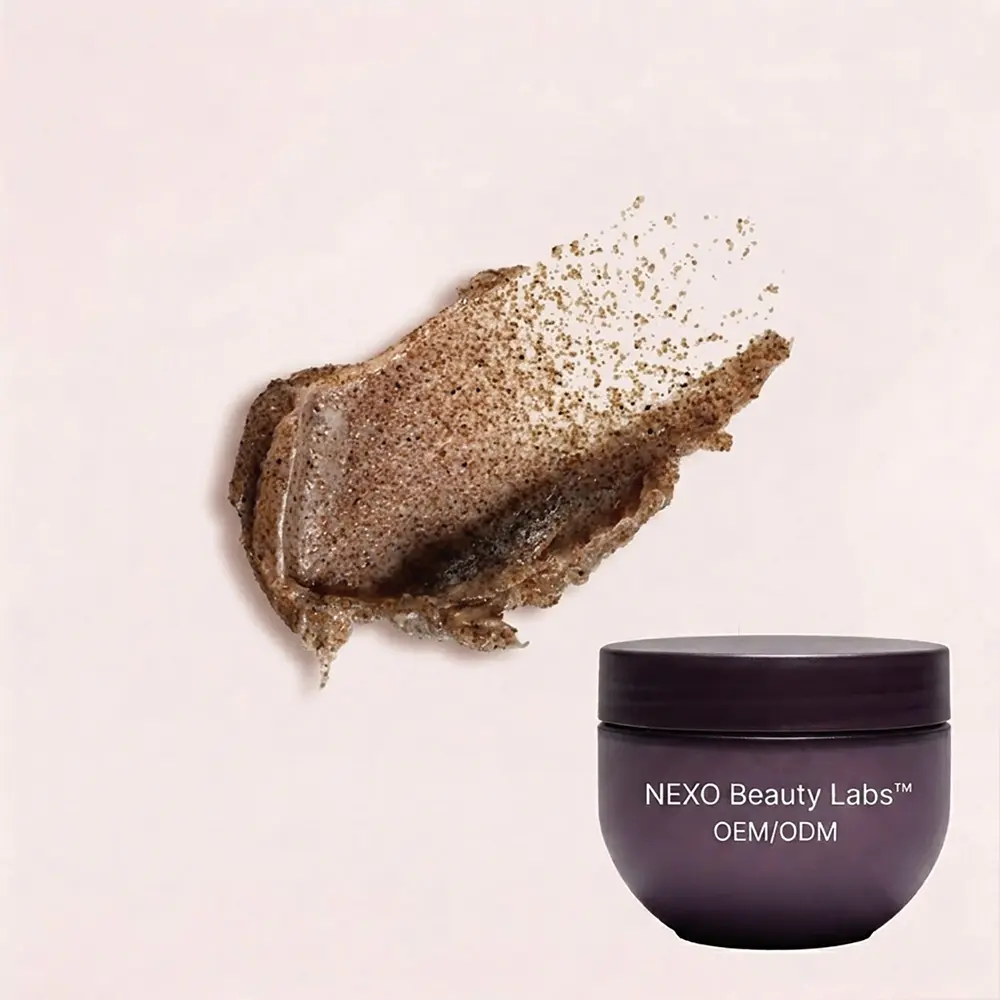
Body Scrub and Body Polish
A scrub or polish adds particle, suspension, dispensing and jar-or-tube decisions. It stays within body care, but it is not interchangeable with a face polish or a plain shower gel.
This page stays focused on rinse-off body washes. For a broader range of private label body care products, use the category page; lotions, hand care and other leave-on formats should retain their own product intent.
Turn the Body Wash Brief Into Formula Inputs
A body wash manufacturer cannot define a product from terms such as “moisturizing,” “natural” or “sulfate-free” alone. They describe a positioning direction, not how the finished formula will cleanse, lather, rinse or feel on skin.
“Natural” is not always proof of gentleness, and “sulfate-free” does not necessarily establish finished-product performance. Unlike a retail ingredient list, a development brief connects those preferences to the complete formula and its intended use. The mistake is using one label as a substitute for formula review; it does nothing for packaging fit, approval criteria or claims substantiation.
| Brief input | Decision to make | What remains open without it |
|---|---|---|
| Cleansing direction | Fresh, comfort-led, fragrance-led, oil-based or exfoliating | Surfactant system, rinse profile and use experience |
| Audience | Mass, premium, family, spa, active or another defined buyer | Sensory target, cost priorities and claim language |
| Texture | Clear gel, creamy wash, oil, foaming liquid or scrub paste | Viscosity, filling, dispensing and pack route |
| Fragrance | Scent family, intensity, reference direction or fragrance-free direction | Formula interaction, positioning and approval criteria |
| After-wash feel | Fresh, soft, moisturized or quick-rinse finish | How the brand will compare samples |
| Claims direction | Exact pack and website wording for the target market | Ingredient choices, evidence needs and regulatory category risk |
Body Wash Brief-to-Batch Matrix:
connect each desired consumer experience to a formula input, a package dependency, an approval owner and a commercial milestone. This prevents one attractive reference product from becoming an undefined request to copy formula, artwork or claims.
Body wash and shampoo may both be rinse-off personal care products, but their formulation requirements differ.8 We keep body wash formulas aligned with their intended skin-cleansing use instead of stretching a hair-care base into a body-care claim.
Oil, botanical extracts, fragrance and other ingredient directions can be considered inside the finished system. Each formula still needs its own review; a familiar ingredient name is not a result, a safety conclusion or permission to make a drug claim.
Coordinate Fragrance, Foam, Texture and After-Wash Feel
Sensory criteria turn broad customization ideas into a specification the sample team can use. We ask buyers to rank fragrance, foam, texture and after-wash feel because optimizing every dimension may push the formula in conflicting directions.
Scent identity
Define the fragrance family, strength, dry-down and any fragrance-free direction. Record whether the reference communicates a scent mood or a close sensory target.
Lather profile
Choose rich, moderate, low-foam or oil-to-milk behavior. Foam level is part of the use experience, not a standalone measure of cleansing quality.
Flow and cushion
Define whether the product should feel fluid, gelled, creamy, oily or paste-like. This choice affects pumping, squeezing, suspension and filling.
Skin feel
Describe clean, soft, comfortable, moisturized or light finish in terms a sample panel can compare. “Gentle” needs a clearer use and claim context.
Resolve Formula and Packaging Dependencies Early
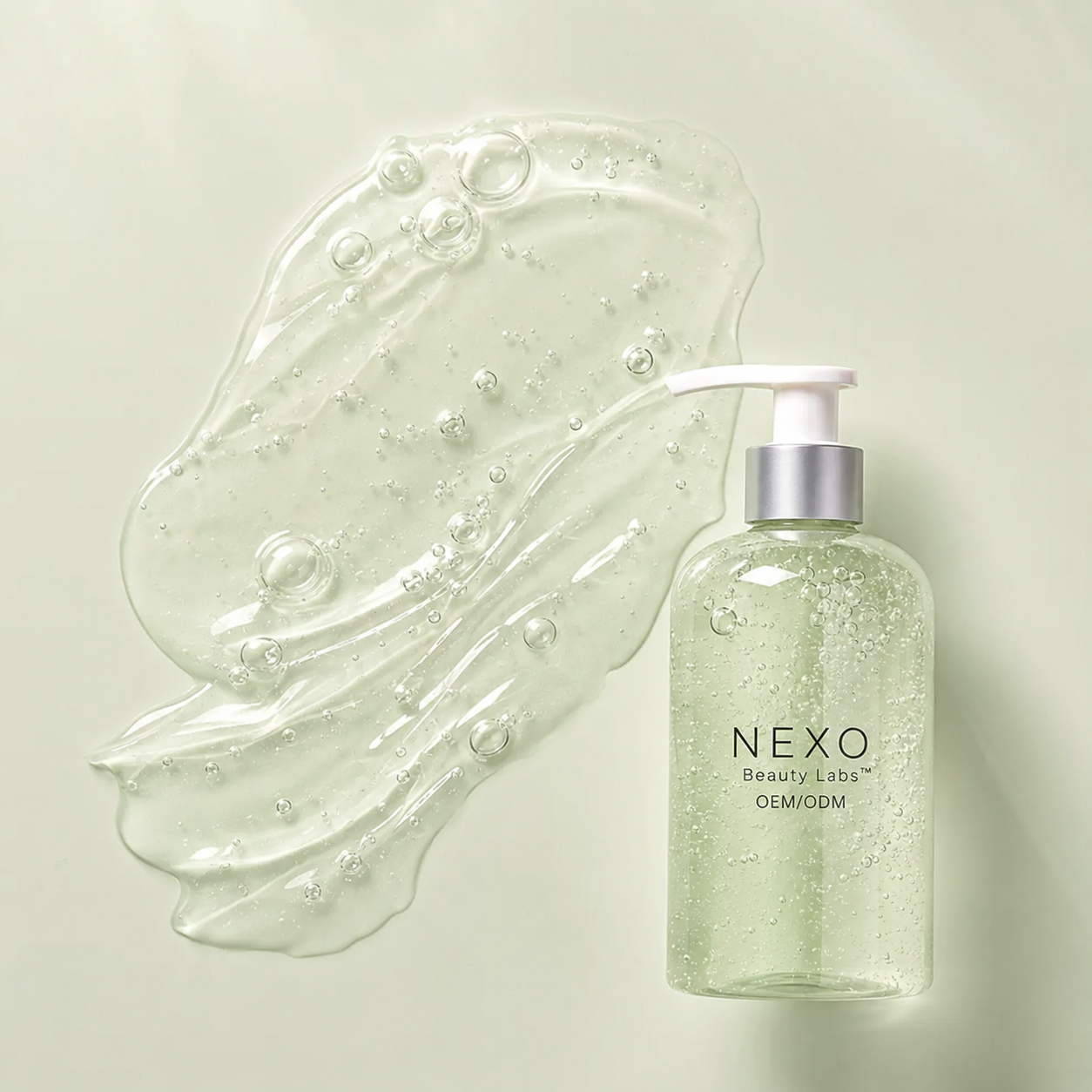
Packaging affects how a liquid body wash is filled, protected, dispensed and used. One common assumption is that the bottle can be chosen after formula approval, but appearance cannot replace review of the pump, viscosity, closure, headspace, formula contact and transport conditions.
| Package direction | Formula question | Commercial handoff question |
|---|---|---|
| Pump bottle | Does viscosity and particulate load suit the pump path? | Is the exact component available and qualified? |
| Flip-top bottle | Does the product pour and close cleanly in use? | Are orifice, closure and decoration decisions frozen? |
| Foamer | Can the liquid and surfactant system deliver the intended foam? | Is the foamer component part of sample evaluation? |
| Tube | Does the texture dispense without leaking or excessive force? | Are fill, seal and transport needs defined? |
| Jar | Does the format expose the product to a different use pattern? | Are hygiene, scoop and closure choices addressed? |
| Custom component | Which material, mechanism and formula-contact risks need review? | Who owns drawings, samples, qualification and supply timing? |
Formula stability
We include formula stability in the project plan when it is part of the agreed scope. Protocol conditions, observations, specifications and timing must match the actual product rather than a universal shortcut.
Packaging compatibility
We include packaging compatibility as a separate decision. Formula approval does not by itself show that the intended commercial component is qualified for filling, storage, shipment and consumer use.
Formula-Package Risk Gate
A reference bottle is not a substitute for qualifying the intended commercial component. Review the formula version, viscosity, dispensing path, preservation inputs, component availability and release ownership together.
Commercial Checkpoints for MOQ and Timing
MOQ and schedule are useful only when the formula, fill and packaging assumptions remain visible. NEXO Beauty Labs makes the starting point clear so buyers can judge whether the manufacturing model fits before requesting a quote.
01 Commercial fit
→
02 Clock 1
→
03 Clock 2
→
04 Clock 3 begins after two approvals
→
05 Inputs that shape the commercial proposal
→
Validation and Batch-Release Inputs
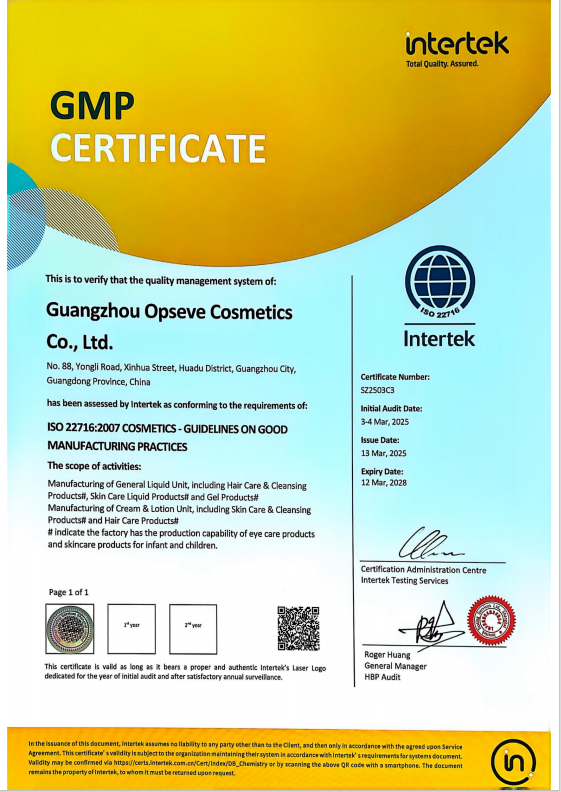
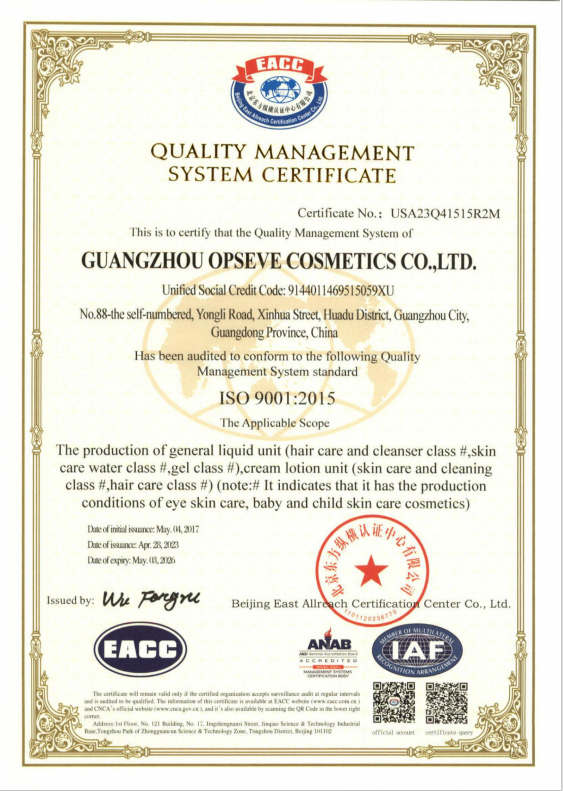
An approved sample identifies the formula version the team prefers. It does not replace the raw-material, in-process, preservation, packaging, finished-product and record controls required by the agreed production and release scope.
The risk is release drift because an approved sample does not define every control. Nexo Beauty Labs resolves this by linking the approved version to FDA control categories, project-specific specifications and the agreed release responsibilities.
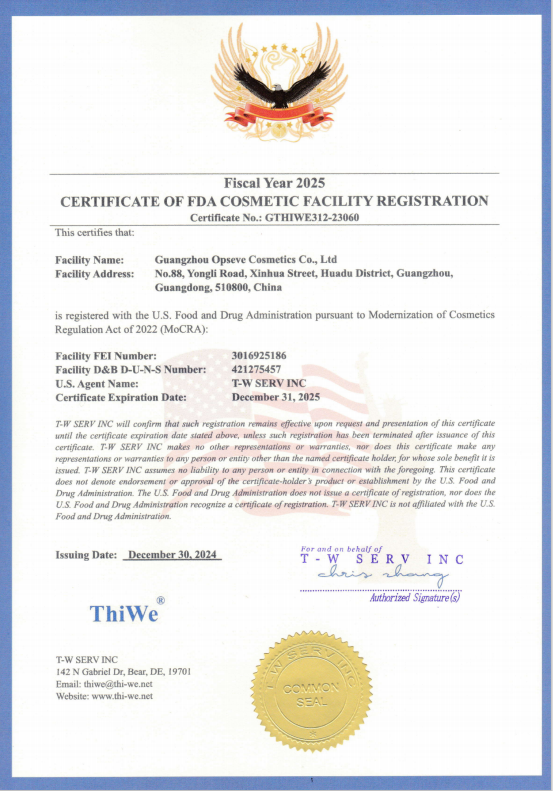
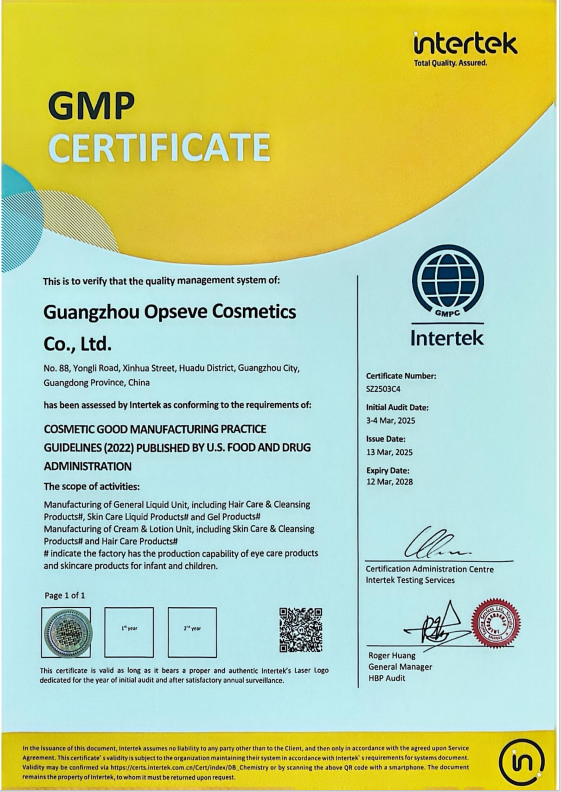
FDA cosmetic GMP guidance separates raw-material checks, clean equipment, approved materials, in-process sampling, contamination control, finished-product specifications, permanent codes, laboratory controls, reserve samples and records.1 FDA also identifies water or ingredients, manufacturing conditions, ineffective preservation, inadequate packaging, storage, shipping and consumer use as possible microbiological contamination routes.
Before The Batch
- Identify the approved formula version.
- Confirm raw-material and component status.
- Define the agreed specifications and review scope.
- Record the package and target-market version.
During Production
- Use approved materials and clean equipment.
- Keep batch and equipment identification visible.
- Follow the agreed mixing and in-process checks.
- Record deviations and approved changes.
Before Release
- Review finished-product identity and specifications.
- Confirm codes and required production records.
- Complete the agreed laboratory and preservation inputs.
- Assign release ownership for the commercial batch.
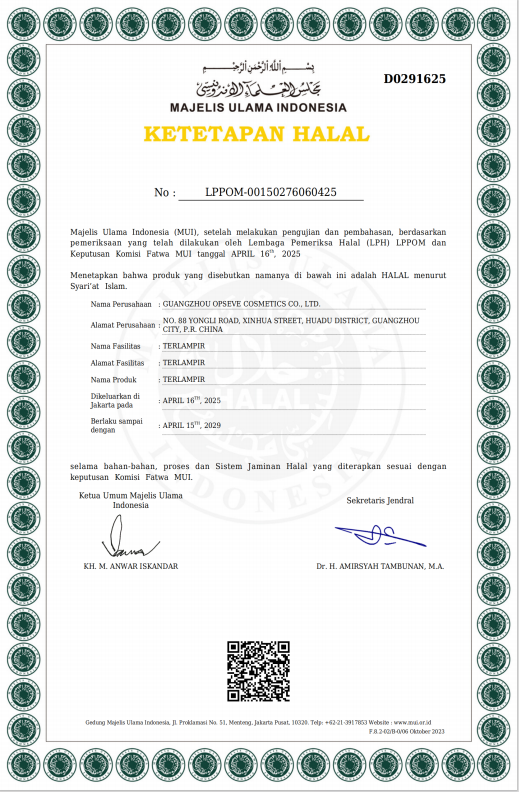
FDA does not publish one mandatory test list for every cosmetic product or ingredient; the manufacturer or distributor remains responsible for marketed-product safety under labeled or customary use. We therefore define the project-specific scope instead of relying on a generic “fully tested” claim.
×
![Zoomed Product Image]()
From Brief To Commercial Production
Our process keeps formula, packaging, claims and approvals on the same decision trail. Product development, procurement, quality and brand teams can then review the same version.
Confirm The Product Brief.
Record the format, development route, audience, sensory priorities, packaging direction, target market, exact claim language and production quantity.
Develop And Compare The Sample.
Evaluate a named formula version against fragrance, foam, texture, rinse and after-wash criteria rather than a general preference.
Resolve Formula And Packaging Dependencies.
Review formula stability, packaging compatibility, filling and dispensing inputs within the agreed project scope.
Approve The Formula And Qualify Packaging.
Freeze the commercial version, document open conditions and confirm the inputs that start the production milestone.
Manage Production And Delivery.
Connect the approved version to quality control, production management, commercial records and the agreed delivery plan.
For the United States, the Responsible Person is the manufacturer, packer or distributor whose name appears on the cosmetic label; the role should not be assigned by assumption. MoCRA includes facility registration, product listing, safety-substantiation records and serious-adverse-event duties for defined parties.
Market And Claims Responsibility Checkpoint
Nexo Project Inputs:
We provide the formulation, sample, packaging and manufacturing inputs agreed for the project. The written scope should state which records, evaluations and handoff materials are included.Label-Side And Market Inputs:
The named Responsible Person and other market actors should assign safety substantiation, product listing, label review, adverse-event handling, importer or distributor duties and local requirements in writing.
Intended use can be established through labeling, advertising, websites, consumer perception and ingredients. Objective advertising claims also need a reasonable basis before they are published. Manufacturing support is not a substitute for assigning label-side duties, so exact pack and website wording belongs in the body wash brief before the commercial version is frozen.
Private Label Body Wash Manufacturing Tools
01
Body Wash Brief Builder
Choose the product, sensory and packaging decisions that are ready now. The result is a working discussion brief, not a formula specification or regulatory approval.
02
Formula-Package Risk Checker
An approved sample is one milestone. Use this check to find open inputs around preservation, dispensing, packaging and release before commercial production.
03
Sample-to-Production Milestone Map
Track the current gate without turning three separate clocks into one launch-time promise. Each NEXO milestone starts only after its named input is complete.
Q&A
Information & Support
FAQ forPrivate Label Body Wash
MOQ starts from 10,000 units for this commercial-production service. The final proposal identifies the formula, fill, package, decoration and SKU assumptions.
Yes. We can review fragrance family and strength, lather profile, gel or creamy texture, rinse behavior and after-wash feel together with the formula route and intended packaging. The exact benefit language then needs to match the finished formulation, the target market, the pack and website wording, and the evidence held before the claim is published.
Sample development is completed in 3 days after the product brief is confirmed. International sample delivery in 5-7 days after sample development. Buyer evaluation and revision time are separate.
No. Commercial production is completed within 15 days after formula approval and packaging qualification. The clock starts only after both conditions are met; it does not mean that formula revisions, stability work, market files, artwork, component procurement, freight, customs or the brand's internal launch work will finish from the first inquiry within the same period.
A reference can communicate texture, scent, lather, finish, pack and positioning. We convert those observations into a formula-adaptation or custom-development brief; another brand's formula, artwork and claims do not transfer automatically.
The US Responsible Person is the manufacturer, packer or distributor whose name appears on the label. The final project should identify that party before assigning product listing, safety-substantiation records and serious-adverse-event duties. Brand, manufacturer, importer, distributor and outside adviser responsibilities should be written into the market plan, while every objective pack or website claim should have a reasonable basis before publication.
Formula ownership and exclusivity depend on the development route and written commercial agreement. Request those terms during scope review.