Get in touch with NEXO Beauty Labs Company
ODM Cosmetic Manufacturing with NEXO Beauty Labs
ODM cosmetic manufacturing can start with a product concept, ingredient direction, market reference sample, existing formula, raw materials, or technical specifications. We turn that starting point into a reviewable formulation path, capture sample feedback, and move an approved scope toward production.
- Established-formula sample: about 3 working days.
- First-round ODM sample: about 7 working days after requirements confirmation.
- Production: about 10 days after formula and packaging confirmation.
Pain
An idea is not yet a comparable manufacturing brief.
Input
Classify what the brand already knows and what remains open.
Sample
Translate formulation direction into a reviewable cosmetic product.
Approval
Capture sensory feedback without hiding safety or packaging questions.
Production
Release only the formula, packaging, terms, and evidence agreed for the project.
The fastest useful first step is a complete brief: starting input, target market, intended claims, product format, packaging status, quantity assumption, and the decision you need from the first sample.
Original design manufacturing gives a beauty brand a development route when the formula or finished product is not fully frozen. The risk is treating a fast sample or production milestone as a substitute for the separate safety, packaging, commercial, and target-market decisions that still need owners.
Starting routes
Concept, ingredient direction, reference sample, existing formula, raw materials, or specification.
Buyer decision
What must the first sample prove, and which questions belong to later evidence?
Commercial control
Normalize formula, packaging, quantity, testing, and approval assumptions before comparing price.
Sensory feedback
Skin feel, fragrance, texture, and use experience are captured as distinct revision inputs.
Target-market boundary
Intended claims and legal roles are reviewed separately from the manufacturer’s research and development work.
Release boundary
A production milestone is not a complete testing, transit, regulatory, or market-launch schedule.
ODM Development Inputs and Project Scope
Vague or inconsistent communication creates scope risk for a buyer because the cosmetic manufacturer may price a different formula, package, quantity, or approval path. Unlike a generic enquiry, NEXO's input map starts procurement and production from five named input classes, plus target market and intended claims.
We accept a product concept or ingredient direction as a development input, then define the consumer, desired skin care or personal care outcome, sensory direction, must-have ideas, and claims to explore.
We review a market reference sample against the attributes you want to retain or change: texture, fragrance, appearance, application, packaging experience, or another reviewable characteristic.
We assess an existing formula, supplied raw materials, or technical specifications as transfer inputs, including the current status, change request, known constraints, and available evidence.
List the supplied materials, source information, intended use, available documentation, and any handling or formula constraints that affect development.
Share the specification, required finished product attributes, packaging interface, acceptance criteria, and production assumptions that are already frozen.
State the destination market, sales channel, label identity, intended claims, product category, and whether an OTC or other classification question needs specialist review.
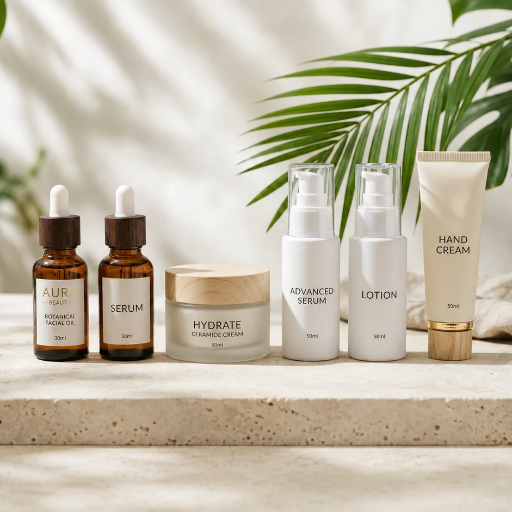
| Starting asset | First review | Open clarification | Next approval point |
|---|---|---|---|
| Concept or ingredient direction | Consumer, format, sensory intent, target market | Formula route, intended claims, packaging and quantity assumptions | Development brief accepted |
| Reference sample | Attributes to retain, change or avoid | Matching boundary, ingredient direction and ownership terms | Reference target agreed |
| Existing formula | Formula status and requested change | Transfer data, raw-material availability and production fit | Review scope agreed |
| Raw materials | Identity, source and available documentation | Use level, interaction, supply and formulation implications | Material route accepted |
| Technical specification | Required attributes and acceptance logic | Manufacturing, quality control, pack and release responsibilities | Production-review input frozen |
One map across care categories
Brands that specialize in skincare, hair care, body care, or other personal care products can use the same input map to define beauty products without assuming one formula route.
Make quotations comparable
This structure allows brands to send the same decision inputs to every cosmetic manufacturer or contract manufacturer. A complete input map exposes differences in scope before a low headline price, minimum order, or fast date becomes the comparison anchor.
Sample Feedback, Safety Inputs, and Formula Approval Boundaries
A liked sample is not always a production-ready cosmetic product because sensory preference and safety evidence answer different questions. We use sample feedback to adjust skin feel, fragrance, texture, and use experience until the agreed requirements are met. Sensory approval is not a substitute for packaging, market-role, or production-control review.

Feedback captured
Record the observation, comparison point, use condition, and person making the decision.
Adjustment scope
Separate the agreed change from formula, ingredient, pack, claim, or cost questions that need another review.
Revised sample
Evaluate the next sample against the same axes and note any new trade-off created by the revision.
Commercial approval decision
Approve, revise again, or hold the project while non-sensory inputs remain open.
Project review principle
Sensory and commercial approval
This decision answers whether the sample meets the agreed experience and brand direction. It does not, on its own, close stability, preservation, compatibility, labeling, legal-role, or production-control questions.
Safety and market inputs
Raw materials, preservation approach, final packaging, shipping and storage conditions, target market, intended claims, normal use, and label identity can change the evidence and role allocation required before launch.
Approve the sensory decision you actually made; keep every safety, packaging, target-market, and production question open until its own evidence is reviewed.
Formula Development, Reference Sample, and Existing Formula Routes
A route label is not a substitute for a written scope, and the common assumption that OEM and ODM settle formula rights creates commercial risk. Original equipment production, original design development, private label, turnkey supply, and a cosmetic contract can place formulation, ownership, and responsibility in different agreements.
Custom formulation
Starting asset
Concept, ingredient direction or market requirement
First review
Product brief and target-market questions
Sample goal
A formula direction that can be reviewed against agreed sensory goals
Production-release input
Approved formula, confirmed packaging and project-defined evidence
Reference sample development
Starting asset
Market sample plus a clear change request
First review
Attributes to match, improve, avoid or reinterpret
Sample goal
A differentiated review sample, not an automatic replica
Production-release input
Approved output and written commercial or ownership terms
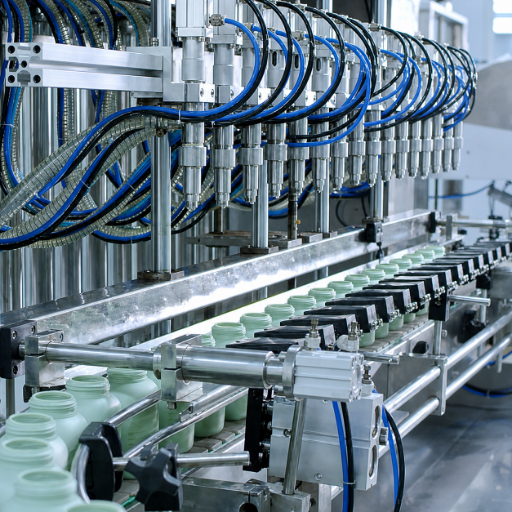
Existing formula or specification
Starting asset
Formula, raw materials or technical package
First review
Transfer completeness and production questions
Sample goal
Confirmation or controlled adjustment where agreed
Production-release input
Frozen specification, packaging and release responsibilities
The route fits a new product or skincare product that needs a cosmetic manufacturer to participate in concept translation, formulation, sample iteration, or production transfer. For a skincare launch, the exact formula, pack, claim, and market questions still come from the project brief.
If your formula, raw materials, process, specification, acceptance logic, and intellectual-property terms are already frozen, original equipment manufacturing may be the clearer discussion.
Private label may fit when a beauty brand wants an established cosmetic product with limited formula change; packaging design, minimum order quantities, and ownership still require written confirmation.
An ODM manufacturer, cosmetic contract manufacturer, or private-label partner may use familiar labels while offering different formula, exclusivity, change-control, and transfer terms. Confirm those terms in the project agreement rather than inferring them from the route name.
ODM Project Controls, Timing, and Commercial Terms
A useful project control table binds every number to its trigger instead of presenting one generic lead time. NEXO's timing nodes start from named project decisions; they do not replace a complete testing, regulatory, transit, or market-launch schedule. The trade-off is that a faster-looking number with open assumptions is not interchangeable with a scoped quotation; unlike a generic lead time, it identifies what is included, excluded, and still awaiting confirmation.
Control point
Commitment
Scope boundary
Starting-input classes
5 core classes
Concept or ingredient direction, reference sample, existing formula, raw materials, or technical specifications
Partnership routes
4 documented routes
Private label, custom ODM development, reference sample development, or contract manufacturing
Development process
6 stages
From product requirements communication through scale production and delivery
Established-formula sample
About 3 working days
Applies to customization from an established formula
First-round ODM sample
About 7 working days
Starts after requirements confirmation
Production scheduling
About 10 days
Starts after formula and packaging confirmation
Minimum order
Confirmed in the quotation
Depends on formula route, packaging, product format and production assumptions
Commercial and document scope
Confirmed in the quotation
Payment, shipment, batch, safety, transport, and target-market records are assigned per project
What the 3-day node means
We prepare an established-formula sample in about 3 working days; it is not a custom-development or launch-duration promise.
What the 7-day node means
We prepare a first-round ODM sample in about 7 working days after requirements confirmation; later revisions follow the agreed feedback scope.
What the 10-day node means
We schedule production in about 10 days after formula and packaging confirmation. Testing, transit, target-market work, or external dependencies can sit outside that node.
Document scope
Define the shipment, batch, safety, transport, and target-market records required for the order, then assign who provides and reviews each item in the quotation. A document name alone does not close formulation-specific safety, packaging, labeling, or market-role decisions.
Quotation Inputs, Cost Drivers, and Schedule Assumptions
Hidden fees and incomparable quotation inputs create budget risk when a low-volume startup asks suppliers to price different formula, packaging, quantity, testing, or release assumptions. The lowest headline number is not necessarily the lowest project cost, so global brands and early-stage beauty brands should normalize those inputs first.
Driver
Why it changes the offer
How to normalize it
Starting route
Custom formulation, reference-sample development, and existing-formula transfer require different review work
Name the starting asset and unresolved development decisions
Formula and change scope
Ingredient direction, sensory targets, must-avoid requirements, and revision rounds change research and development effort
List the outcome and acceptance logic for the first sample
Packaging status
Stock selection, custom packaging design, material contact, decoration, and artwork readiness create different dependencies
State whether the pack is selected, supplied, custom, or still open
Order assumptions
MOQ and minimum order quantities vary with formula, package, format, component supply, and production line setup
Use the same estimated quantity and pack configuration in every request
Target market and claims
Market roles, label content, intended use, and substantiation questions can add work outside formulation
Identify the market and intended claims before scope is priced
Release and delivery scope
Testing responsibility, documents, inspection, packing, export assumptions, and logistics affect both schedule and cost
Separate manufacturing time from external review and transit
How the quote is produced
- Classify the development route and starting input.
- Review formula, pack, market, quantity, claim and approval assumptions.
- Return the scope, open questions, commercial terms and conditioned schedule.
Commercial terms to confirm in writing
- Formula ownership, confidentiality, exclusivity and transfer rights.
- Revision scope, acceptance criteria and change control.
- Minimum order, unit configuration, packaging, shipping and any excluded work.
Compare scope before headline price
Use the cost-driver map to normalize formula, package, evidence, revision, and delivery scope before comparing offers. A lower quote is not necessarily a lower total project cost when those inputs differ.
Get a Manufacturing QuoteQuality Decisions Before Formula and Production Approval
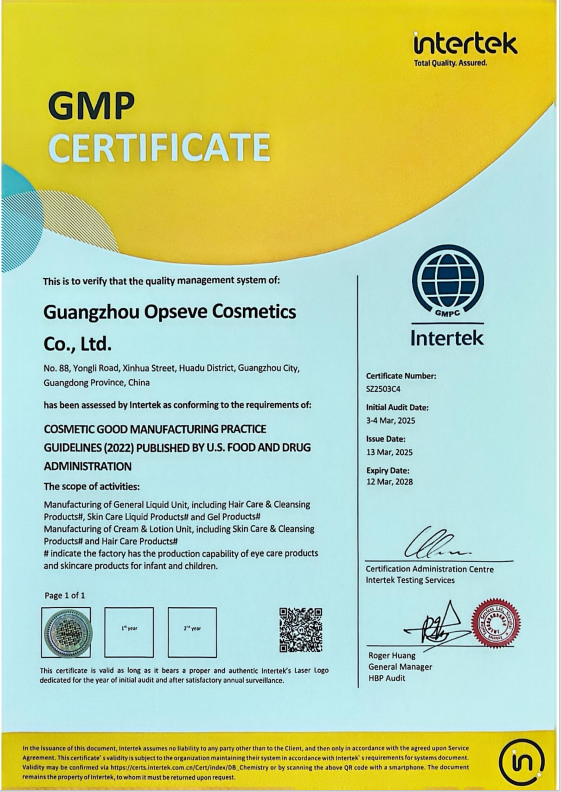
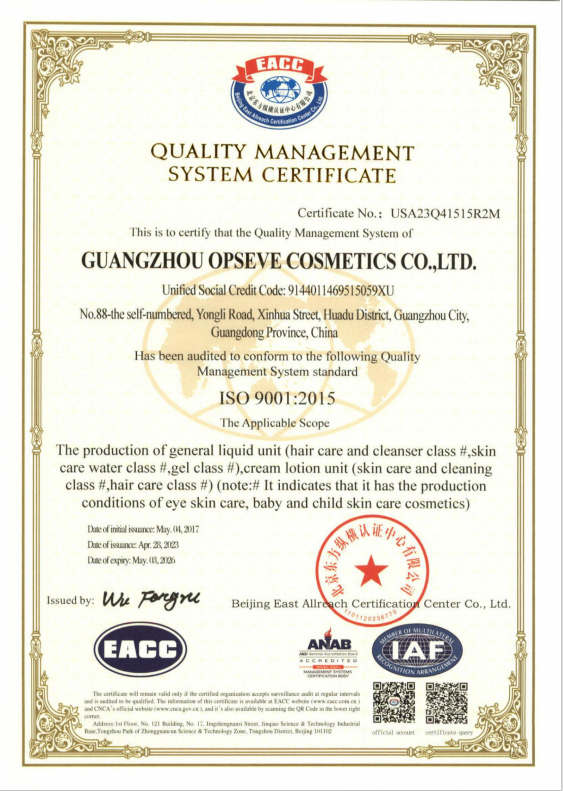
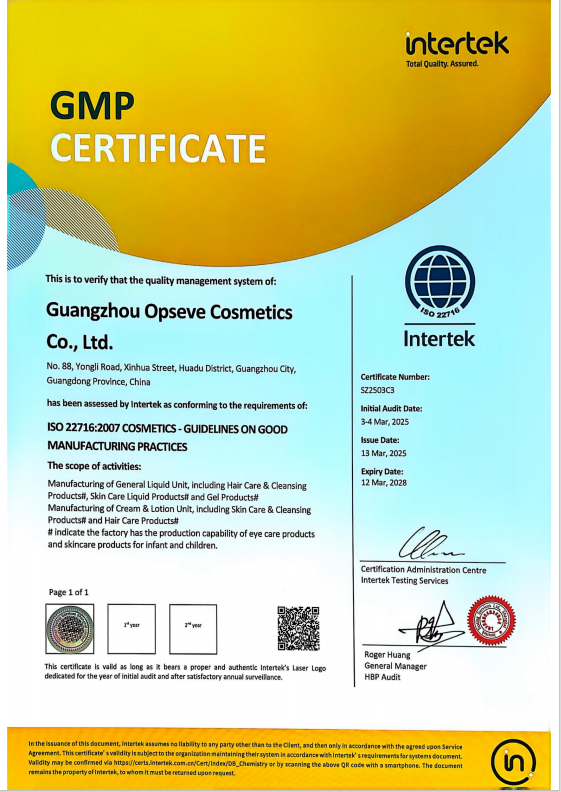
Confusing sensory approval with market readiness creates quality and liability risk because the two decisions rely on different evidence. This project framework separates formula, packaging, safety, and production questions, while FDA, Regulation 1223/2009, and ISO 22716 define official role or scope boundaries for the applicable market.1, 2, 3 Because a quality decision can fail when evidence is assigned to the wrong actor, use the official page for ISO 22716 and the cited FDA source to separate production scope from market roles.
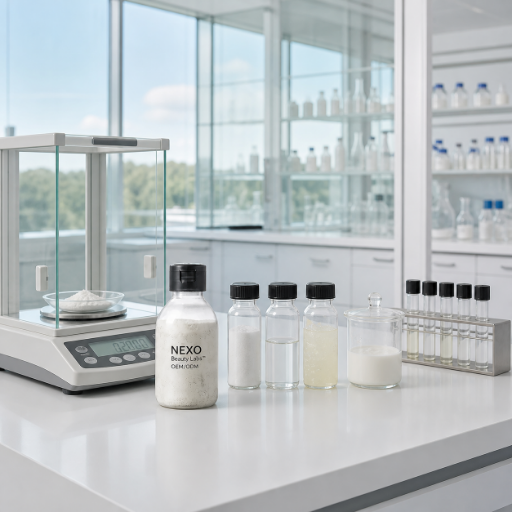
Formula and raw-material inputs
Confirm the formula intent, material source information, known restrictions, preservation questions, and evidence available for the complete formulation.
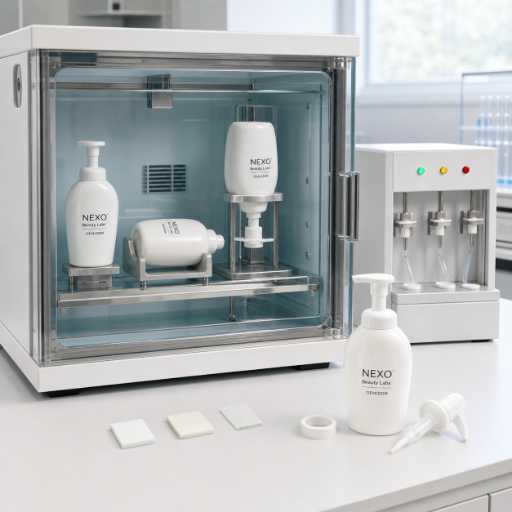
Packaging compatibility
Review the final pack material, closure, dispensing method, contact conditions, decoration, storage, and any project-defined compatibility evidence.
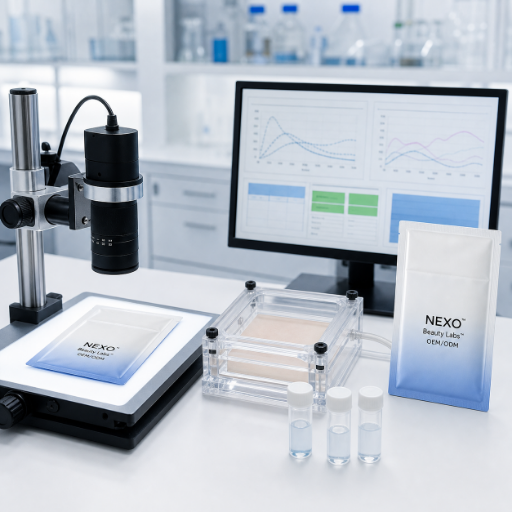
Safety and intended claims
Allocate who assembles safety substantiation and who reviews claims, label identity, exposure, or another market-specific requirement.
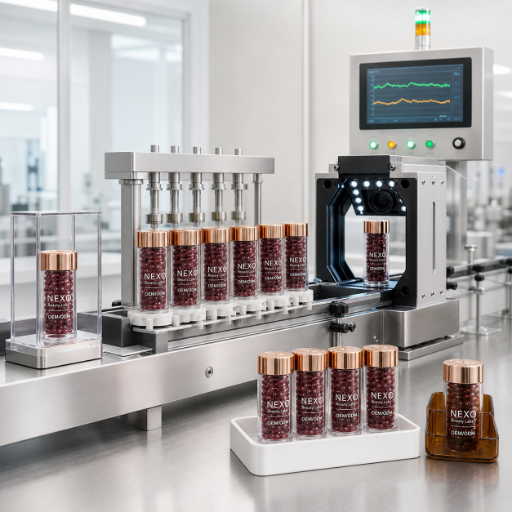
Production transfer
Freeze the approved formula and packaging, then identify the process controls, inspection, batch evidence, deviations, and release decision expected from production.
ISO 22716 production-control boundary
The official page for ISO 22716 covers production, control, storage, and shipment guidelines while excluding research and development and finished-product distribution.3 Use that boundary to separate the production-transfer decision from research, development, and finished-product distribution.
United States market-role check
Under MoCRA, the responsible person is tied to the manufacturer, packer, or distributor named on the label and has duties including product listing, serious-adverse-event reporting, and safety substantiation; covered manufacturing facilities have a separate registration pathway. Confirm the applicable actor and any exemption rather than assigning NEXO the role by default.1
European Union market-role check
Regulation 1223/2009 includes a responsible person, safety assessment, product information, notification, and good-manufacturing-practice obligations. These legal duties are distinct from sample approval and require jurisdiction-specific allocation.2
Project Evidence That Supports Each Buying Decision
Match each buying decision to a reviewable project record: an accepted brief, revision decision, order confirmation, release output, or market-role allocation. This source-to-decision chain keeps unresolved scope visible to procurement, product, operations, and quality reviewers. Official sources also distinguish label-based market roles from production-scope guidance.
Decision
Buyer input
Project confirmation
Evidence to review
Start development
Concept, reference, formula, materials or specification
Route, scope, target market and sample goal
Accepted project brief and open-question list
Approve the sensory direction
Skin feel, fragrance, texture and use-experience feedback
Adjustment scope and acceptance decision
Revision record and approved sample status
Release packaging and formula
Final pack, formula status and compatibility questions
Responsibilities and project-defined evidence
Approval record and relevant review outputs
Release production
Quantity, specification, formula, packaging and commercial terms
Production setup, inspection and order documents
Order confirmation, batch/release evidence and shipment records as agreed
Prepare for the target market
Label identity, intended claims, destination and sales route
Applicable legal-role allocation
Evidence held by the responsible or designated actor
For product leads
Use the input map and feedback loop to keep formulation decisions specific, reviewable, and separate from assumptions about safety or production.
Compare a quotation
Normalize formula, package, quantity, timing, documentation, shipping, ownership and excluded work before comparing cosmetic manufacturers.
For quality and regulatory reviewers
Allocate the target-market actor, applicable evidence, acceptance owner, and release record without treating a sample, route label, or document name as universal proof.
Request evidence by decision
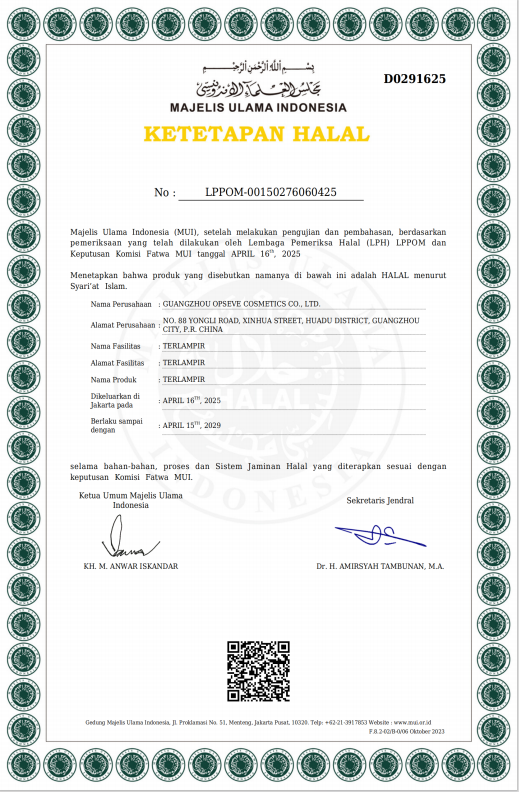
Ask for the project record that closes the current decision: an accepted brief, revision record, order confirmation, release output, or market-role evidence. A familiar badge cannot answer a different question.
Six-Stage Product Development, Market Roles, and Production Transfer
The client-supplied NEXO process moves from product requirements to scale production in six stages. Each stage below identifies the buyer input, the project action, and the approval output without turning the sequence into a guaranteed market-launch date. Manufacturing scale-up creates a separate transfer between development work and routine batch production.
Product Requirements Communication
Share brand positioning, target market, consumer, sales channel, product requirement, input route, intended claims and the first decision you need. Output: a project brief with named gaps.
Product Planning and Solution Development
Review market direction, consumer need, positioning, product concept, ingredient combination, format, skin feel and formulation direction. Output: the development route and sample objective.
Formula Development and Sample Preparation
Develop from an established formula system or the agreed customer requirements and prepare the review sample. Output: a sample tied to the frozen brief.
Sample Optimization and Confirmation
Use feedback on skin feel, fragrance, texture and use experience to define the next adjustment. Output: approve, revise, or hold while another decision remains open.
Product Testing and Production Preparation
Confirm the project-defined stability, packaging-compatibility, quality-evaluation and release questions, including who owns each action and what evidence closes it. Output: a documented production-preparation decision.
Scale Production and Delivery
Move the approved formula and confirmed packaging into production, inspection and packing, then follow the agreed delivery scope. Output: finished product and the order documents defined for the project.
| Boundary | Decision that closes it | What it does not prove |
|---|---|---|
| R&D and sample approval | Agreed formula direction and sensory / commercial acceptance | Safety substantiation or production consistency |
| Safety substantiation | Applicable evidence reviewed by the assigned actor | Market notification or every legal role |
| Market-role allocation | Responsible person, label identity, manufacturer, importer, distributor or other role confirmed for the target market | NEXO assuming a role automatically |
| Production-control evidence | Approved inputs, process controls, inspection, deviations and release evidence defined for the run | A universal guarantee for every formula or facility |
FAQ: ODM Cosmetic Manufacturing
What does ODM mean in cosmetic manufacturing?
ODM describes a route in which the manufacturer participates in product or formula development instead of receiving only a fully frozen production package. The exact scope, ownership, exclusivity, testing, packaging and market responsibilities still belong in the project agreement.
When is ODM the right development route?
It fits when a beauty brand has a concept, ingredient direction, reference sample or partly developed formula and needs structured formulation, sample feedback and production-transfer decisions. If the technical package is complete or formula change is minimal, OEM, private label or contract manufacturing may be clearer.
What inputs should I send for a first review?
Send the starting asset, target market, intended claims, target user, product format, sensory direction, must-have and must-avoid requirements, packaging status, quantity assumption and desired first-sample decision. Add source documents for any existing formula, raw material or specification.
How long does the first ODM sample take?
We prepare a first-round ODM sample in about 7 working days after requirements confirmation. An established-formula sample is prepared in about 3 working days; revisions follow the agreed feedback and change scope.
How long does production take?
We schedule production in about 10 days after formula and packaging confirmation. This node is not a complete testing, external review, export, transit, regulatory or market-launch schedule.
Can NEXO work from an existing formula or technical specification?
Yes. We work from a product concept or ingredient direction, a market reference sample, an existing formula, raw materials, or technical specifications; the first review identifies transfer gaps and the approval path.
Does sample approval mean the product is ready for market?
No. Sensory or commercial approval can close the agreed skin feel, fragrance, texture and use-experience decision, while safety substantiation, packaging compatibility, claims, label, legal roles and production controls may still require separate evidence.
How are price and MOQ confirmed?
Price and MOQ follow the formula route, change scope, packaging, product format, quantity, testing responsibilities, release evidence and logistics. We confirm minimum order and project-specific price in the quotation rather than publishing an unsupported universal number.
What documents ship with the order?
The quotation should name every agreed shipment, batch, safety, transport, and target-market record, together with the party responsible for providing it. Confirm finished-product, label, test, packaging, import, and distributor documentation in the project scope.
Who owns an ODM formula?
Formula ownership, exclusivity, confidentiality, reuse and transfer rights depend on written project terms; the route name does not settle them. Put the required ownership outcome in the brief before development fees or sample work are approved.
Does NEXO act as the responsible person for the United States or European Union?
The responsible-person role follows the applicable market rules, label identity, and project agreement; it should not be inferred from the ODM route. Confirm the United States or European Union responsible person, plus manufacturer, importer, distributor, and any other required actor, for the target market.