Get in touch with NEXO Beauty Labs Company
Sustainable Cosmetic Manufacturing Built Around Proof, Performance, and Market Fit
Turn a sustainability goal into a workable cosmetic brief and packaging solution across formulation, PCR packaging, claim evidence, quality control, and target-market responsibility. Across its OEM and ODM scope, NEXO Beauty Labs supports skincare, hair care, and body care projects from product concept to commercial production.
A sustainable brief still has to fill, dispense, protect the formula, carry compliant wording, and work at commercial-production scale.
1999
Manufacturing foundation dates back to this year
25+ years
Cosmetic manufacturing expertise
Since 2020
International business-team support
3 care areas
Skincare, hair care, and body care
Sustainability Goals Aligned With Product Performance
“Eco-friendly” is not a formula specification. The trade-off is that a simple phrase must still cover product performance, packaging function, evidence, and market responsibility; unlike a slogan, a usable sustainable cosmetic manufacturing brief makes every one of those decisions visible.
Define the cosmetic products, application, texture, dispensing behavior, protection needs, and consumer-use conditions. A balm in a jar presents different package questions from a serum in an airless format.
State whether the priority is post-consumer recycled content, reusable or refillable packaging, less virgin plastic, mono-material design, renewable inputs, or another route. Each objective needs its own feasibility check.
Separate language such as recyclable, biodegradable, post-consumer recycled, lower plastic use, reuse, or reduced carbon footprint. The evidence for one phrase does not automatically support another.
Identify the destination market, responsible entity, label owner, and document owner. Consumer demand can shape the brief, but cosmetic-industry rules determine how the final wording must be supported.
Working principle: environmental impact is a system question. Recycled materials, product packaging, transport, use, recycling access, landfill conditions, and single-use behavior can all affect the final interpretation.
Write the decision, not the slogan
Instead of asking for an environmentally friendly package, identify the component, material objective, product contact, use scenario, and destination market. This turns sustainable packaging language into questions that product, purchasing, quality, and marketing teams can answer together.
Keep alternatives visible
An eco-friendly cosmetic brief can reflect an eco-conscious goal while comparing PCR, refill, reuse, reduced material, renewable inputs, or another route without assuming one is universally better. Record why an option advances the goal, what performance it must retain, and what evidence would support the eventual wording.
Release only the approved combination
Sustainable cosmetic packaging should stay tied to the approved formula, component set, decoration, supplier evidence, and market qualification. If skincare packaging or a raw material changes, reopen the affected compatibility, artwork, and claim decisions before release.
NEXO Cosmetic Development and Manufacturing Capabilities
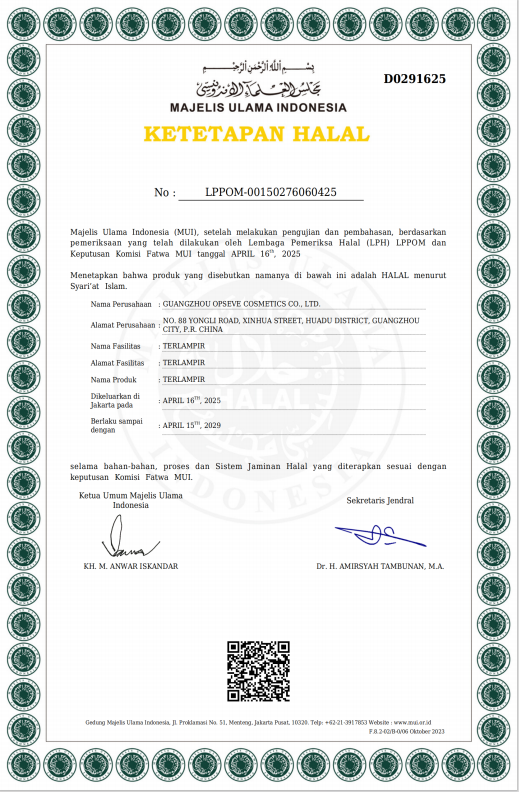
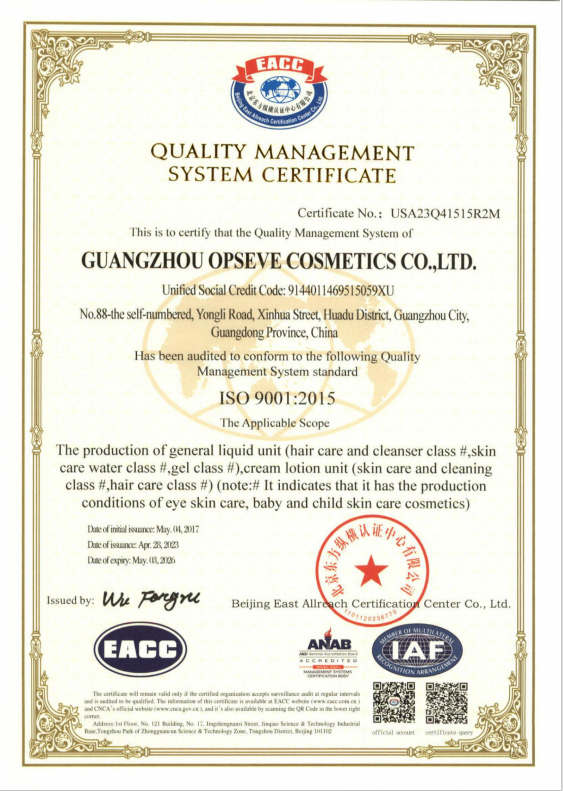
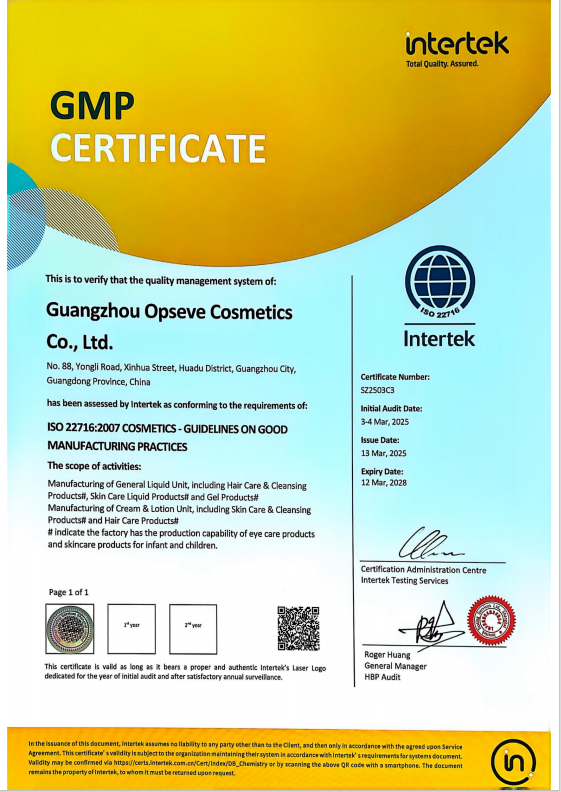
A vague sustainability request creates a risk and an evidence gap because product, packaging, and market responsibilities remain undefined. Built on more than 25 years of cosmetic manufacturing expertise, NEXO Beauty Labs provides OEM and ODM support across product development, formulation innovation, and commercial production for global beauty brands and partners. For a buyer, the factory decision begins with that declared scope and a project-specific record, not an assumed certification or capacity.
Decision Rule
Treat NEXO Beauty Labs' service scope as the starting point, then approve each product, package, claim, and market combination on its own project record.
NEXO's manufacturing foundation dates back to 1999. Its international business team has supported global beauty brands and partners since 2020.
The partnership covers cosmetic OEM and ODM support across product development and formulation innovation. The team supports global beauty brands, e-commerce companies, distributors, and private label partners.
-
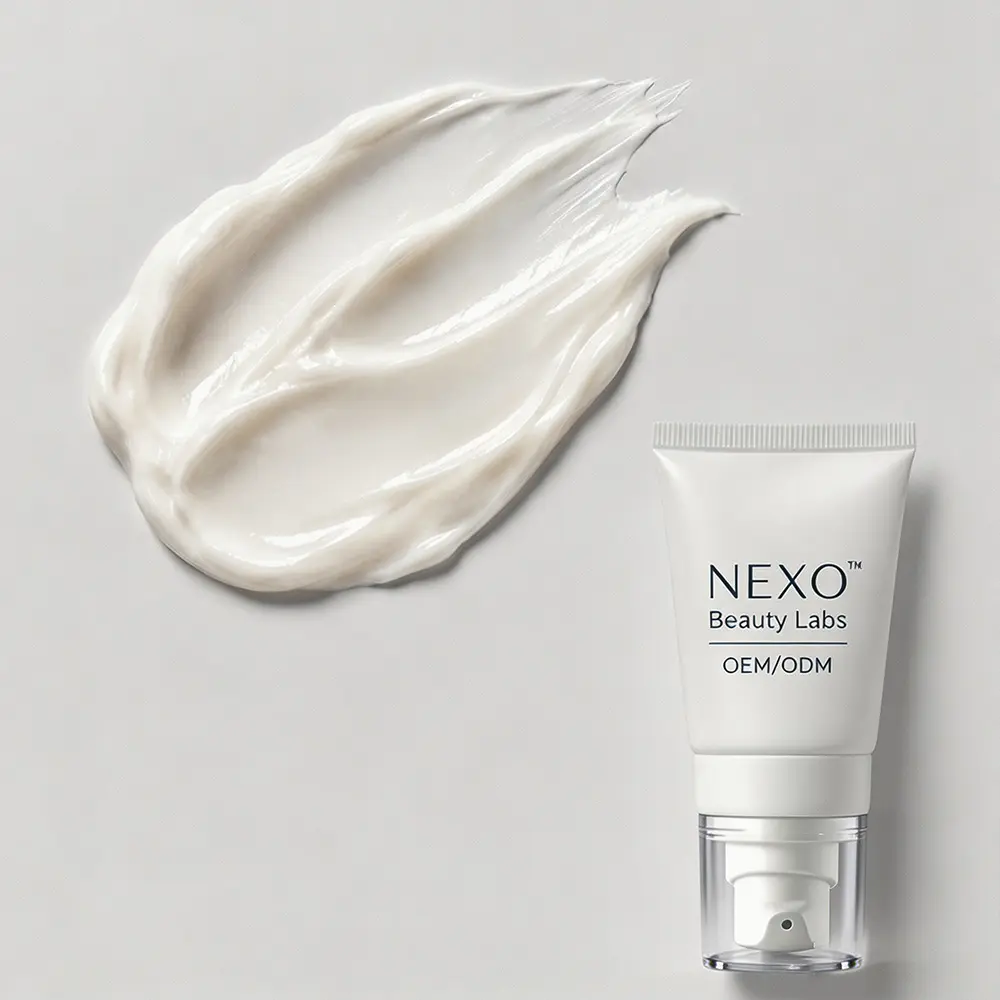 Skincare
translate a product brief into formula, packaging, claim, and market inputs.
-
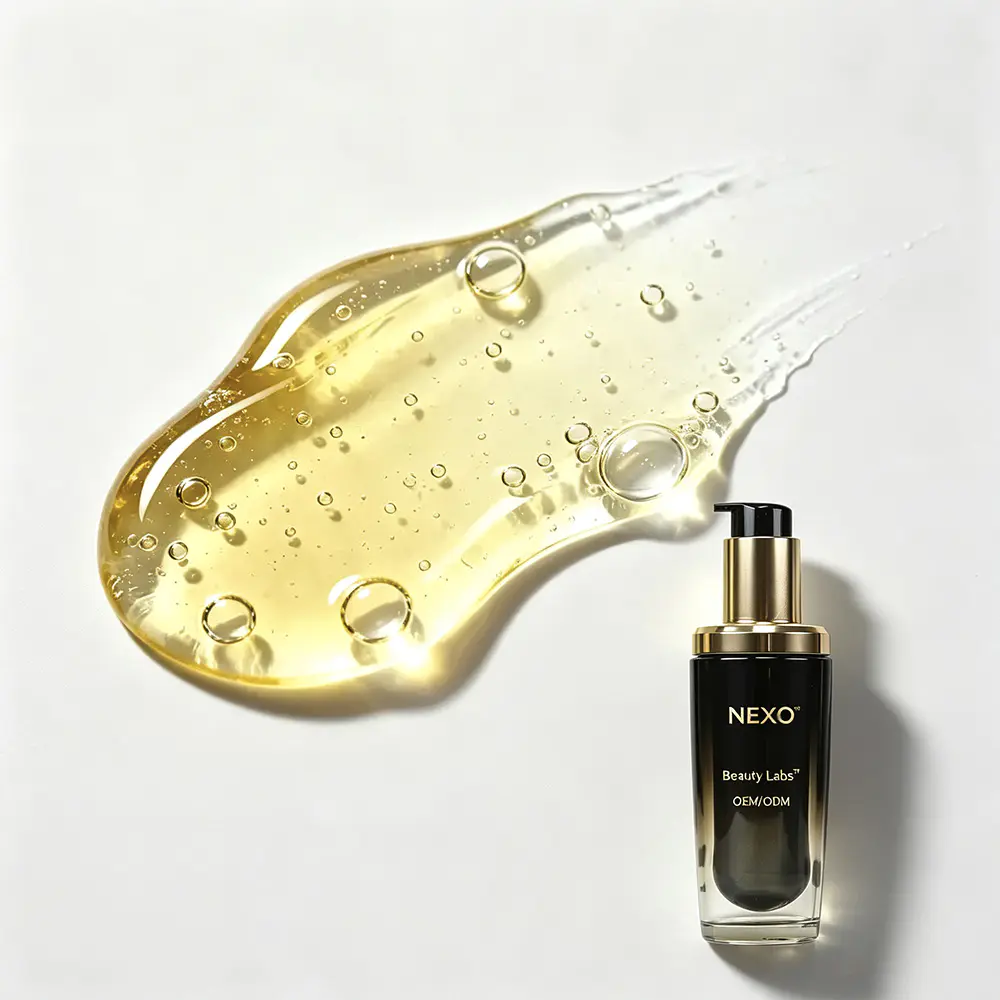 Hair care
align intended use, sensory targets, pack format, and commercialization needs.
-
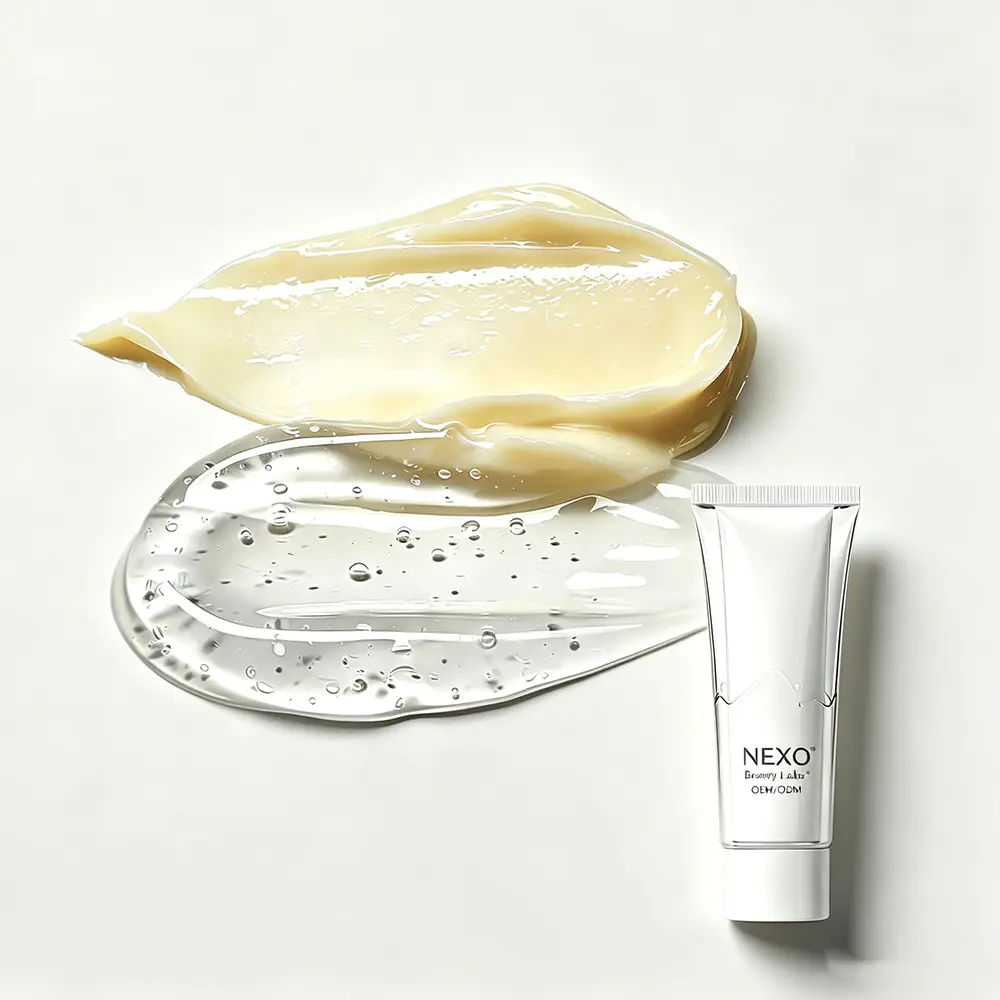 Body care
connect formula characteristics with dispensing, decoration, labeling, and quality checkpoints.
-
OEM and ODM
frame development responsibilities before a project moves from concept to commercial production.
PCR Packaging Decisions for Private-Label Cosmetics
PCR cosmetic packaging private label sourcing starts with more than a resin percentage. For example, PCR material choices for a buyer comparing a 30mL serum pack with a 200mL body-lotion pack require different application, dispensing, formula-contact, decoration, quality-control, and claim reviews.

Decision
What to request
What it does not prove
Approval question
PCR content
Material declaration, component scope, calculation basis, and supplier documentation
Finished-pack recyclability or a lower environmental impact
Which components contain post-consumer recycled material, and on what documented basis?
Formula compatibility
Defined formula, contact material, closure, dispensing path, storage conditions, and acceptance criteria
Universal compatibility for every skincare or personal care formula
What evidence will release this formula–package combination?
Recyclability
Component construction, separation instructions, decoration, local collection and processing context
That every consumer can recycle the package
Is the claim qualified for the actual target market?
Appearance and customization
Color tolerance, surface finish, decoration route, artwork zone, and approved reference
That PCR plastic will look identical to virgin plastic
Which visible variations are acceptable for the brand?
Reuse or refill
Use cycle, cleaning or replacement approach, primary pack and refill relationship
A net benefit without a defined use scenario
What behavior must occur for the reuse or refillable model to work?
When a PCR sample looks different
Do not treat every color or finish difference as a defect, and do not accept every variation by default. Agree on a visual reference, tolerance, lighting condition, decoration route, and escalation path so the brand and supplier review the same standard.
When the component performs differently
Trace the issue through resin, molding, closure, pump, liner, formula contact, fill, storage, and use. The record should show whether the decision is to change the component, adjust the formula route, qualify a visible difference, or reject the combination.
When the claim becomes broader
“Using PCR” may describe one component, while “reduces plastic waste” or “recyclable package” communicates a wider outcome. Send broader wording back through the proof stack instead of stretching a component declaration beyond its scope.
PCR Packaging Decision Ledger
Compare component scope, PCR evidence, formula contact, decoration limits, recyclability wording, and unresolved approval items in one printable record.
Sustainability Claim Proof Stack
The risk of a claim gap grows because one packaging attribute can be interpreted as a broader product or lifecycle result. The proof-stack structure used by NEXO Beauty Labs aligns with FTC, FDA, and EU claim criteria: wording, product scope, evidence, responsibility, market check, and qualification must point to the same statement.
-
Layer 1
Exact wording
Record the consumer-facing phrase and where it will appear.
-
Layer 2
Product scope
Name the SKU, component, formula, pack, and market covered.
-
Layer 3
Evidence
Connect supplier documents, calculations, tests, or assessments to the phrase.
-
Layer 4
Responsibility
Assign the brand, manufacturer, supplier, laboratory, or responsible entity.
-
Layer 5
Qualification
State limits clearly enough to avoid a broader consumer interpretation.
The FTC Green Guides focus on how environmental marketing can be understood and whether claims are properly qualified and substantiated. FDA cosmetic-claim guidance also requires truthful, non-misleading labeling.
Regulation 655/2013 sets common criteria for explicit and implicit cosmetic claims, including truthfulness and evidential support. The target-market responsible party must align wording with supporting product documentation.
Keep the source document, issuing party, date, product or component scope, relevant passage, version, and review owner together. A filename alone is not enough when artwork, a marketplace, a distributor, or a regulator asks what supports the claim.
Read the phrase as a buyer would encounter it on the label, product page, carton, image, or sales sheet. If the likely interpretation is wider than the evidence, narrow the wording or place the qualification close enough to change that interpretation.
Name the events that reopen review: a supplier change, new resin source, revised PCR content, formula adjustment, component redesign, target-market addition, certification update, or new marketing phrase. Change control keeps an old evidence file from silently supporting a new product situation.
Build a claim record before artwork approval
Use the proof-stack tool to identify missing evidence, over-broad wording, ownership gaps, and market checks.
Quote Inputs, Commercial Scope, and Scheduling
For a procurement buyer, an incomplete brief creates a pricing problem, scheduling risk, and avoidable approval gap. NEXO Beauty Labs reviews the product, formula route, component selection, decoration, evidence package, market, approval rounds, and order scope before a project-specific commercial response.
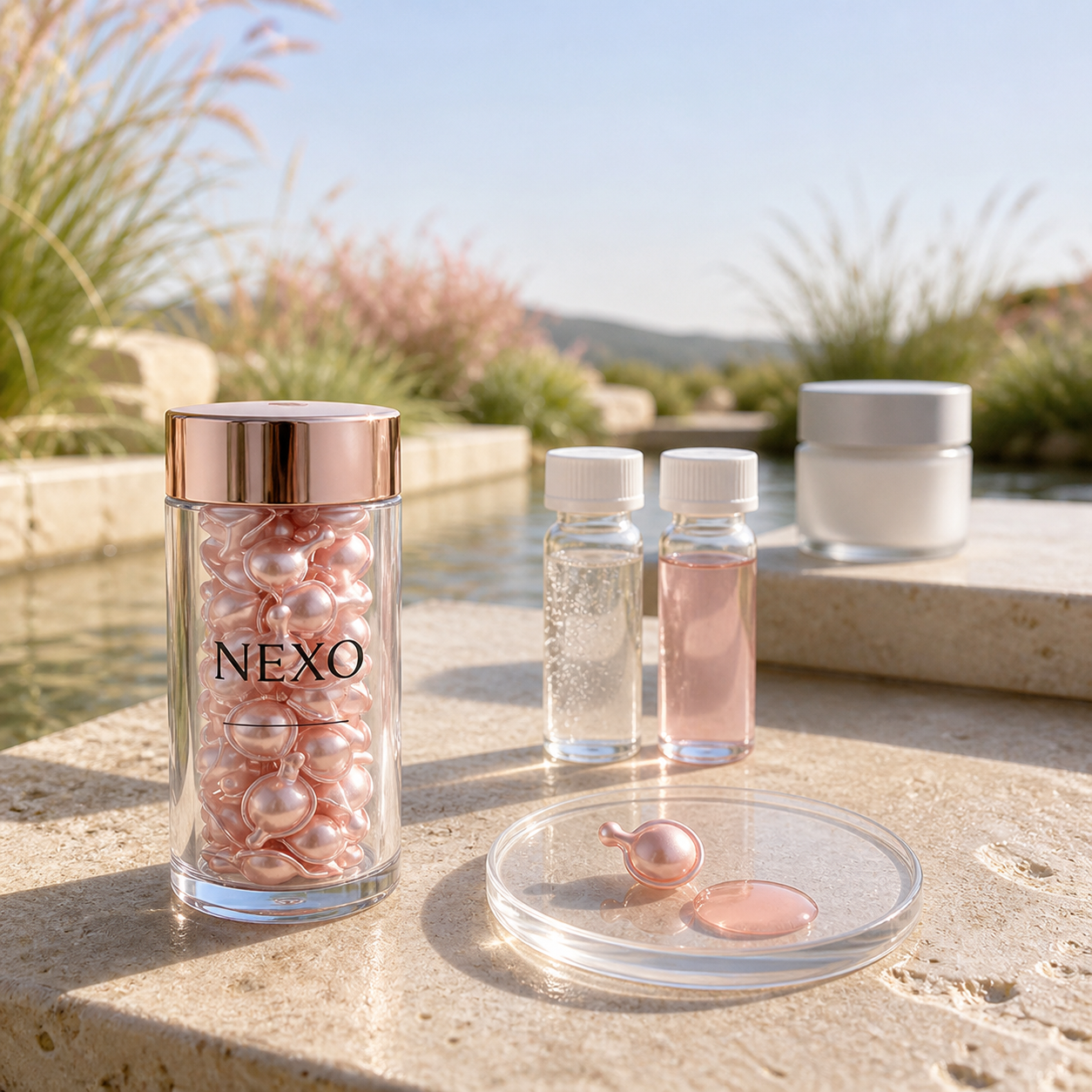
Product inputs
- Category and intended use
- Target texture, sensory profile, and formula route
- Claims, exclusions, and target-market language
- Reference product or approved benchmark
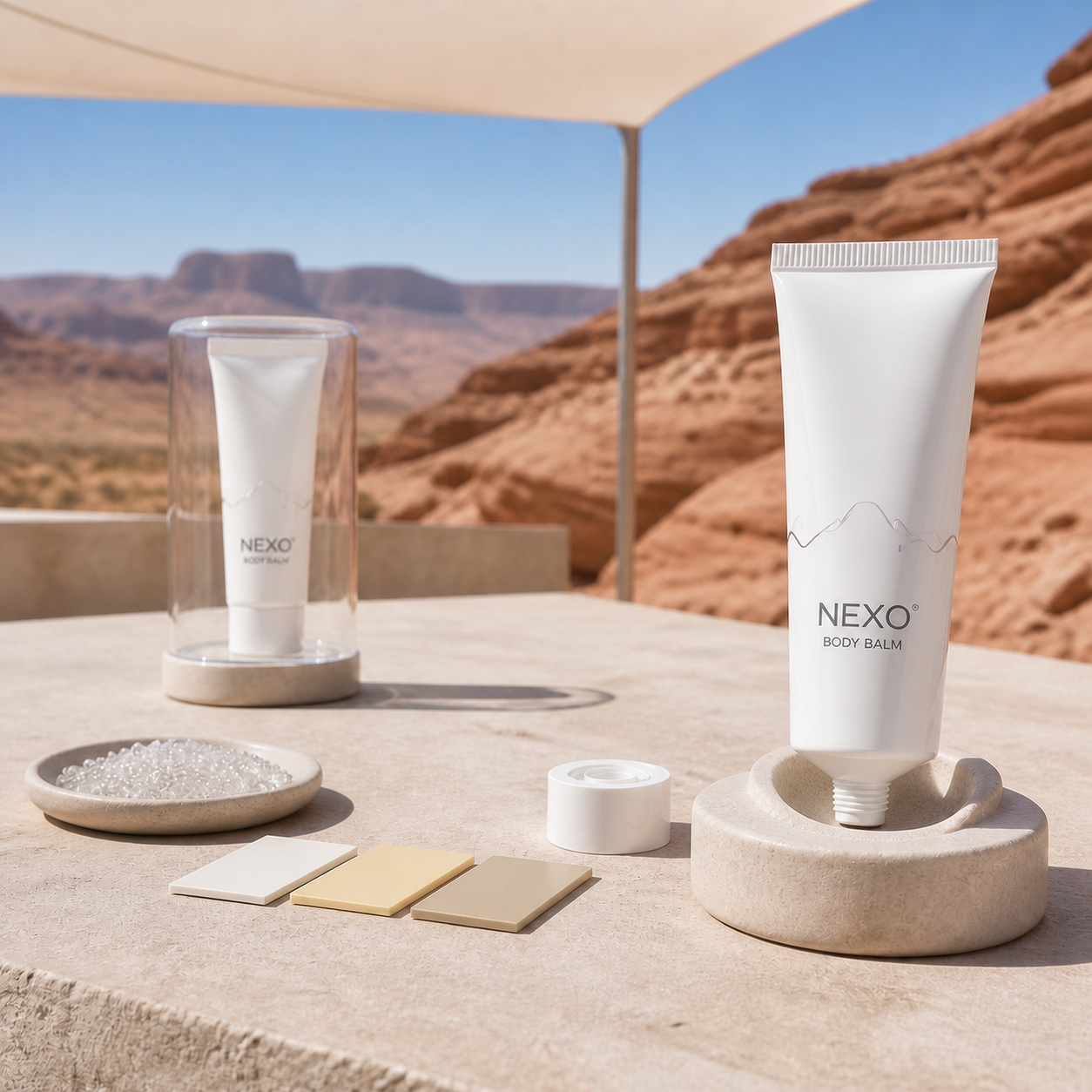
Packaging inputs
- Primary pack and dispensing format
- PCR packaging or other material objective
- Decoration, artwork, and color requirements
- Compatibility and appearance acceptance criteria
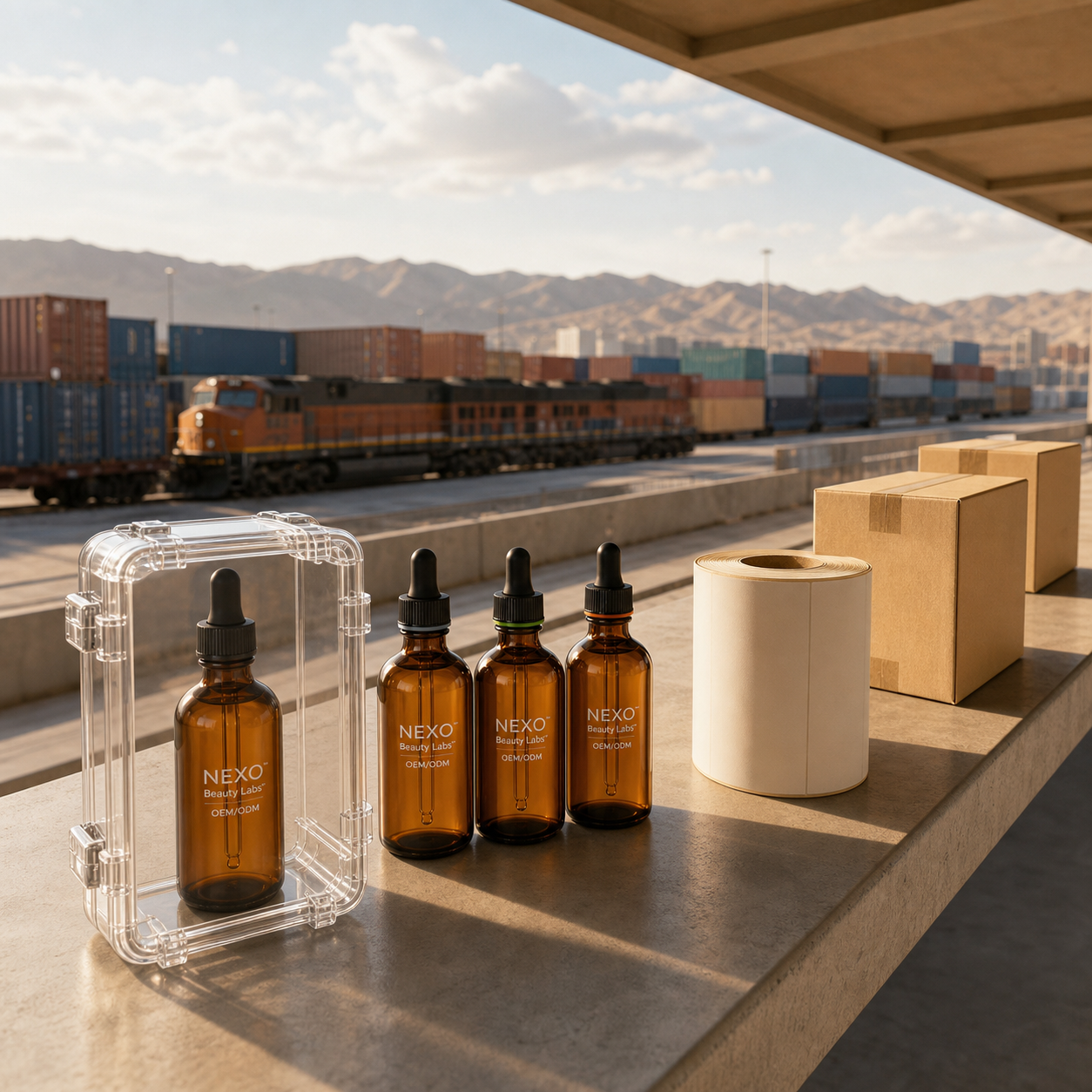
Commercial inputs
- Destination market and launch priority
- Target order scope and variant count
- Required documents and decision owners
- Sample, review, and artwork approval sequence
| Input change | Likely review opened | Decision owner to name |
|---|---|---|
| Formula route or product format | Development scope, raw materials, package contact, sample criteria, claims, and documentation | Brand product lead and NEXO project contact |
| PCR content, resin source, or package format | Supplier evidence, compatibility, color, decoration, recyclability wording, and costing | Packaging, quality, purchasing, and brand approval owners |
| New destination market | Responsible entity, labeling, language, claim qualification, prohibited wording, and document set | Brand market owner and qualified regulatory reviewer |
| Variant or artwork expansion | Reference control, component availability, decoration setup, approval rounds, and release sequence | Brand artwork owner and project release owner |
Quality Assurance Checks From Formula to Finished Pack
Quality control must prevent a compatibility risk or release problem from reaching commercial production. NEXO Beauty Labs frames checks around the actual formula, filling behavior, package function, appearance, labeling, and approved reference rather than a generic “sustainable” label.
Before the sample
Freeze the product brief, intended claims, raw materials route, packaging options, target market, and acceptance criteria.
During sample review
Record texture, odor, color, application, fill, closure, dispensing, decoration, and any visible variation from recycled plastic.
Before artwork
Connect every environmental, vegan, cruelty-free, recyclable, refillable, or biodegradable phrase to its evidence and qualification.
Before production release
Confirm approved formula, pack, artwork, reference, change status, document ownership, and destination-market responsibilities.
NEXO quality-review activity; release criteria remain specific to each product brief.
How We Work: Development From Brief to Commercial Production
A hidden handoff gap creates revision risk when formula, package, artwork, or market scope changes. NEXO Beauty Labs connects product concept, formulation innovation, and scalable manufacturing support while the route below keeps each decision visible.
Stage 1
Brief
Define buyer, product, market, intended claim, material objective, performance target, and decision owners.
Stage 2
Development route
Align OEM or ODM responsibilities across formula, customization, packaging, documentation, and review.
Stage 3
Sample and pack fit
Review beauty products against sensory, use, fill, dispensing, appearance, and compatibility criteria.
Stage 4
Claim and artwork
Approve exact wording only after scope, evidence, qualification, and market responsibility align.
Stage 5
Commercial release
Freeze the approved combination and carry quality, document, and change-control decisions into production.
Brand team handoff
Cosmetic brands should name the product promise, intended buyer, market, claim language, approval owners, and acceptable trade-offs. This keeps marketing ambition connected to the product and packaging that will actually be released.
Development handoff
The development record should carry the formula direction, excluded inputs, sensory target, product reference, pack contact, dispensing needs, and sample feedback. Each revision should show what changed and which earlier approval remains valid.
Packaging handoff
The component record should identify material, supplier document, PCR basis, decoration, artwork version, color reference, formula contact, and unresolved questions. It should also distinguish a requested option from the final approved packaging combination.
Release handoff
The release record should connect formula, pack, artwork, quality reference, claim evidence, market responsibility, and commercial scope. When one input changes, the owner can reopen the affected decision instead of restarting the entire project.
A supplier or packaging change can affect the formula, artwork, sustainability statement, or release evidence. Keep a change log that names what changed, which approval is reopened, and who owns the next decision.
Request a ConsultationFAQ: Sustainable Cosmetic Manufacturing
These answers define the project questions NEXO can review without replacing product-specific evidence, target-market advice, or a written commercial scope.
It means translating an environmental or responsibility goal into formula, packaging, evidence, market, quality, and change-control decisions. The term does not establish a certification or measured outcome on its own.
Yes. NEXO supports product development and manufacturing for skincare, hair care, and body care, from product concept toward commercial production.
Not automatically. PCR content describes a material input, while recyclability depends on the full component structure, decoration, separation, collection, processing, and target-market context.
It can introduce compatibility, processing, mechanical, aesthetic, color, or decoration considerations depending on the resin, component, formula, and format. Approval should use a defined formula–package combination and acceptance criteria.
No. Vegan language usually concerns ingredient origin, while cruelty-free language concerns animal-testing practices and scope; both need exact definitions and supporting documentation for the intended market.
A named program claim belongs to the entity and product scope covered by that program's current rules and records. Provide the intended program, applicant entity, product scope, and documentation before artwork uses its name or mark.
Share the product category, formula route, target market, packaging format, decoration, documentation, variant count, order objective, and approval sequence. The team can then review a project-specific commercial scope without relying on an invented public price, minimum order, or lead time.
Send the intended product, buyer, market, claims, reference, formula direction, packaging objective, and launch priority. If PCR packaging or cruelty-free language is planned, include the evidence and responsibility questions you already know.