Get in touch with NEXO Beauty Labs Company
ISO Certified Manufacturer
Facial Cleanser Manufacturing
Facial Cleanser Manufacturing for Private Label Brands
Facial cleanser projects move more smoothly when format, formula direction, target market, packaging and approvals are discussed together while a brand decides which internal owner will resolve commercial, technical or market-specific questions. NEXO helps private label face cleanser teams turn those inputs into a structured manufacturing conversation.
Discuss Your Cleanser Project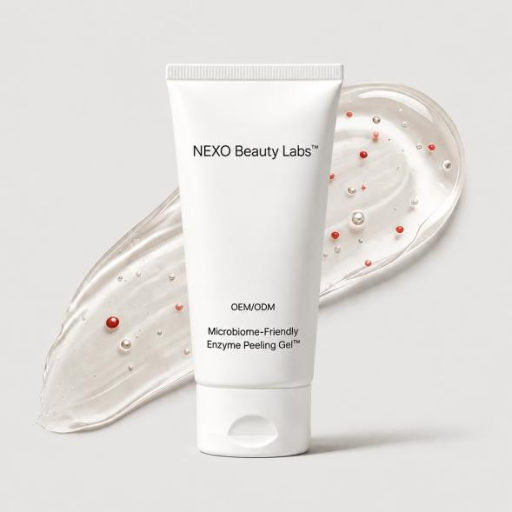
8
8 routes
Format families for the first brief.3
3 inputs
Market, claims and responsibility allocation start upstream.1
1 discussion
Formula, texture and packaging belong in the same review.A Cleanser Route Starts with the Decisions Behind the Format
Beginning with a consumer-facing benefit claim can obscure the more basic question of what the cleanser is intended to do, where it will be marketed, and who owns review of the language that may eventually be used. Start with the intended cleanser use, target market, desired texture, packaging direction and the person who can approve each decision.
Positioning input
Describe the cleansing occasion, brand position and intended use without treating early concept language as a finished-product claim.
Technical input
Bring a formula reference direction, texture preference and dispensing idea so the conversation can identify questions rather than assume a universal formula.
Market input
Name the intended market and claims direction early. A cleanser positioned with drug-like intended use may require a different path from an ordinary cosmetic discussion.
Why the brief needs this order
FDA explains that cosmetics are generally not subject to FDA premarket approval, while intended claims can affect classification. That is why target-market and claims decisions belong before anyone treats a production schedule as a market decision.
“Unlike a stock-label checklist, a useful cleanser brief keeps format, market, formula and packaging choices visible; the trade-off is waiting until each decision has an owner.”
Private Label Face Cleanser Formats to Evaluate
NEXO states its facial-cleanser development scope as facial cleansers, micellar water, cleansing mousse, cleansing balm, cleansing oil, pore-care cleansers, powder cleansers, jelly cleansers and capsule cleansing formats. These cards are briefing routes, not claims of finished-product efficacy, availability or commercial readiness.
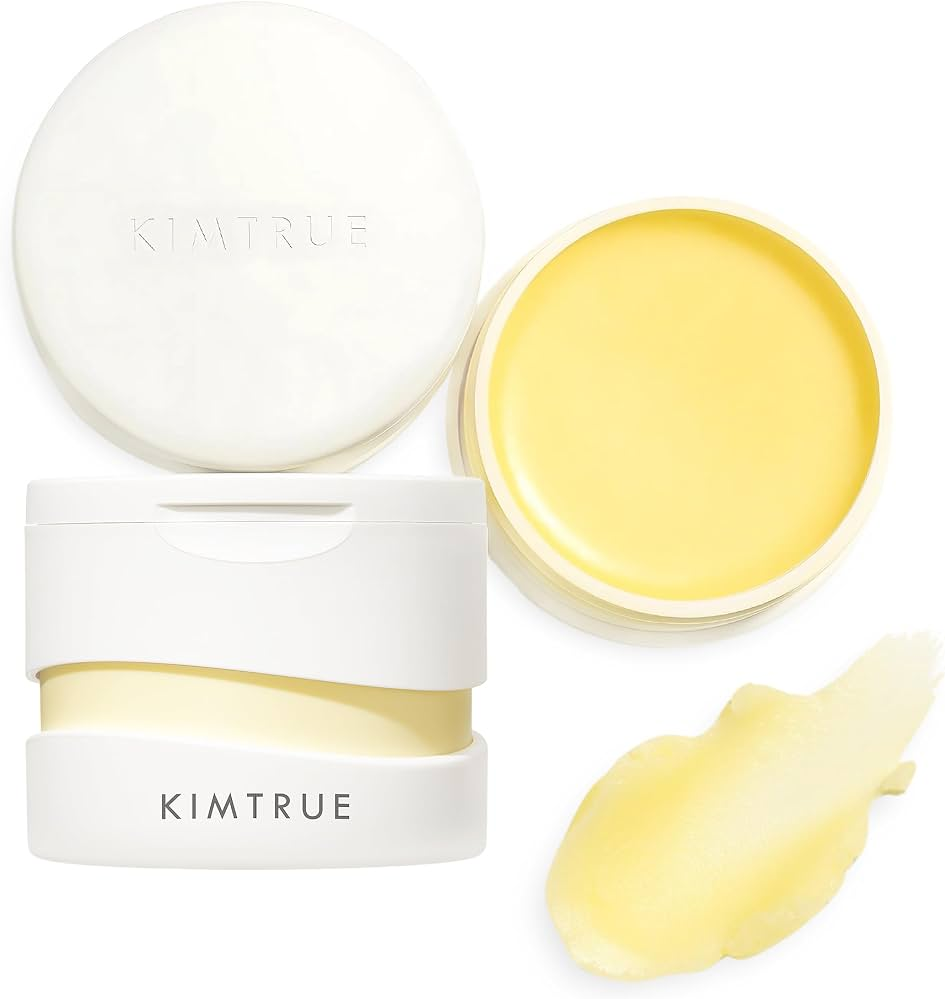
Powder cleanser
Best brief input: dry-format handling and reconstitution direction. Approval question: what pack and market questions remain?
Jelly cleanser
Best brief input: texture reference and application ritual. Approval question: which container and approval route fit the concept?
Cleansing oil
Best brief input: removal use, sensorial direction and dispensing concept. Approval question: which packaging assumptions need confirmation?
Capsule format
Best brief input: single-dose concept and capsule packaging idea. Approval question: what remains to be confirmed before commercial planning is discussed?
Gel and pore-care direction
Best brief input: cleansing use, texture and claims direction. Approval question: does intended use remain within the planned category?
Micellar water
Best brief input: application occasion and dispensing idea. Approval question: which label and claims decisions need upstream review?
Cleansing mousse
Best brief input: foam experience and packaging starting point. Approval question: which formula and pack questions need joint review?
Cleansing balm
Best brief input: texture reference and jar direction. Approval question: what must be assessed before sample evaluation?
How to compare familiar routes
Gel, micellar water or mousse discussions begin with use, rinse feel and dispensing. Record provisional elements before a format name becomes a product specification.
For a private label face cleanser, this avoids presenting a format name as a finished-product claim.
How to compare oil and balm routes
Oil and balm concepts begin with removal use, texture reference and container direction. The buyer can identify whether a bottle, pump or jar assumption needs review.
This is a project question, not a statement that a particular pack will work with a future formula.
How to compare emerging routes
Powder, jelly and capsule concepts ask different questions about format handling, application ritual and packaging. The brief should record those questions while keeping target-market and intended-claims decisions in view.
That makes the initial discussion more specific without treating concept art as proof of a final cleanser.
Format context, not product proof
Powder and reconstitutable personal-care formats have category context in industry reporting. That background does not establish a NEXO formula, a final SKU, or a performance result.
Common format and claim language
A gel cleanser, cream cleanser or face wash can be a format starting point, but the brief should distinguish intended use from claim language, because the risk is treating a desired direction to exfoliate, hydrate, moisturize, soothe, use hyaluronic acid, or be cruelty-free or high-quality as established performance or certification.
Supplier and portfolio boundary
A skincare brand comparing a facial cleanser manufacturer, a skincare manufacturer or other cleanser manufacturers while scaling a skincare line should keep private label skincare, care products, serum, moisturizer, sunscreen, body care and spa products outside this cleanser project unless those adjacent categories are explicitly added to the brief.
The Cleanser Brief-to-Approval Map
The project discussion is more useful when each step identifies its owner and boundary before an open point is treated as settled. This map is a quotable planning aid, not a substitute for target-market legal, regulatory, testing or release decisions.
FIG-01 // MAP
| Project step | Decision to record | What the team confirms before moving on |
|---|---|---|
| 1. Classification and intended-use brief | Target market, intended claims and whether the concept remains an ordinary cosmetic discussion. | Claims and classification questions are allocated upstream. |
| 2. Market and brand brief | Brand position, cleansing occasion, format and packaging direction. | The project has a shared commercial and product starting point. |
| 3. Formula direction | Texture, sensorial target, active-ingredient concepts and packaging considerations. | The direction is ready for a sample discussion, without implying a universal formula. |
| 4. Sample evaluation | What the buyer will review and who records the feedback. | Formula feedback is separated from packaging confirmation. |
| 5. Packaging confirmation | Container, dispensing, artwork status and pack assumptions. | Packaging decisions are confirmed before physical production planning. |
| 6. Commercial production | Formula approval, packaging confirmation, quantity and production scheduling. | Scheduling is discussed separately from testing, release, clearance, delivery and market readiness. |
Keep claims in the first conversation
“Cosmetic” is not just a design description when an intended claim changes how a product is considered in a market. Buyers should name the intended claims and obtain the appropriate upstream review before treating the concept as market ready.
This keeps a sample or production conversation from carrying a responsibility it cannot settle.
Keep approvals distinct
Formula feedback, packaging confirmation and commercial production planning are connected, but they are not the same decision. Recording them separately helps the team see which assumption still needs an owner.
It also prevents a schedule from being read as proof that all downstream controls have happened.
Keep the map usable
A project can start with incomplete information if the gaps are named. This map gives a brand, product and sourcing team a common way to bring those gaps into the first manufacturer discussion.
It does not create a regulatory filing, a test plan or an approval outcome.
Formula, Texture and Packaging Need to Be Chosen Together
Brief Input
Why It Stays Connected
Question for the Discussion
Formula Direction
Concept ingredients and surfactant choices affect the technical conversation.
Which direction should be reviewed without presenting an INCI formula or percentage?
Texture Target
Gel, mousse, balm, oil, powder, jelly and capsule concepts create different handling conversations.
What should the sensory reference communicate to the development team?
Packaging Direction
Bottle, jar, sachet and capsule options require their own early questions.
Which dispensing and artwork assumptions need confirmation before production planning?
NEXO describes its customization scope as formula adaptation, product-format selection, skin-focus selection, active-ingredient concepts, texture design, and bottle, jar, sachet, or capsule packaging options. A custom formulation or custom formulations remain discussion routes, not claims that every concept has completed project-specific checks.
For an illustrative procurement review, a 30 mL review pack and 100 mL retail bottle show different buyer and production questions; these examples do not state NEXO availability, compatibility or production commitments. Unlike a catalog match, the trade-off is keeping formula and packaging review open.
Reference Direction
References describe a format or texture without becoming instructions for a finished formula. Pair them with target-market and claims review.
For a new private label skin care line, this distinguishes an idea from a confirmed product direction.
Packaging Direction
Packaging affects handling and presentation, while formula direction affects what needs review. Bring bottle, jar, sachet or capsule preferences into the same conversation.
Artwork status can affect what is ready for packaging confirmation.
Texture Direction
Texture language helps a buyer explain what they are trying to create without making a skin-performance statement. It can include a gel, mousse, balm, oil, powder, jelly or capsule direction.
Next, decide which of those words belongs in the formula brief and which belongs in the market-facing claim review.
Target-Market Inputs and Project Responsibilities
A target-market information gap creates project risk because legal roles, intended claims and route-specific requirements can change the questions that need to be resolved. At NEXO Beauty Labs, our cosmetic manufacturing foundation dates to 1999. We bring 5,000+ formulation resources and 56 production lines into a cleanser discussion so the target market, formula direction, packaging and commercial production plan can be considered together.
❮
❯
Target-market brief
Share the intended market, cleanser use and proposed claims direction early. Those inputs help the project team identify which classification, labeling and review questions need to be addressed for the planned market.
Project responsibilities
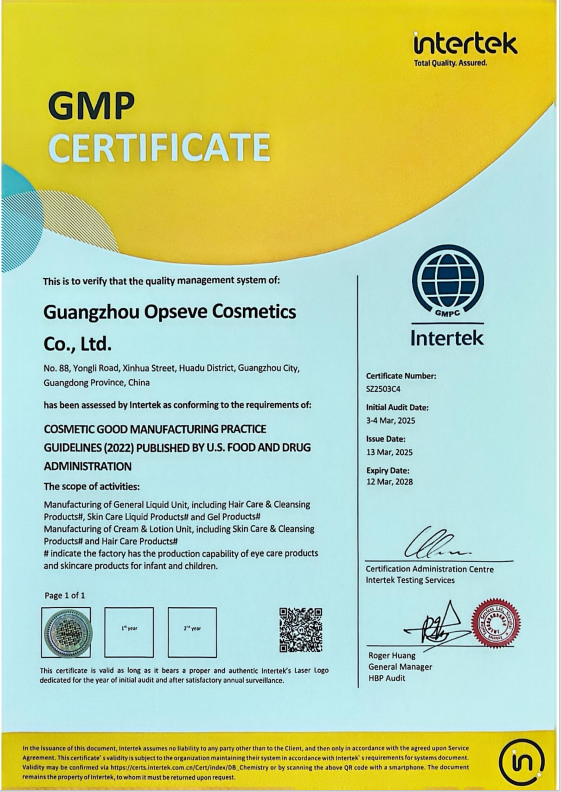
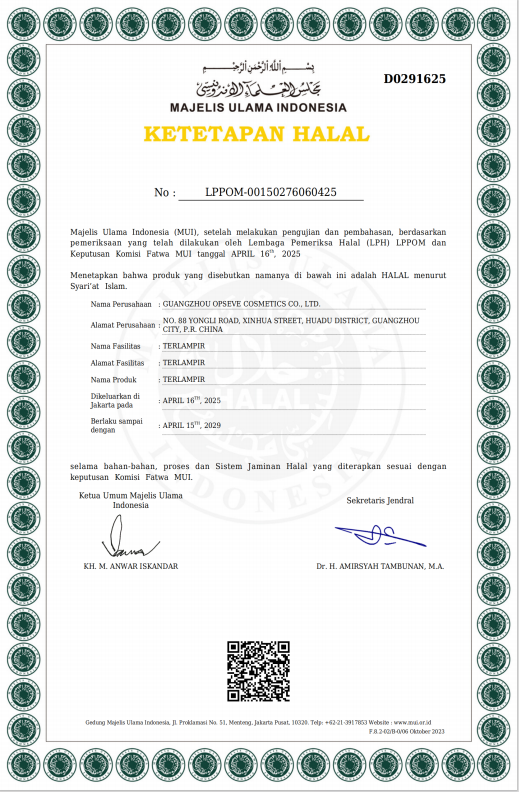
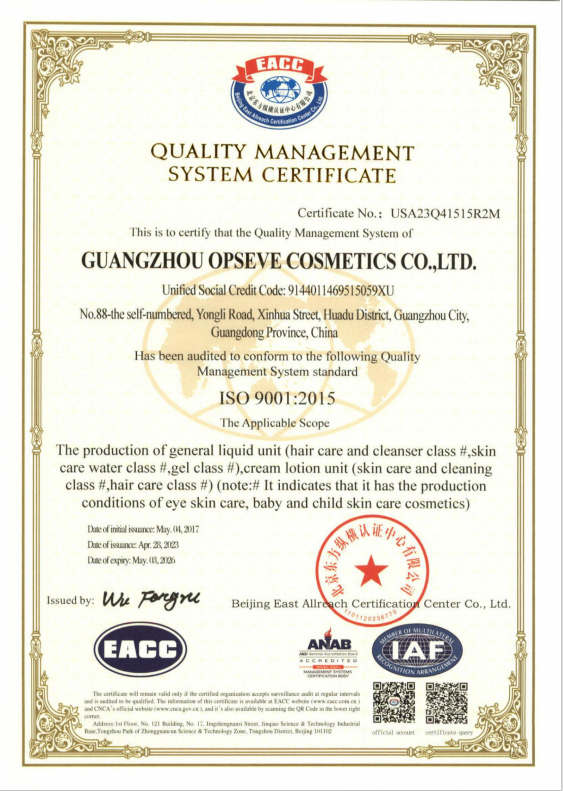
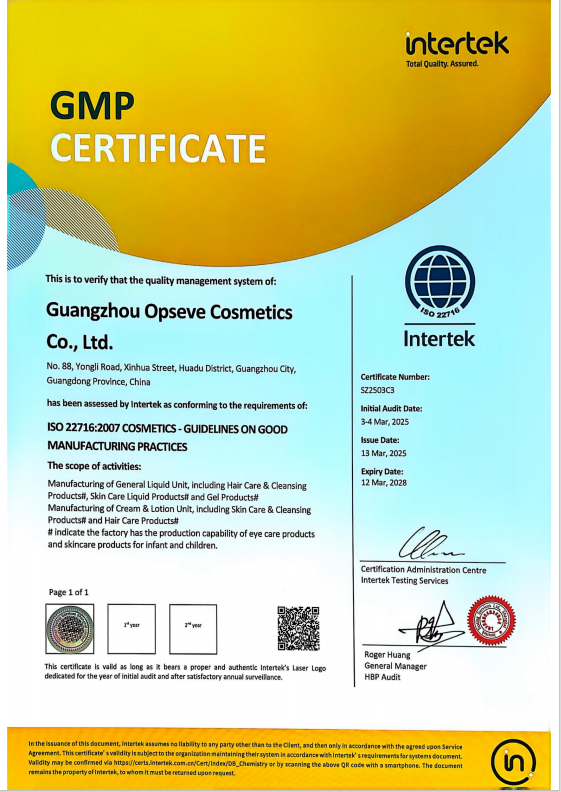
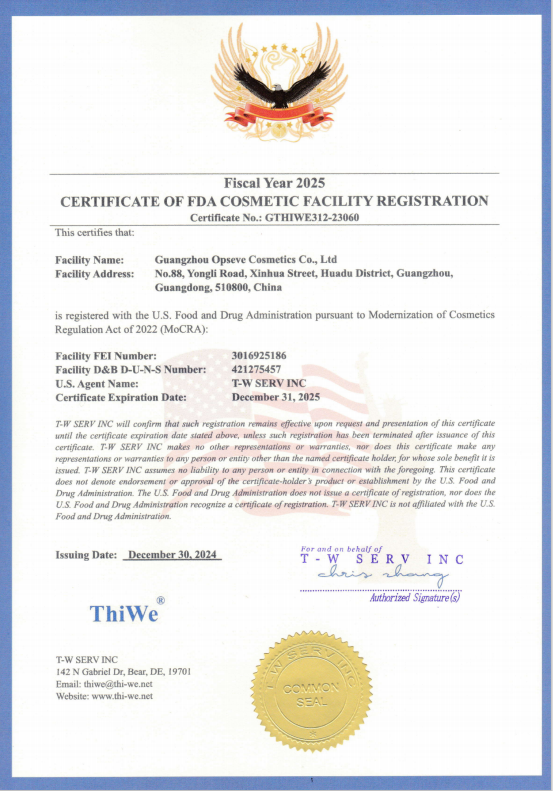
Confirm the label holder, approval owner and the responsibilities assigned by the parties for the proposed product. In the United States, the responsible person is the manufacturer, packer or distributor whose name appears on the label. Supplier qualification may include review of the legal factory entity, relevant production line categories, and the exact ISO 22716, GMP or other certification records requested for the proposed route. Bring the document request into the discussion so its availability and scope can be confirmed before commercial commitment.
Formula and packaging discussion
Use the format, texture, formula reference and packaging direction to define the next project questions. Sample feedback and packaging confirmation are recorded separately before commercial production planning.
Market and release decisions
Cosmetics are generally not subject to FDA premarket approval, while intended claims can affect classification. NEXO’s production discussion does not replace the target-market review, safety substantiation, testing, release, delivery or other responsibilities that the parties need to confirm for a proposed product.
×
![Zoomed Cleanser Manufacturing Image]()
Inputs for a Facial Cleanser Project Discussion
A clear first conversation can focus on what is known and identify what still needs a decision, giving procurement and development teams a shared record before questions become later-stage surprises. It does not need to presume a formula, an approval outcome or a commercial term that has not been confirmed.
Format direction and the intended cleansing use.
Target market and intended claims for upstream classification review.
Formula reference or adaptation direction, plus texture and sensorial preferences.
Packaging direction, artwork status and dispensing assumptions.
Target quantity, launch context, approval owner and the questions that need resolution.
For Brand Teams
Bring the audience, product position and format language that make the concept distinct. If the claim direction is still open, name that uncertainty rather than drafting market-facing promises around it.
A conversation can then separate brand intent from the review needed for the target market.
For Product Teams
Bring texture references, concept ingredients and questions about the cleansing route. Product teams use this information to describe the direction clearly enough for a formula conversation without presenting an unfinished concept as tested performance.
Packaging and dispensing should be part of this input, not an afterthought.
For Sourcing Teams
Bring target quantity, artwork status, timing context and the internal approval owner. These inputs help structure a quotation discussion while preserving the distinction between sample preparation, production planning and downstream decisions.
For a more detailed buyer checklist, read our facial cleanser manufacturing guide.
Facial Cleanser Manufacturing Assessment Tools
Cleanser Format Selector
Use this short selector to prepare a format discussion. It identifies a briefing direction, not a formula recommendation, final packaging decision, or availability statement.
RFQ Readiness Score
This 0–100 score is an internal brief-completeness score. It is not a quote, probability, approval, supplier decision, formula confirmation, or market-readiness measure.
Development Route Comparison
Compare the project information needed for three discussion routes. These are briefing routes only; they do not indicate fixed formula availability, price, approval status, or a guaranteed production result.
FAQ: Facial Cleanser Manufacturing Questions
Begin with the intended cleansing use, target market, texture direction and packaging starting point. Gel, micellar water, mousse, balm, oil, powder, jelly and capsule formats are briefing routes, not finished-product promises.
It can start with a formula reference direction and the changes the team wants to discuss. Formula adaptation remains subject to project review; this page does not state that a particular formula is universally available.
Bring format, target market, intended claims direction, texture, packaging, artwork status, quantity, timing and approval-owner inputs. That makes it easier to separate open questions from confirmed decisions.
Standard MOQ starts from 10,000 units for most skincare products. The applicable route still needs project-specific confirmation.
3–7 business days for formula matching or customized sample preparation. This timing does not include a general delivery, testing, release or regulatory-clearance promise.
Within 15 days after formula approval and packaging confirmation. It covers physical/commercial production scheduling only, not release, testing completion, regulatory clearance, delivery or market readiness.