Get in touch with NEXO Beauty Labs Company
Contact Form 使用中
OPTIONAL DETAILS Company Information
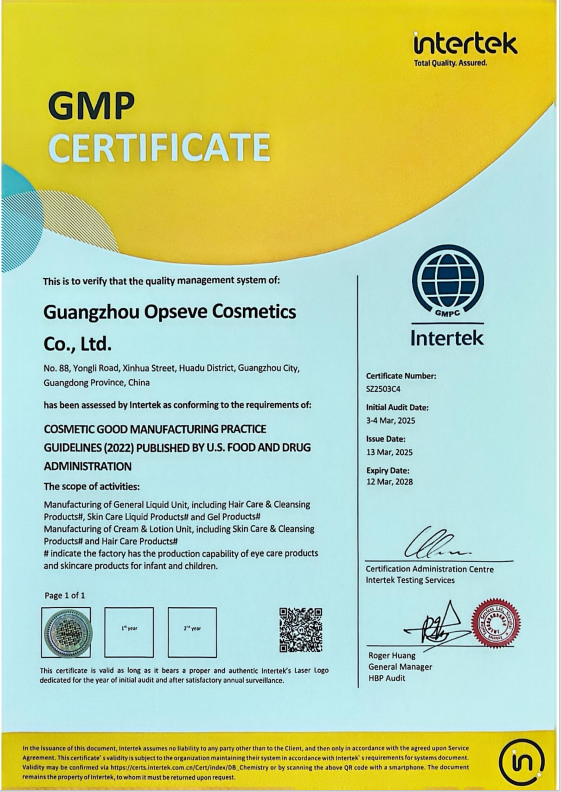
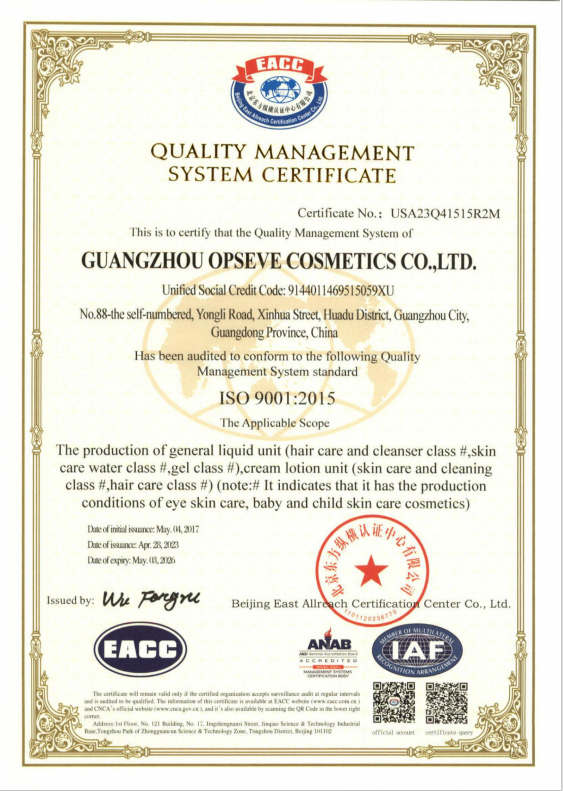
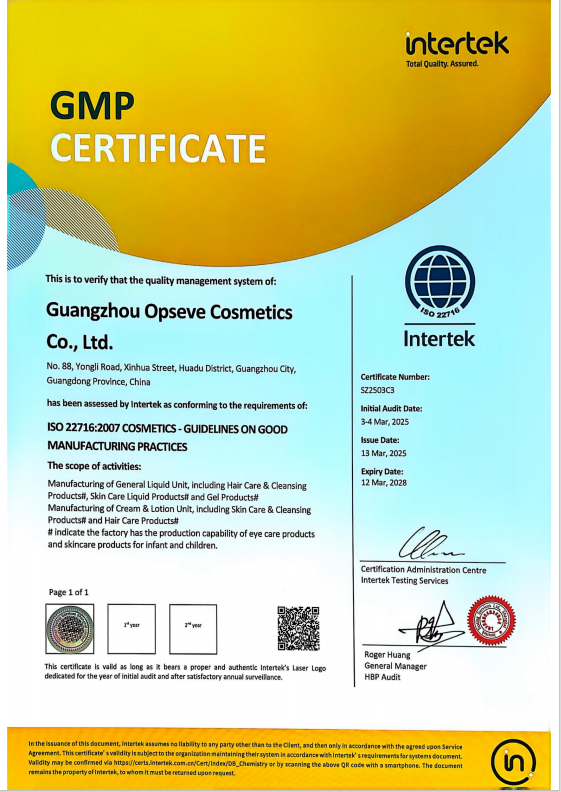
GMPC & ISO CERTIFIED

Barrier Repair Cream Manufacturing

Barrier Repair Cream Manufacturing for Private Label Brands

Barrier repair cream manufacturing is a B2B product-development process that connects formula route, audience, texture, packaging, testing, market responsibilities and scalable production. Choose a mature formula, bring a cream to match, or build a custom barrier repair moisturizer with NEXO Beauty Labs around your product brief and target market.

  • Private label barrier repair cream
  • Custom barrier repair moisturizer
  • Formula–packaging alignment
  • Global market planning
Request a Formula Proposal

For beauty brands, e-commerce companies, distributors and private label partners. Final formula, claims, evaluations, packaging, commercial terms and schedule are confirmed for the individual project.
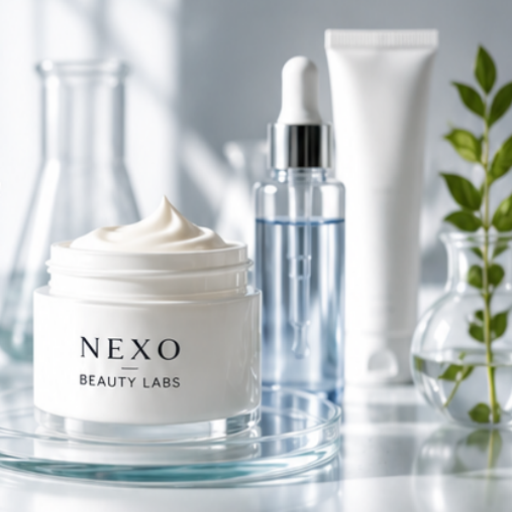
Barrier Repair Cream Manufacturing Process
100K+

Daily Manufacturing
Capacity

50+

Mature Barrier
Repair Formulas

100%

Formula-Packaging
Alignment

ISO

22716 & GMPC
Facility Standard

Barrier Repair Cream Manufacturing at a Glance

You should not have to search through vague capability claims before deciding whether to contact a manufacturer. The risk is choosing the wrong route from a single headline number. These are the planning facts NEXO has supplied for the first discussion, with timing stated as separate milestones.
Barrier Repair Cream Manufacturing at a Glance
Decision fact NEXO planning position How to use it
Manufacturing foundation Since 1999 Verified company-history context, not evidence of a specific product result.
Manufacturing experience More than 25 years Use alongside a project-specific brief, scope and quality plan.
3International business team Dedicated since 2020 Relevant to cross-border communication and global buyer support.
Development routes 3 routes: mature formula, formula matching or custom formulation Select the route before comparing scope, timing or quotation.
Prototype development Around 3 days Confirm brief readiness and what the prototype includes.
International sample delivery Approximately 5–7 days Keep transport separate from prototype development.
Commercial production Within 15 days after formula approval and packaging qualification Plan approval and packaging qualification as prerequisites.
Minimum order quantity From 10,000 units Confirm formula, fill, component and decoration assumptions for your SKU.

The most useful first decision

Do not begin with “What is your best private label barrier repair cream?” Begin with “Which development route matches our actual product brief?” That answer changes what the sample represents, which decisions remain open and what NEXO must review before commercial production.

Some teams arrive by comparing face cream manufacturers; others search for a skin barrier cream manufacturer or OEM barrier repair cream ingredients. Those phrases describe different needs: supplier screening, a focused formula brief, or an explanation of the finished functional system.

A barrier repair cream manufacturer should separate prototype work, international delivery and conditional production rather than compressing them into one headline lead time.

NEXO Barrier Cream Manufacturing Capabilities

NEXO Beauty Labs is a global cosmetic OEM and ODM partner specializing in skincare, hair care and body care development. Our manufacturing foundation dates to 1999. Since 2020, our international business team has supported global beauty brands, e-commerce companies, distributors and private label partners across different markets.

Product definition

NEXO Beauty Labs helps translate the audience, desired skin feel, price position, pack and claim direction into a working development brief. This is where a trend idea becomes a product decision.

Formulation route

NEXO Beauty Labs supports mature formula selection, formula matching and custom formulation. We review what can be selected, compared or developed rather than treating every inquiry as the same service.

Scale-up path

NEXO Beauty Labs connects professional R&D capabilities with production management, quality control and scalable manufacturing. The agreed formula and qualified packaging define the version intended for commercial production.

Build the Formula Around a System, Not an Ingredient List

A ceramide on the label does not tell a buyer how the finished moisturizer is structured, how it feels, whether the pack is suitable or what a brand may claim. Published research supports examining the complete lipid and vehicle system rather than assuming ingredient presence proves finished-product performance. NEXO uses the following directions as starting points for development discussion, not as pre-approved efficacy claims.

Biomimetic Lipid Direction

Ceramides, Cholesterol And Free Fatty Acids

We can explore a biomimetic lipid direction using a ceramide complex, cholesterol, free fatty acids and squalane. A useful brief also defines emulsion structure, richness, absorption, after-feel, climate and routine position. A ratio copied from another product is not always the correct answer for yours.

For a dedicated ceramide-led project, see our ceramide cream manufacturing page.

Sensitive-Skin Direction

Comfort-Led Formula Planning

We can review panthenol, ectoin, Centella and beta-glucan within a sensitive-skin concept. Final product planning still needs a precise fragrance direction, use context, claim boundary and formula-specific evaluation. “Gentle” or “for sensitive skin” should not be assumed from a familiar ingredient alone.

Microbiome-Inspired Direction

Ferments, Prebiotics And Postbiotics

We can explore Bifida ferment lysate, prebiotics, postbiotics and ectoin in a microbiome-inspired brief. That wording requires care: final story and claim language must reflect the actual formula, target market and evidence rather than borrowing a clinical meaning.

Ingredient Preferences And Audience Language

  • For a dry skin audience, define whether dryness, climate, routine position or a broader skin type is driving the brief. A product intended for several skin types needs different sensory criteria from a rich face cream aimed at one narrow use case.
  • Humectant options to discuss can include glycerin or hyaluronic acid.
  • Emollient directions can consider squalane, plant oils, shea or shea butter where appropriate.
  • Comfort-led concepts can review panthenol, allantoin, ectoin, Centella, beta-glucan or colloidal oatmeal.
  • Words such as nourish, soothe and replenish belong in the claim-direction discussion; they are not automatic outcomes.
  • Customization also covers exclusions, fragrance or fragrance-free preferences, color, cream texture and after-feel.

Formula–Pack Compatibility Checkpoint:

Humectants help manage water, emollients shape slip and flexibility, and more occlusive materials influence the protective feel. Those roles interact with sensory preferences and the delivery pack. A hot, humid e-commerce market may reject a finish that a dry-climate consumer finds comforting.

A common assumption is that more recognizable ingredients automatically create the better product. Unlike ingredient-list sourcing, a finished-system review asks how structure, ratios, sensory behavior, packaging and intended use work together. The mistake is treating the INCI story as a substitute for a defined custom barrier repair moisturizer.

“Ceramides” can feel like marketing dust if the supplier cannot explain the finished system. The wrong choice is to use a familiar ingredient name as the entire specification; it does nothing for texture, pack fit, responsibility or claim evidence.

Compare Mature Formula, Formula Matching and Custom Formulation

The Barrier Repair Formula Route Matrix changes a broad manufacturing inquiry into named decisions. Route choice affects the sample, open variables, approval criteria and project scope; use the matrix before asking NEXO to confirm availability and feasibility.

Compare Mature Formula, Formula Matching and Custom Formulation
Decision area Mature formula selection Formula matching Custom formulation
Best starting point You want to review an established direction against your positioning. You have a physical reference and named characteristics to compare. You have a differentiated concept with technical and sensory criteria.
Primary evidence Selected formula information and representative sample. Reference product plus a written list of what “match” means. Development brief, constraints and approval criteria.
Formula decisions Confirm what is fixed and what may be adjusted. Separate comparable characteristics from assumed identity. Develop ingredient system, structure and sensory target together.
Texture Evaluate whether the base direction fits the market. Define spread, absorption, cushion and after-feel targets. Create measurable sensory and physical acceptance points.
Packaging Screen the formula with the intended pack. Decide whether the reference pack is part of the comparison. Develop formula and delivery system as one product.
Claims Review desired wording against the selected formula. Do not assume the reference product’s claims transfer.1 Define intended claim territory early enough to plan evidence.
Sample approval Approve fit and any permitted changes. Approve against the written comparison criteria. Approve against the development brief and agreed version.
Change control Record any change from the reviewed base. Record which difference is accepted or needs revision. Track formula, pack and claim changes across iterations.
Commercial review Confirm SKU, pack, MOQ and quote assumptions. Add reference procurement, revision and pack assumptions. Add development, evaluation and approval scope.
Main risk Assuming “mature” means automatically suitable for the brand. Using “same” without defining the comparison. Letting open decisions create repeated, undocumented rework.

Define Claims and Market Responsibilities Before Approval

The risk is an unassigned duty because manufacturing a cosmetic and placing it on a market are connected but separate responsibilities. For the United States, claim wording and intended use can affect whether a product is regulated only as a cosmetic or also as a drug.1 Facility registration and responsible-person product listing are different MoCRA obligations, and an FDA listing is not product approval or certification.

Barrier Cream Market Responsibility Map

The reason for mapping roles early is that formula, label and evidence decisions cross company boundaries. For the European Union, identify the EU Responsible Person, product safety report, Product Information File, CPNP notification, label particulars and claims evidence before market placement. NEXO Beauty Labs provides development and manufacturing inputs, while the brand, responsible person, importer, distributor or external adviser owns the other tasks agreed in writing.

Questions for the brand team

  • What exact cosmetic wording will appear on the pack and product page?
  • Who is the label-side responsible entity in each market?
  • Which free-from, sensitive-skin or microbiome statements are planned?
  • What evidence does the channel or retailer expect?

Questions for the development team

  • Which formula version represents the intended commercial product?
  • What safety, stability, microbiological and compatibility work is in scope?
  • Which formula or packaging change triggers re-evaluation?
  • Who approves the final formula, pack, artwork and claim set?

Quality Planning Starts Before Commercial Production

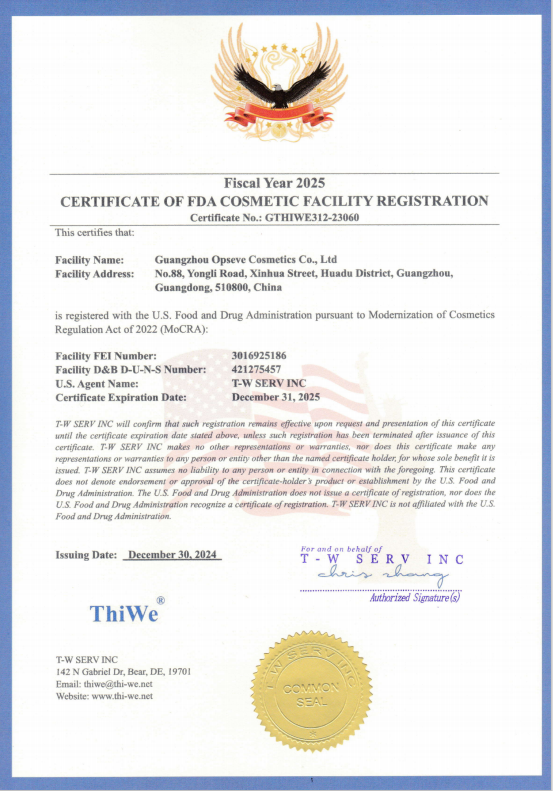
ISO 22716 covers production, control, storage and shipment guidelines for cosmetics. That scope is useful, but a standard name does not replace a product-specific specification, supplier evidence or release decision. The client materials supplied for this page do not prove a NEXO certification, so none is claimed here.

Representative product

We identify which approved formula and pack configuration represents the commercial product. If an ingredient, component, closure or decoration changes, the team should decide whether another review is required.

Acceptance criteria

We help turn “good texture” or “stable cream” into agreed characteristics, specifications and evaluation scope. The relevant methods and limits depend on the product and market rather than a universal checklist.

Microbiological risk

Raw materials, water, processing, preservation, packaging, transport and consumer use can all affect microbiological safety. Pack format and use behavior therefore belong in the quality conversation.

Formula and container are separate checks

Product stability and container compatibility are not interchangeable questions. A formula can look stable in a lab container and still require evaluation in the intended commercial pack. Likewise, a suitable component cannot prove the formula meets its full safety, quality or shelf-life plan.

Packaging is not necessarily a late-stage decoration decision. Its dispensing, exposure and material-contact conditions belong in formula and quality planning.

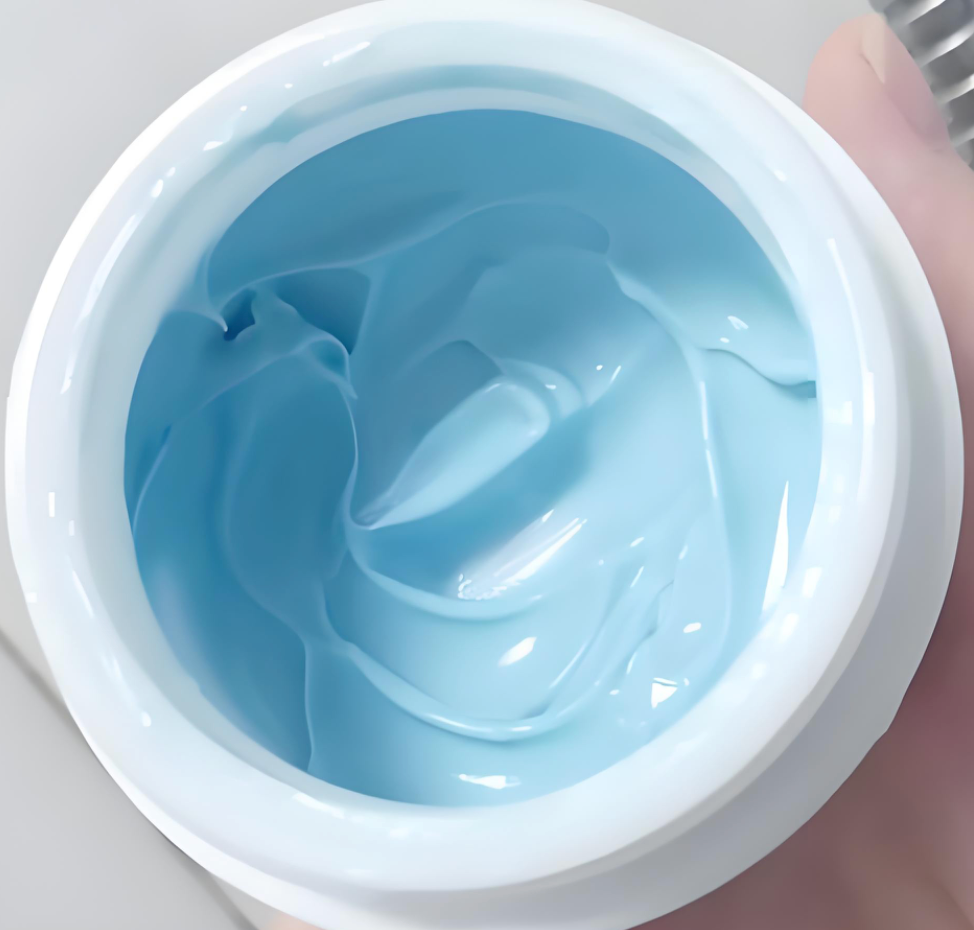
× Enlarged Barrier Repair Cream

Plan MOQ, Samples and Production as Separate Milestones

MOQ is a scoped number

NEXO states a minimum order quantity from 10,000 units. “From” matters because formula batch, fill size, components, decoration, cartons and SKU count can create different constraints. A comparable quotation also needs the destination, delivery term and launch window.

Prototype and delivery stay separate

NEXO states prototype development around 3 days and international sample delivery approximately 5–7 days. Sample revisions, texture changes and packaging changes can create delay, so confirm the sample contents, destination, courier conditions and approval cycle.

Production has prerequisites

NEXO states commercial production within 15 days after formula approval and packaging qualification. This is not an unconditional concept-to-delivery promise. Artwork, component readiness, quality decisions, order confirmation and shipping remain separate dependencies.

Inputs behind the quote

  • Development route and formula direction
  • Fill size, SKU count and planning quantity
  • Primary pack, closure, decoration and carton
  • Testing, documents and target-market scope
  • Destination and requested commercial terms

Inputs behind the schedule

  • Brief readiness and sample version
  • Revision count and approval owner
  • Formula approval date
  • Packaging qualification and component readiness
  • Artwork, quality release and logistics

Bronze ROI card: control the cost drivers

No client-specific price, margin or savings data was supplied, so we do not calculate a return. Instead, reduce avoidable rework by choosing the route early, freezing the representative formula and pack, naming decision owners and recording which change triggers another review.

How We Move From Concept to Commercial Production

Our role is to make the development path visible because late, undocumented changes create delay and rework risk. Each step has an output and a decision owner; that is more useful than treating OEM or ODM as a black box.

Phase 01

Frame the business brief.

Share the brand position, target market, channel, user, price logic, planned claims and launch window.

Phase 02

Select the development route.

We review a mature formula, formula-matching or custom formulation path against the amount of control the project needs.

Phase 03

Define the product system.

We align the functional ingredient direction, texture, fragrance or fragrance-free preference, packaging and intended use.

Phase 04

Develop or select the prototype.

NEXO states prototype development around 3 days; the exact starting inputs and sample scope are confirmed for the project.

Phase 05

Review and approve.

Your decision owners compare the sample with written criteria. Formula, packaging and claim changes are recorded rather than handled as informal assumptions.

Phase 06

Qualify the commercial direction.

We agree the applicable stability, packaging compatibility, quality control and documentation scope for the formula and market.

Phase 07

Confirm production inputs.

Formula approval, packaging qualification, artwork, order quantity, commercial terms and schedule are closed before production.

Phase 08

Manufacture and release.

We connect production management and quality control with the approved commercial configuration and agreed release requirements.

Our manufacturing experience is relevant, but it does not eliminate the buyer’s need to inspect project-specific evidence. Ask which formula version, pack, specification, evaluation scope and commercial assumptions the proposal covers.

Verified Page Evidence and Project-Level Proof Boundaries

The supplied company and product materials support NEXO’s development routes, service scope, formulation directions, planning milestones and company history. For supplier qualification, ask for the identity, quality, formula, packaging and commercial evidence that applies to your selected project and destination market.

Verified For This Page

  • Manufacturing foundation since 1999
  • More than 25 years of cosmetic manufacturing expertise
  • International business team dedicated since 2020
  • Custom, matching and mature-formula routes
  • Qualified prototype, sample, production and MOQ planning facts

Confirm For Your Project

  • Formula ownership and exclusivity terms
  • Applicable certificates and facility evidence
  • Formula-specific testing and claims evidence
  • Packaging supply, compatibility and artwork scope
  • Price, payment, Incoterms, release and delivery

When a Barrier Repair Cream Is Not the Right Format

A cream is a strong direction when the project needs a moisturizer format with a defined balance of hydration, emollience and protective feel. It is not automatically the best vehicle for every routine position or sensory target; a gel-cream, serum or balm may better fit a different use context.

Choose a gel-cream direction when

The audience prioritizes a lighter application, quicker break and lower perceived richness. The formula still needs barrier-support logic; “gel” is a sensory cue, not proof of performance.

Choose a serum direction when

The concept belongs in a lighter treatment step or a layered routine. Keep the serum’s commercial intent separate from this moisturizer manufacturing page.

Choose a balm direction when

The desired experience is more occlusive, concentrated or protective. Dispensing, climate, rub-in and after-feel require a different packaging and user-experience review.

FAQ: Private Label Barrier Repair Cream Manufacturing

Yes, NEXO supports custom formulation and can explore a biomimetic lipid direction using a ceramide complex, cholesterol, free fatty acids and squalane. The final composition, texture, packaging, evaluation scope and claim wording must be reviewed for the individual project. Ingredient presence alone is not a finished-product efficacy result.
Yes. NEXO supports mature formula selection as well as formula matching and custom formulation. The suitable path depends on how much control you need over the formula system, texture, benchmark, packaging and claim direction.

NEXO states an MOQ from 10,000 units. Confirm which formula, fill size, component, decoration, carton and SKU assumptions apply to your project because those inputs can affect the commercial minimum.

NEXO states prototype development around 3 days and international sample delivery approximately 5–7 days; those are separate milestones. NEXO states commercial production within 15 days after formula approval and packaging qualification. Confirm project inputs, revisions, component readiness and logistics before relying on a launch date.

NEXO supports formula matching. Bring the physical reference and define what you want compared: texture, spread, absorption, after-feel, appearance, ingredient direction or positioning. “Matching” should not be assumed to mean an identical formula, claim set or package.

Manufacturing support does not automatically assign every market obligation to NEXO. Identify the responsible person, importer, product-listing or notification owner, safety-file owner, label reviewer and claim-substantiation owner for each target market. Record the agreed responsibilities in writing.

There is no universal answer. Airless pumps, tubes, jars and pump bottles create different dispensing, exposure, viscosity and use questions. Screen the intended formula with the representative commercial pack and agree the compatibility and quality scope.

Send the target market, user, development route, texture, ingredient preferences, claim direction, pack, fill size, planning quantity, destination, launch window, reference product and decision owners. Flag any required certifications or documents for verification rather than assuming they are included.