Get in touch with NEXO Beauty Labs Company


Scalp Serum Manufacturing for Private-Label and OEM Brands
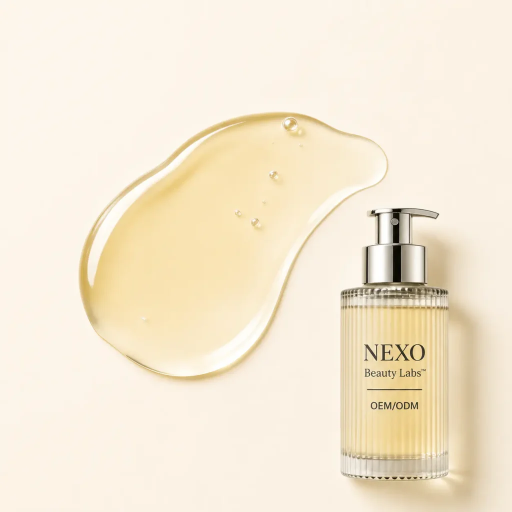
Scalp serum manufacturing at NEXO Beauty Labs covers formulation, filling and documentation for brands that sell under their own name, on a manufacturing foundation that dates back to 1999. You bring the positioning, the target market and the packaging direction; we bring the formulation work, the production line and the paperwork your distributor will ask for.
- Quotes returned within 2 business days
- From 1,000 units per SKU on an existing base
- Production in 25-90 days after approval
- Certificate of analysis and safety data sheet with every shipment
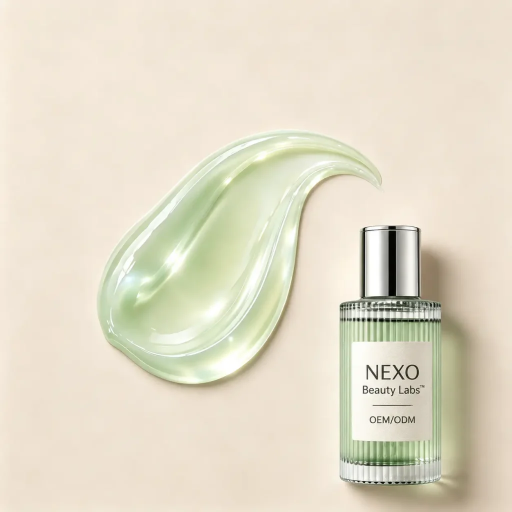
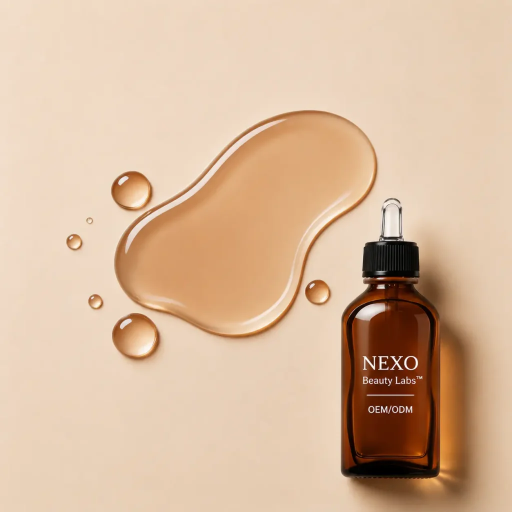
Your brief, formula direction and artwork are treated as confidential.
Specifications
Quote turnaround
Within 2 business days, reviewed by an engineer
Minimum order
1,000 units per SKU on an existing scalp-serum base; from 5,000 units per SKU for a newly developed formula
Sample lead time
5-20 business days, depending on whether the sample uses an existing base or a newly developed formula
First commercial run
3-6 weeks after formula and artwork approval
Full production
25-90 days after formula and artwork approval, depending on whether the run uses an existing base or a newly developed scalp-serum formula
Sample fees
Sample fees are quoted per project and credited against your first bulk order; international courier is billed at cost
Payment terms
50% deposit on order confirmation, 50% balance before shipment
Shipment documents
A certificate of analysis and safety data sheet with every shipment; full INCI listing, certificate of origin, and HS codes on request
Scalp and Hair Serum Manufacturing Capabilities
Unlike a rinse-off product, the scalp serum is a leave-on cosmetic applied to skin rather than to the hair shaft, which is why it is formulated, filled and dosed differently.
“They quoted me a face serum process for a scalp product.”
Face and scalp serums are not interchangeable briefs. A scalp product has to dose through hair, sit where it lands, and leave a residue the wearer will accept on a second day. Published leave-on scalp compositions set the viscosity band and the applicator opening area together for that reason2.
Formulation and reformulation
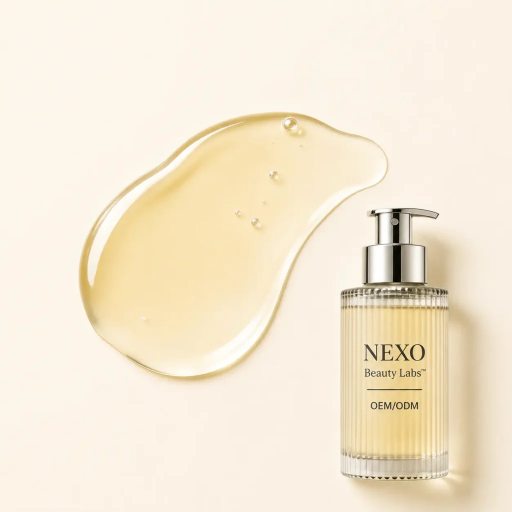
We work from an existing scalp-serum base or develop a new formula against your brief. Reformulation of a serum you already sell is treated the same way as new development, because the compatibility and stability work is identical.

Active systems and sourcing
We source the active, the solubiliser and the preservative system together, since an active that will not stay in solution is not yet a formula. Botanical extracts, peptides and vitamin actives are all handled on the same lines.
Compounding and filling
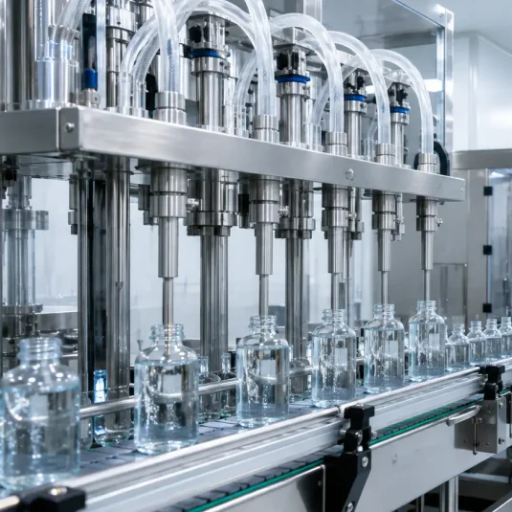
Batches are compounded, held for in-process checks, then filled into the applicator you have chosen. Dropper bottles, sprays, comb tips, roller balls, pumps and single-dose ampoules each need their own fill settings.
Packaging and decoration
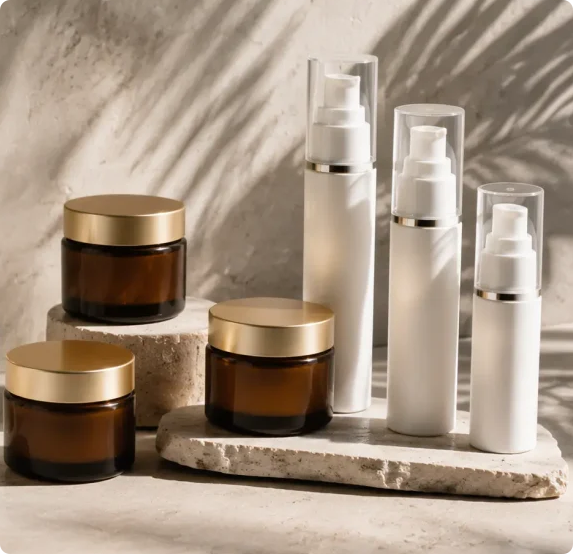
We take the bottle, closure, label and carton as one specification rather than four, because a decoration method can carry its own component minimum. Artwork is checked against the destination market before print.
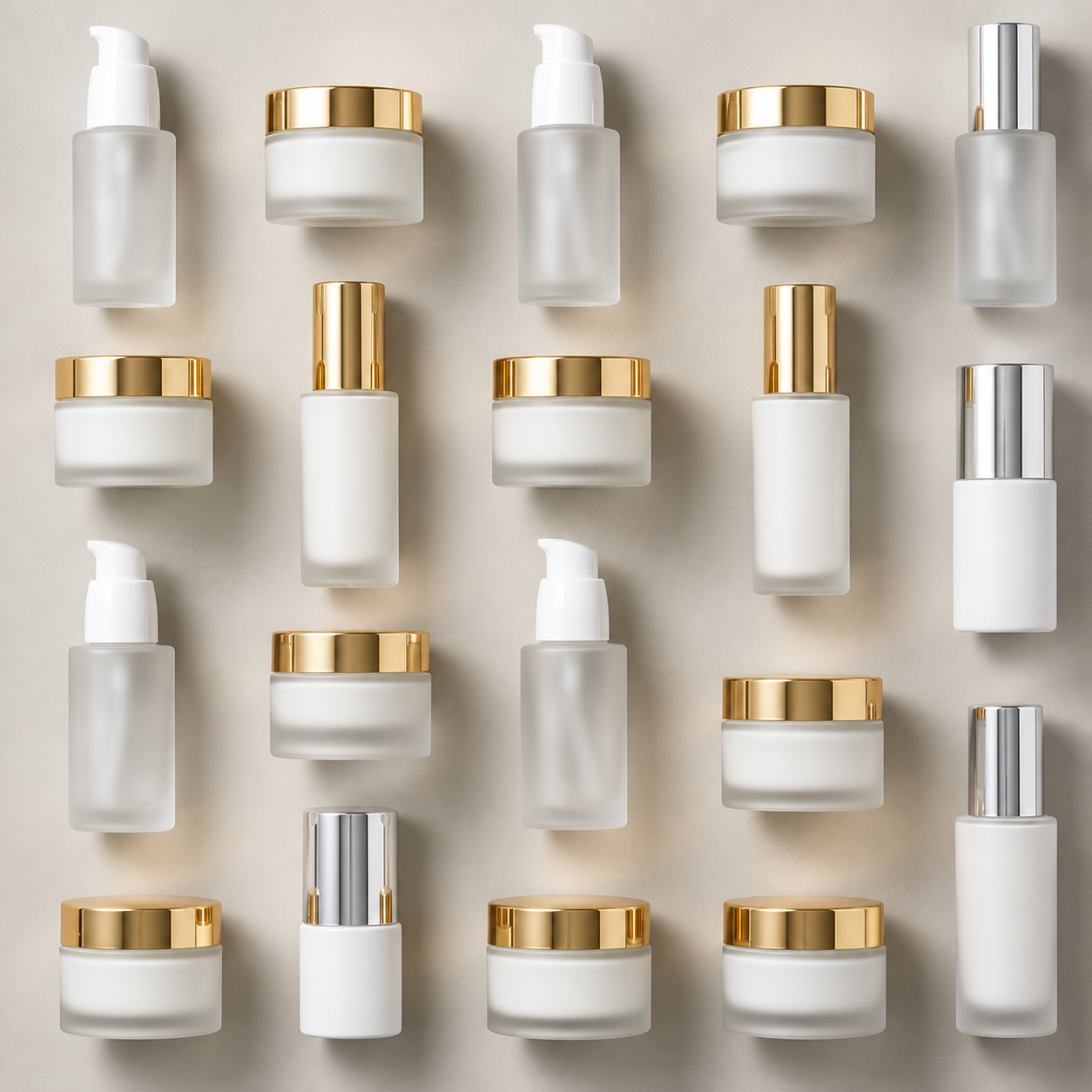
Adjacent haircare and skincare formats
The same programme covers other private label hair care products — conditioner, hair oil and leave-in hair treatments — alongside skincare and body care.
Formulation Bases and Active Systems
The base decides the texture, the residue and most of the cost; the active decides the claim you can make. These six routes cover the briefs we actually receive, and the seventh exists because most brands eventually want something that is not on a list.
| Base or active system | What characterises it | Textures it supports | Preservation | What it adds to the schedule |
|---|---|---|---|---|
| Aqueous hydro-serum | Water-continuous, fast-absorbing, lowest residue on the scalp | Thin liquid to light gel | Water phase, so a preservative system is required | Nothing, when an existing base fits the brief |
| Hydro-alcoholic tonic | Alcohol carries the active and speeds drying between the hairs | Thin liquid only | Alcohol contributes, so the system can be lighter | A packaging compatibility check, because alcohol attacks some plastics |
| Light emulsion | Carries oil-soluble actives without an oily feel | Milk to light cream | Water phase, so a preservative system is required | Emulsion stability testing across the shelf-life window |
| Anhydrous oil blend | Botanical oils with no water phase, so no preservative system is required | Oil to dry oil | No water phase, so no preservative system is needed | Fill and closure trials, since oils creep where water phases do not |
| Gel-serum | Polymer-thickened, sits where it lands rather than running to the face | Gel to thick gel | Water phase, so a preservative system is required | Rheology matching against the applicator opening |
| Encapsulated or suspended active | Keeps a solid or unstable active dispersed rather than dissolved | Gel or thickened liquid | Depends on the carrier the active arrives in | Suspension stability work, which is the gate on this route |
| Custom development | Built from your target profile when none of the six routes fits | Decided during development | Decided with the base | The upper end of the production window above |
How actives change the project, not just the label
Brands ask us for the actives their market is buying: biotin and peptides, caffeine, rosemary and other botanical extracts, and organic ingredients where the positioning calls for them. Each one arrives with a solubility, a pH window and a colour, and those three properties decide how much customization the base needs.
Starting from an existing base buys you the lower minimum and the shorter schedule. It is not a substitute for development when the brief needs an active the base was never built to carry, and forcing it there costs you the sample rounds it appeared to save.
- Solubility decides whether the active dissolves, needs a solubiliser, or has to be suspended — and suspension is what pushes a formula into the highest cost band above.
- pH window decides whether the active and the preservative system can share a formula at all. Measured mean scalp pH sits near 4.9 in two adult cohorts, which is where that window starts1. Where they cannot, one of them changes.
- Claim intent decides the evidence you owe. An active marketed to strengthen hair, nourish the scalp or support the follicle sits at a different rung of the substantiation ladder from one that is simply described as conditioning.
Textures, Applicators, and Fill Formats
An applicator is not packaging that gets chosen at the end. It fixes the viscosity band the formula has to hit, and it carries its own regulatory duty, so it belongs in the brief.
“I chose the dropper before I chose the viscosity.”
That is the order that causes trouble. A thickened gel-serum in a dropper is the wrong answer twice over, because the dropper will not draw it and the formula was tuned for a nozzle it never got.
Vehicle and Applicator Fit
| Applicator | Texture it suits | Published viscosity band | What it constrains |
|---|---|---|---|
| Dropper | Thin liquid, low-viscosity serum | 5 – 500 mPa.s, in particular 10 – 2503 | Dose accuracy depends on the user; a thickened formula will not draw |
| Fine-mist spray | Thin liquid, hydro-alcoholic tonic | 5 – 500 mPa.s, at the thin end of it3 | Pump geometry limits viscosity; particulates block the orifice |
| Comb or nozzle tip | Light gel to gel-serum | 1,500 – 20,000 cP through a 0.2 – 12 mm² opening2 | Opening area sets the flow rate and the practical viscosity ceiling |
| Roller ball | Thin liquid to light gel | None published; the ball seat sets it | Ball seat tolerates a narrow viscosity band only |
| Pump | Emulsion, gel-serum, oil blend | None published; the pump tooling sets it | Dose volume is fixed at tooling, not at filling |
| Single-dose ampoule | Any texture that pours | None published; anything that fills will dose | Highest unit cost; strongest positioning for a treatment course |
Why the closure is a compliance decision
In July 2025 the US Consumer Product Safety Commission publicly warned consumers to stop using a hair-growth serum sold on a marketplace, and issued a notice of violation to the seller. The product contained minoxidil and was not in child-resistant packaging as required under the poison prevention packaging rules; a second, near-identical warning followed for another brand.67
The exposure arrived through the dropper, not through the wording on the label. If your formula carries a drug active in your destination market, the closure specification moves from a design choice to a compliance requirement, and we specify it that way in the quotation.
Scalp Serum Specification Table
This is the set of numbers a scalp serum line gets pinned to when it is quoted, drawn from published dermatological and patent literature and from our own commercial terms. Each published range belongs to the composition its source describes rather than to every scalp serum, so treat them as the territory and not as your specification. Your finished specification is confirmed in writing with the quotation.
| Specification | Working value | Why it is set there |
|---|---|---|
| Target pH, leave-on scalp serum | 4.5 - 5.5 | Measured mean scalp pH sits at 4.93 ± 0.17 and 4.91 ± 0.16 across two cohorts in a 63-subject study, so a scalp-matched serum is formulated to that neighbourhood1 |
| pH window where actives stability governs | about 3.0 - 6.9 | Published leave-on scalp compositions run well above the measured scalp value when the active demands it2 |
| Viscosity, dropper and spray delivery | about 5 - 500 mPa·s, in particular 10 - 250 mPa·s | High enough to keep dispersed actives from sedimenting and to stop the product running onto the face, low enough to dose through hair3 |
| Viscosity, gel-serum with a nozzle applicator | about 1,500 - 20,000 cP (Brookfield) | A thickened scalp serum is specified with its applicator in the same document2 |
| Applicator opening area | about 0.2 - 12 mm² | Opening area and viscosity are set together, which is why the applicator cannot be chosen last2 |
| Actives loading, published worked example | 0.01 - 2.5% by weight | Claimed ranges for two actives in a granted scalp composition, shown as an order of magnitude rather than as a recommendation4 |
| Minimum order quantity | 1,000 units per SKU on an existing scalp-serum base; from 5,000 units per SKU for a newly developed formula | Per SKU and per fill size, because the base and the components carry separate minimums |
| Production lead time | 25-90 days after formula and artwork approval | The lower end applies to an existing base, the upper end to a newly developed scalp-serum formula |
If the applicator is not in the brief, we ask for it before we quote. Choosing it after the formula is approved is the change that costs you a sample round, and it is the one change a brand almost never budgets for.
NEXO Beauty Labs - standing rule on scalp serum briefs
Open the vehicle and applicator fit selector to see which texture bands each applicator will accept before you commit to a component.
Quotation Mechanics, Minimum Orders, and Lead Times
Price follows the base, the actives, the fill size, the applicator, the decoration method and the run size. Nothing on this page is a price list, because a serum quoted with a dropper and the same serum quoted with a pump are two different unit costs.
What we commit to
Quotes are returned within 2 business days on business days, reviewed by an engineer.
Minimum order is 1,000 units per SKU on an existing scalp-serum base; from 5,000 units per SKU for a newly developed formula.
Evaluation samples ship in 5-20 business days, depending on whether the sample uses an existing base or a newly developed formula.
First commercial runs ship 3-6 weeks after formula and artwork approval.
Full production runs are scheduled at 25-90 days after formula and artwork approval.
Sample fees are quoted per project and credited against your first bulk order; international courier is billed at cost.
Terms are 50% deposit on order confirmation, 50% balance before shipment.
Which minimum actually binds your project
Recurring complaint in public sourcing threads
"I budgeted 500 units and the bottle supplier came back with 2,000."
Four separate minimums sit under a private label programme, and the one that binds is usually not the formula. The trap is budgeting a launch against the formula minimum alone, then meeting the packaging one after the artwork is already approved.
| Minimum | What sets it | What makes it bind |
|---|---|---|
| Units per SKU | Our figure above, per fill size and per variant | A launch split across two fill sizes doubles it |
| Formula batch size | The base, which can be shared across variants - which is why a serum range is often cheaper to launch than a single serum | A single variant on a base nobody else is running |
| Packaging components | The bottle, dropper and closure suppliers; decoration printed onto the bottle carries a higher one than a label | A custom bottle, or decoration printed straight onto glass |
| Label print run | The printer, and it is the smallest of the four to fix | A multi-market launch needing several label versions |
Quality Workflow and Shipment Documentation
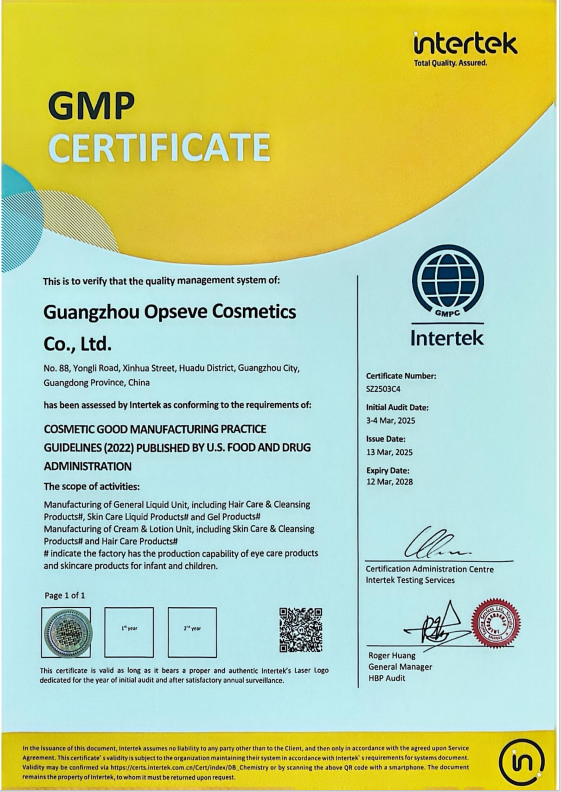
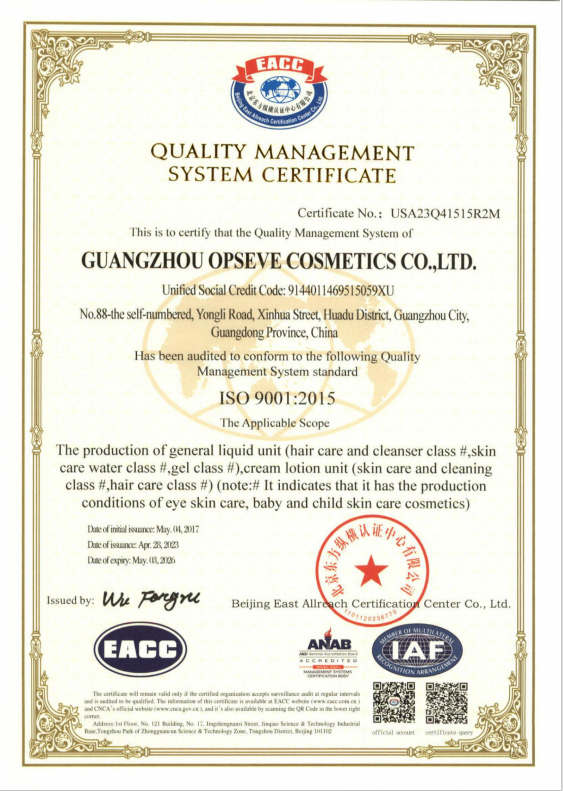
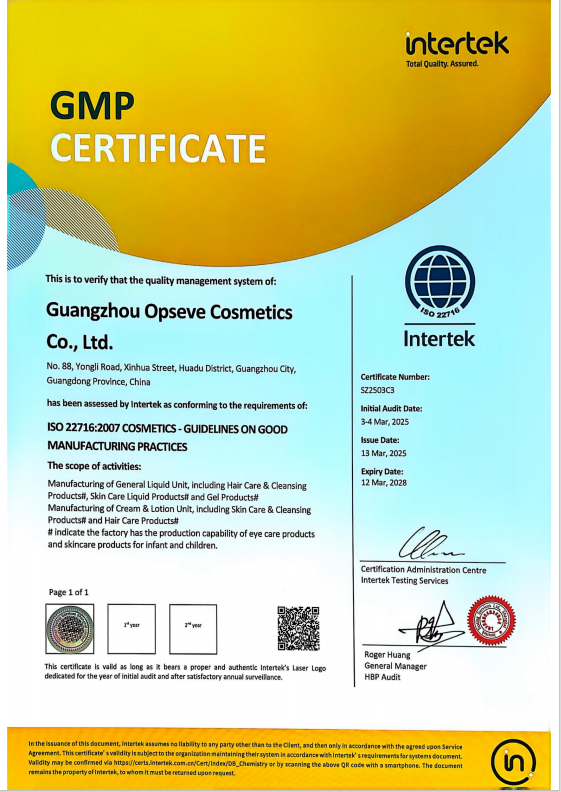
Quality on a private label programme is a paper trail as much as a process.
- Every raw material and packaging component is inspected against its specification on receipt, and the supplier paperwork is filed against the lot number it was sourced under.
- Compounding follows the approved formula, and the batch record captures quantities, sequence and equipment used.
- Appearance, pH and viscosity are checked before the batch is released to filling, and those readings go into the same batch record.
- Fill weight, closure torque and label placement are checked at the start of the run and at intervals through it.
- Release is decided against the batch's own results, and a retained sample is held so a later question can be answered from the material that actually shipped.
- A certificate of analysis and safety data sheet with every shipment.
- Full INCI listing, certificate of origin, and HS codes on request.
The certificate of analysis carries the batch it belongs to, with the results measured on that batch rather than a specification sheet reproduced from an earlier lot.
Recurring complaint in public sourcing threads
The COA they sent has no lot number on it.
That risk is worth checking on any supplier, NEXO Beauty Labs included, because a document can look like a certificate and carry none of the traceability that makes one useful. Five things are worth a second look.
- No lot number, which makes the certificate impossible to tie to the drums that shipped.
- Any date that predates your batch, which usually means a prior lot's paperwork was reissued.
- Results that sit exactly on the specification in every row, which is a pattern real measurement rarely produces.
- A not-detected result with no method or detection limit stated, which reports the instrument's blind spot rather than the material.
- Testing attributed to no laboratory, where you cannot tell whether an accredited lab was involved at all.
The Compliance Responsibility Split
Under the US cosmetic regulations the duties are split between manufacturing facilities and the responsible person, meaning whoever's name appears on the label. That split surprises brands more than any other part of the process.
| Obligation | Where it sits | What we do about it |
|---|---|---|
| Facility registration and its renewal | The manufacturing facility5 | Handled on the manufacturing side; you are not asked to file it |
| Cosmetic product listing and its annual update | The responsible person — the brand5 | We supply the formulation information the listing needs |
| Safety substantiation records | The responsible person, drawing on manufacturing records5 | We provide the batch records, specifications and stability data we hold |
| Serious adverse event reporting and the label contact address | The responsible person5 | We check that the contact block is present on artwork before print |
Recurring complaint in public sourcing threads
Nobody told me the product listing was mine to file.
Facility registration under these rules is filed with the FDA by the facility, while the product listing and its annual update sit with the brand. This table describes where each obligation sits, not what your particular market requires of you. Your regulatory adviser makes that call, and NEXO supplies the manufacturing-side records they ask for.
From Brief to First Production Run
-
01
Brief. You send the product type, target market, volume band and packaging direction. If a claim is central to the positioning, say so at this point rather than after the formula exists.
-
02
Quotation. We return a written quote within 2 business days, with the specification we have assumed set out line by line so you can correct it.
-
03
Sampling. Evaluation samples ship in 5-20 business days. If the first sample is wrong, tell us what it should feel like rather than what it should be — that is a faster route to the second sample.
-
04
Approval. You approve the formula and the artwork together, because artwork changes can reopen the packaging specification.
-
05
Production. The run is scheduled at 25-90 days after formula and artwork approval, and we tell you the date the batch enters the line, not only the date it leaves.
-
06
Shipment. Goods leave with the documents listed above. If a document is missing at your end, that is ours to fix and we fix it before the container moves.

Recurring complaint in public sourcing threads
“Two weeks for everything.”
Two weeks for everything is the quote that reads fastest and counts least, because it has not counted artwork proofs, compatibility checks or batch release. Every date above is measured from approval, not from the day you send the brief.
| Give us | Why it saves time or money |
|---|---|
| A reference product you like | A texture described by comparison converges faster than one described in adjectives |
| The applicator, early | It fixes the viscosity band, so a late change can invalidate an approved sample |
| The destination market | It decides the label content and sometimes the preservative system |
| Your target retail price | It rules out cost bands before we spend a sample round inside them |
| The claim you intend to make | It sets the evidence you will need, which can be the longest item in the schedule |
| Your volume band, honestly | Quoting 10,000 and ordering 1,000 changes the unit cost, not the goodwill |
What you may say about a scalp serum decides what you have to prove, and proof takes calendar time. Safety substantiation is a statutory duty for a cosmetic sold in the United States, and claim evidence sits on top of it5. We use four rungs to place a claim before development starts.
| Rung | Claim type | Evidence burden | Effect on the project |
|---|---|---|---|
| 1 | Appearance and sensory — how the scalp feels after use | None beyond ordinary product testing | Fastest route to market |
| 2 | Structural care — supporting a balanced scalp environment | Consumer testing | Adds a sample round |
| 3 | Quantified performance — a measured change stated as a figure | Instrumental or panel testing | Extends the schedule materially |
| 4 | Hair growth claims of the kind made for hair growth serums with a drug active | A drug regulatory pathway, not a cosmetic one | Outside what cosmetic contract manufacturing can carry |
Scalp Serum Manufacturing Planning Tools
Tool / Resource
Order-Size Planner
This planner runs on your numbers, not ours. Enter the set-up cost and the variable cost your own quotations show, and it prints the per-unit total across run sizes so you can see where the curve flattens for your programme.
Tool / Resource
Vehicle and Applicator Fit Selector
Pick the texture you have in mind and the selector shows which applicators accept it, which ones fight it, and what each choice fixes for the rest of the project. Viscosity bands are quoted only where a primary source publishes one.
Tool / Resource
Claim Placer: The Scalp Serum Substantiation Ladder
Write the sentence you want on the front of the bottle, choose the closest match below, and the placer tells you which rung it sits on, what evidence that rung asks for, and what it does to the schedule. Placing the claim before development starts is what stops the evidence work becoming a surprise at the end.
Frequently Asked Questions
1,000 units per SKU on an existing scalp-serum base, and from 5,000 units per SKU for a newly developed formula. The figure is per fill size as well as per variant, so two sizes of the same serum are two SKUs.
Either. An existing base is faster and reaches the lower minimum; custom development gives you a formula nobody else sells.
A certificate of analysis and safety data sheet with every shipment, plus full INCI listing, certificate of origin and HS codes on request. If you later add a market with different documentation needs, tell us before the run rather than after it, because some records have to be generated while the batch is being made.
3-6 weeks after formula and artwork approval for a first commercial run on an existing base, and 25-90 days after approval for full production.
Sample fees are quoted per project and credited against your first bulk order, and international courier is billed at cost.
50% deposit on order confirmation, 50% balance before shipment, by wire transfer.
We can support the cosmetic rungs of the substantiation ladder and supply the manufacturing records behind them. A hair growth claim resting on a drug active is a different regulatory route, and cosmetic contract manufacturing is not that route.
Droppers, fine-mist sprays, comb and nozzle tips, roller balls, pumps and single-dose ampoules, each with the texture bands set out above. Fill size is confirmed with your quotation, because it is fixed by the component you choose rather than decided separately.
Sometimes, and it is worth asking, because a shared base spreads the batch minimum across both products. The two typically diverge on texture and on residue tolerance, since a scalp serum has to dose through hair and must not run onto the face.