Get in touch with NEXO Beauty Labs Company


Ceramide Cream Manufacturing: Stoichiometric Formulation, Lamellar Solubilization & Industrial Scale-Up

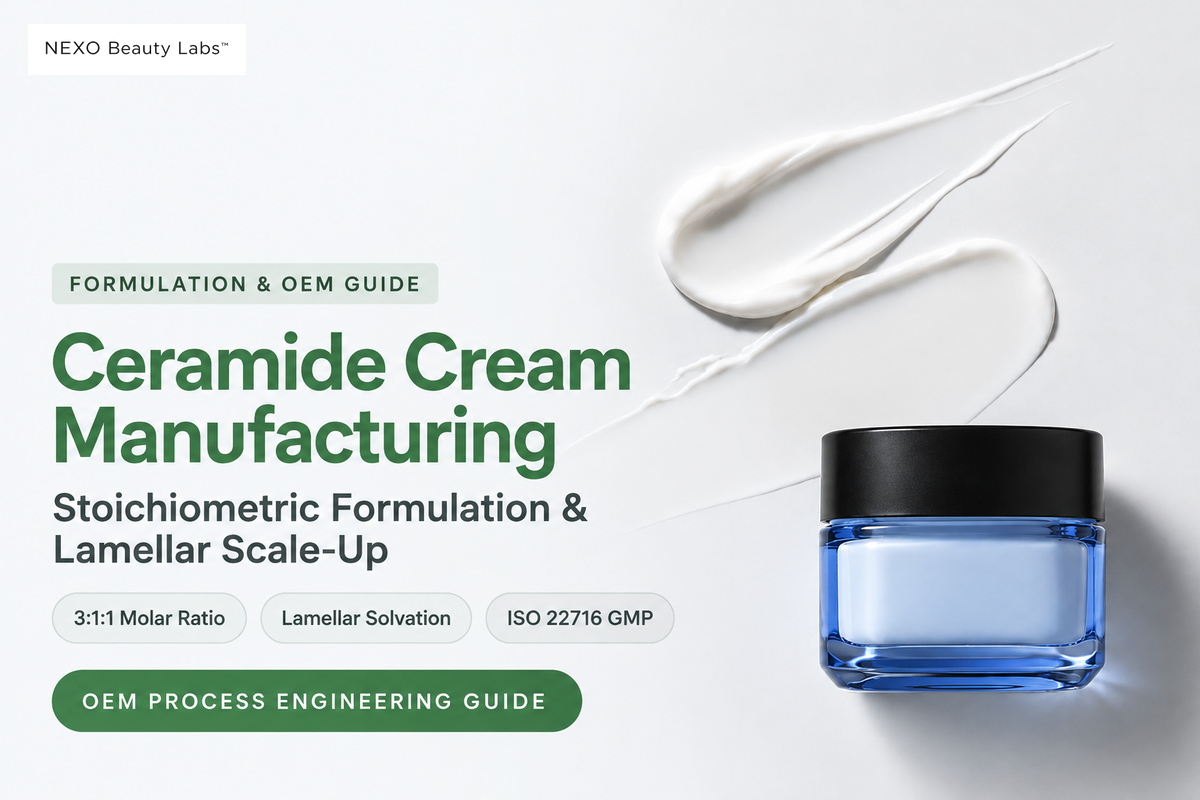
Formulation Science & OEM Process Engineering Guide
Written by Karry | Reviewed by the NEXO Beauty Labs technical team | Updated: November 2026
In commercial Ceramide Cream Manufacturing, the most expensive failure occurs between a 500 g glossy laboratory beaker and a 500 kg jacketed vacuum homogenizer. A moisturizing cream that looks smooth on day one frequently develops gritty Ceramide NP micro-crystals or water syneresis after four weeks at 45°C because oil-phase solvency and cooling kinetics drift during scale-up.
Preventing polymorphic recrystallization requires three non-negotiable engineering controls: converting the physiological 3:1:1 molar lipid ratio into exact mass weights, dissolving high-melting-point sphingolipids at 85°C to 90°C in high-polarity esters, and locking the emulsion into a Maltese-cross liquid-crystal network via controlled cooling through the 55°C to 45°C transition zone. If your brand is ready to move directly into commercial brief execution and turnkey production, explore our dedicated custom ceramide cream formulation and OEM manufacturing solutions.
1. Why Do Commercial Ceramide Emulsions Recrystallize During Scale-Up?
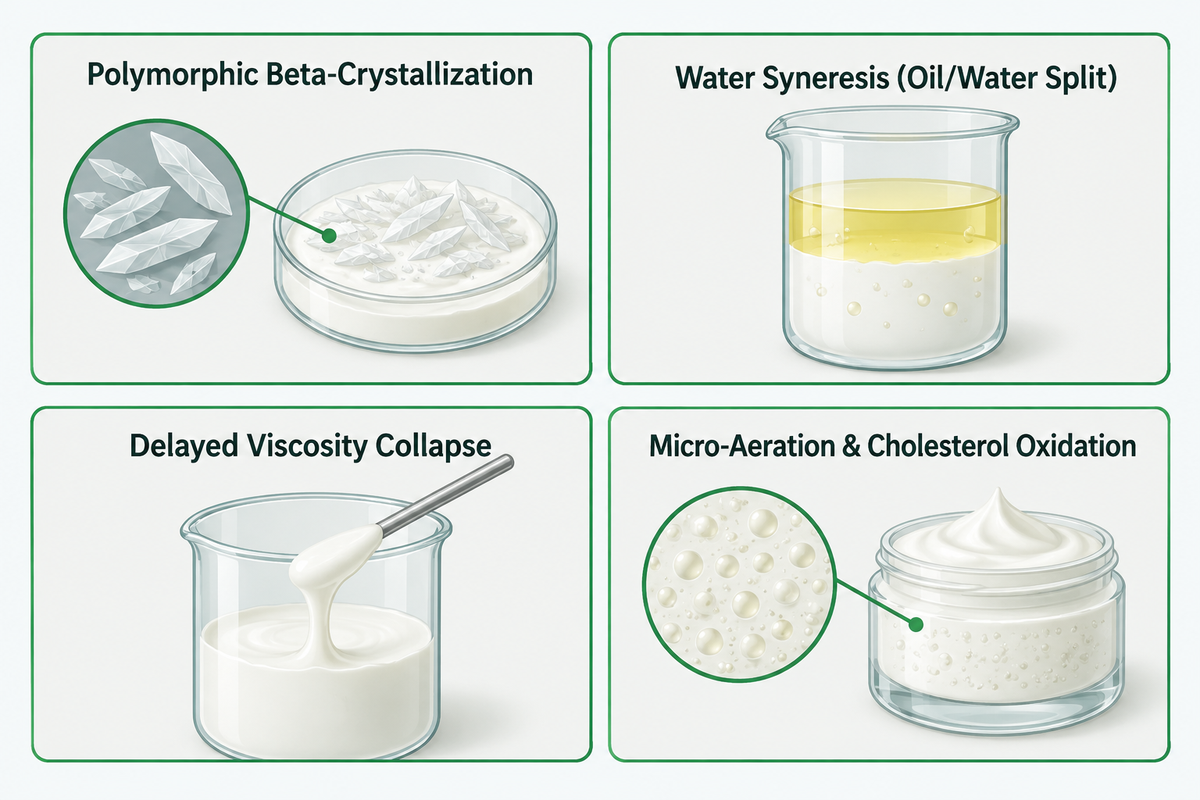
During scale-up, ceramide emulsions recrystallize due to high crystalline melting temperatures (90°C-105°C) of neat sphingolipids like Ceramide NP and strong intermolecular amide hydrogen bonds. During cool down to 80°C, or if the wall of the vessel cools at a rate greater than 1.5°C/min, micro-crystals may nucleate and grow into insoluble beta-crystals that ruin barrier function.
Market research by Fortune Business Insights estimates that the global ceramide market was valued at USD 417.15 million in 2025 and is expected to reach USD 445.99 million in 2026, growing at a Compound Annual Growth Rate (CAGR) of 6.91% during the period. The increased demand for clinical barrier repair performance by dermatology brands is expected to fuel market growth. However, formulation failure analyses and reports by practitioners in the r/DIYBeauty subreddit confirm that crystallization remains the most common formulation failure when using pure ceramide powder that has been added to the oil phase without sufficient co-solvent polarity.
Thermal gradients in a 500 g lab beaker heated on a hotplate are minimal. In a 500 kg or 1,000 kg industrial kettle, unheated transfer pipes or cold anchor-scraper blades can create localized thermal shock zones. If the cosmetic composition contains hydrocarbon oils, simple vegetable oils or low-polarity silicone fluids as the primary emollient, content of ceramides rapidly supersaturates and precipitates out of the emulsion, upon cooling to below 65°C, leaving dry skin and skin conditions like eczema untreated.
| Scale-Up Defect Mode | Detection Window | Physical & Microscopic Signature | Root Process Cause | Corrective Engineering Control |
|---|---|---|---|---|
| Polymorphic Beta-Crystallization | Day 7–21 at 25°C or 4°C | Gritty tactile sandiness; bright needle crystals at 400x polarized light | Oil phase <80°C or insufficient branched ester / octyldodecanol ratio | Solvate at 85°C–90°C for 15 min with ≥10:1 ester-to-ceramide ratio |
| Water Syneresis (Oil/Water Split) | Week 2–4 at 45°C / 75% RH | Bottom aqueous weeping; loss of Maltese-cross birefringence | Phase temperature mismatch (ΔT > 3°C) during rotor-stator feed | Match water phase (83°C–85°C) to oil phase (85°C–87°C), ΔT ≤ 2°C |
| Delayed Viscosity Collapse | 24–72 hours post-batch | 30%–45% Brookfield viscosity drop; runny lotion consistency | High-shear homogenization continued below 50°C alpha-gel transition | Stop rotor-stator at 60°C; switch to 35–45 rpm anchor sweep cooling |
| Micro-Aeration & Cholesterol Oxidation | Week 4–8 at 45°C | Spongy texture, yellow color shift, peroxide value >5.0 meq/kg | Weak vessel vacuum (>-0.04 MPa) and absence of oil-phase antioxidant | Hold -0.08 to -0.15 MPa vacuum; add 0.1%–0.2% tocopherol + chelator |
2. How Do Bio-Fermented Skin-Identical Ceramides Compare to Phytoceramides and Pseudoceramides?
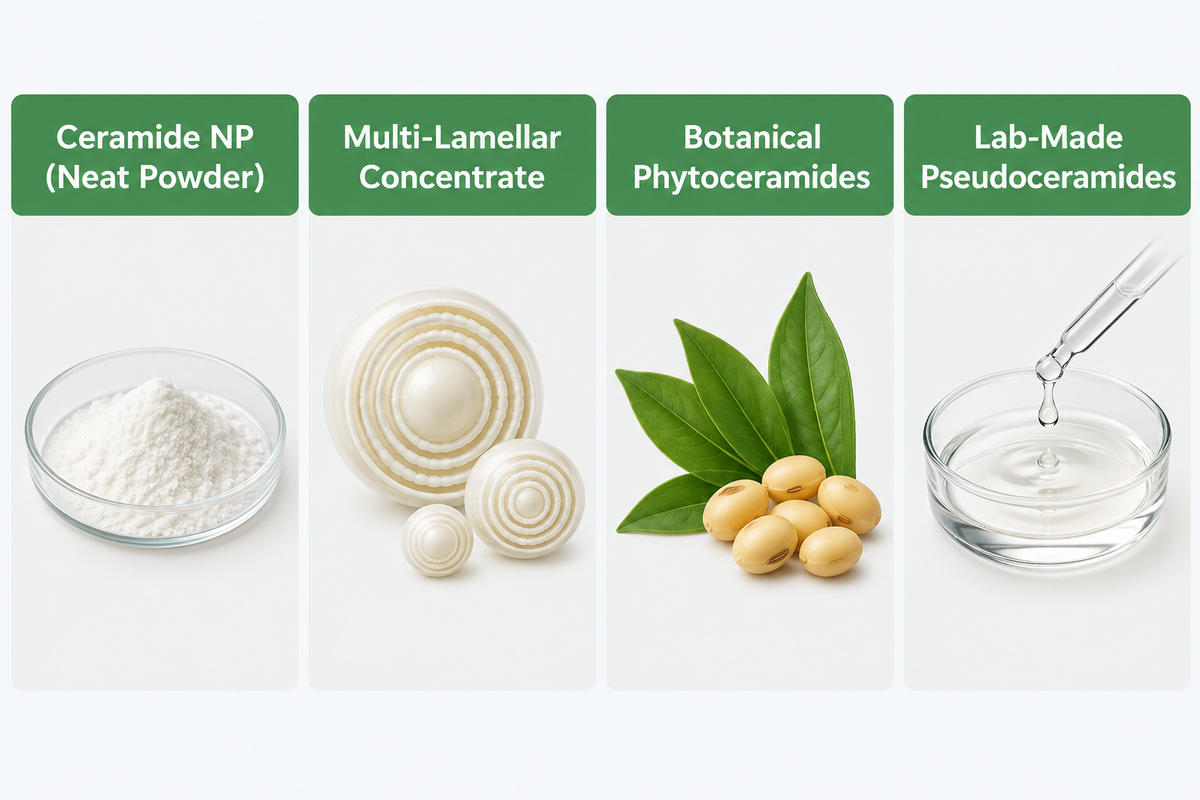
Bio-fermented skin-identical ceramides replicate the exact D-erythro (2S, 3R) or (2S, 3S, 4R) stereochemical configuration of natural lipids in the stratum corneum of human skin, supporting the skin’s natural lamellar architecture. By contrast, racemic synthetic ceramides (often called lab-made ceramides or pseudoceramides) and unrefined phytoceramides exhibit altered headgroup geometry that reduces moisture retention and lamellar packing density.
How are skin-identical ceramides produced for cosmetic creams and how do bio-fermented ceramides compare to phytoceramides and pseudoceramides?
Industrial ceramide production uses microbial fermentation of the yeast Wickerhamomyces ciferrii to produce optically pure tetraacetyl-phytosphingosine (TAPS). After deacetylation to phytosphingosine or sphingosine backbones, manufacturers acylate the amine group with specific non-hydroxy, alpha-hydroxy, or omega-esterified fatty acid chains containing 16 to 32 carbon atoms. This bio-fermentation route provides the main ceramides used in clinical dermatology, especially Ceramide NP (Ceramide 3), Ceramide AP (Ceramide 6 II), and Ceramide EOP (Ceramide 1) that satisfy the ceramides in your skin.
When choosing the right ceramide raw material among the active ingredients used in skincare products, formulators must consider negligibly soluble, high-melting crystalline powders versus pre-solubilized, multi-lamellar concentrates such as SK-INFLUX Evolve MB. The comparative specification matrix used by R&D chemists for cosmetic formulation and raw material sourcing is shown below:
| Material Grade / INCI | Molecular Weight (g/mol) | Melting Point (°C) | Active Assay (%) | Recommended Dosage (% w/w) | Primary Barrier Function |
|---|---|---|---|---|---|
| Ceramide NP (Neat Powder) | 565.95 g/mol | 90°C–105°C | ≥95.0% HPLC | 0.20%–1.00% | Core orthorhombic bilayer packing & TEWL reduction |
| Ceramide EOP / Ceramide 1 | ~680.10 g/mol | 82°C–94°C | ≥90.0% HPLC | 0.01%–0.10% | Long-periodicity phase (LPP) inter-bilayer riveting |
| Ceramide AP (Alpha-Hydroxy) | 581.95 g/mol | 92°C–104°C | ≥95.0% HPLC | 0.05%–0.30% | Hydrogen-bonding water retention & gentle desquamation |
| Ceramide NS / NG | 549.95 g/mol | 88°C–98°C | ≥95.0% HPLC | 0.10%–0.50% | Sphingosine-base barrier cohesion in dry skin |
| Phytosphingosine | 317.51 g/mol | 100°C–106°C | ≥96.0% Titration | 0.05%–0.20% | Endogenous ceramide synthesis precursor & antimicrobial defense |
| Multi-Lamellar Concentrate (e.g. SK-INFLUX Evolve MB) | Mixed Dispersion | Liquid/Paste (25°C) | ~1.5%–3.0% Total Lipids | 1.00%–5.00% | Rapid warm/cold incorporation for lotion or gel-cream formats |
| Botanical Phytoceramides (Wheat/Rice Oat) | 700–850 g/mol (Glucosyl) | 65°C–80°C | 10.0%–50.0% Assay | 0.50%–2.00% | Surface conditioning; glycosylated headgroup limits deep lamellar fit |
| Lab-Made Pseudoceramides (Cetyl-PG Hydroxyethyl Palmitamide) | ~541.89 g/mol | 72°C–82°C | ≥95.0% Purity | 0.50%–3.00% | Cost-effective bulk occlusive; lower stereochemical specificity |
| Cholesterol (USP/NF Grade) | 386.65 g/mol | 147°C–150°C | ≥95.0% GC | 0.10%–0.50% | Eutectic melting point depressant & bilayer fluidity regulator |
| Stearic / Palmitic Free Fatty Acid | 284.48 g/mol | 67°C–72°C | ≥98.0% GC | 0.10%–0.50% | Orthorhombic hydrocarbon chain packing & acid-mantle pH support |
3. How do you convert the 3:1:1 Molar Barrier Ratio into Exact Weight Percentages?
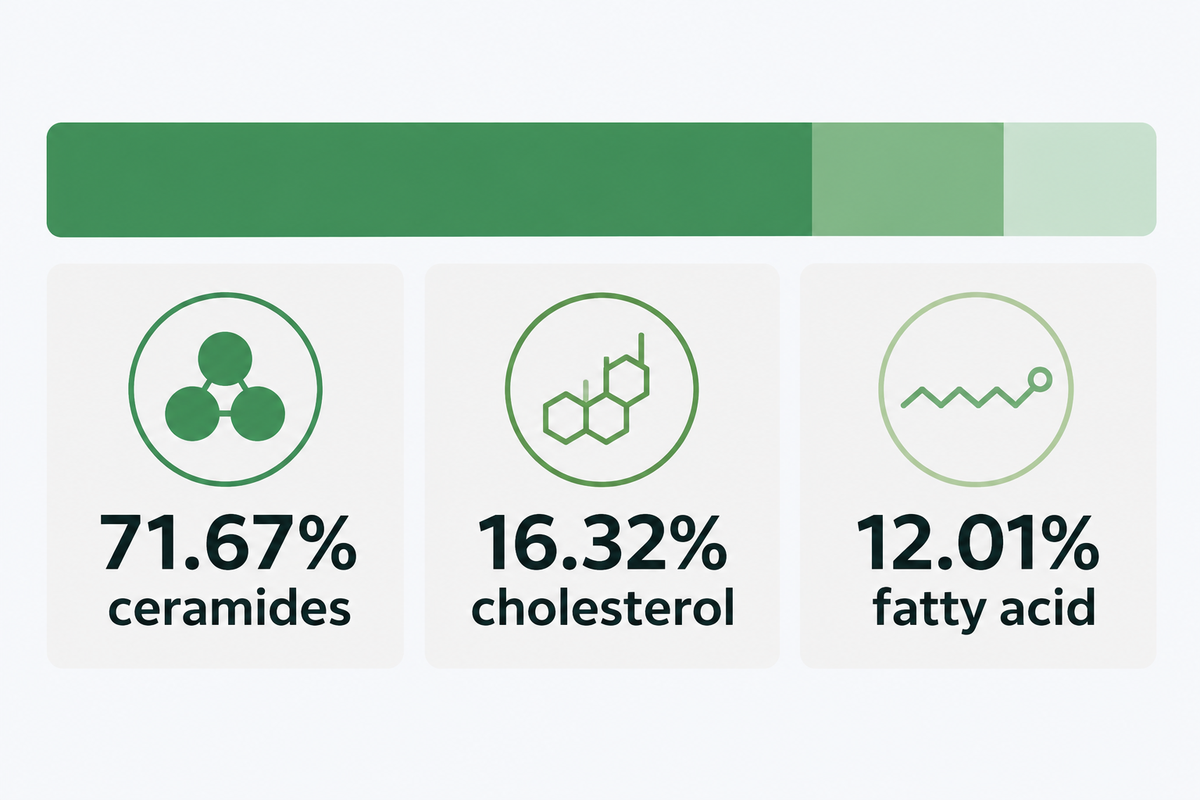
Converting the 3:1:1 molar ratio into batch weights requires multiplying each lipid’s molar coefficient by its molecular weight: 3 moles of Ceramide NP (565.9 g/mol), 1 mole of Cholesterol (386.7 g/mol), and 1 mole of Stearic Acid (284.5 g/mol), yielding 71.67% ceramides, 16.32% cholesterol, and 12.01% fatty acid to restore the skin barrier.
What ceramide concentration and ceramide-to-Cholesterol-to-Fatty-Acid molar ratio should a brand specify for a functional barrier-repair cream?
Dermatological research published by the National Institutes of Health (PMC3070468) shows that all three physiological lipid classes must be present for human epidermal barrier repair to occur. In contrast, clinical dermatology commentary warns that while it’s generally accepted that any moisturizer labeled “contains ceramides” is skin healing, the application of a single ceramide without cholesterol and free fatty acids may in fact delay barrier repair.
”Equimolar and 3:1:1 molar ratios of ceramides, cholesterol, and free fatty acids accelerate stratum corneum barrier repair within 48 hours compared to incomplete lipid mixtures.”
When brands that use ceramides mistakenly instruct a factory to blend a “3:1:1 ratio by weight” (60% ceramides, 20% cholesterol, 20% stearic acid), the high molecular weight of Ceramide NP means the actual molar ratio drops to 1.9 : 0.9 : 1.3, starving the skin’s barrier of sphingolipids while leaving excess free fatty acid. Below is The 3:1:1 Lipid Molar-to-Weight Conversion Table an original stoichiometric batch conversion framework showing that a 3:1:1 molar ratio of Ceramide NP (565.9 g/mol), Cholesterol (386.7 g/mol), and Stearic Acid (284.5 g/mol) equals a 71.67% ceramide, 16.32% cholesterol, and 12.01% stearic acid weight distribution (3.584 kg Ceramide NP, 0.816 kg Cholesterol, and 0.600 kg Stearic Acid per 500 kg batch at 1.0% total barrier lipids):
3:1:1 Lipid Molar-to-Weight Conversion Table (Worked 500 kg Batch @ 1.00% Total Lipid Load)
| Lipid Component | Target Molar Ratio | Molecular Weight (g/mol) | Molar Mass Contribution (g) | Exact Share of Lipid Blend (% w/w) | Batch Inclusion @ 1.00% Total (% w/w) | 500 kg Batch Mass (kg) |
|---|---|---|---|---|---|---|
| Ceramide NP (multi-ceramide base) | 3.0 moles | 565.9 g/mol | 1,697.7 g | 71.67% | 0.717% w/w | 3.584 kg |
| Cholesterol (USP/NF Grade) | 1.0 mole | 386.7 g/mol | 386.7 g | 16.32% | 0.163% w/w | 0.816 kg |
| Stearic Acid (Free Fatty Acid) | 1.0 mole | 284.5 g/mol | 284.5 g | 12.01% | 0.120% w/w | 0.600 kg |
| Total Barrier Lipid Complex | 5.0 moles | — | 2,368.9 g | 100.00% | 1.000% w/w | 5.000 kg |
4. What Thermal Solubilization and Homogenization Parameters Prevent Ceramide NP Graininess?
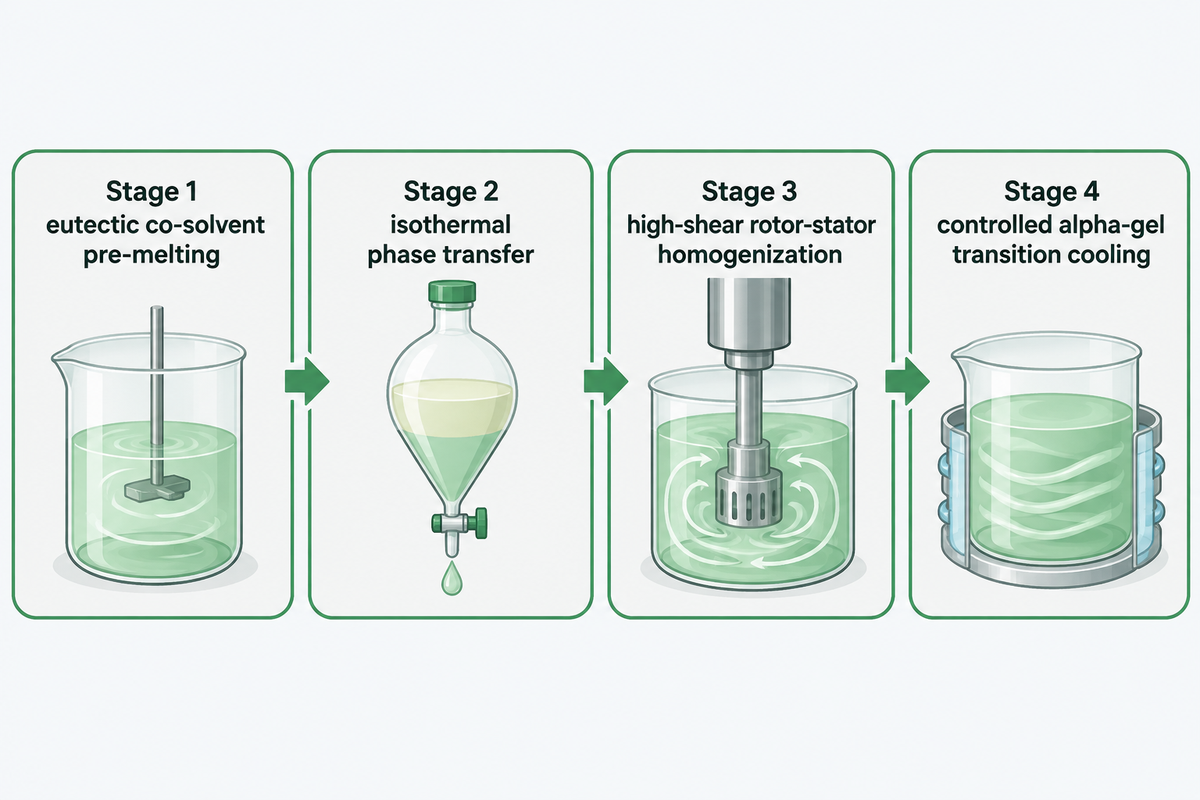
Preventing Ceramide NP graininess requires pre-dissolving the crystalline powder at 85°C to 90°C for 15 to 20 minutes in high-polarity branched esters (such as octyldodecanol at a ≥10:1 solvent-to-ceramide weight ratio) alongside cholesterol, followed by vacuum rotor-stator homogenization at 2,800 to 3,500 rpm and controlled cooling at 0.5°C to 1.0°C/min.
What methods do manufacturers use to prevent graininess of high-melting-point Ceramide NP in oil-in-water emulsions? How do they stabilize ceramide complexes?
Thermodynamic solubility studies published in NIH / PubMed Central (PMC12108929) show that Ceramide NP solubility in octyldodecanol reaches 5.0% w/w at 85°C, allowing 0.2% to 1.0% active ingredient incorporation in stable oil-in-water creams. In addition, patent literature (WO2017057873A1) discloses a repeatable method for preparing and stabilizing a high-ceramide content lamellar emulsion using branched diesters or esters of fatty alcohols, hydrogenated lecithin, and high-shear homogenization at 3,500 rpm.
- During Stage 1 eutectic co-solvent pre-melting (85°C (90°C), when Ceramide NP is added to the oil phase alongside cholesterol, esters of fatty acids (like C12-15 alkyl benzoate or isopropyl myristate), and octyldodecanol, cholesterol acts as a eutectic melting-point depressant, lowering complete lattice dissolution from 102°C down to 85°C) 88°C. This lowers the complete dissolution of the lattice to 85°C-88°C from 102°C. Hold for 15 minutes until optically clear.
- During Stage 2 isothermal phase transfer (ΔT ≤ 2°C), heat the aqueous phase (containing purified water, glycerin, Dipropylene Glycol, and hyaluronic acid) to 83°C, 85°C. Feed the oil phase into the water phase under -0.08 to -0.15 MPa vacuum so no localized cooling triggers instant crystal seeding.
- During Stage 3 high-shear rotor-stator homogenization (3,000–3,500 rpm), homogenize at a tip speed of 15 to 20 m/s for 4 to 6 minutes at 82°C, 85°C to reduce internal oil droplet diameter to 1.0–3.5 μm.
- During Stage 4 controlled alpha-gel transition cooling (68°C, 45°C), disengage high shear at 60°C and cool at 0.5°C to 1.0°C/min using 35–45 rpm anchor sweep agitation through the 55°C, 45°C liquid crystal transition window so cetearyl alcohol, natural ceramide, and cholesterol self-assemble into concentric Maltese-cross multilamellar vesicles.
5. How should Formulators Select Emulsifiers, Co-Solvents and pH Buffers for Multi-Lamellar Stability?
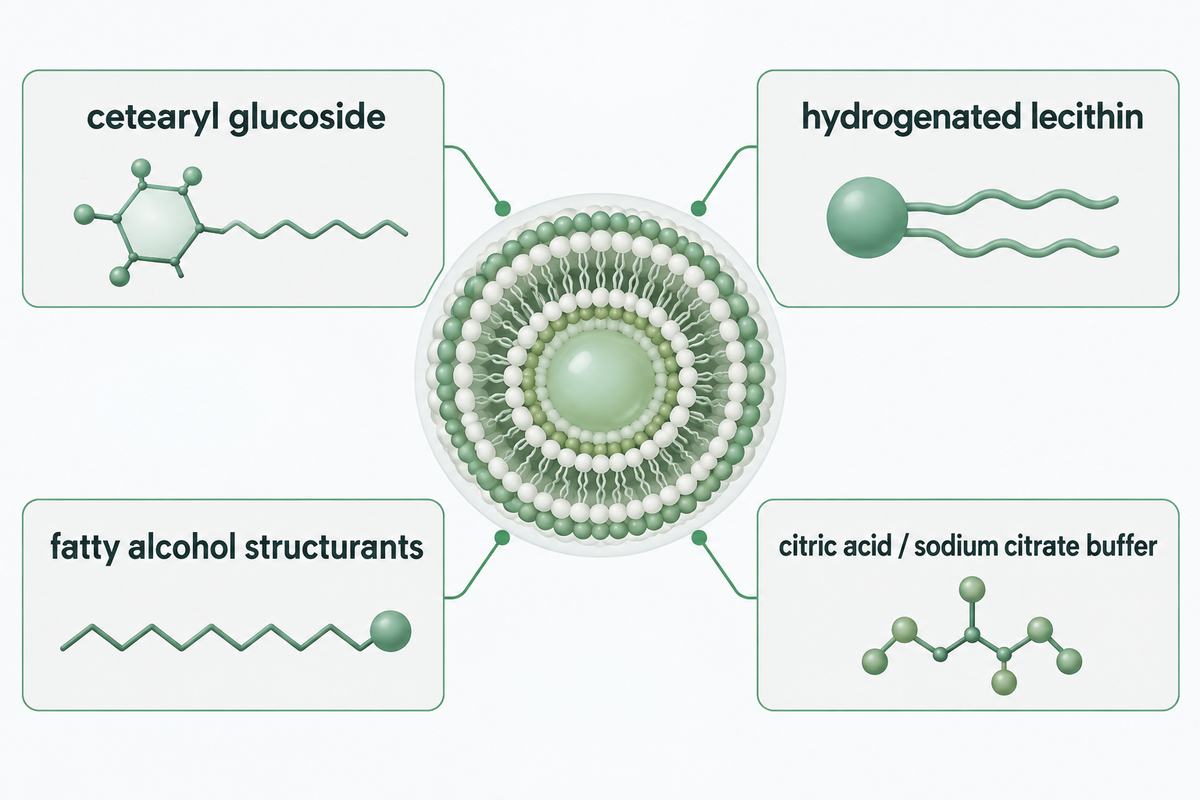
Formulators should select liquid-crystal-forming non-ionic or anionic emulsifiers—specifically cetearyl glucoside, polyglyceryl-3 methylglucose distearate, hydrogenated lecithin, and sodium stearoyl lactylate—paired with fatty alcohol structurants (cetearyl or behenyl alcohol) and buffered to pH 4.5–5.5 to preserve stratum corneum enzymatic activity and lamellar bilayer spacing.
Conventional high-HLB ethoxylated PEG emulsifiers (such as Polysorbate 20 or PEG-100 Stearate) form isotropic micellar emulsions rather than biomimetic lamellar sheets; upon topical application, residual ethoxylated surfactants can solubilize endogenous epidermal lipids and weaken the skin’s barrier. Instead, pairing cetearyl glucoside (1.5%–2.5% w/w) or hydrogenated lecithin (0.8%–1.5% w/w) with cetearyl alcohol (3.0%–5.0% w/w) and a polymeric gelling agent (such as xanthan gum or acrylates/C10-30 alkyl acrylate crosspolymer at 0.2%–0.4%) creates a viscoelastic gel network that suspends ceramide bilayers against gravitational creaming.
Buffering the finished composition containing organic compounds to pH 4.5–5.5 with a citric acid / sodium citrate buffer supports endogenous beta-glucocerebrosidase and acid sphingomyelinase, the epidermal enzymes responsible for the natural production of ceramides in healthy skin. Brands wishing to develop sulfate-free and PEG-free barrier lines can align these emulsifiers to our custom skincare formulation protocols and clean beauty manufacturing standards to protect the skin across every skin type including sensitive skin disorders.
What accelerated freeze-thaw, centrifugation, and microscopic tests catch crystal drift early?
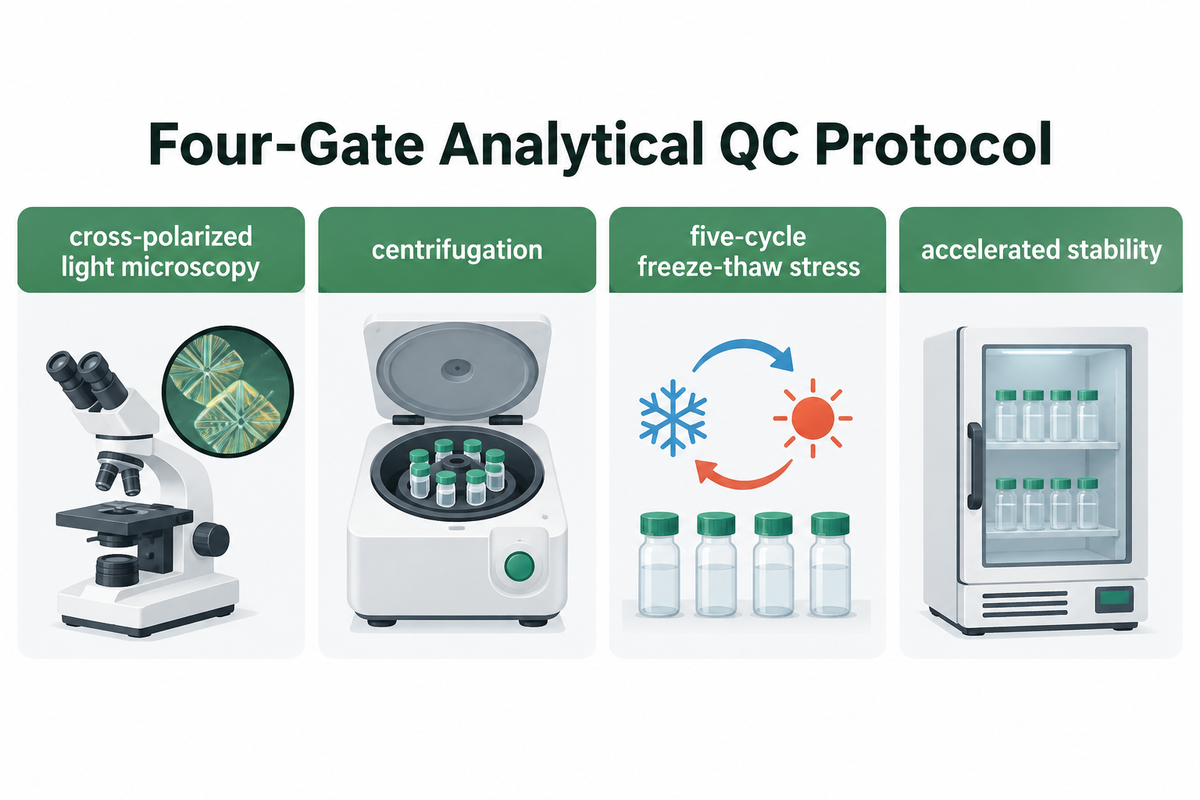
Catching ceramide crystal drift before commercial filling requires a four-gate analytical QC protocol: 400x cross-polarized light microscopy (verifying Maltese-cross lamellar birefringence and zero acicular needles), centrifugation at 3,000 rpm for 30 minutes, five-cycle freeze-thaw stress (-15°C to +45°C), and 12-week accelerated stability at 45°C / 75% RH.
Visual inspection of a sample under a microscope using just normal room light won’t allow differentiation between true liquid-crystal Maltese crosses and Ceramide NP (5-15 μm) crystals. Under cross-polarized light microscopy at 400x magnification, a properly homogenized biomimetic emulsion displays uniform spherical Maltese crosses, whereas a failing batch exhibits sharp, brightly birefringent needle or plate crystals at Day 14 after 4°C cold storage.
In addition to physical phase stability, high-lipid barrier creams require rigorous microbiological verification under ISO 11930 (Preservative Efficacy Testing) and ISO 17516 microbiological limits (<100 CFU/g for general skin care and <10 CFU/g for eye or compromised-barrier applications), because amphiphilic preservatives like phenoxyethanol or caprylyl glycol can partition into the lamellar oil phase and lose aqueous-phase antimicrobial activity. Every incoming ceramide lot and outgoing bulk batch should be verified via HPLC-ELSD assay and documented in your MSDS vs COA documentation in cosmetics quality packet.
7. What Packaging Formats and Filling Line Controls Protect Barrier Lipids at Scale?
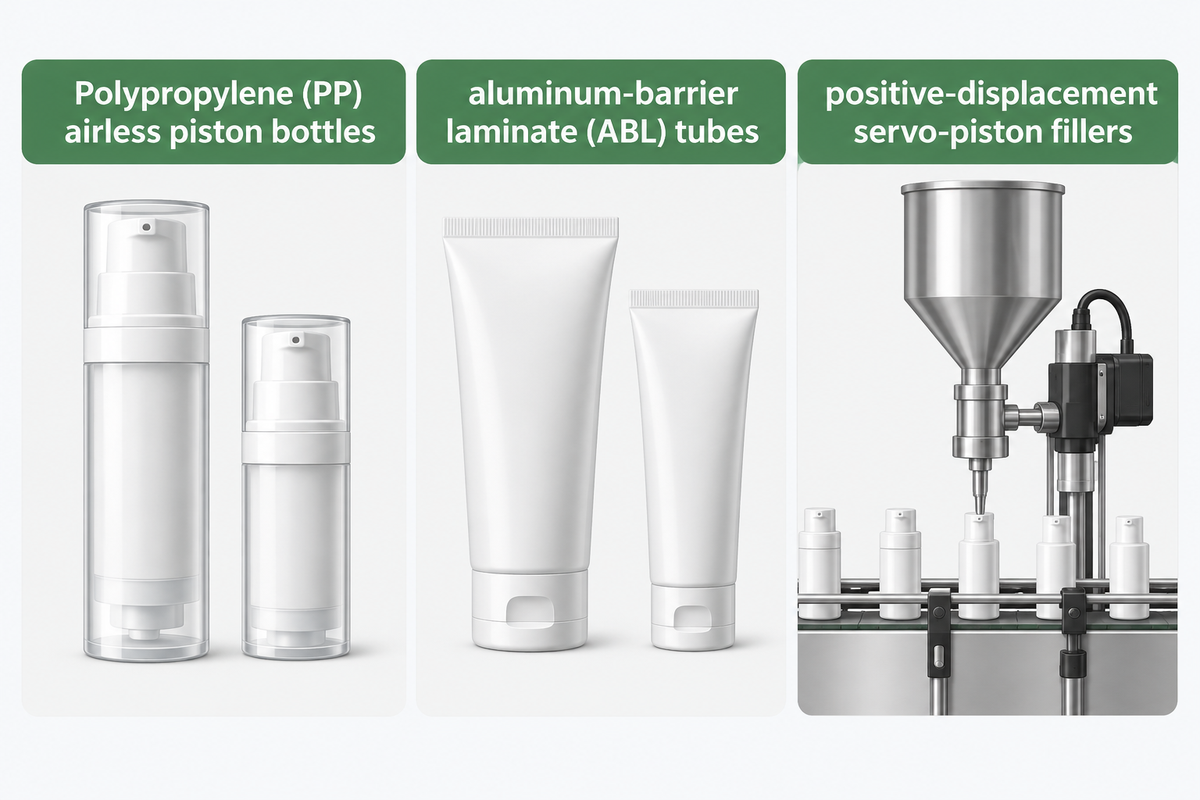
Polypropylene (PP) airless piston bottles and five-layer aluminum-barrier laminate (ABL) tubes provide optimal protection for ceramide barrier creams (viscosity 15,000 to 65,000 cP), preventing headspace oxygen from oxidizing cholesterol and unsaturated plant oils while avoiding repeated finger contamination during consumer use.
When formulations incorporate Ceramide EOP, cholesterol, or linoleic-rich vegetable oils to strengthen the skin and restore ceramide levels, open wide-mouth jars expose the bulk surface to atmospheric oxygen and UV light, accelerating lipid peroxidation. On the industrial filling line, lamellar emulsions exhibit strong thixotropy: filling hoppers should be maintained at 28°C to 35°C (never reheated above 45°C, which melts the alpha-gel network) using positive-displacement servo-piston fillers calibrated to low shear so the cream retains its rich body in the final package.
8. What Global Regulatory, ISO 22716, and Safety Substantiation Dossiers Apply to Ceramide Creams?
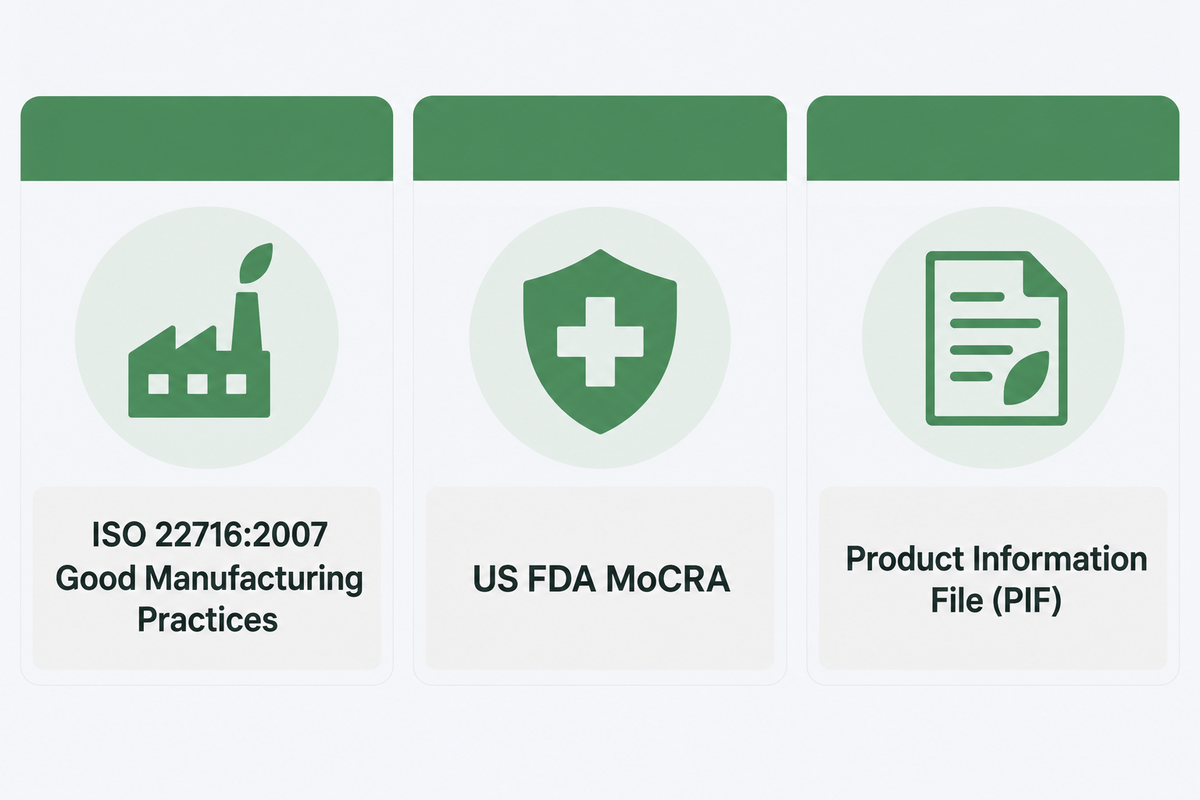
Commercial ceramide creams distributed in the United States, European Union, and global markets must comply with ISO 22716:2007 Good Manufacturing Practices, US FDA MoCRA (facility registration, product listing, and safety substantiation under 21 U.S.C. 361–364), and EU Regulation (EC) No 1223/2009 Product Information File (PIF) and Cosmetic Product Safety Report (CPSR) requirements.
Which contract manufacturers or OEM/ODM Labs can make Custom ceramide barrier cream formulation, and what certifications do they have?
According to the U.S. Food and Drug Administration (MoCRA portal) and FDA Cosmetic GMP Guidance, brands must verify that their manufacturing partner holds active, third-party-audited GMP certifications that explicitly cover emulsion production units and purified water systems (<100 CFU/mL).
When auditing an OEM/ODM partner for cosmetics or similar toiletry preparations across skin and hair categories, verify certificate numbers and unit scopes directly. For example, NEXO Beauty Labs (founded in 1999 upon the manufacturing foundation of Guangzhou Opseve Cosmetics Co., Ltd., with an international business team serving global brands since 2020) operates a 36,000 sq m facility with 56 production lines and holds dual Intertek-audited certifications valid through 12 March 2028 :
- Intertek ISO 22716:2007 Certificate
SZ2503C3verifies Good Manufacturing Practices covering the General Liquid Unit and Cream & Lotion Unit. - Intertek US FDA CFSAN cGMP Certificate
SZ2503C4verifies compliance with FDA Cosmetic Good Manufacturing Practice guidelines for export-ready skincare products.
For a complete breakdown of the processes for export documentation, PIF, and compliance, please see our OEM cosmetic manufacturing guide.
9. How do the Economics, MOQs, and Lead Times of Custom Formulation vs Private Label Compare?

In commercial ceramide cream manufacturing, unit costs and minimum order quantities (MOQs) scale directly with the active amount of ceramides (0.05% label-claim dispersion vs. 0.5%–1.0% pure bio-fermented 3:1:1 complex) and packaging complexity, with raw active ingredients accounting for 25% to 45% of bulk formula cost across 3,000 to 10,000 unit runs.
What are the typical MOQs, per-unit costs, and sampling to production lead times for custom and private label ceramide cream?
Industry cost benchmarks from Cosmetic Manufacturing Cost Breakdown studies show that raw active ingredients represent 25% to 45% of total bulk formula cost across 3,000 to 10,000 unit runs depending on whether a 1% diluted dispersion or a 0.2% to 1.0% neat Ceramide NP/EOP/AP barrier system is specified.
At NEXO Beauty Labs, brands have access to over 5,000 mature formulation bases to expedite R&D without compromising stoichiometry.
- Initial prototypes can be ready in 3 business days after the signing of a design brief.
- Air courier samples take 5 to 7 days from dispatch to arrive globally, with preliminary checks for pH, viscosity, and 400x microscopy.
- Standard commercial MOQ starts at 10,000 units per approved SKU configuration , with full commercial production completed within 15 days after formula sign-off and packaging qualification. Production and completion of the full commercial order is done in 15 days from formula approval and packaging qualification.
Emerging brands thinking about batch sizing and budget allocation can review our low MOQ skincare manufacturing guide to plan phased SKU launches that keep your skin healthy and moisturize effectively.
Are you Ready to Formulate and Scale your Ceramide Barrier Cream?
Partner with NEXO Beauty Labs (ISO 22716 SZ2503C3 & FDA cGMP SZ2503C4 certified, 36,000 sq m facility, 5,000+ formulas). Get a 3-day lab prototype for your 3:1:1 biomimetic ceramide cream or lotion.
Frequently Asked Questions About Ceramide Cream Manufacturing
1. Can ceramide creams be formulated as cold-process emulsions?
Neat crystalline Ceramide NP, Ceramide AP, and Ceramide EOP powders can’t be cold-processed because their crystalline lattices melt between 82°C and 105°C and require thermal solvation at 85°C to 90°C in branched esters or polyols. However, formulators can use pre-solubilized liquid multi-lamellar dispersions (such as SK-INFLUX Evolve MB at 1% to 3% w/w, yielding 0.015% to 0.05% net ceramides) in cold-processable gel-creams when low energy processing is prioritized over high active barrier density.
2. How do formulators prevent cholesterol oxidation in 3:1:1 barrier creams?
Cholesterol contains an unsaturated double bond at C5, C6 that oxidizes into oxysterols if overheated in the presence of dissolved oxygen or trace transition metals. Prevention requires adding 0.05% to 0.10% sodium phytate or disodium EDTA in the water phase, dosing 0.10% to 0.20% mixed tocopherols or pentaerythrityl tetra-di-t-butyl hydroxyhydrocinnamate into the 85°C oil phase, homogenizing under -0.08 to -0.15 MPa vacuum, and filling into opaque airless pumps.
3. Why does viscosity drop 48 hours after pouring a lamellar ceramide batch?
A 48-hour post-batch viscosity drop occurs when the liquid-crystal alpha-gel network formed by cetearyl alcohol, polyglyceryl emulsifiers, and different types of ceramides is disrupted before reaching interlamellar hydration equilibrium. The network doesn’t reach interlamellar hydration equilibrium, and thus, the bilayers continue to bind interlamellar water for 24 to 72 hours after being cooled down to below 45°C. If the batch is subjected to high-shear transfer pumping below 50°C, or if high-electrolyte actives (such as >0.5% sodium PCA or magnesium ascorbyl phosphate) are added before lamellar maturation, the interlamellar spacing collapses and bulk viscosity drops by 30% to 50%.
4. Are ceramide barrier creams required to undergo Clinical TEWL Testing prior to market launch?
Instrumental Tewameter TEWL and Corneometer hydration studies aren’t legally required for basic cosmetic moisturizing claims, but they’re strongly recommended under EU 655/2013 and US FTC claim substantiation rules when marketing quantitative “48-hour barrier repair” or post-procedure recovery claims. In the EU, claims substantiation is required; however, there are legal gray areas related to quantitative claims.
5. Are L-ascorbic acid and niacinamide compatible in the same ceramide emulsion?
Combining niacinamide (optimal stability at pH 5.0–6.5) and pure L-ascorbic acid (requiring pH <3.5) in a single lamellar ceramide cream isn’t recommended because low pH hydrolyzes nicotinamide into flushing nicotinic acid and protonates anionic stearoyl lactylate emulsifiers, causing phase separation; formulators instead pair niacinamide with oil-soluble ascorbyl tetraisopalmitate at pH 5.0–5.5.
6. What batch documentation should brands request upon commercial ceramide cream release?
Brands should request a batch release dossier containing the finished-product Certificate of Analysis (pH, Brookfield viscosity, 3,000 rpm centrifuge pass, ISO 17516 micro counts), raw-material ceramide HPLC assay COA, 400x cross-polarized microscopy log, and signed ISO 22716 batch record.
References & Sources
- National Institutes of Health (NIH) / PubMed Central – Characterization of Stratum Corneum Lipid Matrix and 3:1:1 Molar Ratio in Barrier Repair (PMC3070468).
- National Institutes of Health (NIH) / PubMed Central Formulation and Thermodynamic Stability of Ceramide NP in Cosmetic Lamellar Emulsions (PMC12108929).
- U.S. Food and Drug Administration (FDA) Modernization of Cosmetics Regulation Act of 2022 (MoCRA) Compliance & Facility Registration.
- U.S. Food and Drug Administration (FDA) Guidance for Industry: Cosmetic Good Manufacturing Practices (ISO 22716 Alignment).
- World Intellectual Property Organization (WIPO) / Google Patents WO2017057873A1: Stabilization of High-Content Ceramide Lamellar Emulsion Against Recrystallization.
- UL Prospector Personal Care Technical Database SK-INFLUX Evolve MB Multi-Lamellar Ceramide Concentrate Technical Datasheet.
- Fortune Business Insights Ceramide Market Size, Share & Global Industry Analysis Forecast (2025–2026).
Why beauty brands work with NEXO
About NEXO Beauty Labs Manufacturing Support
NEXO Beauty Labs supports skincare, body care, sun care, hair care, and private label brands with formulation, sampling, filling, quality control, and export-ready launch support.
Project Review Before RFQ
Before quotation, we help clarify product category, active direction, formula stage, package choice, compliance market, MOQ, sampling schedule, and required documents.
Request a Cosmetic QuoteCompany Profile // Data Sheet
CompanyNEXO Beauty Labs
Business TypeCosmetic OEM / ODM manufacturing partner
Main ProductsPrivate label skincare, facial serums, moisturizers, cleansers, sunscreen, body care, and hair care products
Manufacturing CapabilityFormula development, sample adjustment, package sourcing, filling, QA/QC, documentation, and export support
RFQ Data NeededProduct type, formula goal, package format, target market, MOQ, claims, timeline, and benchmark samples
Websitenexobeautylabs.com