Get in touch with NEXO Beauty Labs Company

ISO Certified
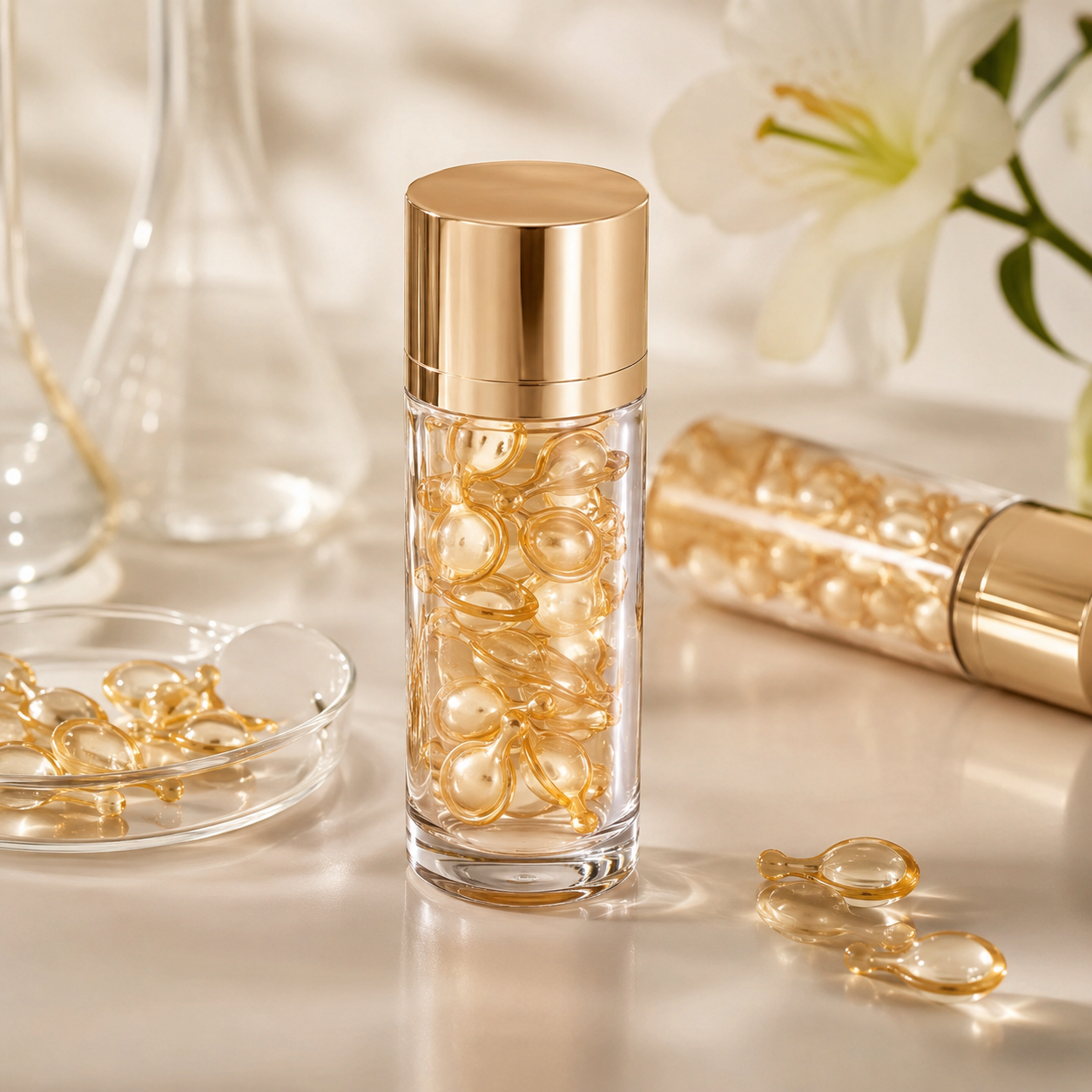
Capsule Serum Manufacturing
Capsule Serum Manufacturing for Private Label Skincare Brands
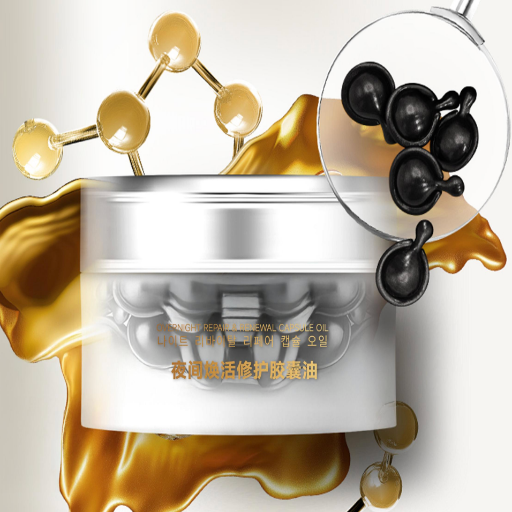
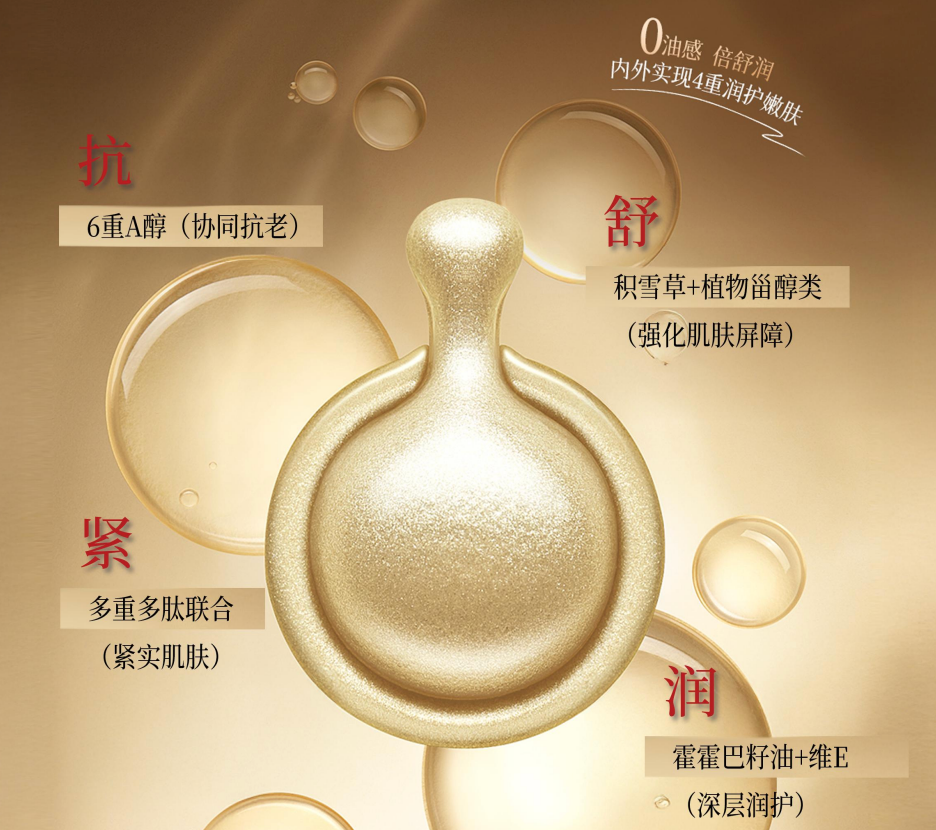
Capsule serum manufacturing turns a liquid concentrate into a sealed, pre-measured dose that the consumer opens once. As a skincare capsule manufacturer we develop and produce plant-based capsule serums for private label brands under OEM and ODM terms, from an existing shell format or from a shell you specify.
You don’t need to send a formula to get a feasibility answer. The shell grid in the next section resolves most projects from the fill phase, the viscosity and the active class alone.
Fill volumes
0.5 ml, 1.0 ml and 1.5 mlShell platform
Plant-based capsule technologyFill system
Anhydrous oil-serum systemsShell customization
Custom shapes and colorsMinimum order
20,000 pieces per SKU on an existing shellSerum directions
Renewal, barrier repair, brightening, antioxidant
Quotes within 24 hours on business days
Samples in 10-14 business days
First runs in 25-45 working days
0.5 ml, 1.0 ml and 1.5 ml fills
Four Capsule Serum Directions for Private Label Brands
Each direction below is a development starting point rather than a fixed formula. You bring the positioning and the claim you want to support; we build the fill around it.
Every direction can be customized at the active level, and a custom formula built from your own brief follows the same route. Hyaluronic acid, niacinamide and ceramide systems are all routine additions where the fill phase allow them.
01
Retinol renewal
Technology direction: encapsulated retinol renewal system.
Addresses: fine line care, firmness support, skin renewal, night treatment.
Key ingredients: retinol or bakuchiol, peptide complex, ceramide, coenzyme Q10, vitamin E.
Regulatory note: retinol is a restricted substance in the European Union. See Single-Dose Labelling and Market Responsibility before fixing your concentration.
02
Barrier repair
Technology direction: oil-serum capsule formulation.
Addresses: barrier support, deep nourishment, skin comfort, dry skin care.
Key ingredients: DNA sodium, collagen, peptide complex, panthenol, botanical oils.
Sourcing note: collagen and DNA sodium are animal or marine derived unless you specify a synthetic or biofermented grade, which changes how you can position the finished product.
03
Brightening
Technology direction: multi-pathway brightening complex.
Addresses: dark spot care, uneven tone correction, radiance, antioxidant support.
Key ingredients: tranexamic acid, alpha-arbutin, EUK-134, licorice extract, sea buckthorn extract.
04
Antioxidant glow
Technology direction: antioxidant defense complex.
Addresses: antioxidant protection, glow, nourishment, daily skincare support.
Key ingredients: vitamin E, coenzyme Q10, astaxanthin, plant ceramides, botanical extracts.
Formula development also covers repair, anti-aging, brightening, hydration and sensitive skin care outside these four starting points. Active ingredient selection spans retinol, peptides, ceramides, hyaluronic acid, vitamin C, vitamin E and botanical oils.
Scope of this page
Nexo Beauty Labs develops skincare, hair care and body care products. This page cover the capsule serum line only, and every commitment on it’s scoped to that facial care format.
A capsule cream is a different product and a different development route, because a cream base change both the fill viscosity and the shell decision. Ask us separately if that’s what your skincare line needs.
Fill Systems and Active Loading
The common assumption is that putting an active into a capsule make it fresher, safer or stronger by itself. Encapsulation is a tool, not a quality certificate, and that’s the biggest mistake we see in incoming briefs.
It can improve the conditions an active is delivered under, but a better shell doesn’t always mean a better product, and a capsule can’t compensate for poor preservation, an unsuitable pH or bad storage.
Encapsulation isn’t a substitute for formulation work, and it does nothing for a fill that was unstable to begin with. That’s why the first question we ask about a brief isn’t what the actives are, but what phase the fill sit in.
Fill-to-Shell Chemistry Grid
The grid pairs a fill phase against a shell family. It’s built from published shell-material properties rather than from our own bench data, and it’s here so you can rule a direction in or out before any formula changes hands.
| Fill Phase | HPMC Shell | Pullulan Shell | What Decides It |
|---|---|---|---|
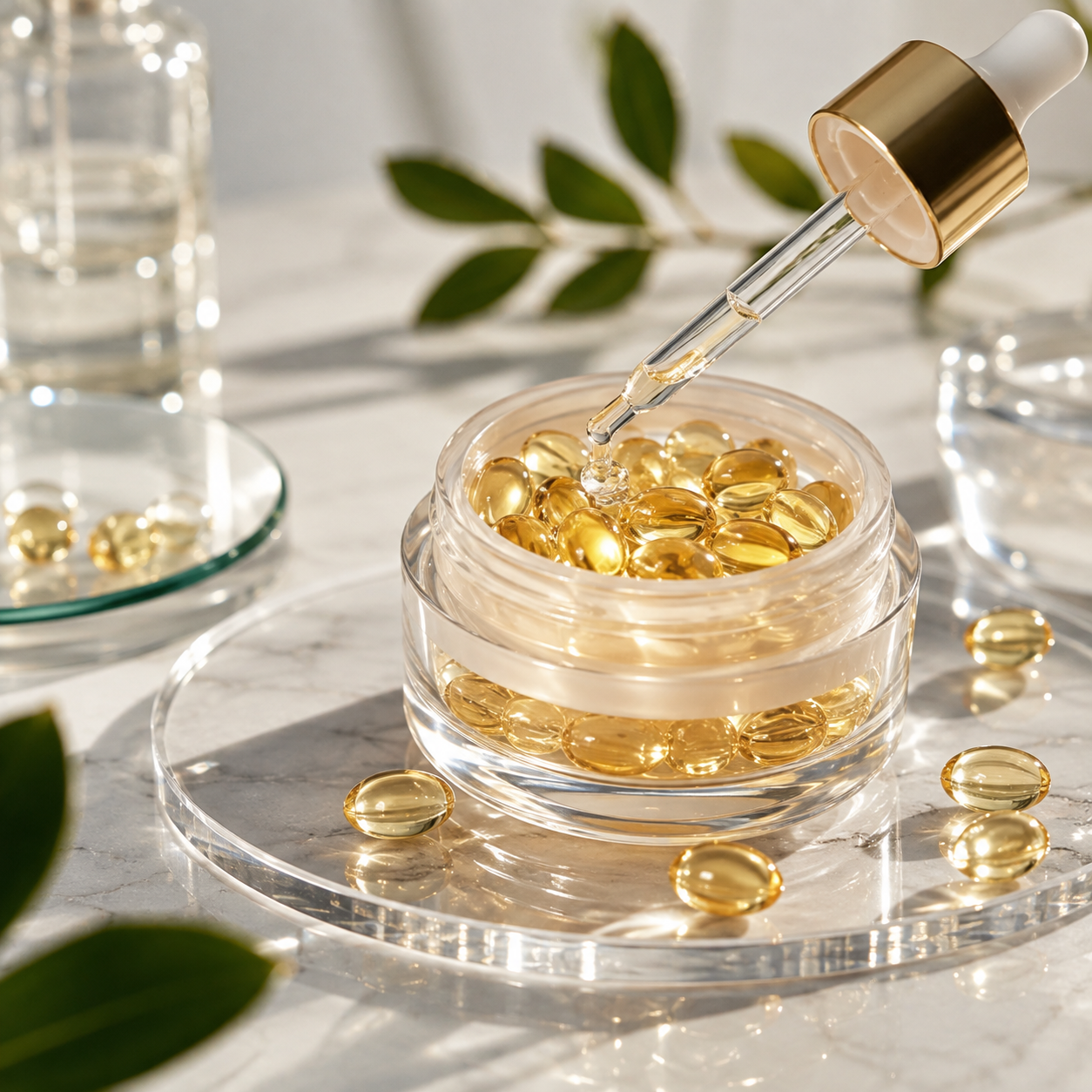
| Anhydrous oil serumthe format we run | Workable | Workable | Oil-phase fills carry no free water into the shell, so both plant-based families stay dimensionally stable. This is the pairing we build on. |
| Oxidation-sensitive activesoxygen-sensitive vitamins, unsaturated fatty acids | Workable | Preferred | Pullulan is reported to have one of the lowest oxygen permeabilities among biopolymers and the best barrier properties among plant-based shells. The published comparisons come from shell suppliers without stated measurement conditions, so we treat the ranking as directional and confirm it against your own active at sampling. |
| Moisture-sensitive actives | Preferred | Assess case by case | Published shell data puts HPMC water content in the 4.5-6.5 percent band against 13-16 percent for gelatin, with the exact figure varying by grade and supplier. The direction of that gap, not the decimal, is why moisture-sensitive fills move to HPMC. |
| High-viscosity fill | Assess case by case | Assess case by case | Fill that is too thick prevents proper closure and sealing. Viscosity is checked at sampling, not after tooling is cut. |
| Water-phase serum | Not a capsule route | Not a capsule route | A water-based fill puts free water against a water-soluble shell. Route this to a bottled format instead. See When a Capsule Is Not the Right Format. |
| High-dose applicationabove 1.5 ml per use | Not a capsule route | Not a capsule route | Our fill volumes stop at 1.5 ml. A larger single dose means more than one capsule per application, which usually defeats the format. |
Active Loading and Shell Interaction
Two shell properties do most of the work in a capsule serum brief. Residual shell moisture governs how the shell behaves mechanically, and low-humidity resistance governs whether it stays intact through filling and transport.
Water content in an HPMC shell is published in the 4.5-6.5 percent band and varies by grade, and that low band is what makes it our default for fills that must not pick up water.
Unlike gelatin, whose published water content sits far higher at 13-16 percent, HPMC does not embrittle at low humidity, which matters for dry shipping lanes and dry retail environments.
Pullulan is reported best-in-class on oxygen barrier among plant-based shells, so it’s the route to consider for oxidation-prone actives. It buys you barrier and costs you a shell premium over HPMC, which makes it a deliberate choice rather than a default. We price the premium against your specification instead of quoting a ratio, because the published comparisons come from shell suppliers without stated measurement conditions.
We don’t build on gelatin. It appears here only because it’s the reference point most briefs arrive with, and because its water content is the clearest way to show what the plant-based shells are avoiding.
Shell chemistry is also still moving. Patent filings continue in this area, including WO2024133662A1, a published application filed in December 2023 whose subject matter is core-shell capsules made from methacrylate or acrylate modified polysaccharides.
Raw Material and Packaging Material Inputs
Two input streams meet at the filling line, and both are specified before sampling rather than during it.
Raw material for the fill cover active grade, carrier oil and any solubilizer, each checked against the shell rather than against the formula alone.
Packaging material covers the shell family itself, plus the secondary pack that protects the capsules in transit and on shelf.
Sequence matters more than either input. Shell first, fill second; reversing that order is the most common reason a capsule skincare brief has to be reworked after sampling.
Shell, Shape, Colors and Fill Volumes
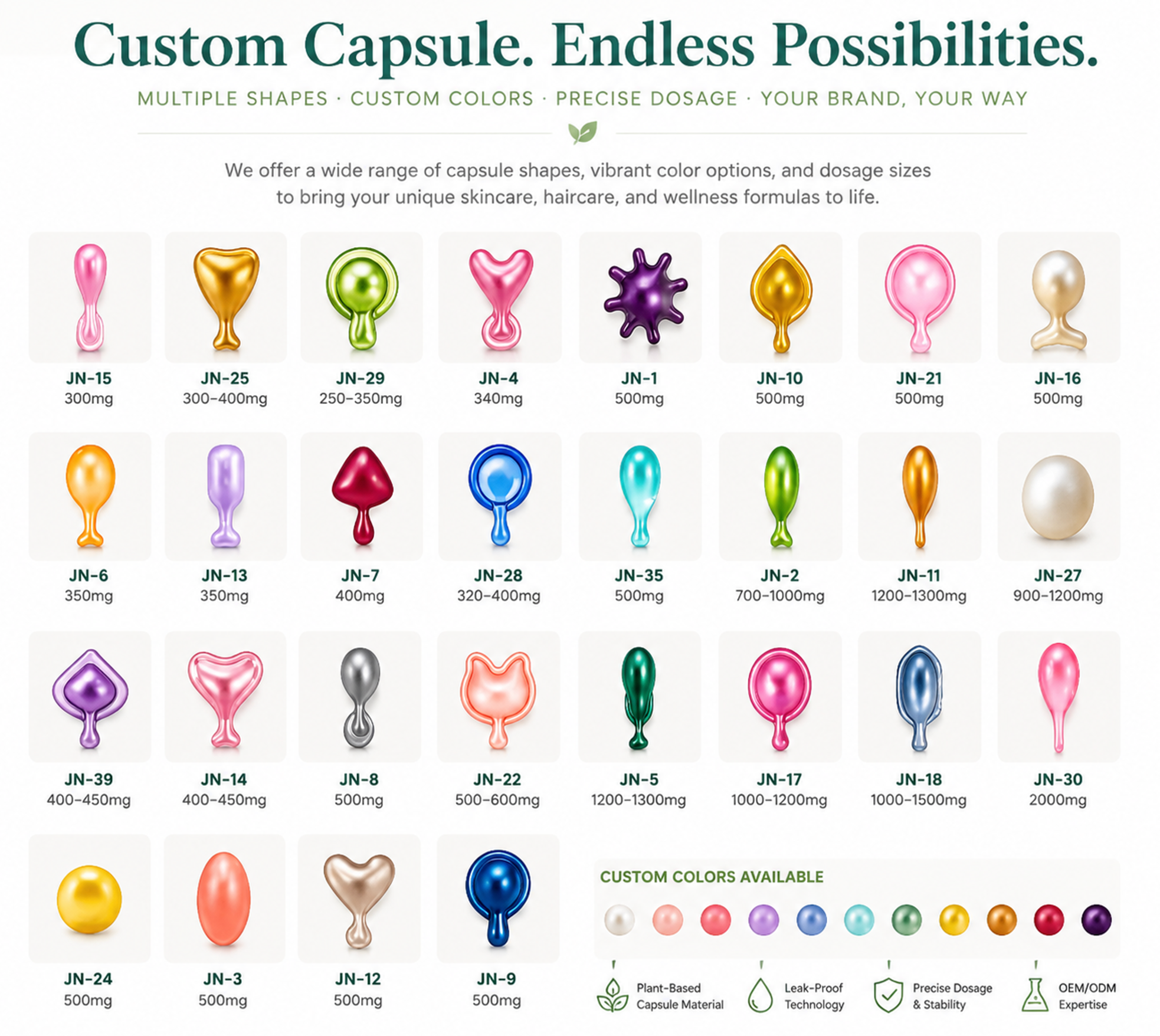
The shell isn’t packaging in a capsule serum. It’s the dose unit, the barrier and the part of the product the consumer physically handle, which is why shape and fill volume are decided before artwork.
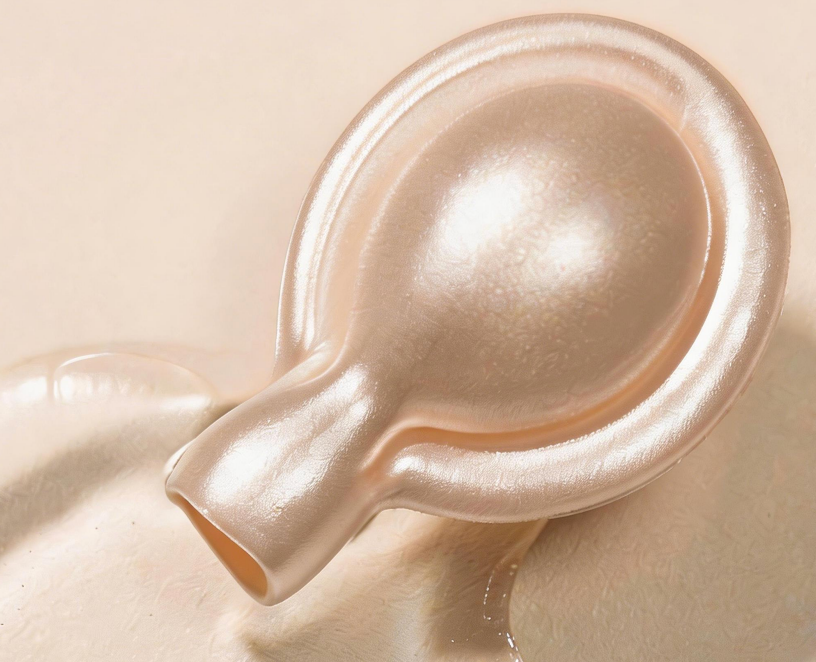
A one-piece capsule is formed by extruding shell and core together and setting the seam in a cooling carrier, the route described in US5595757A. The silhouette is cut into the forming tooling at that moment, which is why a new shape is a tooling decision rather than an artwork decision, and why it moves the minimum order rather than the unit price.
Shell platform
Plant-based capsule technology. We don’t build on gelatin shells.
Shape
Custom shapes are available. Shape is one of the three change that trigger new tooling.
Color
Custom shapes and colors are available. Color alone doesn’t change the fill chemistry.
Dose-to-Occasion Fit
Fill volume is a positioning decision more than a technical one. It sets how the product is used, how many units a consumer need per cycle, and how the pack is sized.
| Fill volume | Fits | Consequence for the pack |
|---|---|---|
| 0.5 ml | Targeted night treatment, eye area, a booster used a few nights a week, sampling and travel sets. | Highest unit count per cycle. Best fit for a trial pack or a subscription drop. |
| 1.0 ml | Daily full-face serum for most textures. | The middle position. A 30-unit pack maps to a one-month routine. |
| 1.5 ml | Richer oil-serum textures, face and neck in one application, or a two-step routine from a single capsule. | Fewest units per cycle, largest capsule, most visible product volume on shelf. |
Packaging compatibility is assessed against the shell you choose, not against the fill alone. Where a brief need a secondary pack format we haven’t run before, that’s a development item we size in the quotation rather than a stock option.
Capsule Specifications and Order Thresholds
Everything below is what we commit to in a quotation. Where a figure depends on whether your shell already exists, both cases are shown.
| Specification | Value | Notes |
|---|---|---|
| Fill volume | 0.5 ml, 1.0 ml and 1.5 ml (0.017, 0.034 and 0.051 fl oz) | Three discrete fills, not a continuous range. |
| Shell platform | Plant-based | Gelatin is not offered. |
| Fill system | Anhydrous oil-serum | Water-phase fills are routed to a bottled format. |
| Shell shape | Custom | A new shape triggers new tooling. |
| Shell color | Custom | Color alone does not trigger tooling. |
| Minimum order, existing shell | 20,000 pieces per SKU | Your formula, our existing shell and shape. |
| Minimum order, new tooling | 100,000 pieces per SKU | Applies when the shell, the shape or the size is newly tooled. |
| Sample lead time | 10-14 business days | From approval of the formula brief. |
| First production run | 25-45 working days | From sign-off of formula and artwork. |
| Repeat production | 30-60 working days | Confirmed on your quotation. |
Capsule Tooling Threshold
The gap between the two minimum order figures is the single biggest cost variable in a capsule serum project, and it’s decided by exactly three things.
- Moving to a shell family we don’t already run for this format.
- Specifying any silhouette outside the shapes already tooled.
- Asking for a fill volume outside 0.5 ml, 1.0 ml and 1.5 ml.
Change none of the three and your project sits at 20,000 pieces per SKU. Change any one of them and it sits at 100,000, because the tooling has to be cut and paid for up front, before the first capsule is filled.
That’s the trade-off worth naming early. A distinctive silhouette buy you shelf differentiation and costs you a fivefold jump in first-order commitment, and choosing the wrong answer at brief stage is the single most common way a capsule project stalls.
“The brief that gets expensive is almost never the difficult formula. It is the one that specifies a shape nobody has cut yet, for a first order that was only ever going to be twenty thousand units.”
Why We Publish Our Order Thresholds
Most capsule projects stall at the moment a brand discovers that its chosen shape require new capsule tooling and a five-figure first order. We publish both fill volume tiers and both order thresholds up front so that conversation happens before you spend anything.
Quotation, Lead Times and Minimum Orders
Price follows the fill system, the active set, the shell and shape decision, the order quantity and the market you’re registering in, rather than a fixed price list. The quotation states each of those inputs so you can see which one is moving the number.
This is also why we quote OEM and ODM work on the same terms. Whether the formula is yours or ours, it’s the shell decision that sets the floor.
Request a QuoteQuality Systems and What You Can Verify
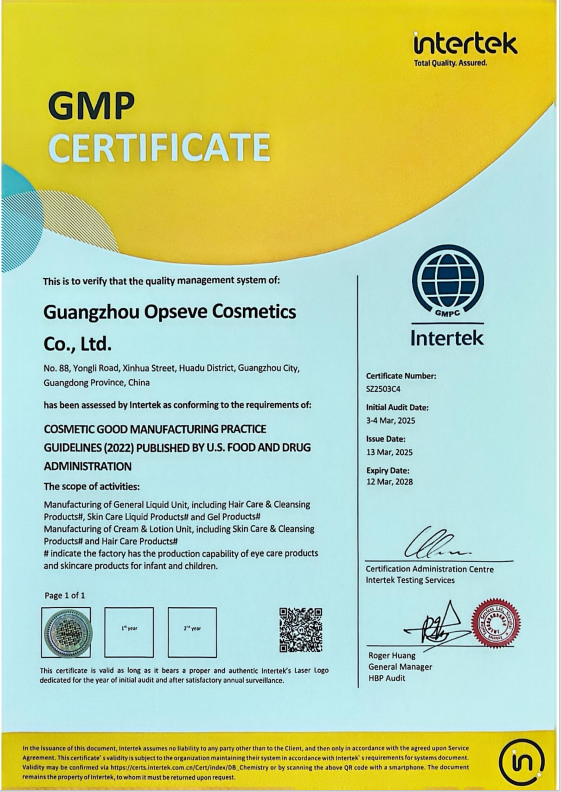
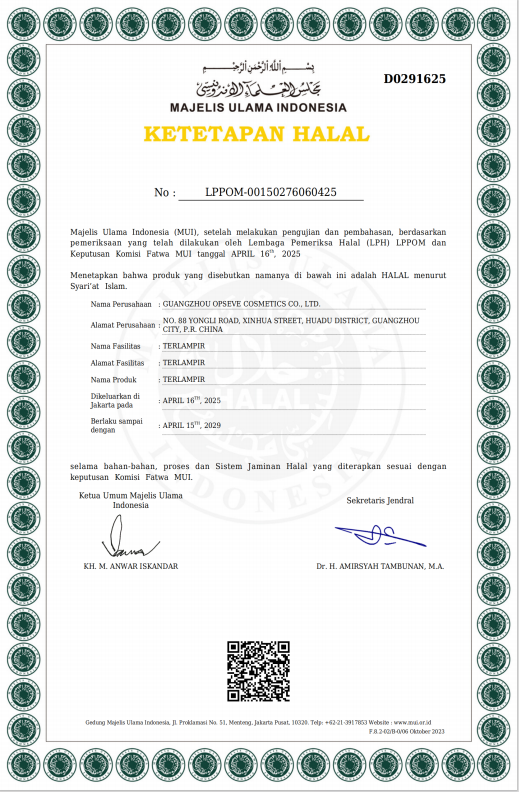
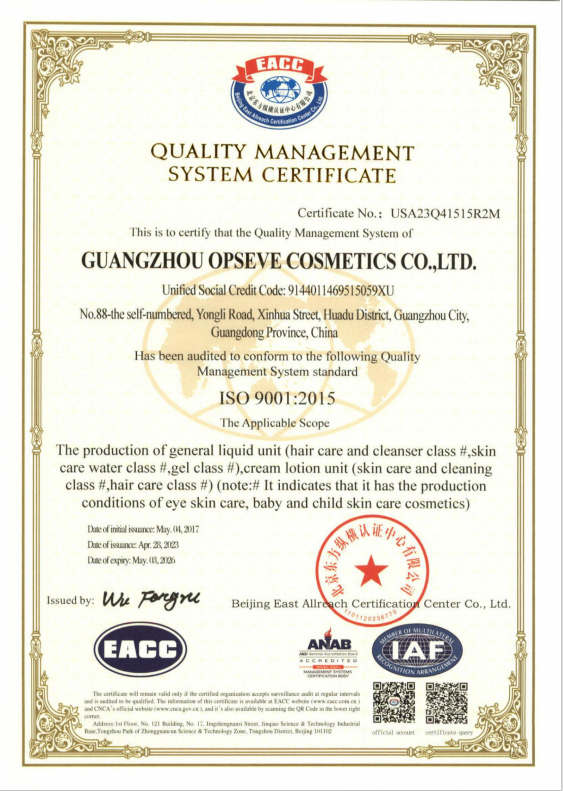
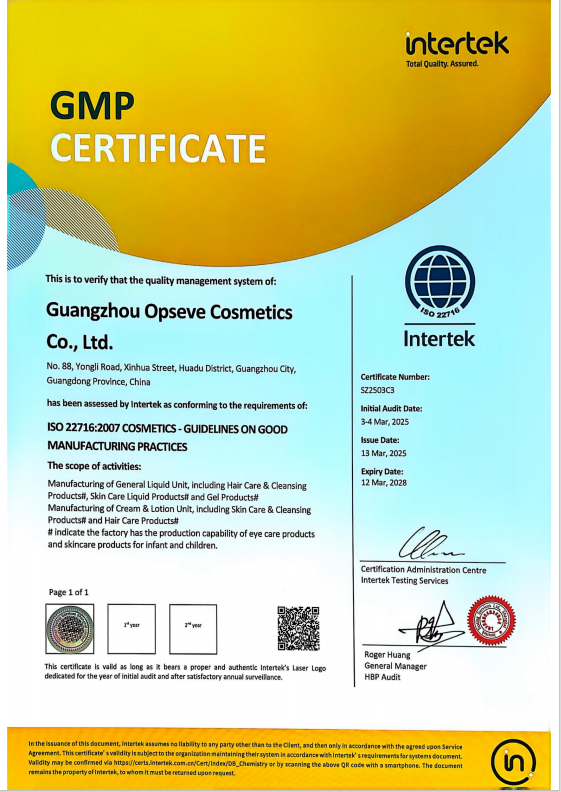
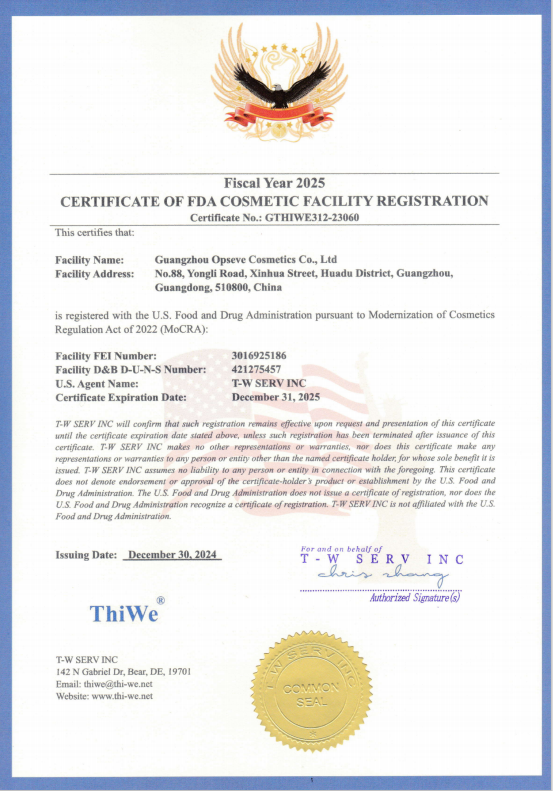
Capsule projects are manufactured under ISO 9001 quality management, ISO 22716 cosmetic good manufacturing practice and GMPC manufacturing standards.
ISO 22716 covers production, control, storage and shipment. It does not extend to research and development activities or to distribution of finished products, so the development work described on this page sits outside the standard and is governed by the project agreement instead.
❮
❯
What You Can Verify Before You Commit
Any quality system you can’t inspect is just a claim. The list below is the part of our process you can put a result against, in the order you meet it.
Stage
What we do
What you receive
Brief review
Ingredient compliance review, restricted-ingredient screening, and formula compatibility assessment against the shell you have chosen.
A written read on which actives can proceed as briefed and which need substitution.
Sampling
Stability testing coordination, shelf-life assessment support and packaging compatibility testing.
Physical samples you evaluate yourself, plus the test plan behind them.
Claim support
Coordination of hydration performance testing, skin-barrier testing, anti-aging evaluation, brightening performance testing and consumer perception studies.
Third-party test reports commissioned for your product, on request.
Production
In-process checks on the points that actually fail in capsule filling: seal integrity, shell moisture, fill viscosity and fill weight.
Batch records against the agreed acceptance criteria.
Shipment
Document set assembled for your destination market.
MSDS, certificate of analysis, and CPNP dossier support for EU-bound orders.
Where capsule filling actually fails
Capsule defects cluster around a short list of causes, which is why the in-process checks above target those four points rather than sampling at random.
- Leakage traces back to seal integrity far more often than to the fill itself.
- Excess shell moisture degrades the shell’s mechanical properties and raises leakage risk directly.
- Viscosity that runs too high prevents proper closure, and overfilling causes poor sealing.
- Interaction between fill and shell decides everything upstream, because the fill must not attack the shell material. That’s why the grid in Fill Systems and Active Loading comes before any formula work.
What high-quality means on a capsule line
On a bottled skincare product, quality is mostly about the fill. On a capsule it’s about whether the fill and the shell survive each other for the life of the product.
So the acceptance criteria we agree with you’re written against the capsule, not against the serum in isolation. A skincare manufacturer that only test the bulk fill hasn’t tested the product you’re actually selling.
×
Project Flow with a Capsule Serum Manufacturer
Six steps from first contact to a repeatable order. The decisions that cost money sit in steps two and three, which is why they come before any tooling commitment.
Brief
You send the fill phase, the viscosity, the active class and the dose you want per application. A formula file isn’t required at this stage.
Feasibility and shell decision
We map your brief onto the shell grid and tell you whether it runs on an existing shell or needs new tooling. This is where your minimum order is decided.
Quotation
Returned within 24 hours on business days, stating fill system, shell decision, order tier and lead time.
Sampling
Samples in 10-14 business days after the brief is approved, chargeable, with the fee credited against your first production order.
Sign-off and first run
Formula and artwork are signed off together, then the first run ships in 25-45 working days. We carry the cost of any rework caused by a deviation from the agreed acceptance criteria.
Repeat production
Scheduled at 30-60 working days and confirmed on each quotation.
Design guidance that changes the number
| If your brief says | Consider instead | Why it matters |
|---|---|---|
| New capsule silhouette for the first order | An existing shape, with color as the differentiator | Drops the minimum from 100,000 to 20,000 pieces per SKU. |
| Fill volume between the standard tiers | The nearest standard tier, adjusting the routine instead | A new size is one of the three tooling triggers. |
| A water-phase serum in a capsule | An anhydrous oil-serum version of the same concept | Free water against a water-soluble shell is not a capsule route. |
| An oxidation-prone active in a standard shell | A pullulan shell, priced accordingly | Better oxygen barrier, at three to five times the shell cost. |
| Retinol at a concentration set for one market | The concentration checked against each destination market first | The EU caps retinol in leave-on products; see the next section. |
| Full ingredient list printed on the capsule | An attached leaflet carrying the mandatory information | Single-dose packs rarely have the surface for a complete list. |
Single-Dose Labelling and Market Responsibility
Capsules create a labelling problem that bottles don’t have. The mandatory information for a cosmetic product has to go somewhere, and a single dose has almost no surface to put it on.
Single-Dose Label Constraints
Information can move off the pack. Under the EU cosmetics regulation, where product size makes it impossible to carry the required information, that information may appear on an enclosed or attached leaflet, label, card, tag or tape.
Moving it obliges you to say so. The hand-in-book symbol, first in Annex VII of Regulation (EC) No 1223/2009, indicates that mandatory information is provided elsewhere.
Article 19 sets what the label content has to reach the consumer with, and that’s the constraint the leaflet route work within rather than around.
Design the carrier early. On a single-dose format the leaflet or tag is part of the pack architecture and the unit cost, not an afterthought at artwork stage.
Retinol in the European Union
Commission Regulation (EU) 2024/996, published in April 2024, moved retinol, retinyl acetate and retinyl palmitate into Annex III of the EU cosmetics regulation. The limits are in force now.
| Item | Requirement |
|---|---|
| Body lotion | Maximum 0.05 percent RE |
| Other products, including leave-on serum | Maximum 0.3 percent RE |
| Mandatory statement | “Contains Vitamin A. Consider your daily intake before use.” No concentration threshold triggers it. |
| 1 November 2025 | Non-compliant products may no longer be placed on the EU market. |
| 1 May 2027 | Non-compliant products already on the market may no longer be made available. |
For a capsule serum those two facts collide. A retinol capsule bound for the EU has to carry the mandatory Vitamin A statement, on a pack with less printable area than any bottle, which is exactly the case the leaflet route above exists for.
Who holds which duty
Responsibility doesn’t transfer with the goods. In the EU the responsible person must be established in the Union, so that role sit with your side of the project, not with us, and the product safety report and product information file are product-specific records that a general manufacturer statement can’t replace.
In the United States the responsible person under MoCRA is tied to the manufacturer, packer or distributor named on the label, and that party carries the safety-substantiation records and the serious adverse event reporting duty. Assign the role explicitly in your brief rather than assuming it follows the factory.
Capsule Serum Manufacturing Planning Tools
Fill-to-Shell Compatibility Check
Answer three questions about the fill. This returns the shell family to plan around, or tells you the brief is not a capsule route, before any formula changes hands.
Launch Tool ➔Capsule Tooling Threshold Check
Three changes decide which minimum order tier your project sits in. This returns the tier and shows which of your choices moved it, so you can trade one before you commit.
For the wider service scope, explore Private Label Skincare Manufacturing.
Launch Tool ➔Dose-to-Occasion Fit Planner
Fill volume decides how many capsules a routine consumes, which decides pack size and reorder rhythm. Set the routine and this returns the unit count for each of our three fills.
For a more detailed buyer checklist, read our encapsulated skincare manufacturing guide.
Launch Tool ➔01
Frequently Asked Questions
A sealed single dose keeps the fill away from air and from repeated contact with fingers and applicators, and an anhydrous fill can often run with less preservative as a result. The dose is also fixed, so the consumer apply the same amount every time.
What it doesn’t do is rescue a formula. Encapsulation improves delivery conditions; it does not make an unstable formula stable.
Residual moisture is the practical difference. Gelatin shells carry 13-16 percent moisture while HPMC shells carry 4.5-6.5 percent, and HPMC doesn’t embrittle at low humidity the way gelatin does.
We build on plant-based shells only. Gelatin is included here because most briefs arrive using it as the reference point.
In practice, an oil-based or otherwise anhydrous fill. A water phase sit against a water-soluble shell, and the fill also has to not attack the shell material.
If your concept is water-led, the usual route is to rebuild it as an anhydrous oil serum rather than to force the original into a capsule.
0.5 ml suits a targeted or intermittent treatment and sampling. 1.0 ml suits a daily full-face serum. 1.5 ml suits richer oil textures or face and neck in one application.
The full comparison including pack consequences is in Shell, Shape, Colors and Fill Volumes.
They have more failure points. Seal integrity, shell moisture, fill viscosity and fill weight all have to hold together, and any one of them can produce leakage.
Typically, capsule projects also carry a higher minimum order than bottled equivalents, because the shell and its tooling are part of the product rather than part of the packaging order.
Either. Formula development covers repair, anti-aging, brightening, hydration and sensitive skin care, and active ingredient selection spans retinol, peptides, ceramides, vitamin C, vitamin E and botanical oils.
If you bring a formula, the first step is a compatibility assessment against the shell rather than a production quote.
Private label starts from a development direction we already run and adapts it to your brand. Contract manufacturing starts from your formula and produces it to your specification.
The commercial terms on this page apply to both. What changes is where the formula work sit and who owns the resulting formula, which should be settled in the project agreement.
Yes. Samples are yours to send wherever you want them evaluated, and we can coordinate hydration, skin-barrier, anti-aging, brightening and consumer perception testing for your product on request.
Third-party testing is commissioned per project rather than included in every quotation.
Not us. In the EU the responsible person must be established in the Union, so a Chinese manufacturer can’t hold that role for you.
In the US the role follows the manufacturer, packer or distributor named on the label. We support the CPNP dossier for EU-bound orders and supply the document set, but the responsible person is your appointment to make.
The shell is plant-based. Whether the finished product supports a vegan claim depends entirely on the actives you choose, and we don’t assert that claim on your behalf.
Collagen and DNA sodium, both of which appear in our barrier repair direction, are animal or marine derived unless a synthetic or biofermented grade is specified, so a brief containing either will fail a vegan claim. Raise the claim you intend to make at brief stage so ingredient selection is screened against it.
This page is the capsule serum line. NEXO develops skincare, hair care and body care products more broadly, and a capsule cream is a separate development route with its own shell and viscosity decisions.
Ask by format and we’ll tell you which line the brief belongs in before quoting.
Minimum order, tooling triggers and lead times are answered in full under Capsule Specifications and Order Thresholds and Quotation, Lead Times and Minimum Orders. Shell shape and color options are under Shell, Shape, Colors and Fill Volumes.